
Choosing the right levitating moon lamp requires balancing magnetic base stability, electrical compatibility with your home’s power supply, and the specific aesthetic requirements of your room. These ambient lighting fixtures use electromagnetic suspension to float and spin a 3D-printed lunar sphere, creating a striking visual focal point. To find the perfect model, you must look beyond flashy online videos and evaluate the physical build quality, control mechanisms, and safety features that ensure the lamp operates reliably in your living space.
In modern homes, particularly in compact urban spaces like condominiums, ambient lighting plays a crucial role in zoning and mood-setting. A levitating moon lamp serves as both a functional light source and an interactive piece of art. However, because these devices rely on a delicate balance of magnetic forces and continuous electrical current, selecting a low-quality model can lead to frustration, frequent drops, or electrical hazards. Understanding the technical specifications and operational limits of these lamps is the first step toward making an informed purchase.
Essential Specifications to Verify Before Checkout
Before adding a levitating moon lamp to your cart, you must evaluate the physical construction of the base. The base houses the primary electromagnet, control circuitry, and magnetic sensors that keep the moon suspended. A high-quality base must have sufficient weight to anchor the magnetic pull and prevent the unit from tipping over when you attempt to balance the sphere. Look for bases constructed from dense materials like solid wood, heavy resin, or weighted ABS plastic, and ensure the bottom features non-slip rubber pads to prevent sliding on polished wooden or glass furniture.
Products mentioned in this guide
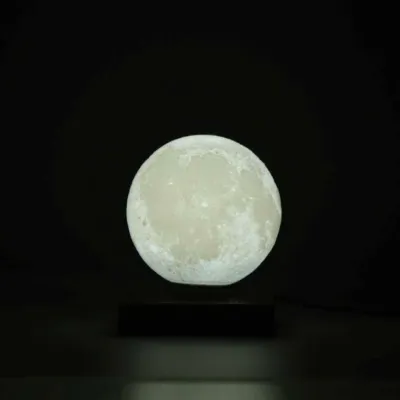
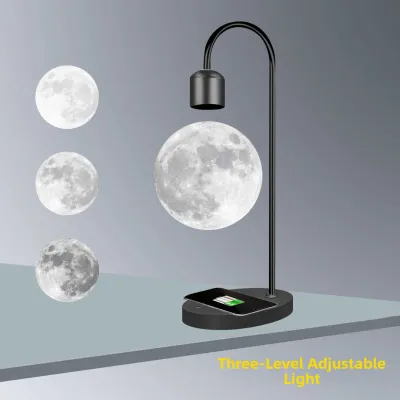
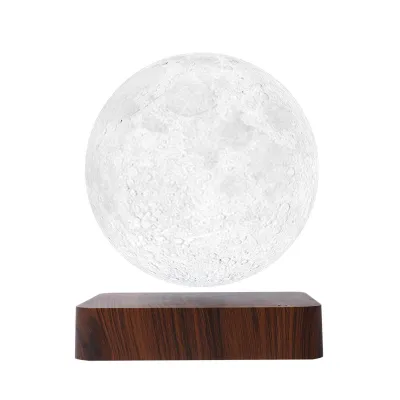
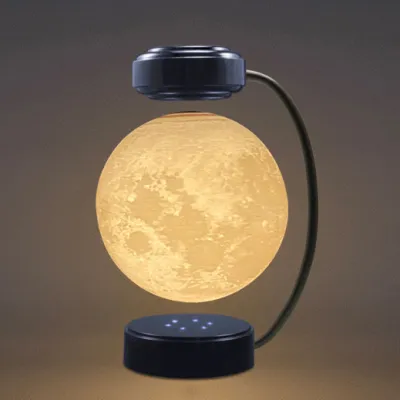
![[LA19REA]3D Levitating Ball Lamp RGB Floating LED Night Light Floating and in Air with LED Moon Lamp](https://img.lazcdn.com/g/p/50a0fe268a53361c2f2fdb574daffe57.jpg_400x400q80.jpg_.webp)
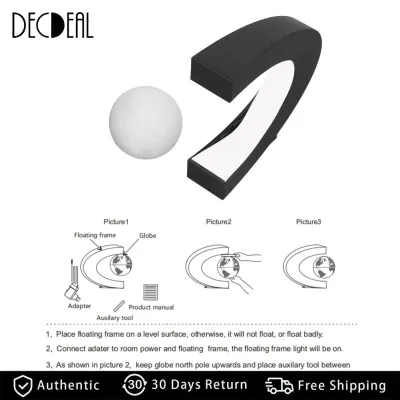
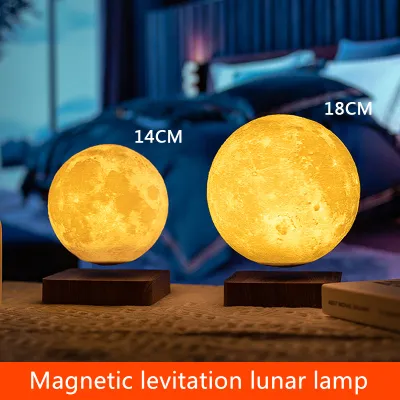
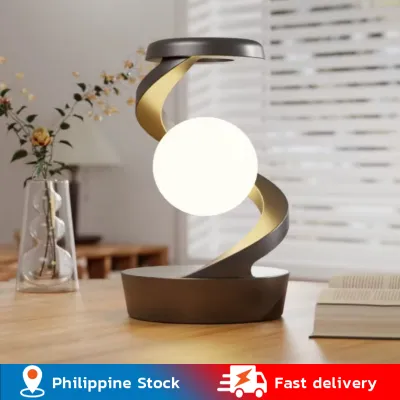
Prices are valid at publication and may change. Please refer to the product page for the latest price.
Electrical compatibility is another critical factor that varies significantly among imported models. In the Philippines, the standard residential power supply is 220V at 60Hz. Many levitating lamps sold on online marketplaces are designed for international markets and may ship with 110V-only adapters or incompatible plug configurations, such as round-pin Type C or UK Type G plugs. Always verify that the included power adapter is rated for a wide voltage range (100V–240V) and features a standard flat two-pin plug (Type A or B) suitable for local outlets. Additionally, check the cord length; because these lamps must remain plugged in to levitate, a short cord limits your placement options or forces the use of extension wires.
The visual appeal of the moon sphere itself depends heavily on the quality of its 3D printing. Budget-friendly models often exhibit thick, visible print lines, rough seams, and uneven plastic density, which ruin the realistic lunar illusion when the internal light is turned on. High-quality models utilize fine-resolution 3D printing to create smooth gradients, realistic crater depths, and detailed mountain ranges that mimic actual astronomical data. The material should be a durable, non-toxic thermoplastic like PLA or high-grade ABS, which can withstand the occasional accidental drop onto the base without cracking or shattering.
Finally, examine the lighting controls and customization options. Basic models may only offer a single color temperature with a simple on/off switch, while more advanced versions feature touch-sensitive controls on the base or infrared remote controls. These controls allow you to cycle through different color temperatures—typically warm white, cool white, and a soft yellow—and adjust the brightness levels. Dimming capabilities are particularly important if you plan to use the lamp as a nightlight, as a fixed, high-lumen output can disrupt sleep patterns, while an adjustable glow can be tailored to your comfort level.
Matching the Lamp to Your Room or Gifting Needs
When selecting a levitating moon lamp for a bedroom or nursery, your primary focus should be on creating a restful, low-stimulation environment. Prioritize lamps that offer warm color temperatures (around 2700K to 3000K) that mimic a soft candlelight glow, which helps promote relaxation. A smaller sphere diameter, typically between 12 and 15 centimeters, is ideal for bedside tables, as it provides a delicate accent without cluttering the surface. Crucially, verify that the magnetic base operates silently; some low-quality electromagnetic coils emit a faint, high-pitched hum or buzzing sound that can be highly distracting in a quiet bedroom.

For living rooms, home offices, or study areas, the lamp should serve as a bold design statement and a visual focal point. In these larger spaces, opt for a larger moon diameter of 18 to 20 centimeters to ensure the fixture has sufficient visual presence. Look for bases with premium finishes, such as dark walnut, light oak, or minimalist ceramic, to complement your existing interior decor. Higher lumen output is beneficial in communal areas, allowing the intricate details of the lunar surface to remain clearly visible even when ambient overhead lights or natural daylight illuminate the room.
If you are purchasing a levitating moon lamp as a gift, the unboxing and initial setup experience should be as seamless as possible. Levitating a magnetic sphere requires a bit of practice, patience, and hand-eye coordination to locate the electromagnetic “sweet spot.” Choose products that include clear, illustrated instruction manuals and physical leveling aids, such as a plastic template or spacer, to help the recipient master the balancing process quickly. Additionally, ensure the product is shipped in secure, custom-cut foam packaging to protect the delicate internal magnets and electronic components from damage during transit through local courier networks.
Safe Placement and Daily Care for Magnetic Decor
Proper placement is essential to protect both the electromagnetic mechanism of the lamp and your other household items. The powerful magnetic field generated by the base can interfere with sensitive electronic devices. Keep the lamp at least 20 to 30 centimeters away from laptops, external hard drives, desktop computers, routers, and smartphones. Avoid placing the unit on metal surfaces, such as steel-framed desks, filing cabinets, or metal side tables, as the metal can distort the magnetic field, making levitation impossible and potentially overheating the base.
Environmental factors also play a significant role in the longevity of the lamp. Given the tropical climate and high humidity levels in the Philippines, keep the lamp away from open windows, balconies, or areas prone to moisture buildup. High humidity can cause condensation to form inside the base, leading to short circuits or corrosion of the delicate control board. Furthermore, ensure the lamp is placed on a stable, vibration-free surface away from high-traffic edges where pets, children, or passing guests could accidentally bump it and send the floating sphere crashing down.
To prevent physical damage to the 3D-printed shell and the internal receiver, always follow the correct power sequence. Always plug the power adapter into the wall outlet and connect it to the base before attempting to hover the moon sphere. Never drop or place the moon onto the base while the power is turned off. Without an active electromagnetic field to repel the sphere, the strong permanent magnets inside the base will violently pull the moon downward, resulting in a hard impact that can crack the plastic shell or damage the internal LED receiver.
Keeping your moon lamp clean ensures that the light shines clearly through the 3D-printed craters. Before cleaning, safely remove the moon sphere from the magnetic field and place it on a soft surface, then unplug the base from the wall. Use a dry, clean microfiber cloth to gently wipe away dust from the sphere and the base. Avoid using harsh chemical solvents, alcohol, or abrasive scrubbing pads, as these can degrade the PLA plastic, strip away the painted details, or scratch the polished surface of the base. If a deeper clean is necessary, use a slightly damp cloth, ensuring no moisture enters the power port or the ventilation grates of the base.
Evaluating Online Listings: A Buyer’s Checklist
When shopping on e-commerce platforms, it is easy to be swayed by highly edited product photos and exaggerated marketing claims. To avoid purchasing a low-quality imitation, develop a systematic approach to evaluating online listings. Scroll past the main promotional images and carefully read the technical specifications section. Cross-reference the seller’s claims regarding the base weight, LED lifespan, and included accessories. A reputable listing will clearly state the exact dimensions of the sphere, the input voltage of the adapter, and the materials used in construction.
Customer reviews and buyer-uploaded media are invaluable resources for verifying product quality. Analyze user photos and videos to assess the true color temperature of the LEDs, as “warm white” can range from a pleasant amber to a harsh, unnatural yellow. Pay close attention to the visible levitation gap shown in user videos; a high-quality lamp should float consistently at a height of 1.5 to 2 centimeters above the base. If the gap in customer photos appears extremely narrow (under 1 centimeter), the magnetic field may be weak, which makes the sphere incredibly difficult to balance and highly prone to falling.
Finally, thoroughly review the seller’s return and warranty policies before finalizing your purchase. Because levitating lamps contain delicate electronic and magnetic components, they are more susceptible to transit damage or manufacturing defects than standard static light fixtures. Prioritize sellers who offer a clear return window and a warranty that specifically covers the electromagnetic base and power adapter. Checking if the seller has a history of responsive customer service or offers local return options can save you significant time and effort if you encounter any technical issues with your lamp.
Frequently Asked Questions (FAQ)
Does a levitating moon lamp consume a lot of electricity?
No, levitating moon lamps are highly energy-efficient. The internal light source utilizes low-wattage LED technology, which consumes minimal power even when left on for extended periods. The electromagnetic base does require a continuous electrical current to maintain the magnetic field and keep the sphere suspended, but this draw is typically very low, usually ranging between 5 to 15 watts. You can verify the exact power consumption by checking the output wattage printed on the product’s power adapter label.
What happens to the moon if the power goes out?
If the power supply is interrupted or if you unplug the lamp, the electromagnet in the base will deactivate immediately. Without the active electromagnetic field to repel it, the permanent magnets inside the base will instantly pull the moon sphere down. To prevent the sphere from cracking upon impact, many modern lamps are designed with a magnetic safety catch that pulls the moon securely to the center of the base during a power loss. However, it is always best to place the lamp on a stable surface where a sudden drop will not cause it to roll off the table.
Can I replace the LED bulb inside the moon?
In almost all levitating moon lamps, the LED light source is an integrated, non-replaceable module sealed inside the 3D-printed sphere. This sealed design is necessary to maintain the precise weight distribution and balance required for stable electromagnetic levitation. Because LEDs have an exceptionally long operational lifespan, often rated for tens of thousands of hours of continuous use, the light source is designed to last for the entire lifetime of the product. To maximize this lifespan, avoid leaving the lamp on in high-temperature environments and always use the manufacturer-approved power adapter.
Community discussion
Share your experience or ask a question. Comments are reviewed before publication.