
Finding the right light sensor night light for a condo bedroom in the Philippines requires balancing space constraints, electrical safety, and sleep hygiene. Condo units, particularly studio and one-bedroom layouts in bustling urban hubs, often feature compact floor plans where every square meter counts. Navigating these spaces in the dark without waking up a partner or stubbing a toe against a heavy wooden bed frame is a common nighttime challenge. A well-placed light sensor night light solves this by providing automated, low-glare illumination exactly when and where you need it. However, selecting the ideal device involves more than just picking a stylish design; you must evaluate sensor mechanisms, power configurations, color temperatures, and local electrical compatibility to ensure a safe and restful environment.
Understanding Light Sensor Types for Bedroom Use
To choose the most effective light sensor night light, you must first understand how different trigger mechanisms interact with your sleep environment and daily habits. The primary goal is to have light when you are active and darkness when you are resting, minimizing disruptions to your sleep cycle.
Dusk-to-dawn sensors, also known as photocell sensors, operate by continuously monitoring the ambient light levels in your bedroom. When the sun sets or you turn off the main overhead lights, the sensor detects the drop in lux and automatically activates a continuous, low-level glow. This glow remains active until the room brightens again, either from morning sunlight filtering through your condo windows or from turning on a primary light source. Dusk-to-dawn models are highly beneficial if you prefer a reassuring, permanent guide light throughout the night, or if you have a windowless inner bedroom that remains dark even during the daytime.
Products mentioned in this guide
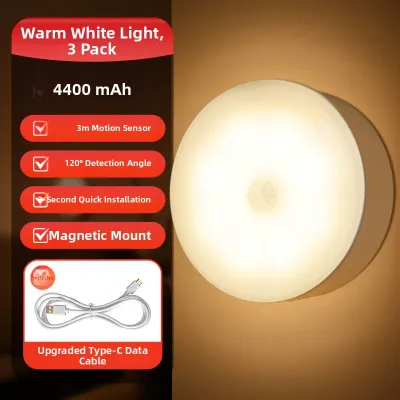
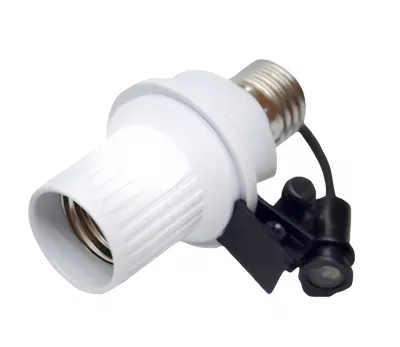

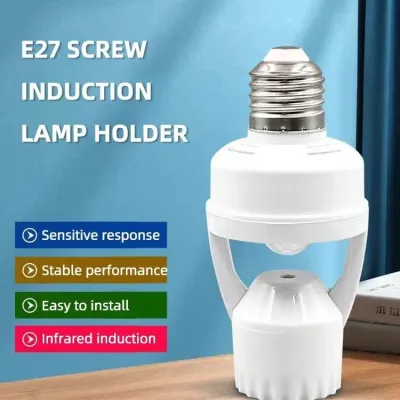
Prices are valid at publication and may change. Please refer to the product page for the latest price.
Passive Infrared (PIR) motion sensors, on the other hand, offer an on-demand lighting solution. Instead of staying on all night, these sensors detect changes in infrared radiation—essentially tracking the movement of human body heat. When you step out of bed or enter the sensor’s field of view, the light instantly illuminates. It then automatically shuts off after a predetermined period of inactivity, usually ranging from 15 to 90 seconds. PIR motion sensor night lights are ideal if you require absolute darkness to fall asleep but still need immediate, hands-free pathway lighting to navigate to the bathroom or kitchen in the middle of the night.
Hybrid models combine both technologies to offer the ultimate level of control and energy efficiency. These devices feature a photocell sensor that keeps the motion sensor deactivated during the day, preventing the light from turning on when the room is already bright. Once the room darkens, the motion sensor arms itself, ready to trigger the light only when movement is detected. Some advanced hybrid models also include physical dials or sliders that allow you to adjust the motion sensitivity range or customize the auto-shutoff delay.
Essential Specifications to Evaluate
Once you have decided on the sensor type, you must evaluate the technical specifications that directly impact your comfort, sleep quality, and condo space management.

Color temperature is one of the most critical factors for bedroom lighting. Light color is measured in Kelvin (K), ranging from warm, amber tones to cool, blue-white hues. For a bedroom environment, warm white light (typically between 2200K and 3000K) is highly recommended. Warm light has a minimal impact on your circadian rhythm because it contains lower levels of blue light, which is known to suppress melatonin production and disrupt sleep patterns. Conversely, cool white light (5000K to 6500K) provides high contrast and sharp visibility, making it more suitable for utility areas like laundry closets or home offices, but highly disruptive if activated in a dark bedroom. Note that perceived color temperature and spatial effects remain subjective preferences rather than universal performance facts.
Brightness levels, measured in lumens, must also be carefully calibrated. A standard bedroom night light should ideally emit between 1 and 15 lumens. Anything brighter can cause glare, strain your eyes, and fully wake you up during a midnight trip. To achieve the perfect balance, look for models that feature stepless dimming. This function allows you to adjust the brightness continuously—usually via a physical slider, touch-sensitive pad, or dial—rather than forcing you to choose between a few preset, rigid brightness levels. This is valuable in shared bedrooms where light sensitivity varies.
Power options significantly influence where you can place your night light and how you manage cables in a compact room. Direct plug-in models are the most common and convenient option. They plug directly into a standard wall outlet, drawing a negligible amount of power and eliminating the need for battery replacements or recharging. However, they are physically tethered to your existing outlet locations, which may not always align with your ideal pathway.
USB rechargeable models offer exceptional placement flexibility. These wireless units can be mounted almost anywhere—on concrete walls, inside wardrobes, or along staircases—using magnetic mounts or adhesive strips. They eliminate cable clutter entirely, which is a major advantage in minimalist condo designs. The trade-off is that they require periodic recharging, though many modern low-draw LED models can last several weeks or even months on a single charge depending on usage frequency.
Battery-operated models utilizing standard AA or AAA batteries provide similar placement freedom but come with the ongoing cost and environmental impact of battery disposal. They are highly reliable during power outages—a practical consideration during the tropical typhoon season in the Philippines—but are generally less cost-effective over the long term compared to rechargeable alternatives, saving you from spending hundreds of ₱ on replacement batteries over the lifespan of the device.
Matching Night Light Profiles to Your Bedroom Needs
Matching different night light profiles to your specific room layout and nighttime habits helps you create a highly functional lighting scheme.
If your primary challenge is navigating around furniture in a compact or tightly packed condo bedroom, your priority should be safety and glare reduction. In these layouts, look for PIR motion sensor lights with low-glare, downward-facing housings. These designs direct the light downward toward the floor rather than outward into your eyes, preserving your night vision. Mount these units at floor level—such as along the baseboards or under the bed frame—so they illuminate only your immediate walking path. This setup ensures you can easily spot slippers, bags, or furniture corners without casting bright light across the entire room.
For those who find comfort in a continuous ambient glow, a dusk-to-dawn sensor is the ideal choice. Look for a minimalist plug-in design with an ultra-warm color temperature (around 2200K to 2700K) that mimics the soft glow of a candle. This low-intensity light provides a gentle visual anchor in the room, helping to reduce nighttime anxiety or disorientation when waking up in a dark space. Ensure the unit has a slim profile that sits flush against the wall so it does not interfere with curtains or bedside tables.
In shared spaces or nurseries, flexibility and portability are paramount. If you are caring for an infant or sharing a room with a light sleeper, choose a USB rechargeable model with stepless dimming and a physical timer or manual override switch. This allows you to detach the light from its mount and use it as a portable lantern for late-night diaper changes or feedings, keeping the light source close to your work area and away from the sleeping baby’s eyes. The lack of cords also eliminates a significant safety hazard in areas where children might play or crawl.
For transitions between the bedroom and adjacent spaces, such as bathrooms or walk-in closets, high-contrast visibility and quick auto-shutoff delays are essential. When moving from a dark bedroom into a bathroom, a sudden bright light can be jarring. Placing a motion-activated night light with a slightly higher lumen output (around 10 to 15 lumens) in the bathroom hallway or near the vanity provides enough light to see clearly without needing to turn on the main, blinding overhead fixtures. A quick auto-shutoff delay of 15 to 30 seconds ensures the light turns off promptly once you return to bed, allowing you to drift back to sleep quickly.
Electrical Safety and Placement Checks
Perform several electrical safety and compatibility checks before purchasing and installing your night light to protect your condo and ensure reliable operation.
First, verify the voltage rating and plug type of the device. In the Philippines, the standard electrical utility supply is 220V at 60Hz. Many imported night lights are designed for 110V systems; plugging a 110V-only device directly into a 220V outlet will cause immediate damage, overheating, or a potential electrical hazard. Always check the product label, packaging, or manufacturer specifications to confirm that the device is rated for 220V or features a wide-range voltage compatibility (such as 100V-240V). Additionally, ensure the plug matches the standard flat two-pin (Type A or B) outlets commonly installed in local properties.
Avoid outlet overcrowding and unsafe wiring practices. In compact condo units, wall outlets are often at a premium, leading to the temptation to use multi-plug adapters or daisy-chain extension cords. Do not plug a night light into an outlet or adapter that is already powering high-draw appliances, such as air conditioners, refrigerators, or microwave ovens. While LED night lights draw very little wattage, physical crowding can restrict airflow and lead to heat buildup.
Ensure there is adequate heat dissipation space around the night light. Even low-wattage LED lights generate a small amount of heat, which must be allowed to dissipate freely. Avoid placing night lights behind heavy drapes, under bedding, or in tight spaces behind furniture where heat can become trapped. Always look for recognized safety certification marks on the product packaging or housing, such as the Philippine Standard (PS) mark, the Import Commodity Clearance (ICC) sticker, or reputable international certifications like UL, CE, or RoHS, which indicate the product has undergone rigorous safety testing.
Finally, know when to stop and consult a qualified professional. If you notice that your wall outlet is loose, warm to the touch, discolored, or emitting a faint burning smell, immediately isolate the power at your circuit breaker and contact a licensed electrician. Similarly, if a plug-in night light flickers constantly or causes other electronics on the same circuit to behave erratically, discontinue use immediately. For any installations involving fixed wiring or damp environments like bathrooms, always prioritize safety by isolating the power and consulting a professional installer.
Frequently Asked Questions (FAQ)
Why does my light sensor night light stay on during the day?
If your night light remains illuminated during daylight hours, the photocell sensor is likely obstructed. Dust, dirt, or nearby furniture blocking the sensor eye can trick the device into perceiving the room as dark. To resolve this, gently wipe the sensor lens with a dry, soft microfiber cloth to remove any accumulated grime. Another common cause is poor placement. If the night light is installed in a deep shadow, under a desk, or behind a door, the ambient daylight may not reach the sensor with enough intensity to trigger the shutoff mechanism. Lastly, in wireless or battery-operated models, a declining battery charge can cause the internal sensor circuitry to malfunction, leading to continuous activation or erratic flickering. Replacing or recharging the batteries often resolves this behavior.
Can I use a plug-in night light on an extension cord or power strip?
While it is physically possible to plug a night light into an extension cord or power strip, doing so is generally not recommended by manufacturers due to safety and stability concerns. Power strips are often placed on the floor or behind furniture, which can block the night light’s sensor, preventing it from detecting ambient light or motion accurately. Furthermore, placing a light source on a loose extension cord creates a tripping hazard in bedroom walkways and increases the risk of the cord being pulled, which can damage the outlet or the device. If you must use a power strip, ensure it is securely mounted, kept clear of high-draw appliances to prevent voltage fluctuations, and positioned where the night light’s sensor remains unobstructed. For the safest and most reliable performance, always plug your night light directly into a secure, permanent wall outlet.
Community discussion
Share your experience or ask a question. Comments are reviewed before publication.