
Finding the perfect balance of illumination and space efficiency is key when choosing a hallway light fixture. A hallway is more than just a path; it sets the tone for your entire home and connects your living spaces. Selecting a lightforce wall lamp requires analyzing physical dimensions, brightness levels, beam angles, and electrical compatibility to ensure a safe, functional, and beautiful installation. By focusing on slim profiles and appropriate light distribution, you can transform a dark, cramped corridor into a welcoming, well-lit transition space.
Assessing Your Hallway's Unique Lighting Constraints
Hallways are distinct from other rooms because they serve primarily as transition zones rather than destinations. Unlike living rooms that require task lighting for reading or kitchens that need bright workspace illumination, corridors require ambient or wayfinding light. This type of lighting guides movement safely from one room to another without being overly intense or creating harsh, hospital-like glare.
The physical layout of hallways presents unique architectural challenges. They are typically narrow, have limited wall space, and lack natural light windows, making them prone to feeling dark and cramped. Standard fixtures that protrude too far can make the walls feel like they are closing in, creating a claustrophobic atmosphere and restricting movement.
Products mentioned in this guide
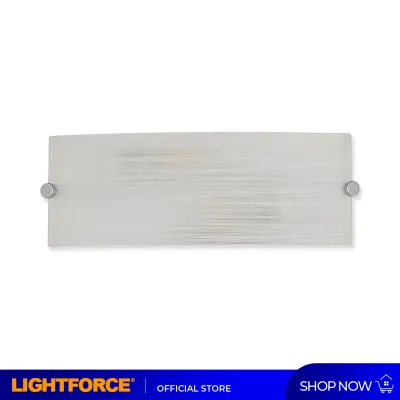
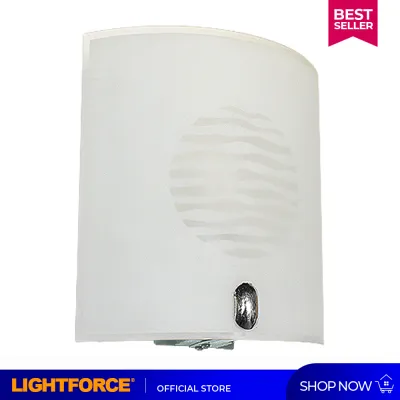
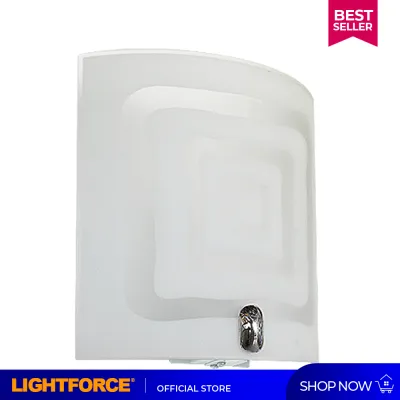

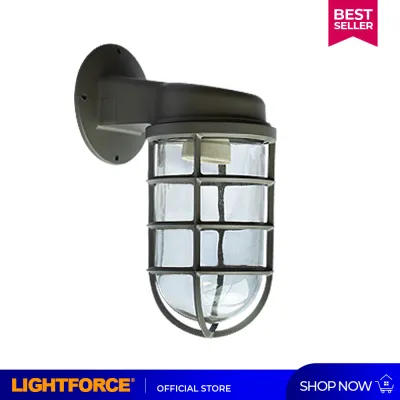
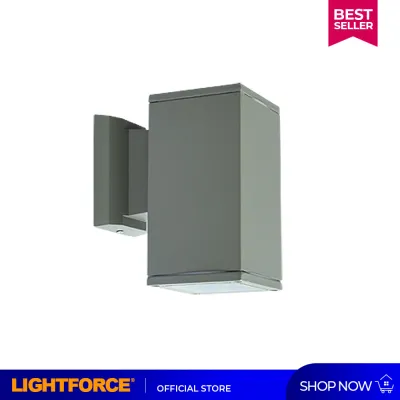
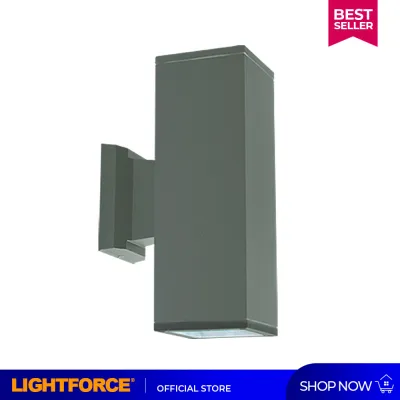
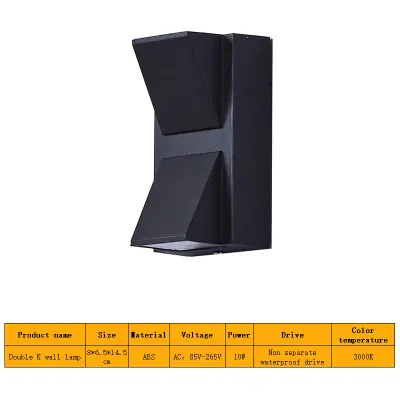
Prices are valid at publication and may change. Please refer to the product page for the latest price.
Proper wall lighting addresses these constraints by highlighting the vertical surfaces, which visually expands the space and makes the corridor feel wider. Well-positioned wall lamps prevent visual clutter on the floor or ceiling, creating a clean, safe, and welcoming path between bedrooms, bathrooms, and living areas.
Sizing Your Lightforce Wall Lamp to Keep Walkways Clear
To keep your hallway feeling spacious and safe, physical dimensions are your primary constraint. Sconces installed in busy corridors must not obstruct foot traffic or create physical hazards. As a general rule, look for slim-profile, flush, or semi-flush wall lamps that protrude no more than 10 centimeters (about 4 inches) from the wall. This prevents family members from accidentally bumping their shoulders or snagging bags on the fixtures as they walk past.

Visual scale is equally important when selecting your fixture. A fixture that is too large will overwhelm a short wall, while a tiny lamp will look lost in a long corridor. Consider the height of your ceilings and the overall length of the hallway to maintain visual proportion. For standard 2.4-meter to 2.7-meter ceilings, fixtures measuring between 20 to 30 centimeters in height offer a balanced proportion.
Before making any purchase, always check the exact physical dimensions—specifically the height, width, and extension depth—listed on the Lightforce product packaging or official specification sheet. Measuring your hallway’s actual width and simulating the fixture’s protrusion with a tape measure can prevent costly return trips and installation headaches.
Selecting Brightness and Beam Angles for Comfortable Navigation
Achieving the right brightness level prevents your hallway from feeling either like a dark tunnel or a stark, over-illuminated operating room. To calculate your lumen needs, determine the square footage or square meters of your corridor. Hallways generally require a moderate level of light, typically around 100 to 150 lux (lumens per square meter). For example, a 5-meter-long by 1.2-meter-wide hallway (6 square meters) benefits from a total light output of approximately 600 to 900 lumens distributed across all fixtures.
The direction of the light beam plays a major role in how spacious the area feels. Direct, downward-pointing lights can cast harsh shadows and highlight floor imperfections. Instead, opt for diffused, up/down, or indirect lighting designs. Up/down lights bounce illumination off both the ceiling and the floor, visually raising low ceilings and softening the overall atmosphere. Diffused covers, such as frosted glass or acrylic shades, scatter light evenly to eliminate direct glare.
Safety and efficiency must also guide your bulb selection. Always verify the maximum wattage limits and bulb compatibility directly on the Lightforce fixture label before installation. Using an LED bulb that matches the manufacturer’s recommended base type ensures energy efficiency and prevents overheating, which is especially important in enclosed or narrow spaces.
Coordinating Lightforce Finishes and Styles with Your Decor
A wall lamp is both a functional light source and a decorative element that should complement your home’s existing interior design. To create a cohesive look, match the metal finishes of your new fixtures with the adjacent hardware in your hallway. If your door handles, hinges, or nearby light switches feature matte black, brushed nickel, or warm brass, choosing a wall lamp with a matching finish ties the entire space together.
The shape and profile of the fixture should align with your overall decor theme. Minimalist, geometric profiles with clean lines and hidden light sources work beautifully in modern or contemporary homes, emphasizing structure and simplicity. Conversely, classic silhouettes with decorative shades, curved arms, or glass panels are better suited for traditional or rustic interiors, adding character and warmth.
In long, monotonous corridors, repeating identical fixtures is a highly effective design strategy. Installing a series of matching sconces creates a visual rhythm that draws the eye forward, making the journey down the hallway feel intentional and curated rather than endless.
Spacing, Placement, and Electrical Safety Rules
Proper placement ensures even light distribution and prevents glare. As a standard guideline, mount wall sconces so the center of the fixture sits approximately 1.5 to 1.7 meters (5 to 5.5 feet) above the finished floor. This height keeps the light source roughly at eye level or slightly above, preventing you from looking directly down into an exposed bulb.
When installing multiple fixtures, spacing is critical to avoid dark patches. A reliable rule of thumb is to space your wall lamps approximately 1.8 to 2.4 meters (6 to 8 feet) apart. You may need to adjust this distance depending on the specific lumen output of your chosen Lightforce model, the width of your corridor, and whether you have secondary light sources like recessed ceiling downlights.
Electrical safety is paramount during any installation process. Before inspecting, touching, or connecting any wiring, you must turn off the main circuit breaker at your home’s service panel to isolate the power. Never rely solely on a wall switch to turn off the current.
Additionally, verify that the fixture’s voltage rating matches your local electrical supply, which is standard 220V in the Philippines. Because many local homes feature solid concrete or hollow block walls, routing new wiring or installing recessed junction boxes requires specialized tools and expertise. Strongly advise hiring a licensed electrician to handle the hardwiring, install new junction boxes, or modify existing wall wiring. This ensures full compliance with the Philippine Electrical Code, guarantees your safety, and preserves your product warranty.
Frequently Asked Questions (FAQ)
Can I use a dimmer switch with Lightforce hallway lamps?
Dimmability depends entirely on the specific Lightforce fixture’s internal driver and the type of bulb you use. If the fixture features an integrated LED system, you must verify on the packaging that the driver supports dimming. If the fixture uses replaceable bulbs, ensure you install dimmable LED bulbs. Always check the product manual for dimmer compatibility and install a matching, high-quality dimmer switch to prevent issues like flickering, buzzing, or premature bulb failure.
How far apart should I space wall sconces in a long corridor?
In most residential corridors, spacing wall sconces approximately 1.8 to 2.4 meters (6 to 8 feet) apart provides balanced, continuous illumination. However, this is a flexible guideline. You should adjust the exact distance based on the light output (lumens) of your chosen Lightforce model, the physical width of the hallway, and the presence of other ambient light sources, such as ceiling fixtures or natural light from adjacent rooms.
Community discussion
Share your experience or ask a question. Comments are reviewed before publication.