
A magnetic levitation light serves as a captivating focal point in modern homes, combining physics and design to suspend a glowing bulb or shade mid-air. To find the right model for your space, you must evaluate key technical specifications, including the levitation mechanism, weight limits, light output, and electrical safety. Focusing on these practical details ensures your floating lamp remains stable, safe, and visually striking.
Understanding the Levitation Mechanism and Base Specifications
To choose a stable magnetic levitation light, you must first understand how the base keeps the light suspended. Most consumer models rely on active electromagnetic suspension. This system uses a combination of permanent magnets and electromagnets in the base, paired with a magnetic sensor that constantly adjusts the electrical current to keep the floating element centered. Because this system requires active power, the lamp will only float while plugged into an active electrical outlet.
When comparing models, pay close attention to the maximum weight capacity of the magnetic field. The manufacturer calibrates the electromagnetic force to support a very specific weight range. If you plan to use alternative shades or decorative attachments, verify the maximum load limit in the product specifications. Exceeding this limit by even a few grams will destabilize the magnetic field, causing the floating component to fall.
Products mentioned in this guide
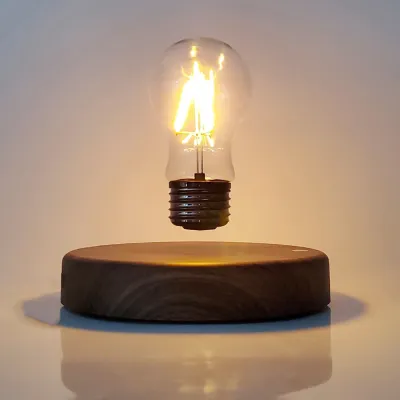
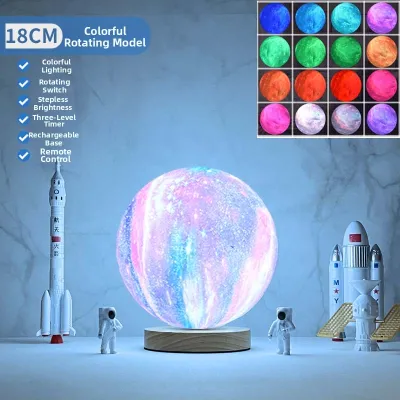
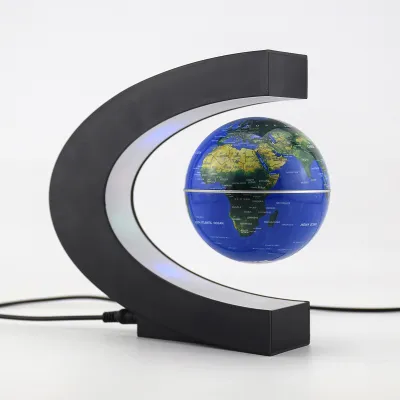
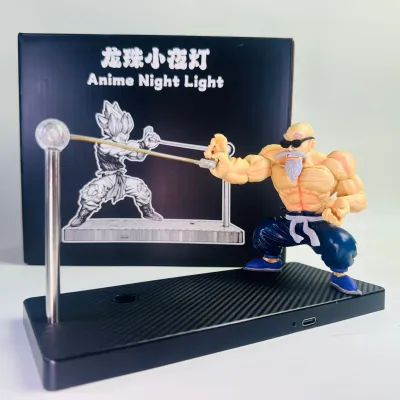

Prices are valid at publication and may change. Please refer to the product page for the latest price.
The physical footprint of the base is another critical factor, especially if you are placing the lamp on a narrow condo side table, floating shelf, or bedside console. Measure the surface area of your furniture and compare it to the base dimensions. Additionally, check the cord routing design. A heavy or stiff power cord that pulls on the base can tilt it slightly, which disrupts the level surface required for the magnetic field to function correctly.
Evaluating the Light Source and Ambient Illumination Specs
The quality of light is just as important as the levitation effect itself. Many magnetic levitation lights feature built-in LEDs integrated directly into the floating bulb or shade. While built-in LEDs offer a seamless design and excellent energy efficiency, they are generally non-replaceable. If the LED fails, you will likely need to purchase an entirely new floating assembly from the manufacturer.

Alternatively, some models use replaceable floating bulbs with standard interfaces. This design offers better long-term maintenance and allows you to customize the bulb style. However, any replacement bulb must match the exact weight, dimensions, and electrical specifications of the original to ensure it floats and receives power wirelessly through induction.
For those seeking a sunset lamp or ambient mood lighting, color temperature and adjustability are key. Look for models that offer adjustable color temperatures, allowing you to switch from a cool white light for focus to a warm, golden glow for relaxation. Some advanced models feature RGB color modes, enabling you to cast vibrant hues across your walls to create a specific atmosphere.
Because these lamps are designed for accent lighting rather than primary illumination, their lumen output is typically low. Check the product specifications for the lumen rating to ensure it provides a soft, glare-free glow. If you plan to use the lamp in a small bedroom or study, prioritize models with dimming capabilities so you can adjust the brightness to a comfortable level that does not strain your eyes in the dark.
Verifying Power Supply, Safety, and Operational Limits
Operating an electromagnetic device continuously requires careful attention to electrical specifications and safety. In the Philippines, the standard residential power supply is 220V at 60Hz. Always verify that the power adapter included with the magnetic levitation light is compatible with this voltage. Using a 110V-only adapter without a proper step-down transformer can damage the internal circuitry and pose a fire hazard.
Heat dissipation is another crucial safety consideration. The electromagnets in the base generate heat during continuous operation, especially when maintaining suspension over several hours. Look for bases designed with built-in ventilation slots or heat sinks. In warm, humid tropical climates, ensuring the base has adequate airflow is essential to prevent overheating and prolong the lifespan of the electronic components.
Placement environment directly impacts both safety and performance. The magnetic base must be placed on a completely flat, level, and stable surface. Keep the device away from water sources, such as open windows during rainy seasons or humidifiers, to prevent moisture from entering the electrical housing. Additionally, keep the lamp away from strong external magnetic fields, such as large audio speakers, and position it far from high-traffic edges where pets or children might accidentally bump the floating element.
Comparing Build Materials, Design, and Smart Controls
The materials used in the construction of the lamp affect both its aesthetic appeal and its physical durability. High-quality bases often feature real wood veneers, brushed metals, or premium matte plastics that complement modern interior decor. The floating shade or bulb housing should be made of lightweight, impact-resistant materials like acrylic or reinforced polycarbonate to withstand accidental drops during the setup process.
Smart control features can enhance the usability of your light, but they also influence the overall cost. Some models offer touch-sensitive controls on the base, wireless remote controls, or smartphone app integration. Consider whether these features add genuine convenience to your daily routine or if they simply inflate the retail price in ₱. For basic ambient lighting, a simple touch-sensitive base is often the most reliable and user-friendly option.
Finally, consider the learning curve associated with setting up the lamp. Balancing a floating object on a magnetic field requires a steady hand and some practice. Many manufacturers include a centering tool or template to help beginners align the floating component with the magnetic sweet spot. Reading user reviews or product guides regarding the ease of setup can help you choose a model that is frustrating-free to operate.
Frequently Asked Questions (FAQ)
Do magnetic levitation lights consume a lot of electricity?
The power consumption of these devices is remarkably low. The electromagnetic base and the LED light source typically draw between 5 and 15 watts of power combined. You can easily verify the exact power draw by checking the wattage rating printed on the product’s power adapter or specification sheet. This minimal energy requirement makes them highly economical for continuous daily or overnight use.
What happens to the floating lamp if there is a power outage?
If the power cuts out, the electromagnetic field in the base collapses instantly. To prevent the floating bulb or shade from falling and breaking, most modern models are engineered with a safety catch mechanism. The base contains a permanent magnet that immediately pulls the floating component downward, securing it firmly to the surface of the base. Once power is restored, you will need to manually balance and float the lamp again.
Can I replace the floating bulb with my own smart bulb?
No, you should not attempt to replace the floating bulb with a standard smart bulb. The magnetic suspension system is calibrated to a very precise weight and balance. Standard smart bulbs contain heavy internal components, such as wireless receivers and heat sinks, which will exceed the maximum weight limit of the magnetic field. Always consult the manufacturer’s specifications and use only approved replacement parts to avoid damaging the levitation mechanism.
Community discussion
Share your experience or ask a question. Comments are reviewed before publication.