
Choosing the right mushroom lamp depends on balancing intimate functionality with communal visual impact. For a bedside table, prioritize a compact footprint, adjustable low-glare brightness, and easy-to-reach controls that support wind-down routines. For a living room, focus on a larger scale, striking materials that act as a design statement, and a broader light distribution that complements your overall ambient lighting.
The iconic dome shape of the mushroom lamp naturally diffuses light downward, making it an excellent choice for creating a cozy atmosphere. However, because the shade design inherently limits upward light projection, selecting the wrong size, material, or bulb type can leave your space feeling either too dark or uncomfortably glared. Understanding how to match these specifications to your specific room layout ensures your lamp serves as both a practical light source and a cohesive design element.
Defining Your Lighting Goals: Bedside vs. Living Room
Before browsing online marketplaces, define what you need the lamp to accomplish in its designated space. A bedside table lamp primarily serves an intimate, functional role. It needs to provide enough illumination for reading or navigating the room at night without emitting a harsh glare that disrupts your sleep cycle. Because this lamp is used during your final waking hours, its primary goal is to facilitate relaxation and prepare your mind for rest.
Products mentioned in this guide
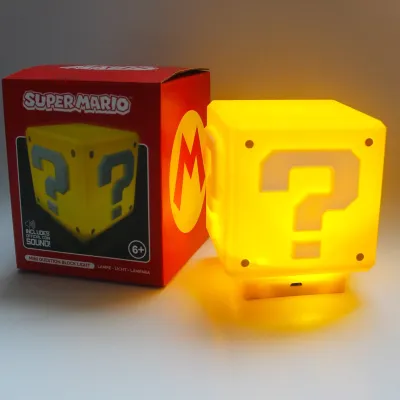
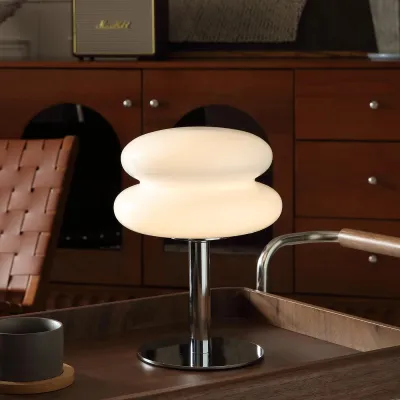
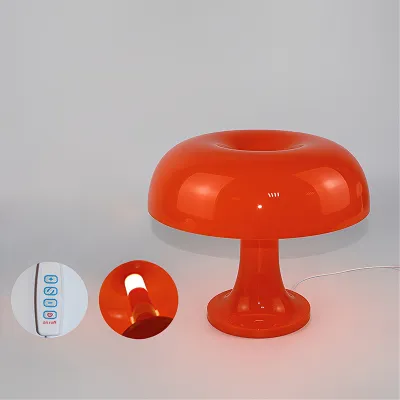
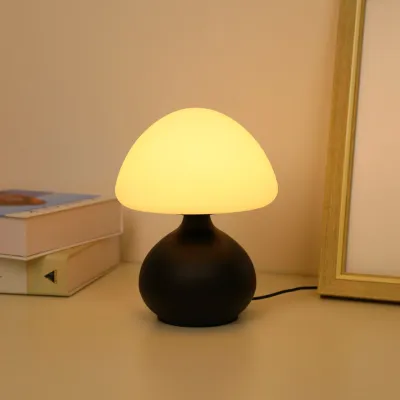
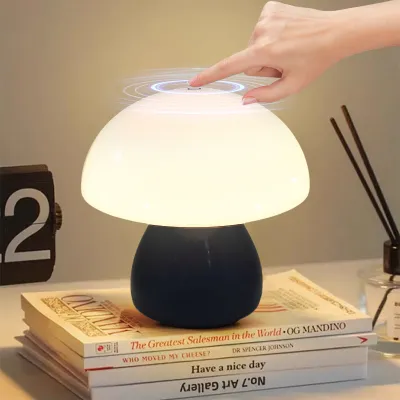
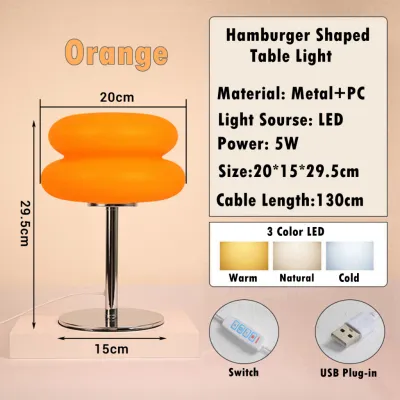
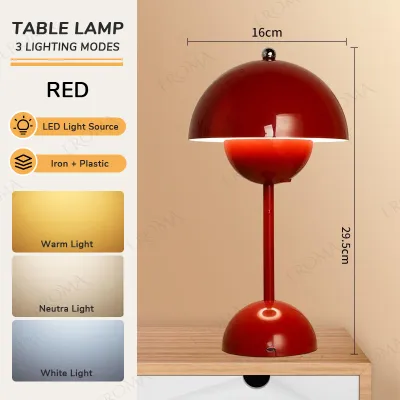
Prices are valid at publication and may change. Please refer to the product page for the latest price.
In contrast, a living room mushroom lamp functions largely as a decorative accent or mood lighting. It is rarely the sole light source in the room, instead working alongside ceiling fixtures, floor lamps, and natural light. In a communal area, the lamp acts as a visual anchor on a side table, console, or shelving unit. Its job is to add warmth to corners, highlight specific furniture pieces, and contribute to the overall layers of light in the living space.
These differing goals dictate whether you need adjustable brightness or a fixed decorative output. A bedside lamp benefits immensely from dimming capabilities, allowing you to transition from a brighter reading level to a soft, minimal glow. For the living room, while dimming is still a valuable feature, you might prioritize a lamp with a wider shade that casts a broader pool of light to illuminate a larger seating area.
Consider also the visual weight of the lamp in each setting. A bedside lamp should feel light and unobtrusive, blending quietly into your personal sanctuary. A living room lamp can afford to be bolder, heavier, and more sculptural. It should draw the eye and spark conversation, serving as a design statement even when the bulb is turned off.
Sizing and Proportions for Nightstands and Consoles
Scale and proportion are critical to ensuring your mushroom lamp looks intentional rather than accidental. Bedside tables are typically crowded with essentials like phones, glasses, books, and water carafes. A lamp with an oversized base or an excessively wide dome shade will quickly clutter a small nightstand surface, leaving little room for daily items.

To prevent glare when you are resting, pay close attention to the height of the lamp relative to your eye level. When you are sitting or lying in bed, the bottom of the lamp shade should ideally align with your eye level. If the lamp is too tall, the exposed bulb underneath the dome will shine directly into your eyes, causing discomfort. For most standard bedside tables, a lamp height of 30 to 40 centimeters is sufficient to keep the light source shielded while providing adequate downward illumination.
Living room surfaces, such as media consoles, credenzas, or deep side tables, offer more physical space and demand larger proportions. A tiny bedside-sized lamp will look lost and insignificant next to a large sofa or a wide television screen. For these communal areas, look for mushroom lamps that stand 45 centimeters or taller, with a wider dome diameter to balance the surrounding furniture.
Base footprint is another practical dimension to verify. A slender, column-style base with a flared dome works exceptionally well for tight bedside spaces because it preserves valuable surface area. For living room consoles, a chunky, sculptural base made of ceramic or heavy metal provides the necessary physical and visual weight to anchor the decor on a long, flat surface.
Brightness, Bulb Types, and Light Quality
Achieving the right light quality requires selecting the correct bulb and understanding how the lamp shade material interacts with light. For bedside reading, a light output of 200 to 400 lumens is generally comfortable, providing enough clarity for text without overstimulating your eyes. In the living room, where the lamp may need to fill a dark corner or wash a wall with light, a higher output of 400 to 800 lumens is often more appropriate.
Color temperature plays a massive role in setting the mood of your home. Warm white light, ranging from 2700K to 3000K, is highly recommended for both bedrooms and living areas. This range mimics the soft, golden glow of sunset, promoting relaxation and making spaces feel instantly cozier. Avoid cool white or daylight bulbs (4000K to 6500K) in these fixtures, as they can create a clinical, sterile atmosphere that interferes with evening wind-down routines.
When purchasing a mushroom lamp, check the bulb compatibility and interface. Many modern designs feature integrated LED modules, while others use traditional screw-in bases like E14 or E27. If the lamp has an integrated LED, verify whether the brightness is adjustable and if the color temperature is fixed or selectable. For lamps with replaceable sockets, ensure you choose a compatible dimmable LED bulb if you plan to use a dimming switch.
Be aware of how the shade design affects light distribution. An opaque metal or ceramic shade directs all light downward in a defined pool, which is excellent for focused bedside reading or highlighting a specific spot on a console. A translucent glass or acrylic shade, however, glows entirely, diffusing soft light in all directions to provide a more generalized ambient warmth throughout the room.
Matching Materials and Styles to Your Room Decor
Your choice of material directly influences both the aesthetic style and the durability of the lamp. Glass mushroom lamps, particularly those inspired by mid-century Italian designs, offer a timeless, organic look. A fully glass lamp glows from top to bottom, creating a soft, ethereal presence that works beautifully in minimalist, retro, or bohemian bedrooms.
Metal mushroom lamps, featuring matte, brushed, or polished finishes, deliver a sleeker, more architectural vibe. A brass, chrome, or matte black metal lamp adds a touch of modern sophistication to a living room console or a contemporary study. In tropical environments with high humidity, such as the Philippines, ensure any metal finishes are treated for corrosion resistance to maintain their clean appearance over time.
Resin and acrylic options are lightweight, highly durable, and often come in vibrant colors. These materials are excellent for injecting a playful, retro-pop aesthetic into a space. They are also highly practical for households with active pets or young children, as they are far less fragile than delicate hand-blown glass shades.
When coordinating colors, look at the existing palette of your room. A neutral white, beige, or amber glass lamp integrates seamlessly into almost any decor style, offering subtle warmth. If your living room features neutral tones, a bold orange, green, or glossy black mushroom lamp can serve as a striking accent piece that ties together other colorful textiles, artwork, or plants in the space.
Practical Features and Safety Checks Before You Buy
Before finalizing your purchase, verify the electrical specifications to ensure safe and reliable operation. In the Philippines, the standard household electrical supply is 220V at 60Hz. Always check the product description or safety label to confirm that the lamp’s rated voltage and frequency match these local standards. Using a lamp designed solely for 110V without a proper transformer can damage the fixture and pose a serious fire hazard.
Switch placement is a crucial usability factor, especially for bedside lamps. An inline rocker switch located far down the power cord can be incredibly frustrating to locate in the dark. For bedside convenience, look for lamps featuring a base-mounted switch, a touch-sensitive base, or compatibility with smart bulbs that you can control via your phone or a voice assistant. For living room lamps, an inline cord switch is usually perfectly acceptable since the lamp is typically turned on once for the evening.
Stability is another key safety consideration. A top-heavy mushroom lamp with a narrow base can easily tip over if bumped. This is particularly risky on a bedside table where you might reach out blindly in the dark, or on a living room side table located in a high-traffic pathway. Opt for lamps with a weighted base or a low center of gravity to prevent accidental falls.
Finally, consider heat emission. While LED bulbs run relatively cool, some older or cheaper fixtures may still use halogen or incandescent bulbs that generate significant heat under the enclosed dome shade. Ensure there is adequate ventilation within the shade design, and keep the lamp away from highly flammable materials like sheer curtains, bedding, or delicate paper decorations.
Frequently Asked Questions (FAQ)
Can I use the same mushroom lamp for both my bedside table and living room?
Yes, you can use the same lamp design in both spaces, provided it features a versatile size and adjustable brightness. A medium-sized, neutral-colored glass mushroom lamp can easily transition from a soft bedside nightlight to a warm living room accent. However, you may have to compromise on scale. A lamp large enough to stand out in a spacious living room might overwhelm a compact nightstand, while a tiny bedside lamp might get lost visually on a large console table.
How do I clean and maintain a glass or resin mushroom lamp?
Always unplug the lamp from the wall outlet before cleaning to isolate the power and prevent electrical hazards. For glass shades, use a soft, dry microfiber cloth to remove dust, or a slightly damp cloth with mild soapy water for stubborn smudges, ensuring no moisture enters the socket or switch. For resin or acrylic lamps, avoid harsh chemical cleaners or alcohol-based solvents, as these can cloud or scratch the plastic surface; a simple dry dusting is usually sufficient to maintain its glossy finish.
Community discussion
Share your experience or ask a question. Comments are reviewed before publication.