
Choosing the perfect parol for your home depends on where you plan to hang it, your local weather conditions, and your existing interior design. While traditional capiz shell designs offer a classic, warm glow that evokes nostalgic holiday memories, modern acrylic and LED-based alternatives provide excellent weather resistance for outdoor displays. By balancing aesthetic preferences with practical installation and maintenance requirements, you can find a stunning lantern that safely brightens your space throughout the festive season.
Finding the right balance requires evaluating your home’s physical layout, understanding how different materials react to the tropical climate, and verifying key electrical specifications. Investing in high-quality parol christmas lanterns not only elevates your holiday decor but also ensures a safe, energy-efficient setup that can be enjoyed year after year.
Evaluate Your Space and Installation Constraints
Before purchasing a parol, assess the physical environment where it will hang. A lantern that is too large can overwhelm a room, while a tiny parol may get lost on a spacious outdoor facade. Measure the height of your ceiling or entryway. For standard indoor ceilings of 2.4 to 2.7 meters, a parol with a diameter of 60 to 80 centimeters fits comfortably without obstructing movement. For double-height foyers or wide outdoor facades, larger models spanning 1 to 1.5 meters create a striking, proportional focal point.
Products mentioned in this guide
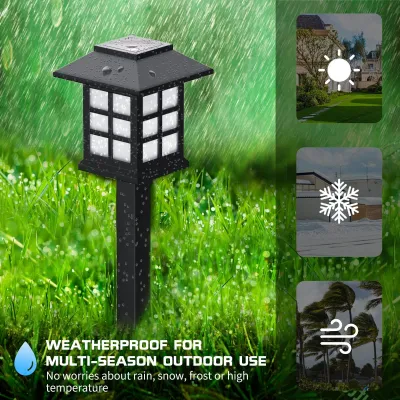

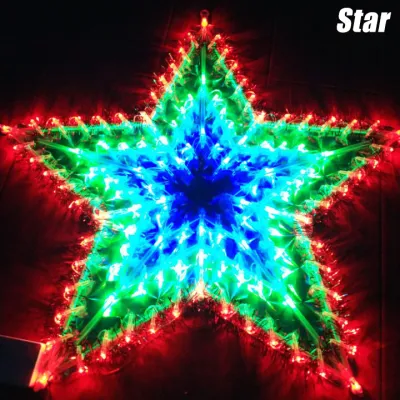
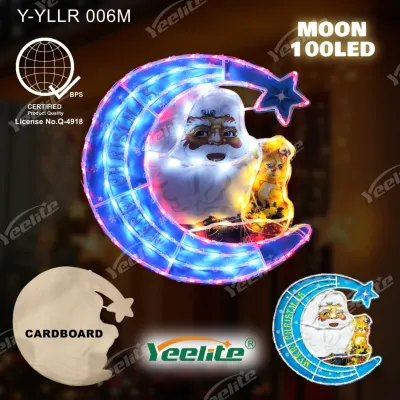
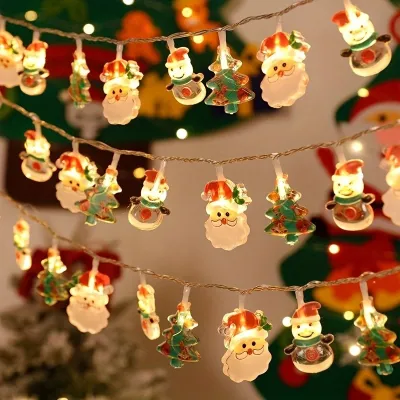
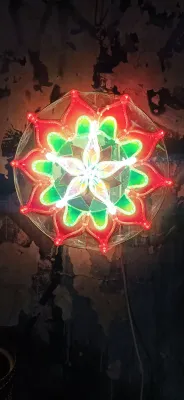
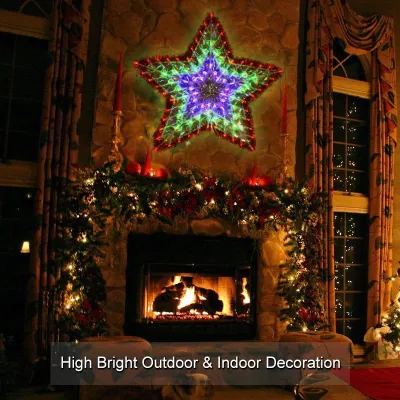

Prices are valid at publication and may change. Please refer to the product page for the latest price.
Outdoor installations in the Philippines must withstand intense tropical sun, high humidity, strong winds, and sudden heavy downpours. An outdoor parol requires robust weatherproofing and secure mounting hardware to prevent it from being dislodged. Indoor parols, while shielded from wind and rain, must still be positioned away from high-traffic zones, open windows where rain might blow in, or areas where active children or pets could accidentally bump into them.
Locating and managing your power source is another critical step. Hanging a lantern high on a facade or in the center of a window often means dealing with visible, dangling power cords. Plan your cable routing carefully, using insulated cable clips to secure cords along window frames or walls. If an outlet is not nearby, use outdoor-rated extension cords with waterproof connection covers. For hard-to-reach areas, battery-operated parols or smart-plug integration can simplify your setup, allowing you to automate on-and-off schedules without climbing a ladder daily.
To help narrow down your options before you begin shopping, use this quick diagnostic checklist to identify your primary installation zone:
- Hanging Location: Will the parol hang in an indoor living space, a covered veranda, an open balcony, or a fully exposed outdoor wall?
- Mounting Surface: Is the ceiling, wall, or window frame strong enough to support the weight of the lantern, especially during windy conditions?
- Power Access: Is there a safe, dry electrical outlet within reach of the parol's cord, or will you need an extension cord or battery power?
- Environmental Exposure: Will the lantern be subjected to direct sunlight, blowing rain, or high ambient humidity?
Match Materials to Your Climate and Maintenance Preferences
The material of your parol determines not only its visual appeal but also its durability and maintenance needs in a tropical climate. Traditional capiz shells, harvested from the windowpane oyster, are renowned for their elegant, pearlescent light diffusion. These shells are carefully cleaned, cut, and framed with brass or lead solder to create intricate, glowing patterns. However, capiz is naturally fragile and highly susceptible to cracking under physical impact or strong winds. To preserve its beauty, limit capiz parols to indoor windows, enclosed foyers, or deeply recessed, covered outdoor porches where they are fully shielded from wind and rain.

For a more rustic, organic aesthetic, bamboo and rattan parols offer structural durability and a warm, hand-woven appeal. These natural fibers complement contemporary tropical and bohemian home styles beautifully. However, natural organic materials are highly sensitive to moisture. In high-humidity environments, bamboo and rattan can attract mold or mildew. To maintain these lanterns, place them in dry, well-ventilated areas, and perform regular maintenance by dusting them with a dry microfiber cloth.
Paper and fabric parols are highly vibrant, lightweight, and budget-friendly, making them excellent choices for temporary indoor festive displays. They are available in a wide array of colors and intricate cutout patterns that cast beautiful shadows. However, these materials are highly delicate and must be kept strictly away from damp environments, as moisture will cause paper to sag or tear. Furthermore, paper and fabric are highly flammable; they must never be placed near heat sources, open flames, or high-wattage incandescent bulbs.
If you are looking for a low-maintenance, highly durable option for outdoor exposure, modern parols made from acrylic, plastic, and flexible LED or neon strips are outstanding choices. These synthetic materials are engineered to resist water penetration, UV fading, and physical impacts. Acrylic housings protect internal electronics from moisture, while flexible LED neon strips offer bright, high-contrast illumination that remains highly visible even from a distance. These modern lanterns require very little upkeep beyond an occasional wipe-down with a damp cloth to remove accumulated dust.
When choosing between these options, weigh your willingness to perform seasonal maintenance against the material’s natural resilience. If you enjoy the ritual of carefully hanging, taking down, and preserving heritage crafts, traditional capiz or bamboo will bring immense character to your home. If you prefer a highly durable, “set-and-forget” setup that can withstand the unpredictable outdoor weather for months at a time, modern synthetic and LED-based designs are the most practical investment.
Align the Design and Light Color with Your Decor
Selecting a parol that complements your home’s architectural style and interior design ensures a cohesive holiday look. The classic five-point star silhouette, often adorned with ornamental tails or intricate internal starbursts, is a timeless symbol that fits seamlessly into traditional, rustic, or transitional Filipino homes. For contemporary, minimalist, or industrial spaces, consider modern geometric patterns, abstract starburst designs, or sleek circular frames. These stylized designs preserve the festive spirit of the holiday while maintaining the clean lines and uncluttered aesthetic of modern architecture.
The color temperature of the lights inside your parol plays a major role in establishing the mood of your space. Warm white lighting (typically 2700K to 3000K) emits a soft, golden glow that fosters a cozy, nostalgic, and deeply welcoming atmosphere. This temperature is ideal for living rooms, dining areas, and traditional front porches. On the other hand, cool white (5000K to 6500K) or vibrant RGB color-changing lights offer high-contrast, energetic displays. These cooler and multi-colored tones are excellent for modern facades, balconies, or street-facing windows where you want the design to pop and catch the eyes of passersby from a distance.
How the light interacts with the parol’s structure also affects the surrounding environment. Opaque or semi-opaque framing materials, such as thick wood, metal, or dark plastics, block direct light and cast dramatic, artistic shadows onto nearby walls and ceilings, adding depth and texture to a dark room. Conversely, highly translucent materials like capiz shells or frosted acrylic diffuse light evenly in all directions. This diffusion minimizes harsh glare, making the lantern comfortable to look at directly and providing a soft, ambient glow that gently illuminates the entire room.
Finally, decide whether your parol will serve as the primary focal point of your holiday decorations or as a subtle background accent. A large, multi-colored parol with complex dancing light patterns demands attention and works best when hung in a central, prominent location, such as a main front window or above a fireplace mantle. If you prefer a more understated holiday display, you can use smaller, single-color parols as elegant accents. Spacing several identical, warm-white lanterns across a row of windows or along a veranda railing creates a balanced, sophisticated look without overwhelming the senses.
Check Electrical Safety and Lighting Specifications
Ensuring your parol meets safety standards is paramount, especially when operating lighting fixtures for extended hours during the holiday season. Always verify that the parol is compatible with the standard Philippine voltage of 220V at 60Hz and features a plug type that fits securely into your home’s outlets without the need for loose adapters. Look for products that carry legitimate safety certifications, such as the Philippine Standard (PS) mark or the Import Commodity Clearance (ICC) sticker, which verify that the electrical components have undergone rigorous safety testing.
When evaluating the internal lighting system, compare integrated LED designs with replaceable bulb setups. Integrated LEDs are highly energy-efficient, run cool to the touch, and have an exceptionally long operational lifespan, which significantly reduces fire risks. However, if an integrated light strip fails, repairing the unit can be difficult. Parols with replaceable bulb sockets (such as standard E14 or E27 screw bases) allow you to easily swap out dead bulbs. If you choose a replaceable setup, always verify the maximum wattage limit specified by the manufacturer and never install bulbs that exceed this limit, as doing so can cause overheating and melt the surrounding frame.
For any parol intended for outdoor or semi-outdoor use, checking the Ingress Protection (IP) rating is a critical safety step. An IP rating indicates how well the fixture’s enclosure protects its internal electrical parts from dust and moisture. A rating of IP44 is the bare minimum required for covered outdoor areas like porches or verandas, offering protection against splashing water. For fully exposed outdoor installations on gates, fences, or exterior walls, look for an IP65 rating or higher, which ensures the lantern is completely dust-tight and protected against heavy rain.
Safe cord management is essential to prevent electrical hazards and physical tripping accidents. Never daisy-chain multiple extension cords together or overload a single household wall outlet with too many high-draw appliances and holiday lights. Secure all outdoor wiring with insulated, weather-resistant clips, and keep connections elevated off the ground to prevent contact with pooling water. If your installation involves complex fixed wiring, mounting the lantern at a significant height, or handling heavy suspended loads, always isolate the power at the main circuit breaker first, carefully follow the manufacturer’s instructions, or hire a qualified professional to ensure a safe and secure setup.
Frequently Asked Questions (FAQ)
Can I leave a capiz or paper parol outside during heavy rain?
No, you should never leave a capiz or paper parol exposed to heavy rain or strong winds. Capiz shells are fragile and can easily crack or shatter under physical stress, while their metal frames are prone to rusting when wet. Paper and fabric parols will quickly absorb moisture, causing them to sag, tear, or disintegrate completely. To protect these delicate, traditional materials, keep them strictly indoors or within fully enclosed, weatherproofed spaces.
How should I store my parol after the Christmas season to prevent damage?
To extend the lifespan of your parol, start by gently wiping away any accumulated dust with a dry microfiber cloth. Carefully wrap the entire lantern in acid-free tissue paper or bubble wrap to protect delicate shells, frames, or electronic parts from scratches. Store the parol flat inside a sturdy, rigid cardboard box to prevent it from being crushed. Keep the box in a cool, dry, and well-ventilated storage area to protect it from high humidity and moisture during the off-season.
Do LED parol lanterns consume a lot of electricity if left on all night?
No, modern LED parol lanterns are exceptionally energy-efficient and consume very little electricity, typically ranging from 5 to 30 watts depending on their size and complexity. Leaving an LED parol on overnight will have a negligible impact on your monthly electricity bill, especially when compared to older, high-wattage incandescent models. However, to optimize energy consumption and prolong the lifespan of the LEDs, it is always a good practice to check the manufacturer’s wattage rating and use a smart plug or mechanical timer to turn the lantern off during daylight hours.
Community discussion
Share your experience or ask a question. Comments are reviewed before publication.