
Selecting the perfect rattan tree decorative light requires balancing the physical dimensions of your room with the visual texture of the weave and the warmth of the light output. To make the right choice, you must coordinate the fixture’s height and branch spread with your floor area, choose a weave density that matches your desired shadow patterns, and opt for a light temperature that enhances the natural fibers. In Philippine homes—where tropical warmth, high humidity, and open-plan layouts often dictate interior styling—these organic fixtures bring a soft, natural texture indoors. Whether you are decorating a cozy alcove in a Manila apartment or adding character to a spacious living room in a suburban family home, understanding how to scale and style these lamps ensures they serve as stunning focal points rather than awkward spatial obstacles.
Assessing Your Room Space and Layout Before Buying
Before browsing online marketplaces or local home decor boutiques, map out the exact physical boundaries of the intended space. Measure the floor footprint where the base will rest. Rattan tree decorative lights often feature weighted bases requiring a flat surface, but splaying branches can extend far beyond this footprint; measure both floor and horizontal clearance at various heights to ensure branches do not crowd nearby furniture.
Ceiling height also dictates how well the tree structure integrates. Standard residential ceilings in the Philippines often range from 2.4 to 2.7 meters. A decorative tree standing too close to the ceiling can make a room feel vertically compressed; leave at least 30 to 50 centimeters of breathing room between the topmost branch and the ceiling to maintain a balanced visual flow.
Products mentioned in this guide
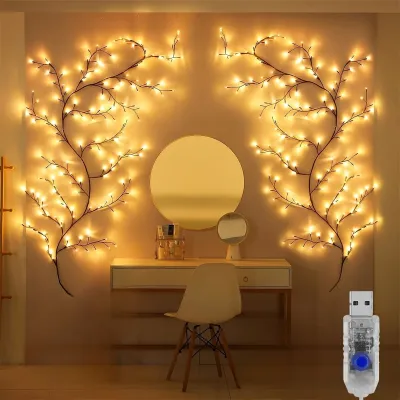
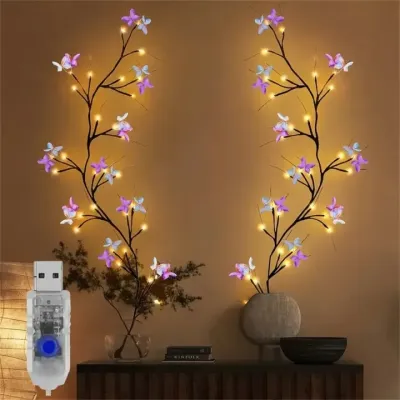
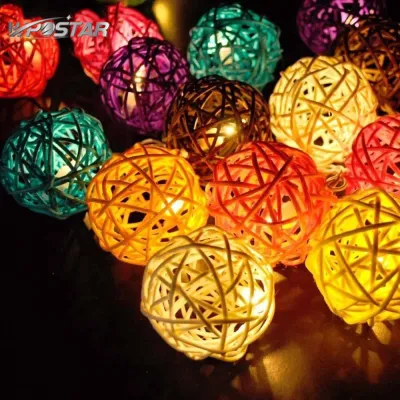
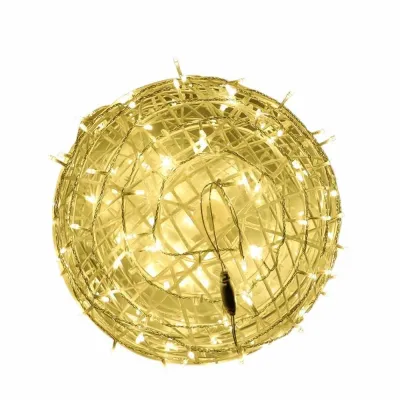

Prices are valid at publication and may change. Please refer to the product page for the latest price.
Power accessibility is another critical logistical detail. Identify the nearest wall outlet and measure the distance to your proposed lamp placement. Because these fixtures often come with standard cords of 1.5 to 2 meters, placing the lamp too far can force you to stretch the cord across walkways, creating tripping hazards or requiring unsafe extension cords.
Finally, analyze natural traffic patterns and architectural features. Ensure splaying branches do not obstruct walkways, block doors, or interfere with cabinets. In high-traffic zones like hallways or active family rooms, a protruding branch can easily be bumped, destabilizing the lamp or damaging the delicate hand-woven rattan fibers.
Matching Rattan Tree Light Dimensions to Your Room Size
Evaluating Height and Branch Spread
Selecting the right size balances physical dimensions with visual weight. The horizontal spread of the branches determines how much visual volume the lamp occupies. A wide canopy commands attention and works beautifully in open spaces, but in a smaller room, a broad branch spread can quickly overwhelm other design elements, making the space feel cluttered.

Coordinate the height of the rattan tree light with surrounding furniture. If you place the lamp next to a low-profile sofa, the lowest branches should clear the sofa back to prevent visual crowding, while the overall height should stand tall enough to anchor the corner. Ideally, the lamp should rise above adjacent furniture to establish a clear vertical hierarchy.
If you find it difficult to visualize how a specific model will fit, use painter’s tape or temporary cardboard mockups to outline the base footprint and maximum branch width on your floor and walls. This simple, non-destructive step allows you to physically walk around the simulated fixture, giving you a realistic sense of spatial flow before purchasing.
Sizing Proportions for Different Room Types
Different areas of the home demand distinct physical proportions to maintain spatial balance.
- Bedrooms and Reading Nooks: For intimate, low-traffic spaces, prioritize compact, narrower profiles. A rattan tree light with a height of 1.2 to 1.5 meters and a slender branch spread fits snugly into corners or beside a bed without overwhelming the cozy atmosphere, providing gentle, localized ambient light.
- Living Rooms and Open Areas: Larger communal spaces easily accommodate taller, more dramatic designs ranging from 1.8 to 2.2 meters. These expansive fixtures function as secondary statement pieces or ambient anchors, filling empty corners and casting a warm, inviting glow across a wider radius to balance high ceilings.
- Entryways and Hallways: Transition zones require a highly disciplined approach to scale. Select slim, vertically oriented designs with minimal branch splay to ensure passage remains clear. A tall, narrow rattan column or a tree with tightly swept branches ensures guests can move freely without brushing against the fixture.
Selecting the Right Weave Style and Color Temperature
Rattan Weave Density and Frame Aesthetics
The density of the rattan weave directly influences the quality of light emitted and the room’s overall aesthetic. Open-weave designs feature wider gaps between woven fibers, allowing light to project outward and cast dramatic, patterned shadows across walls and ceilings. This style pairs exceptionally well with bohemian, tropical, or coastal themes, turning the light into an active design element.
Conversely, tight-weave designs feature closely packed fibers that diffuse light softly, containing the illumination and casting a gentle, direct glow. This style offers a cleaner, more understated look that aligns with modern, rustic, or minimalist aesthetics, where subtle texture is preferred over dramatic shadow play.
Consider the finish of the rattan frame, choosing between natural, unpainted fibers and stained or painted finishes. Natural rattan brings an organic warmth that complements neutral color palettes, while dark stains or painted black frames offer a striking contrast. Regardless of style, inspect the structural stability of the branches; larger designs should feature internal wire armatures to prevent sagging over time.
Choosing the Best Light Color Temperature
The color temperature of the bulbs you install is crucial for bringing out the rich, organic textures of the material. To maximize the cozy, welcoming ambiance of the woven fibers, choose warm white bulbs, typically rated between 2700K and 3000K. This warm spectrum enhances the natural golden and brown tones of the rattan, casting a soft glow that promotes relaxation.
While neutral white bulbs (3500K to 4000K) can be used in multi-purpose spaces where you require slightly higher visual clarity, be aware that this cooler light can sometimes clash with the warm, earthy aesthetic of the rattan, making the natural fibers look somewhat flat or washed out. Avoid cool daylight bulbs (5000K or higher) entirely, as they create a sterile contrast.
Before purchasing bulbs, always verify the fixture’s socket type—most commonly E26 or E27 in the Philippines—and check the manufacturer’s maximum wattage limits. Because natural rattan is organic and flammable, sticking strictly to low-wattage LED bulbs is essential; LEDs generate minimal heat compared to traditional incandescent bulbs, ensuring your decorative light remains safe to operate.
Placement, Safety, and Electrical Considerations
Operating electrical fixtures safely requires careful attention to the installation environment and product specifications. Because natural rattan is highly sensitive to moisture, avoid placing these lights in high-humidity zones such as bathrooms, open-air patios, or laundry areas unless the product is explicitly certified with an appropriate Ingress Protection (IP) rating for damp or wet locations. In the tropical climate of the Philippines, excess ambient moisture can quickly cause untreated natural fibers to warp, weaken, or develop mold.
Fire prevention is a paramount concern when dealing with decorative lighting wrapped in natural materials. Always consult the manufacturer’s product label to verify the maximum allowed wattage for each socket, and never install a bulb that exceeds this rating. Utilizing energy-efficient LED bulbs is highly recommended, as they remain cool to the touch and significantly reduce the risk of heat buildup against the dry rattan fibers.
Proper cord management is essential for keeping your living space safe and tidy. Secure the power cord along baseboards using non-damaging adhesive clips, keeping it completely flat and out of the path of children or household pets who might pull on the wire and tip the lamp over. If you must run a cord near a walkway, use a heavy-duty rubber cord protector to eliminate trip hazards.
If your chosen rattan tree decorative light is a wall-mounted or ceiling-suspended model that requires fixed wiring rather than a simple plug-in cord, safety must be your top priority. Always isolate the power at the main circuit breaker before beginning any electrical work. Because fixed electrical installations involve working with live domestic currents (typically 220V at 60Hz in the Philippines), you must hire a qualified professional or certified electrician to handle the wiring and ensure compliance with local electrical safety regulations.
Common Sizing and Styling Mistakes to Avoid
One of the most frequent mistakes is purchasing an expansive rattan tree light with a wide branch spread for a narrow corner or tight alcove. When forced into a restricted space, the delicate branches are pressed against the walls, bending the internal armatures and potentially snapping the hand-woven rattan fibers. This not only ruins the organic silhouette of the lamp but also creates friction that can scratch your wall paint.
Another common pitfall is failing to measure the distance to the nearest outlet before purchasing, which often results in unsafe daisy-chaining of multiple extension cords or cheap adapters. This practice can overload your wall outlets and presents a significant electrical hazard in residential spaces. Always position the lamp within direct reach of a dedicated outlet, or have a professional install a new outlet if necessary.
Choosing the wrong light bulb color temperature can instantly ruin the aesthetic value of your investment. Installing cool daylight bulbs (5000K and above) makes the warm, organic rattan material look cold, sterile, and artificial. Stick to warm white LEDs to preserve the cozy, inviting glow that makes rattan decor so appealing.
Lastly, avoid placing your natural rattan tree light in a spot that receives direct, intense sunlight throughout the day. Prolonged exposure to harsh UV rays can dry out the natural plant fibers, causing them to become brittle, crack, and fade prematurely. To extend the lifespan of your fixture, place it in a shaded corner or use sheer curtains to filter the incoming sunlight.
Frequently Asked Questions (FAQ)
Can I use smart bulbs in a rattan tree decorative light?
Yes, you can use smart bulbs in a rattan tree decorative light, provided they match the fixture’s socket type (typically E26 or E27) and do not exceed the maximum wattage rating specified by the manufacturer. Because many rattan lamps feature multiple sockets or tight, intricate weaves, you must check the physical dimensions of the smart bulb to ensure it fits comfortably inside the woven shade without touching the rattan. Additionally, the lamp’s physical power switch must remain turned on for the smart bulb’s wireless features to function properly.
How do I safely clean dust from rattan light fixtures?
To safely maintain your rattan light fixture, perform regular, low-risk dusting using a soft-bristled brush attachment on a vacuum cleaner or a dry microfiber cloth. Avoid using wet cloths, liquid cleaners, or harsh chemical sprays, as excess moisture can easily penetrate the porous natural rattan fibers, causing them to warp, swell, or develop mold—especially in humid tropical climates. Always ensure the lamp is completely unplugged and the bulbs are cool to the touch before attempting any cleaning or maintenance.
Community discussion
Share your experience or ask a question. Comments are reviewed before publication.