
Selecting the ideal Santa Claus statue for your home involves more than finding an appealing design. The right choice depends on matching the statue’s physical format, material composition, and structural stability to the specific environmental conditions of your chosen display area. Whether you plan to place a miniature figure on a narrow living room mantel, position a life-sized standing Santa in a high-traffic entryway, or set up a weather-resistant display on an open porch, verifying the space’s dimensions, structural capacity, and exposure to environmental elements is essential. By aligning the statue’s specifications with your home’s layout, you can create a safe, visually balanced, and long-lasting holiday display.
Assessing Your Display Space and Environment
Before browsing online marketplaces or local home decor boutiques, take precise measurements of your intended display area. Use a reliable measuring tape to record the maximum height, width, and depth available. For tabletop and shelf displays, measuring the depth is particularly critical, as a statue that overhangs a ledge is highly susceptible to being bumped and damaged. Remember to account for clearance around the statue so it does not interfere with nearby functional items, such as light switches, electrical outlets, window latches, or wall-mounted artwork.
Environmental factors play a significant role in determining which materials will endure the holiday season. In tropical climates, indoor spaces can experience high humidity, especially if air conditioning is used selectively. Direct sunlight streaming through large glass windows can cause rapid fading of painted surfaces and degradation of certain plastics or fabrics. If you plan to place your statue near a window, look for UV-resistant finishes or select materials less prone to sun damage, such as treated wood or high-quality ceramics.
Products mentioned in this guide
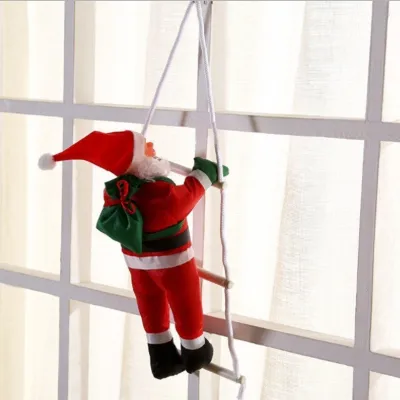
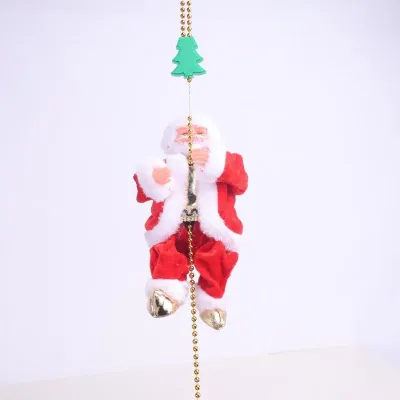
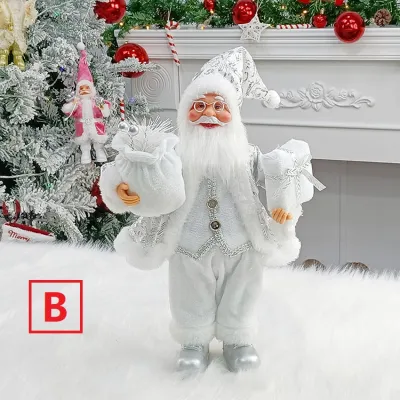
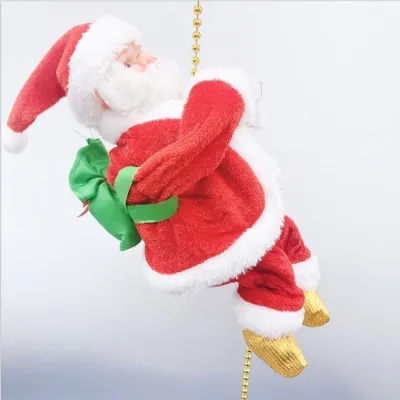
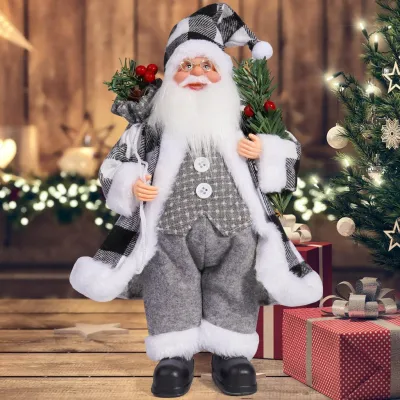
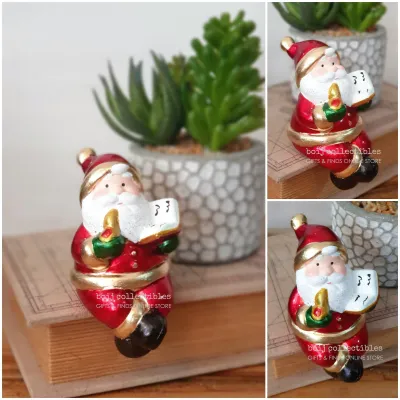
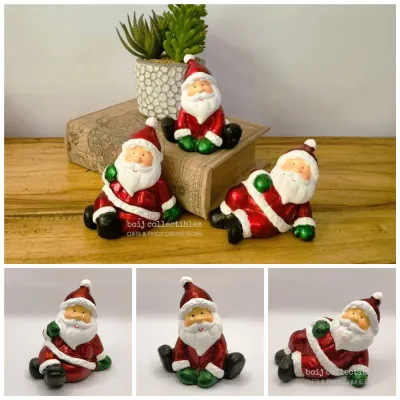
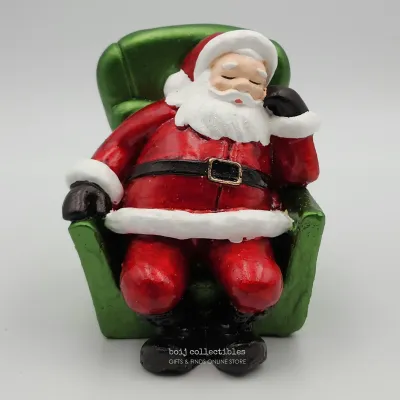
Prices are valid at publication and may change. Please refer to the product page for the latest price.
Foot traffic is another vital consideration when evaluating your display space. High-traffic zones like entryways, hallways, and living room centers require statues that can withstand accidental bumps. If your household includes active children, curious pets, or frequent holiday guests, avoid placing delicate, easily shattered glass or ceramic figurines on low tables or floor-level spots. Instead, opt for shatter-resistant materials, low-profile designs, or secure the statue in a protected corner where the risk of physical impact is minimized.
Matching Santa Statue Formats to Specific Locations
Different display areas demand specific structural formats to ensure both aesthetic harmony and physical safety. Selecting the correct format prevents structural damage to your furniture and minimizes safety hazards in your living spaces.

Tabletop and Shelf Displays (Mantels, Entryway Consoles)
Elevated surfaces such as fireplace mantels, floating shelves, and entryway console tables are excellent spots for smaller, highly detailed Santa Claus statues. However, these surfaces have strict physical limitations that you must respect. Always check the manufacturer’s specified weight limit for your shelves or tables before placing a heavy resin or stone-composite statue. Floating shelves, in particular, can sag or pull away from the wall if overloaded, posing a serious hazard to your household and your decor.
Stability is paramount for elevated displays. Ensure the statue features a flat, broad, and stable base that resists tipping if the furniture is accidentally jarred. If the statue has an uneven bottom, consider using adhesive museum gel or non-slip felt pads to secure it to the surface. Felt pads also serve the dual purpose of protecting polished wood, glass, or lacquer finishes from scratches and scuffs caused by rough ceramic or resin bases.
Visual proportion is just as important as physical stability. A statue that is too large can overwhelm a narrow mantel, blocking sightlines to wall-mounted televisions or artwork. Conversely, a tiny figurine on a massive console table can look lost and insignificant. Aim for a balanced composition where the height of the Santa statue complements surrounding decorative elements, such as garlands, candles, or framed photos, without crowding the space or obstructing daily household activities.
Freestanding and Floor-Level Statues (Corners, Foyers, Beside Trees)
Large, freestanding Santa Claus statues make a bold festive statement in spacious areas like foyers, empty corners, or positioned right next to the Christmas tree. Because these statues occupy floor space, you must carefully plan their placement to maintain safe and comfortable traffic flow. Ensure there is adequate clearance for nearby doors to swing fully open without striking the statue, and verify that walkways remain wide enough for family members and guests to pass through without having to squeeze by.
Floor-level displays are highly accessible to children and pets, making stability a primary safety concern. Look for freestanding statues that feature weighted bases or low centers of gravity to prevent them from being easily knocked over. If a statue is tall but lightweight, it can act as a sail if placed near an open window or under a strong ceiling fan draft, leading to sudden falls.
To mitigate tipping risks, consider implementing strategic placement strategies. Position the statue in a corner where two walls provide natural structural support, or place it behind a decorative barrier such as a heavy planter or the sturdy lower branches of your Christmas tree. For exceptionally tall or top-heavy floor statues, look for manufacturer-provided anchoring options, or use discreet nylon tethers secured to a nearby wall stud to guarantee the figure remains upright throughout the festive season.
Wall-Mounted and Hanging Options (Limited Floor Space, Vertical Displays)
When floor and tabletop space is limited, wall-mounted or hanging Santa Claus statues offer an excellent way to introduce holiday cheer without cluttering your living areas. These vertical displays are particularly popular in compact apartments, condominiums, or narrow hallways. However, hanging a heavy decorative object requires careful preparation and adherence to structural safety guidelines to prevent damage to your walls and the statue itself.
Before mounting any statue, verify the composition of your wall. Concrete, brick, drywall, and wood paneling all require different types of fasteners and installation techniques. For concrete or masonry walls, which are common in many homes, you will need to use a hammer drill, masonry drill bits, and appropriate plastic wall plugs paired with heavy-duty screws. If you are mounting on drywall, locate a wall stud using a stud finder, or use load-rated toggle bolts or hollow-wall anchors that are certified to support the specific weight of your statue.
Always check the manufacturer’s mounting hardware specifications and follow the provided installation instructions precisely. Never rely on simple adhesive hooks or lightweight nails for heavy resin, wood, or metal wall statues, as temperature and humidity fluctuations can cause adhesives to fail unexpectedly. If the statue features integrated lighting, plan the routing of the electrical cord carefully to avoid creating a pulling hazard, and ensure the cord does not drape across high-traffic walkways where it could be snagged.
Outdoor-Rated Statues (Porches, Yards, Pathways)
Placing a Santa Claus statue on your front porch, yard, or along a garden pathway creates a welcoming festive atmosphere for visitors and passersby. However, the outdoor environment presents harsh conditions that can quickly ruin a statue not designed to withstand them. Before placing any decorative figure outside, confirm that the manufacturer has explicitly labeled the item for outdoor use. Indoor-rated statues lack the necessary protective coatings and structural sealing, leading to rapid deterioration when exposed to the elements.
Outdoor displays must contend with unpredictable weather, including intense tropical sunlight, heavy downpours, and strong winds. UV radiation can cause vibrant red suits to fade to a dull pink within weeks, while moisture can seep into unsealed seams, causing materials like plaster, untreated wood, or cheap plastics to crack, warp, or rot. Look for outdoor-rated statues constructed from UV-stabilized plastics, heavy-duty fiberglass, or treated metals that are designed to resist moisture absorption and sun damage.
Securing your outdoor Santa statue against wind is critical to prevent it from becoming a safety hazard or being damaged. Check the product manual for recommended anchoring methods, which may include built-in tie-down loops, ground stakes, or hollow bases designed to be filled with dry sand or water. For statues placed on hard concrete porches where stakes cannot be used, utilize heavy decorative base weights or non-abrasive nylon tethers anchored to porch railings. During severe weather warnings or typhoons, always move outdoor statues to a fully sheltered indoor area.
Evaluating Materials and Design Styles
The materials used to construct a Santa Claus statue dictate its durability, maintenance requirements, and suitability for different environments. Common materials include resin, fiberglass, blow-molded plastic, ceramic, wood, and fabric-clad wireframes. Resin and fiberglass are highly popular for their ability to hold intricate details and vibrant colors, making them excellent for realistic indoor or outdoor displays. However, they can be brittle and may crack if dropped on hard tiled floors, so they require careful handling.
Blow-molded plastic is lightweight, highly durable, and often used for classic, illuminated outdoor statues. While highly weather-resistant, plastic statues can be top-heavy and require secure anchoring to prevent them from blowing away. Ceramic and porcelain offer a classic, polished look ideal for formal indoor displays, but their extreme fragility means they must be kept far out of reach of children and pets. Fabric-clad statues, which feature detailed clothing made of velvet, wool, or synthetic fibers, add a warm, traditional texture to indoor spaces but should never be placed outdoors where moisture can cause mold, mildew, and fabric rot.
When selecting a design style, treat your aesthetic preferences as conditional choices that should harmonize with your existing holiday decor. Whether you prefer a traditional jolly Santa in a bright red suit, a rustic woodland Santa in earth tones, a modern minimalist silhouette, or a culturally localized design, ensure the style complements the surrounding room. Always rely strictly on the manufacturer’s product specifications and care labels rather than making assumptions about a material’s inherent weatherproofing or durability based on its appearance.
Safety, Installation, and Maintenance Checks
Safe enjoyment of your holiday decor relies on proper installation and regular maintenance. Before assembling or positioning your Santa Claus statue, thoroughly review the manufacturer’s assembly and installation instructions. If the statue includes integrated electrical components, such as LED lights, moving parts, or music players, verify that the voltage matches your home’s electrical system (typically 220V). Check for official electrical safety certifications on the product label or packaging to ensure the wiring meets local safety standards.
For lighted statues, inspect the power cord and plug for any signs of damage, fraying, or exposed wires before plugging them in. Avoid overloading electrical outlets or extension cords, and ensure all outdoor electrical connections are plugged into weather-resistant, GFCI-protected outlets with appropriate drip loops to prevent water from running down the cord into the socket. If your display involves fixed wiring, damp outdoor areas, working at heights, or suspended loads, prioritize safety by isolating the power source during installation and consulting a qualified professional if the setup exceeds standard DIY limits.
Proper cleaning and storage are essential to preserve the appearance and structural integrity of your statue for future holiday seasons. Follow the specific cleaning directions provided on the product label, which usually recommend wiping the surface with a soft, damp cloth and avoiding harsh chemical cleaners that could strip the paint or protective coatings. Before packing the statue away, ensure it is completely dry to prevent mold and mildew growth. Store the statue in a sturdy, airtight plastic container in a cool, dry place, away from direct heat and pests, to ensure it remains in pristine condition for years to come.
Frequently Asked Questions (FAQ)
Can I leave an indoor resin Santa statue outside during the holidays?
No, you should not leave an indoor-rated resin Santa statue outside. Indoor resin statues are not formulated to withstand outdoor environmental stressors such as direct UV exposure, heavy rain, and temperature fluctuations. Without a specialized UV-resistant and moisture-sealed protective coating, the paint on an indoor statue will quickly fade, peel, or discolor under the sun. Furthermore, moisture can seep into microscopic pores in the resin, causing the material to crack or degrade when exposed to outdoor humidity and temperature shifts. Always check the manufacturer’s product label or specifications for an explicit outdoor-use certification before placing any decorative statue in an exterior environment.
How do I secure a tall Santa statue on a porch against strong winds?
To secure a tall Santa Claus statue on a porch, start by reviewing the product manual for manufacturer-recommended anchoring methods. Many tall statues feature hollow bases that can be filled with dry sand or water to lower their center of gravity and increase stability. If the statue has built-in tie-down loops, you can secure it using non-abrasive nylon tethers attached to sturdy porch railings or heavy-duty eye hooks screwed into wall studs. For displays on concrete surfaces where ground stakes are not an option, placing heavy decorative sandbags or weighted planters around the base of the statue can provide excellent wind resistance. Always move the statue to a secure, indoor location during severe weather warnings.
Community discussion
Share your experience or ask a question. Comments are reviewed before publication.