
Finding the right mirror with stand whole body setup for a small bedroom requires balancing functional reflection with physical floor space. To see your entire figure, a mirror does not need to match your height; instead, a reflective panel measuring at least 120 centimeters tall and 30 to 40 centimeters wide generally suffices for most adults. In a compact room, selecting a stand with a shallow footprint—ideally under 35 centimeters in depth—enures you can check your outfit comfortably without sacrificing valuable walking paths.
Determining the Ideal Dimensions for Your Room
To determine the ideal dimensions, start with the height of the tallest person using the mirror. A basic optical rule states that a flat mirror must be at least half the height of the viewer to show a complete head-to-toe reflection. For an individual who is 170 centimeters tall, a mirror panel of at least 85 centimeters is the absolute physical minimum, though a height of 120 to 150 centimeters provides a much more comfortable viewing angle without requiring you to stand excessively far back.
Width is equally critical when managing limited square footage. A standard width of 30 to 40 centimeters is highly efficient for single-user bedrooms, offering a complete view of your silhouette while keeping the frame’s visual weight minimal. If the bedroom is shared, you might consider a slightly wider option of 45 to 50 centimeters, but keep in mind that every additional centimeter of width increases the physical footprint and the visual dominance of the piece.
Products mentioned in this guide
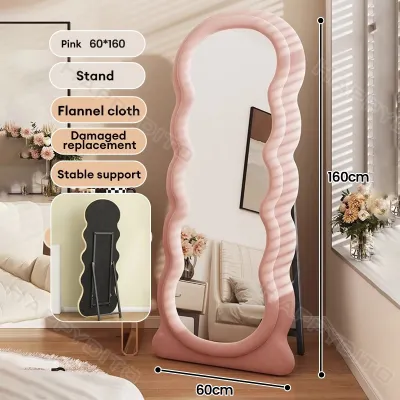
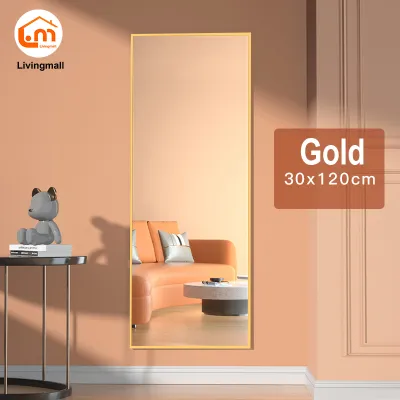
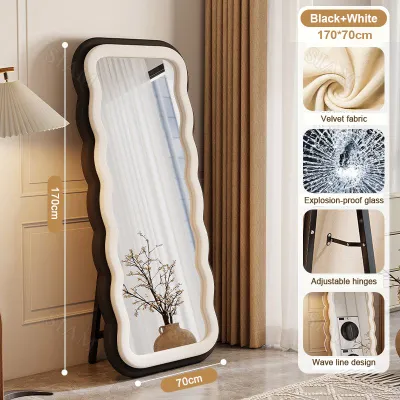
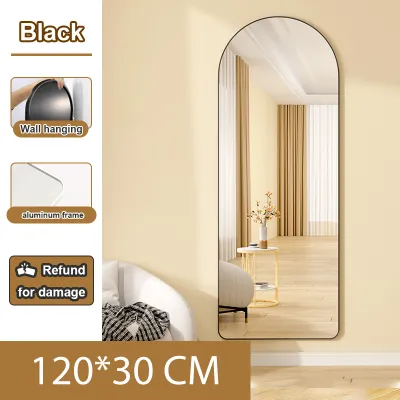
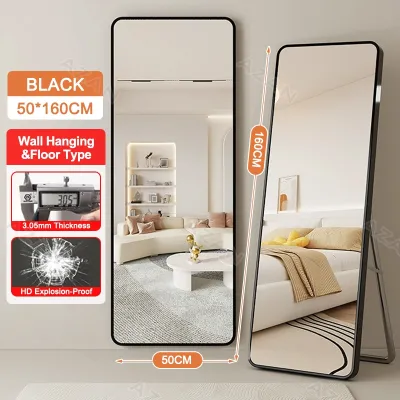

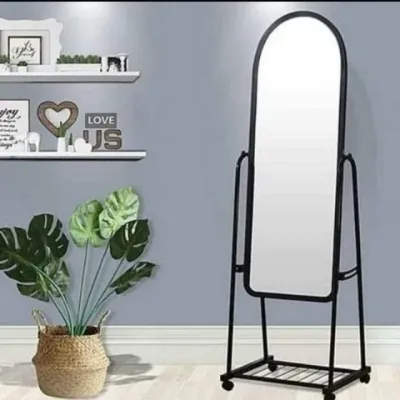

Prices are valid at publication and may change. Please refer to the product page for the latest price.
Before purchasing, always check the manufacturer’s detailed specification sheet rather than relying solely on the overall product dimensions. The frame itself can add 5 to 10 centimeters of non-reflective border around the glass, which increases the bulk without expanding your viewing area. Prioritize designs that maximize the actual reflective surface relative to the total outer dimensions of the frame.
Measuring Clearances and Floor Footprint
In a compact bedroom, floor space is at a premium, making it essential to measure both the mirror panel and the stand’s base footprint. Freestanding mirrors typically rely on an easel-style back leg, a U-shaped metal base, or a flat platform. An easel or A-frame stand often requires a depth of 30 to 45 centimeters when fully extended to remain stable, which can quickly crowd a narrow walkway.

To prevent daily frustration, map out the exact spot where the stand will rest and check all nearby clearances. Ensure the mirror does not obstruct the swing path of wardrobe doors, bedroom entryways, or cabinet drawers. If you have sliding closet doors, leave at least 50 centimeters of clearance in front of the mirror so you can stand back and view your reflection without bumping into other furniture.
Adjustable stands that allow you to tilt the mirror angle require extra caution. Tilting the mirror backward changes the depth of the footprint and projects the top of the frame outward, potentially interfering with wall-mounted shelves or light fixtures. Measure the maximum tilt angle specified by the manufacturer to ensure the frame does not collide with the wall or nearby items when adjusted.
Placement Strategies to Enhance the Sense of Space
Strategic placement can alter how you perceive a small bedroom, though the actual spatial effect depends heavily on your room’s layout and light sources. Positioning the mirror with stand whole body unit adjacent to or opposite a window is an effective way to bounce natural light deeper into the room. In tropical climates like the Philippines, where bright daylight is abundant, this placement can make a dim corner feel significantly more open and airy.
However, avoid placing the mirror directly facing your bed. Many people find that seeing a reflection immediately upon waking or catching movement in the dark disrupts their sleep environment. Additionally, position the mirror so it reflects an orderly area of the room; pointing it directly at an open closet or a storage rack will only double the visual clutter, making the bedroom feel more cramped than it actually is.
Utilizing unused corners or structural alcoves is often the most efficient layout strategy. Tucking the stand into a corner preserves the central floor area and keeps the mirror out of primary walking paths. This placement also allows you to utilize diagonal sightlines, which naturally maximize the distance you can stand from the glass to get a full-body view.
Frame and Stand Styles for Compact Bedrooms
The design of the frame and stand plays a major role in how heavy the mirror looks in a small space. Slim metal frames, minimalist wooden borders, or completely frameless designs are excellent choices because they reduce visual bulk. A thin, matte black or light wood frame complements most modern decors without drawing too much attention to the boundaries of the mirror.
Stability must be your primary safety consideration when evaluating stand styles. Look for stands with weighted bases or non-slip rubber feet, especially if your bedroom has polished tiled or smooth wooden flooring. If the mirror features built-in LED lighting, always verify the electrical certification, voltage compatibility, and wattage limits to ensure safe operation in your home’s outlets.
For mirrors with integrated lighting, ensure the power cord can reach an outlet safely without stretching across walkways, which creates a tripping hazard. If you choose a model that requires fixed electrical wiring or wall-anchoring for extra stability, always follow the manufacturer’s installation instructions carefully. For complex electrical connections or heavy mounting tasks, consulting a qualified professional is the safest approach.
Common Sizing and Placement Mistakes to Avoid
One of the most common mistakes is choosing a mirror that is too wide for the designated wall or floor area. A wide frame can overwhelm a small room, making the surrounding furniture look disproportionately small and creating a cramped atmosphere. Stick to the recommended 30 to 40-centimeter width range to maintain balanced proportions.
Another frequent error is ignoring the depth of the stand’s base in high-traffic zones. Placing a lightweight, easily tipped easel stand right next to a doorway or a narrow path between the bed and the wall invites accidental bumps. In busy households, this can lead to tipping hazards and broken glass.
Finally, do not overlook the environmental conditions of your room. In highly humid environments, wooden frames without proper sealing can warp over time, and low-quality mirror backings may develop dark spots from moisture. Opt for moisture-resistant backings and durable frame materials to ensure your mirror remains clear and structurally sound.
Frequently Asked Questions (FAQ)
How much floor space does a typical standing mirror require?
A typical freestanding mirror with an easel or A-frame stand requires a floor footprint of approximately 30 to 45 centimeters in depth and 35 to 55 centimeters in width. The exact space needed depends on the base design; flat, weighted metal bases generally take up less depth than folding wooden easel legs. Always consult the manufacturer’s specification sheet to verify the precise base dimensions before planning your room layout.
Is it better to lean a whole body mirror or use its stand in a small room?
Leaning a mirror directly against the wall saves valuable floor depth compared to using a freestanding easel stand, making it a popular choice for tight spaces. However, leaning mirrors must be properly secured with wall anchors to prevent slipping, which requires following strict installation instructions. Using the included stand provides greater flexibility, allowing you to easily move the mirror for cleaning, redecorating, or adjusting the angle without drilling into your walls.

Community discussion
Share your experience or ask a question. Comments are reviewed before publication.