
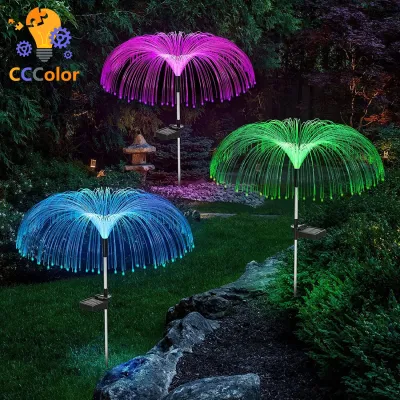
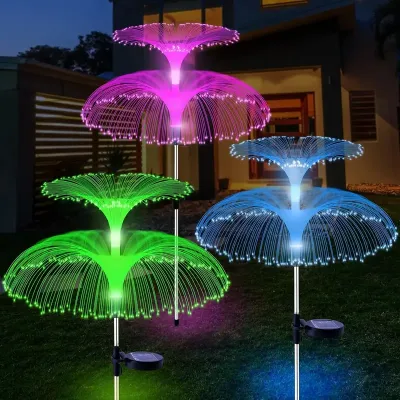
Solar jellyfish lights have become a highly sought-after decorative addition to gardens across the Philippines, offering a whimsical, fluid aesthetic that mimics the gentle movement of marine life. These outdoor ornaments feature delicate fiber-optic strands that fan out from a central light source, swaying gently in the evening breeze. Because they rely entirely on solar energy, they provide an eco-friendly way to illuminate pathways, flowerbeds, and lawns without increasing your household electricity bill. However, finding the right set for your outdoor space requires looking beyond attractive product photos to evaluate how these delicate structures will perform under local tropical conditions.
To secure the best solar jellyfish lights for your garden, you must prioritize weather resistance, battery capacity, and solar panel efficiency. The intense heat, high humidity, and heavy rainfall characteristic of the Philippine climate can quickly degrade low-quality outdoor lighting. By focusing on robust build materials and verifying technical specifications, you can select decorative lights that not only look stunning but also withstand the elements season after season.
Key Specifications to Evaluate Before Buying
When shopping for solar jellyfish lights, the technical specifications listed on the packaging or product page serve as your first line of defense against poor performance. The visual effect of these lights relies on how effectively light travels through the fiber-optic strands. A high-quality fixture typically utilizes a bright, central light-emitting diode (LED) positioned at the base of the fiber bundle. When evaluating light output, look for products that specify their LED count and lumen output. While decorative accent lights do not need to match the high lumens of security floodlights, they should still emit enough light to make the fiber-optic tentacles glow vividly from a distance.
Products mentioned in this guide
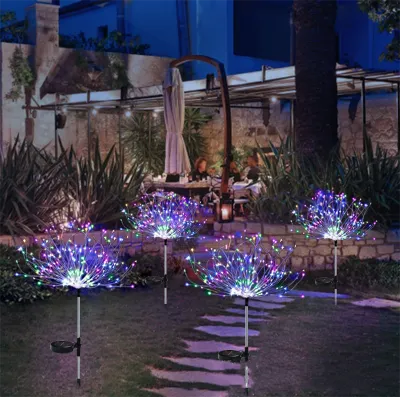
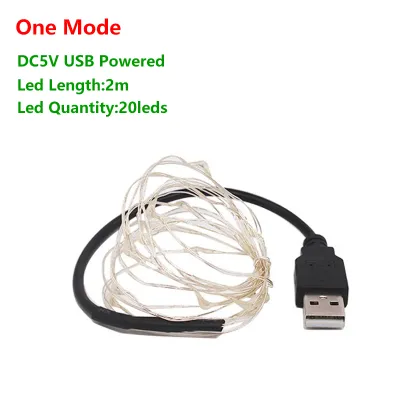
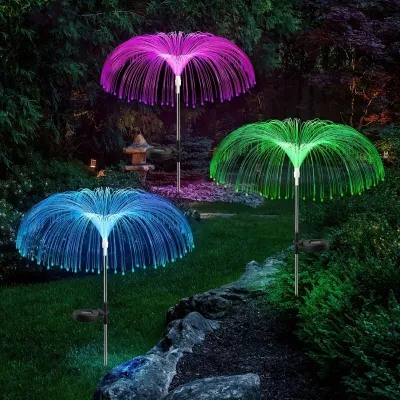
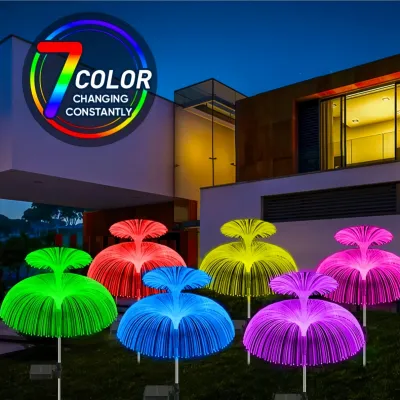
Prices are valid at publication and may change. Please refer to the product page for the latest price.
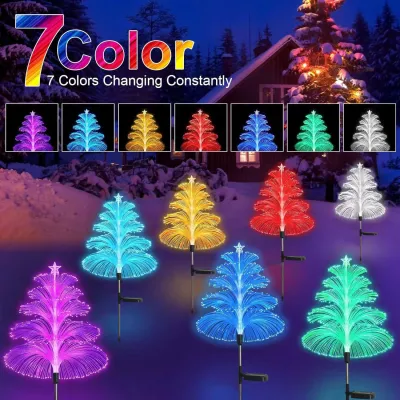
Color temperature and lighting modes are equally important for setting the desired mood in your garden. Many solar jellyfish lights offer color-changing RGB (Red, Green, Blue) modes that transition smoothly through a spectrum of hues, creating a dynamic, festive atmosphere. If you prefer a more serene or classic look, seek out models that offer static warm white (around 2700K to 3000K) or cool white (around 5000K to 6000K) options. These aesthetic choices are matters of personal preference rather than indicators of superior performance, allowing you to tailor the spatial effect to your specific landscape design.
Given the tropical climate of the Philippines, weather resistance is a non-negotiable specification. You must verify the Ingress Protection (IP) rating of the light fixture, particularly the solar panel and battery housing. An IP65 rating is the recommended minimum for outdoor garden lights, indicating that the unit is dust-tight and protected against water jets from any direction. Avoid products with lower ratings, such as IP44, which may only survive light splashes and are highly susceptible to water ingress during heavy monsoon downpours. Additionally, check that the ground stakes are made of rust-proof materials like stainless steel or heavy-duty ABS plastic, and that the jellyfish tentacles are crafted from UV-resistant polymethyl methacrylate (PMMA) fiber optics to prevent yellowing and brittleness under intense sunlight.
The solar panel and battery configuration directly determine how long your lights will stay illuminated after sunset. Look for fixtures equipped with monocrystalline solar panels, which offer higher energy conversion efficiency than polycrystalline alternatives, especially in partial shade or overcast conditions. The battery capacity, measured in milliampere-hours (mAh), should ideally range between 600mAh and 1200mAh. A larger battery capacity allows the light to store more energy during the day, ensuring it can run for eight to ten hours at night. Ensure the battery chemistry is specified; rechargeable Nickel-Metal Hydride (Ni-MH) or Lithium-ion (Li-ion) batteries are standard, with Li-ion generally offering longer lifespans and better performance under high-temperature conditions.
When reviewing product specifications, verify the operating voltage, battery interface, wattage limits, physical dimensions, and any electrical certifications (such as CE or RoHS) to ensure the lights are safe for your specific installation environment. A product category name alone does not guarantee compatibility or safety, so checking these details on the label is essential before making a purchase.
Garden Placement and Installation Checks
Proper placement is critical to maximizing both the visual appeal and the operational efficiency of your solar jellyfish lights. Because these fixtures rely on solar energy, the integrated solar panel must receive direct, unobstructed sunlight for at least six to eight hours daily. In Philippine gardens, dense tropical foliage from banana plants, palms, or ornamental shrubs can easily cast shadows over the panels as the sun moves across the sky. Walk through your garden during midday to identify open areas that receive maximum sun exposure, keeping in mind that even partial shade from a single overhanging leaf can drastically reduce the charging rate of the solar cell.

While the solar panel requires direct sunlight, the decorative fiber-optic portion of the light can often be positioned to drape over low-lying plants or hang from lower branches, provided the connecting wire is long enough or the panel is adjustable. If you are using ground-stake models, assess the soil conditions before installation. During the dry season, clay-heavy soils can bake hard, making it difficult to insert the stakes without bending or breaking them. To prevent damage, moisten the soil thoroughly before pushing the stakes into the ground. For coastal areas with sandy soil, ensure the stakes are driven deep enough to remain stable during sudden gusts of wind.
If you select hanging solar jellyfish lights, safety and structural support must be carefully evaluated. Check the weight of the fixture and ensure that the branches, pergolas, or hanging hooks you plan to use can easily support the load. Avoid hanging fixtures from weak, dry branches that might snap during a sudden storm. For fixed overhead installations, always follow the manufacturer’s instructions regarding mounting heights and weight limits. If your installation requires routing wires or mounting panels at significant heights, prioritize safety by using a stable ladder and, if necessary, consulting a qualified professional to ensure the structures are secure.
Achieving a visually balanced layout requires careful planning of the spacing between each light. Placing solar jellyfish lights too close together can result in overlapping glare, which diminishes the delicate, individual “swimming” effect of the fiber-optic strands. Conversely, spacing them too far apart can make the arrangement look sparse and disconnected. A good rule of thumb is to space ground-stake lights approximately 1.5 to 2.5 meters apart along pathways or within flowerbeds. This distance allows each light to stand out as an individual focal point while still contributing to a cohesive, flowing design that guides the eye through your landscape.
Building Your Shortlist from Retailers
Navigating online marketplaces and local home improvement stores requires a critical eye to separate high-quality solar jellyfish lights from cheap, short-lived imitations. When browsing product listings, look past the stylized marketing images and focus entirely on the detailed product labels and technical specifications. Reliable manufacturers will clearly state the exact dimensions of the fiber-optic dome, the height of the stake, the IP rating, and the battery type. If a listing uses vague terms like “waterproof” without providing an official IP rating, or fails to specify the battery capacity, treat it as a red flag and look for alternative options.
Customer reviews and feedback are invaluable tools when building your shortlist, but they must be analyzed carefully. Focus on verified purchase reviews that include photos or videos taken after several weeks or months of use. Many initial five-star reviews are written immediately after unboxing, which tells you very little about the product’s long-term durability. Look for feedback from buyers in tropical regions who specifically mention how the lights perform during heavy rain, whether the battery holds a charge after months of exposure, and if the fiber-optic strands have maintained their flexibility and clarity without yellowing.
Setting a realistic budget is essential for finding a product that offers genuine value. In the local market, solar jellyfish lights are available across a wide price spectrum. Extremely cheap options, often priced under ₱150 per unit, typically compromise on material quality, utilizing thin plastic stakes, low-capacity batteries, and poor weather sealing that allows moisture to seep into the electronics within a few weeks. Investing in mid-range options, generally priced between ₱300 and ₱800 per unit or sold in multi-packs, usually secures better build quality, including monocrystalline panels, higher IP ratings, and sturdier ground stakes.
Before finalizing your purchase, verify the warranty and return policies offered by the seller or manufacturer. Because solar lights are exposed to harsh outdoor conditions, having a clear return window or a limited warranty against manufacturing defects provides peace of mind. Check if the seller offers responsive customer service and clear instructions on how to handle potential issues. A reputable seller will stand behind their product’s weatherproofing claims and provide straightforward guidance on returns or replacements if a unit fails prematurely due to water ingress.
Routine Maintenance and Troubleshooting
To keep your solar jellyfish lights glowing brightly and to extend their overall lifespan, establishing a simple routine maintenance schedule is highly recommended. The most common cause of declining performance is a dirty solar panel. Over time, dust, pollen, bird droppings, and dried rain spots accumulate on the surface of the panel, blocking sunlight and reducing charging efficiency. Every two to four weeks, gently wipe the solar panel with a soft, damp microfiber cloth. Avoid using abrasive scrubbing pads or harsh chemical cleaners, which can scratch the protective cover of the panel and permanently degrade its ability to absorb light.
Monitoring the health of the rechargeable battery is another crucial aspect of long-term maintenance. If you notice that your lights only stay illuminated for an hour or two after a full day of sunshine, the battery is likely reaching the end of its usable life. Most mid-range solar jellyfish lights feature a battery compartment secured by small screws. Check your product manual to see if the battery is user-replaceable. If it is, you can easily swap out the old battery for a new rechargeable Ni-MH or Li-ion battery of the same voltage and capacity. Always ensure the battery compartment seal is properly aligned and tightened during reassembly to maintain water resistance.
The tropical climate of the Philippines brings seasonal weather extremes that require proactive care. During the typhoon season, which brings intense winds and torrential rains, it is wise to temporarily remove your solar jellyfish lights from the garden and store them indoors. While high-quality lights are designed to handle standard rain, the extreme wind speeds of a typhoon can tear the delicate fiber-optic strands or dislodge the stakes, leading to physical damage. Before storing them, ensure the lights are completely dry, turn the power switch to the “off” position, and keep them in a cool, dry place until the weather clears.
If a light stops working entirely, perform a systematic troubleshooting check before discarding it. First, cover the solar panel completely with your hand or a piece of cardboard to simulate darkness; if the light turns on, the sensor is working correctly. Next, check the physical power switch, which is usually located on the underside of the solar panel housing, to ensure it hasn’t been accidentally turned off. Inspect the wiring for any visible signs of damage or corrosion, particularly around the battery terminals. If you detect rust or white powdery deposits on the terminals, gently clean them with a small brush and a mixture of baking soda and water, ensuring the area is completely dry before reinserting the battery.
Frequently Asked Questions (FAQ)
Do solar jellyfish lights work on cloudy or rainy days?
Yes, solar jellyfish lights will still charge on cloudy or rainy days, but their performance will be noticeably reduced. Solar panels rely on light energy, and while diffuse sunlight passing through clouds can still generate electricity, the charging rate is significantly lower than on a clear, sunny day. Consequently, after a heavily overcast day, the battery may not reach full capacity, resulting in a shorter illumination time at night. If the cloudy weather persists for several consecutive days, the lights may only glow dimly or fail to turn on entirely until they receive a full day of direct sunlight to replenish the battery.
Can I leave them outside all year round?
While high-quality solar jellyfish lights with an IP65 or higher rating are designed for continuous outdoor use, leaving them outside year-round in the Philippines comes with caveats. The combination of intense tropical UV rays, high humidity, and heavy seasonal rainfall accelerates the wear and tear on plastic components and electrical seals. To maximize their lifespan, it is highly recommended to bring the lights indoors during severe weather events, such as typhoons or prolonged monsoon weeks. Taking this simple precaution prevents physical damage from flying debris and eliminates the risk of water seeping into the battery compartment during extreme downpours.
Community discussion
Share your experience or ask a question. Comments are reviewed before publication.