
Finding the right solar light outdoor fixture for your property depends entirely on matching the physical characteristics of your yard with your functional lighting goals. Because solar fixtures rely on direct sunlight to charge, a style that works beautifully on an open garden path might fail completely under a covered patio or a dense tree canopy. By evaluating your space’s layout, mounting surfaces, and daily sun exposure, you can select a lantern type—whether a ground stake, hanging fixture, wall-mounted torch, or high-output flood lantern—that delivers reliable illumination throughout the night.
Assessing Your Outdoor Space and Lighting Purpose
Before purchasing any solar light outdoor setup, you must carefully analyze the physical dimensions of your outdoor area and identify where you can realistically mount or place fixtures. Take physical measurements of your walkways, patio boundaries, or fence lines to determine how many individual light sources you will need to achieve balanced coverage without creating dark zones or excessive glare. Look closely at your available mounting structures, noting whether you have soft soil for ground stakes, sturdy wooden or concrete walls for brackets, or overhead beams and branches capable of supporting suspended loads. While budget-friendly options can start as low as ₱300, high-durability models designed to withstand extreme weather may require a larger investment.
Equally important is defining the primary function of the light, as decorative ambient glow requires a completely different fixture design than pathway safety or security illumination. For instance, soft accent lighting focuses on low-lumen output to create a relaxing atmosphere, while security lighting demands high-intensity beams that cover wide angles. Finally, you must track the daily sunlight patterns in your target installation zones, ensuring that the integrated solar panels will receive at least six to eight hours of unshaded, direct sunlight. In tropical regions like the Philippines, seasonal weather shifts, heavy cloud cover during the rainy season, and shadows from roof overhangs or lush foliage can drastically reduce charging efficiency, making careful placement a critical prerequisite.
Products mentioned in this guide
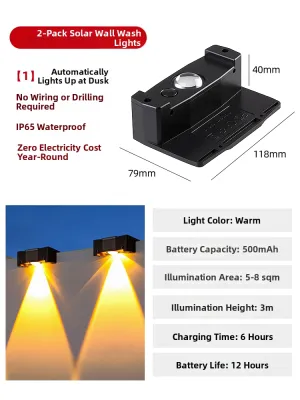
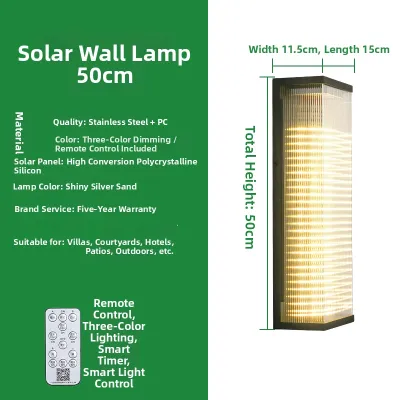
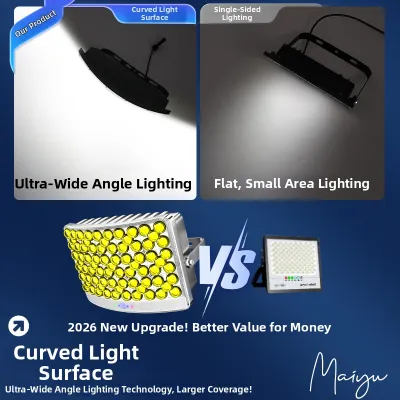
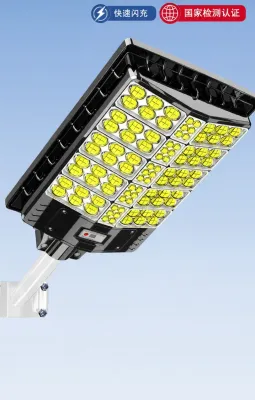
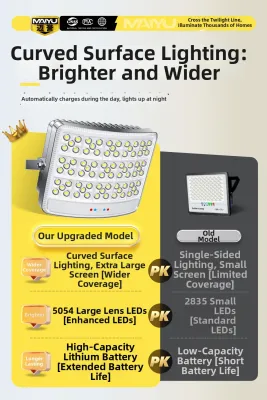
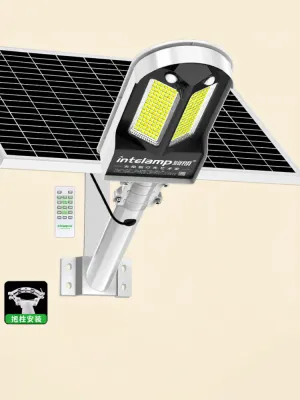
Prices are valid at publication and may change. Please refer to the product page for the latest price.
Using Pathway Stake Lanterns for Walkways and Borders
Pathway stake lanterns are designed specifically for low-level guidance, making them highly suitable for lining driveways, defining garden borders, and marking stepping stones across a lawn. These fixtures sit close to the ground, casting a localized pool of light downward to help residents and guests navigate walkways safely without projecting harsh glare into their eyes. Because they are highly visible elements of your landscaping during the day, their physical design and material finish should complement your overall garden aesthetic.

When planning to install stake lights, you must verify that your soil has sufficient depth and stability to hold the stakes firmly upright over time. In tropical climates, soil conditions can vary dramatically, shifting from hard, compacted earth during dry periods to soft, muddy ground during heavy monsoon rains. Ensure that the installation area is completely clear of low-hanging shrubs, tall grass, or spreading ground cover that could block the integrated solar panels from receiving sunlight. Keep in mind that these low-profile fixtures are intended for localized navigation rather than broad area illumination, so you should space them consistently to create a continuous visual path without expecting them to light up adjacent lawn areas.
Hanging Lanterns for Patios, Pergolas, and Trees
Hanging solar lanterns offer an excellent way to introduce ambient overhead lighting to outdoor dining areas, seating zones, and covered patios. By suspending these fixtures from pergola beams, sturdy tree branches, or dedicated shepherd’s hooks, you can cast a warm, downward glow that mimics the cozy atmosphere of an indoor living room. This style is particularly effective for social spaces where ground-level fixtures might be obstructed by furniture or foot traffic.
However, hanging installations require careful structural and environmental checks to prevent damage or safety hazards. You must verify the weight limits of your hanging hooks, chains, or ropes, ensuring they can withstand sudden wind gusts, which are common during tropical storms and typhoons. Because these fixtures are suspended, their integrated solar panels are often shaded by the very structures or tree canopies holding them; therefore, you must position them where sunlight can still reach the top of the fixture, or select models featuring a detached solar panel that can be mounted in a sunny spot nearby. Additionally, utilize adjustable chains or durable cords to set the lanterns at a height that provides comfortable clearance for people walking underneath while still keeping the light close enough to illuminate tables or seating.
Mounting Wall Torches for Fences and Entryways
Wall-mounted solar torches and sconces provide effective mid-level lighting that enhances both home security and architectural appeal. These fixtures are ideal for flanking main entryways, illuminating dark perimeter fences, and highlighting the texture of exterior stone or brick walls. By mounting lights at eye level or slightly higher, you create a clear boundary marker and improve visibility around doors and gates where keys are handled or visitors are greeted.
Before drilling into any exterior surface, you must verify that your mounting hardware is fully compatible with your wall material, whether it is concrete, hollow block, wood, or vinyl siding. Because wall torches are completely exposed to the elements, check that the product label specifies a high ingress protection (IP) rating, such as IP65, to ensure the internal electronics are protected against heavy tropical downpours and high humidity. You should also consider the fixture’s beam angle; downward-directed beams are excellent for illuminating specific pathways or doorways, while multi-directional or upward-and-downward beams are better suited for accentuating architectural features and casting a wider decorative wash of light.
Deploying Flood Lanterns for Large Yards and Security
When your primary goal is to illuminate expansive open spaces, long driveways, or dark backyard corners for security, high-output solar flood lanterns are the most practical choice. Unlike decorative accent lights, flood lanterns are engineered to project intense, wide-angle beams over large distances, deterring intruders and providing clear visibility across wide lawns or parking areas. These systems often feature separate, high-capacity solar panels and motion sensors to conserve battery power until movement is detected.
To ensure reliable performance, you must check the manufacturer’s specifications regarding battery capacity (typically measured in milliampere-hours or mAh) and solar panel wattage to confirm the system can sustain high-lumen output throughout the night. Look for lithium iron phosphate (LiFePO4) batteries, which tend to handle the high heat of tropical climates better than older battery chemistries. For the best results, mount flood lanterns high on walls, poles, or eaves, and angle the light heads downward; this positioning maximizes the illuminated surface area while preventing the bright LEDs from shining directly into your eyes or neighboring properties.
Installation and Maintenance Checks for Solar Lights
Proper installation and regular maintenance are essential to maximize the lifespan and performance of any solar light outdoor system. Always read the manufacturer’s instructions carefully before mounting to understand the specific clearance requirements, weight limits, and weatherproofing boundaries of your fixtures. If your installation requires working at heights, modifying structural walls, or integrating solar fixtures with existing low-voltage electrical wiring, stop and consult a qualified professional to ensure safety and compliance with local building codes.
Routine maintenance is particularly important in tropical environments where dust, pollen, salt spray, and mold can quickly accumulate on solar panels. Wipe the panels clean with a damp, soft cloth every few weeks to ensure they can absorb the maximum amount of sunlight possible. Over time, rechargeable batteries will naturally degrade and lose their capacity to hold a charge; check the battery compartment annually for signs of corrosion or swelling, and replace old batteries with the exact type and voltage specified by the manufacturer to keep your outdoor lanterns shining brightly.
Frequently Asked Questions (FAQ)
Can solar outdoor lanterns work in shaded areas?
Standard solar lanterns with integrated panels on top of the fixture will not charge effectively if placed in deep shade, under roof overhangs, or beneath thick tree canopies. To use solar lighting in these shaded spots, look for specialized models that feature a detached solar panel connected to the light fixture by a long, weatherproof cable. This design allows you to mount the light exactly where you need it—such as inside a covered patio or under a dense tree—while placing the solar panel several meters away in a spot that receives direct, unshaded sunlight.
How do I know if a solar lantern is bright enough for my needs?
To determine if a solar lantern is bright enough, you should check the lumens rating listed on the product packaging or manufacturer specification sheet rather than relying on vague marketing descriptions. For soft, decorative accent lighting along garden borders or on patio tables, fixtures offering 5 to 50 lumens are generally sufficient. If you require functional lighting for pathway safety, look for lanterns rated between 100 and 200 lumens, while security floodlights typically require 300 to 1,000 lumens or more to illuminate large areas effectively.
Community discussion
Share your experience or ask a question. Comments are reviewed before publication.