
Choosing the right solar parol for your Christmas display involves matching the physical dimensions of your home with the solar charging potential of your specific outdoor environment. Unlike traditional plug-in lanterns, a solar-powered parol relies entirely on daily sunlight exposure to illuminate your nights, making placement and technical specifications just as important as aesthetic appeal. By evaluating your hanging space, checking battery capacities, and verifying weather-resistance ratings, you can select a festive lantern that remains bright and beautiful throughout the holiday season.
Assessing Your Space and Placement Constraints
Before purchasing a solar parol, you must carefully evaluate where you intend to hang or mount the decoration. The unique architecture of Filipino homes—often featuring deep roof eaves, extended awnings, or gated entryways—presents both opportunities and challenges for solar-powered lighting. Start by measuring the vertical clearance and horizontal width of your chosen location, whether it is a prominent front window, a veranda, or a main gate. Ensure that the hanging point allows the parol to swing slightly in the breeze without striking walls, window panes, or structural columns.
Mounting options vary significantly depending on your home’s exterior layout. If you plan to hang the lantern from roof eaves or ceiling beams, verify that you have a secure anchor point that can support a suspended load. For window installations, suction cups or temporary tension rods might suffice for lightweight models, while heavy-duty metal brackets are necessary for gate or fence placements. If you prefer a freestanding yard display, look for parols that come with sturdy ground stakes or integrated mounting poles that can be anchored firmly into the soil.
Products mentioned in this guide
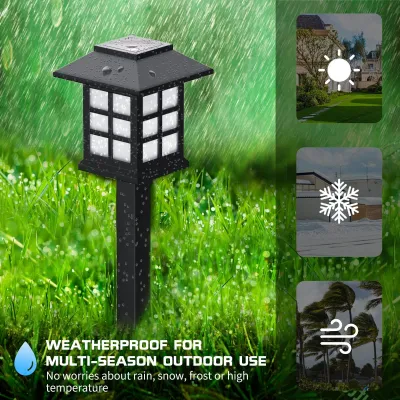
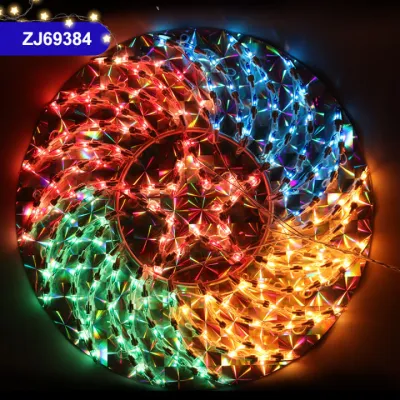
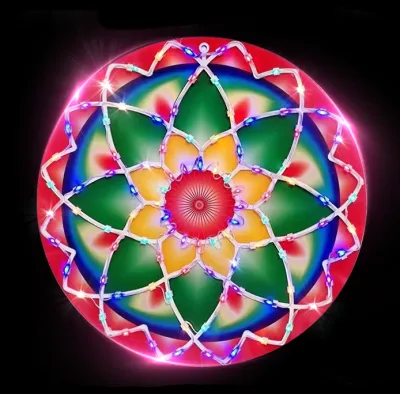
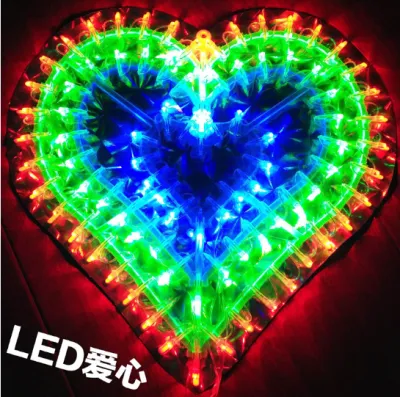
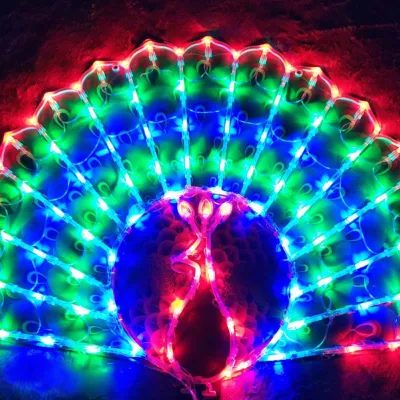
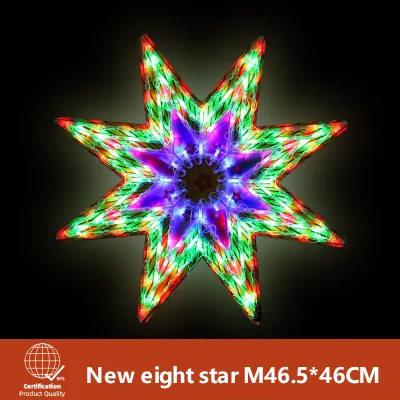
Prices are valid at publication and may change. Please refer to the product page for the latest price.
The most critical factor for any solar-powered decoration is unobstructed access to direct sunlight. Take time to observe your home’s exterior at different hours of the day to identify potential shading from nearby trees, adjacent buildings, or your own roof overhangs. A solar panel shaded for even a few hours during peak sunlight periods will struggle to charge the battery fully, leading to dim lighting or premature shutoffs at night. If your ideal display spot is heavily shaded, look for parol models that feature a detachable solar panel with a long extension cord, allowing you to position the panel in a sunny spot while keeping the lantern in the shade.
Selecting the Right Size and Visual Proportion
Selecting a parol that matches the visual scale of your home ensures a balanced and aesthetically pleasing holiday display. A lantern that is too small will look lost on a large facade, while an oversized parol can overwhelm a compact entryway or block essential natural light when hung in a window. For standard residential windows, a parol diameter of 30 to 50 centimeters generally provides an elegant focal point without obstructing the view. For grander outdoor displays, such as hanging from a second-story balcony or a spacious front porch, diameters of 60 centimeters or larger create a more striking visual impact.

Weight is another crucial consideration that directly affects installation safety. Larger parols, especially those with intricate metal frames or heavy decorative backing, require robust mounting hardware to prevent accidental falls. Before hanging any lantern, check the load-bearing capacity of your hooks, chains, or mounting brackets. If you are working at height to install a large parol on a second-story eave or high ceiling, always prioritize safety by using a stable ladder, securing the work area, and having an assistant nearby to help support the weight during installation.
To create a cohesive look, consider how the parol’s size interacts with your other holiday decorations and architectural features. If you plan to frame your front door with solar string lights or place lighted figures in your garden, choose a parol size that serves as a clear centerpiece without crowding the other elements. A well-proportioned display allows each decorative piece to stand out, creating a harmonious and welcoming atmosphere for neighbors and holiday guests.
Evaluating Brightness and Lighting Effects
The brightness and color temperature of your solar parol play a significant role in setting the festive mood for your home. Modern solar parols utilize energy-efficient light-emitting diodes (LEDs) that come in a variety of color profiles, including warm white, cool white, and vibrant multicolor options. Warm white LEDs offer a classic, cozy glow that mimics traditional incandescent bulbs, making them ideal for classic holiday themes. Cool white LEDs provide a bright, modern, and crisp illumination that stands out clearly from a distance, while multicolor LEDs deliver a playful, dynamic energy ideal for lively family celebrations. Perceived color temperature and lighting effects are ultimately matters of personal preference rather than universal performance standards, so choose the style that best matches your desired holiday atmosphere.
When comparing different models on an online marketplace or at a local retailer, check the product label for lumen output or wattage equivalents to gauge the brightness level. Keep in mind that higher lumen ratings require more battery power, which can shorten the runtime if the solar panel does not receive optimal sunlight during the day. For suburban neighborhoods with moderate street lighting, a moderately bright parol is usually sufficient to stand out, whereas homes in darker, rural areas may benefit from higher-lumen models to ensure the intricate patterns of the parol are clearly visible from the road.
Many solar parols feature adjustable brightness settings or built-in lighting modes that allow you to customize the visual effect. These modes often include steady-on, slow fading, sequential flashing, or rapid chasing patterns that mimic the traditional running lights of classic Filipino parols. Choosing a model with multiple modes gives you the flexibility to change the lighting style to match different occasions, such as a calm, steady glow for quiet weekday evenings and a dynamic flashing pattern for weekend family gatherings.
Checking Solar Panel and Battery Capacity
The reliability of your solar parol throughout the night depends entirely on the quality and capacity of its solar panel and internal battery. Solar panels are generally categorized into monocrystalline and polycrystalline types. Monocrystalline panels are typically more efficient at converting sunlight into electricity, especially in slightly overcast conditions, making them an excellent choice for the variable weather often experienced during the late-year holiday season. Polycrystalline panels are more common and cost-effective, performing exceptionally well under direct, unobstructed tropical sunlight.
Review the manufacturer’s specifications on the product packaging to determine the required daily charging hours and the expected runtime on a full charge. A high-quality solar parol should ideally require around six to eight hours of direct sunlight to achieve a full charge, which should then power the LEDs for eight to twelve hours of continuous nighttime operation. If the product specifications do not list these details, look for the battery capacity rated in milliampere-hours (mAh); a larger capacity generally indicates a longer potential runtime, provided the solar panel is large enough to charge it fully.
Consider the design of the charging mechanism and how it fits your installation environment. Some parols feature an integrated solar panel mounted directly on top of the lantern frame, which simplifies installation but requires the entire parol to be hung in a sunny location. Other models utilize a separate solar panel connected to the lantern by a thin, weatherproof wire. This separate panel design offers greater flexibility, as you can mount the panel on a sunny roofline, fence, or ground stake while hanging the decorative parol in a shaded porch or under a deep entryway eave, helping you save on your ₱-denominated electricity bill during the high-consumption holiday season.
Matching Design Styles to Your Holiday Theme
A solar parol should complement your home’s existing architectural style and overall Christmas decorating theme. Traditional star-shaped parols, often featuring five points and decorative tassels, offer a timeless look that celebrates classic holiday heritage. These traditional designs look beautiful on older, heritage-style homes or rustic residences. For modern or minimalist homes, you might prefer contemporary geometric silhouettes, abstract starburst patterns, or novelty shapes that offer a clean, updated take on the classic lantern.
The materials used in the parol’s construction also influence its visual style and durability. Traditional parols made of delicate capiz shells or paper are beautiful but highly vulnerable to outdoor elements, whereas modern solar versions often utilize weather-resistant plastics, woven synthetic fibers, or powder-coated metal frames. Woven synthetic materials can mimic the natural look of rattan or bamboo, adding a warm, organic texture to your exterior decor. Metal frames with acrylic panels offer a sleek, durable finish that reflects light beautifully both day and night.
To achieve a polished look, coordinate the design and color scheme of your parol with your other seasonal decorations. If your outdoor theme features cool-toned blue and white lights, a cool white or blue-accented parol will tie the look together seamlessly. If your yard is decorated with warm, golden lights and traditional red and green accents, a warm white parol with classic red and green panels will create a unified and festive holiday display that enhances your home’s curb appeal.
Verifying Weather Resistance and Safety Standards
Because outdoor holiday decorations in the tropical climate of the Philippines are exposed to high humidity, intense sun, and sudden rain showers, verifying weather resistance is essential for safety and longevity. When shopping for a solar parol, check the product label for an Ingress Protection (IP) rating. An IP rating of IP44 indicates protection against splashing water from all directions, making it suitable for semi-sheltered outdoor areas like porches. For fully exposed locations like gates, fences, or open yards, look for a higher rating of IP65, which ensures the lantern is completely dust-tight and highly resistant to heavy rain.
Inspect the build quality of the parol before installation, paying close attention to the battery compartment and electrical connections. The battery compartment should feature a tight rubber gasket or seal to prevent moisture from seeping in and causing corrosion or short circuits. Ensure that all hardware, such as screws, hanging loops, and chains, is made of rust-resistant materials like stainless steel or treated aluminum to withstand the humid tropical air.
Safety should always be your top priority during installation. Position the parol away from flammable materials, such as dry foliage, paper decorations, or outdoor cooking areas. Ensure that all wiring is secured neatly along walls or posts using insulated cable clips to prevent tripping hazards or accidental pulling by pets or children. If your installation requires connecting any wiring or mounting heavy fixtures at height, always isolate any nearby electrical power sources and consider consulting a qualified professional to ensure a secure and hazard-free setup.
Frequently Asked Questions (FAQ)
Can I use a solar parol indoors if I place the panel outside?
Yes, you can use a solar parol indoors, provided you choose a model that features a detachable solar panel connected to the lantern by an extension cable. This setup allows you to hang the decorative parol inside your living room, hallway, or front window while routing the cable outdoors to a sunny spot on your balcony, roof, or garden. When routing the cable through a window or wall opening, ensure that the opening is properly sealed or cushioned to prevent damage to the wire and to maintain your home’s weather seal against rain and drafts.
How do I maintain the solar panel to ensure maximum brightness?
To maintain maximum brightness and charging efficiency, you should regularly clean the surface of the solar panel to remove dust, pollen, bird droppings, and windblown debris. A simple wipe-down with a soft, damp microfiber cloth every two weeks is usually sufficient to keep the photovoltaic cells absorbing sunlight effectively. Additionally, check the positioning of the panel periodically throughout the holiday season, as the angle of the sun changes slightly over the weeks, and adjust the panel’s tilt to ensure it continues to receive direct, unobstructed sunlight.
Community discussion
Share your experience or ask a question. Comments are reviewed before publication.