
Choosing the right solar street light for your property depends on matching the fixture’s technical specifications to the physical layout and functional goals of each outdoor zone. Because these self-contained systems rely entirely on solar energy and battery storage, a model that works perfectly for a narrow garden walkway may fail to provide adequate coverage for a wide driveway or secure perimeter. By evaluating factors such as light output, battery capacity, mounting configurations, and weather resistance, you can select an efficient lighting setup tailored to your specific environment.
To make an informed decision, it is essential to look past generic wattage claims and focus instead on measurable performance metrics like lumens, battery chemistry, and physical durability. Different outdoor spaces demand distinct lighting patterns and installation heights. Understanding these variables ensures that your selected fixtures deliver reliable illumination throughout the night, even during challenging tropical weather conditions.
Assessing Your Outdoor Space and Lighting Goals
Before purchasing any outdoor lighting, you must evaluate the physical dimensions of the area you intend to illuminate. Measure the width and length of the space, and identify the available mounting surfaces, such as concrete walls, wooden fences, or dedicated steel poles. A narrow two-meter-wide pathway requires a highly focused downward light pattern, whereas a broad open yard or driveway demands a wide-angle beam to eliminate dark zones and blind spots. Matching the physical footprint of the light to the layout of your space prevents over-illumination and unnecessary energy drain.
Products mentioned in this guide
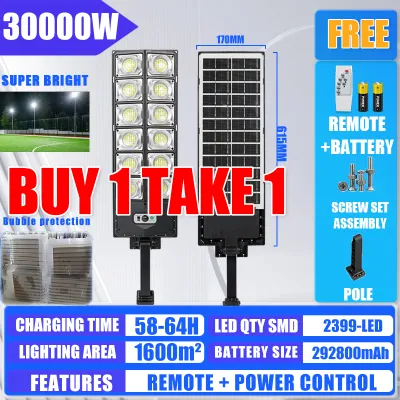
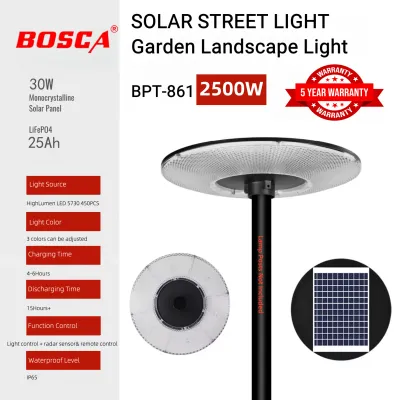
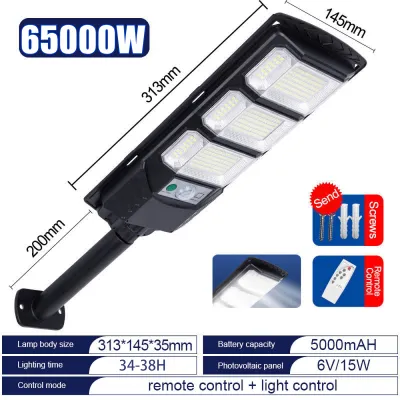
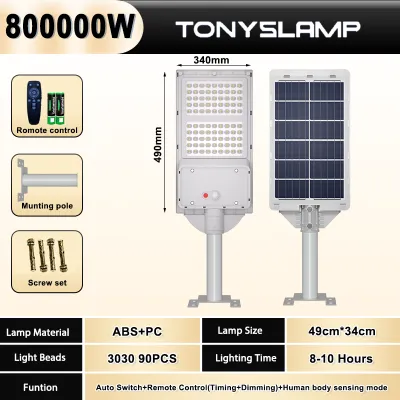
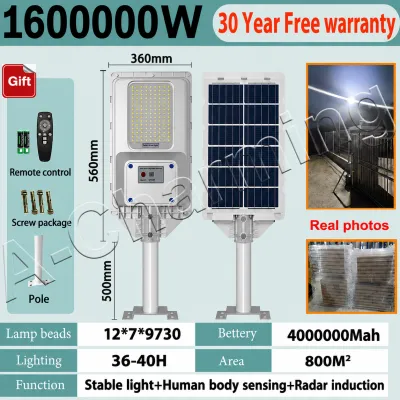
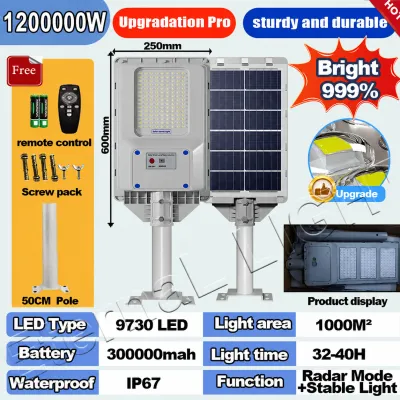
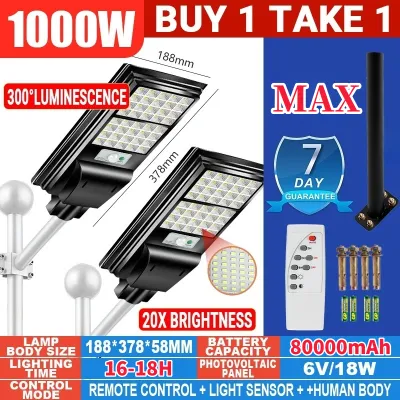
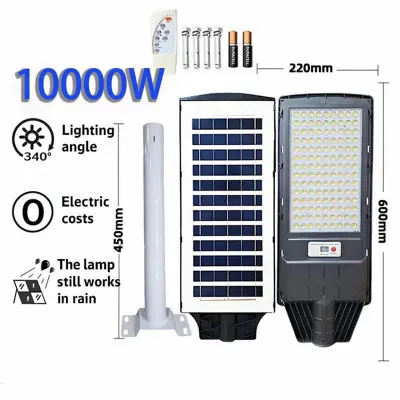
Prices are valid at publication and may change. Please refer to the product page for the latest price.
Defining your primary objective for each zone will help narrow down the required specifications. If your goal is high-visibility security, you will need high-lumen fixtures equipped with active motion sensors. For pedestrian navigation along walkways, a softer, continuous glow is more appropriate. For purely decorative areas, subtle accent lighting takes priority over raw brightness. Clearly identifying these goals allows you to select the appropriate balance between light output and battery conservation.
Environmental conditions in the Philippines require careful consideration of material durability and ingress protection. High relative humidity, intense tropical heat, and heavy monsoon rains can quickly degrade poorly constructed fixtures. Look for a minimum Ingress Protection rating of IP65, which ensures the casing is dust-tight and protected against water jets. For coastal areas or regions prone to severe typhoons, upgrading to IP66 or IP67 ratings provides superior protection against water penetration during heavy downpours.
Finally, analyze the daily sunlight exposure of your planned installation spot. Solar street lights require direct, unshaded sunlight for at least six to eight hours daily to fully charge their internal batteries. Avoid placing fixtures directly under deep roof eaves, dense tree canopies, or adjacent structures that cast long shadows during peak daylight hours. If a location is partially shaded, look for split-type solar street lights that allow you to mount the solar panel in a sunny spot while placing the light fixture where it is needed.
Best Features for Driveways and Open Yards
Driveways and open yards require high-output fixtures capable of projecting light over expansive concrete, gravel, or asphalt surfaces. To achieve safe vehicle maneuvering and clear visibility, prioritize fixtures with a high lumen output, typically ranging from 2,000 to 5,000 lumens for residential properties. Pair this high output with a wide beam angle, ideally between 120 and 140 degrees, to distribute the light broadly and minimize the number of individual fixtures needed to cover the area.

Mounting height plays a critical role in maximizing light spread and preventing harsh shadows. For driveways, install fixtures on poles or elevated wall mounts at a height of 4 to 6 meters. This elevation allows the light beam to expand naturally, covering a larger surface area while keeping the light source out of the direct line of sight of drivers, which reduces blinding glare. Ensure that the mounting poles are structurally rated for the weight of the integrated fixture and can withstand local wind loads.
To balance high-brightness requirements with battery preservation, look for smart motion sensor modes. Passive Infrared (PIR) sensors can detect heat signatures from approaching vehicles or pedestrians, automatically switching the light from a low-energy standby mode (such as 10% or 20% brightness) to 100% full output. This dim-to-bright functionality ensures high visibility when active use occurs while conserving valuable battery capacity during quiet hours of the night.
To support these demanding power requirements, the solar panel and battery must be scaled appropriately. Look for systems utilizing monocrystalline solar panels, which offer higher conversion efficiency in limited space compared to polycrystalline alternatives. For the battery, Lithium Iron Phosphate (LiFePO4) chemistry is highly recommended over standard Lithium-ion. LiFePO4 batteries offer superior thermal stability under intense tropical heat, support deeper discharge cycles, and typically provide a longer operational lifespan of over 2,000 charge cycles.
Ideal Specifications for Garden Pathways and Walkways
Pathway and walkway lighting focuses on safe pedestrian navigation and visual comfort rather than high-intensity security. To keep the light directed downward onto the walking surface and prevent light pollution, opt for lower mounting heights. Shorter poles of 2 to 3 meters, or ground-spiked bollard-style models, keep the illumination concentrated where footsteps fall, preventing the light from spilling into neighboring windows or shining directly into walkers’ eyes.
Color temperature is a key stylistic preference that shapes the nighttime atmosphere of your garden. While cool white light (5000K to 6500K) provides high contrast and visibility, warmer color temperatures ranging from 3000K to 4000K create a softer, more welcoming aesthetic. Warm light integrates naturally with outdoor lanterns, garden torches, and natural landscaping, highlighting foliage and stone pathways without creating a harsh, institutional feel.
Rather than extreme brightness, focus on achieving even, diffused light distribution. High-intensity hot spots paired with pitch-black gaps make navigation difficult as the human eye struggles to adjust to rapid changes in light levels. Choose fixtures equipped with frosted lenses or specialized optical diffusers that scatter the light smoothly. A lower light output of 200 to 800 lumens is generally sufficient for pathway safety when fixtures are spaced evenly along the walkway.
Additionally, consider how the physical design of the fixture fits your landscape. During the day, the solar street light will be a visible element of your garden decor. Select sleek, minimalist profiles or classic lantern designs with durable, weather-resistant finishes like matte black or powder-coated aluminum. These materials resist fading and peeling under direct UV exposure while blending seamlessly with architectural elements and garden plants.
Security and Durability for Perimeter Fences and Gates
Perimeter fences and entry gates serve as your property’s first line of defense, making reliable lighting essential. For these areas, prioritize dusk-to-dawn functionality, which uses built-in photocells to automatically turn the light on at sunset and off at sunrise. Alternatively, highly sensitive PIR motion sensors can be configured to trigger instant, high-intensity illumination upon detecting movement near the boundary line, serving as a powerful deterrent to unauthorized entry.
Before installing a solar street light on a perimeter structure, verify its physical and structural integrity. Heavy, all-in-one solar fixtures exert significant downward weight and wind load on the mounting surface. Ensure that concrete pillars, brick walls, or reinforced metal gate posts are structurally sound and capable of bearing the load. Avoid mounting heavy fixtures directly onto lightweight wooden or vinyl fencing panels without additional structural bracing.
Given their exposed position on the outer boundaries of a property, perimeter lights must feature robust housing materials. Die-cast aluminum casings offer excellent heat dissipation and structural strength, protecting the internal electronics from physical impacts and extreme weather. If opting for polymer housings, ensure the material is specifically rated as UV-resistant polycarbonate to prevent the casing from becoming brittle, yellowing, or cracking under constant sun exposure.
Strategic panel placement is critical along perimeter lines. Fences, boundary walls, and overhanging trees from neighboring properties can cast unexpected shadows as the sun moves across the sky. Position the solar panel high enough to clear these obstructions. If the fence line runs east-to-west, ensure the panels are tilted slightly toward the south to capture maximum daily solar radiation and maintain a full charge throughout the year.
Installation, Placement, and Safety Boundaries
Achieving optimal performance from your solar street light requires precise installation and placement. In the Philippines, solar panels should ideally be oriented facing south at a tilt angle of approximately 10 to 15 degrees. This specific angle maximizes solar energy capture throughout the year and ensures that heavy monsoon rains can naturally wash away accumulated dust, pollen, and debris from the glass surface, maintaining high charging efficiency.
When securing the mounting brackets, always refer to the manufacturer’s specifications for weight limits and hardware requirements. When drilling into masonry, concrete, or brick, use high-quality expansion bolts of the correct size to prevent the fixture from loosening over time due to wind vibration. For wooden or metal surfaces, use heavy-duty wood screws or self-tapping metal screws rated for outdoor use to prevent rust streaks and structural failure.
To ensure personal safety and prevent damage to your property, recognize the boundaries of do-it-yourself installation. Always isolate nearby electrical lines before working near existing wiring. Stop and consult a qualified professional in the following scenarios:
- High-Pole Installations: Any mounting task requiring work at heights above 3 meters or the use of heavy scaffolding.
- Load-Bearing Structures: Drilling into primary structural concrete columns or beams where structural integrity could be compromised.
- Complex Electrical Integration: Connecting solar systems to hybrid grid-tied backup systems or working in wet, flood-prone, or high-voltage zones.
Maintaining your solar street lights involves simple, low-risk tasks that preserve their operational lifespan. Every few months, wipe the solar panel surface with a soft, damp microfiber cloth and mild soapy water to remove dirt and salt residue; avoid abrasive cleaners or scrubbers that can scratch the glass. Periodically perform a visual inspection of the housing to check for physical damage, loose mounting bolts, or signs of water ingress, and monitor the battery performance to identify early signs of capacity loss.
Frequently Asked Questions (FAQ)
How do solar street lights perform during the rainy season in the Philippines?
During the monsoon season, solar panels can still charge under overcast skies, but their efficiency drops to approximately 10% to 25% of their peak output. To compensate, solar street lights rely on energy stored in their batteries during previous sunny days. When choosing a fixture, look for models with larger battery capacities and intelligent power management systems. These systems automatically dim the light output during consecutive cloudy days to conserve power and ensure the light remains operational throughout the night.
Can I replace the battery in my solar street light?
Whether you can replace the battery depends entirely on the design of the fixture. Many commercial-grade and heavy-duty solar street lights feature accessible battery compartments that allow you to replace degraded cells with matching LiFePO4 or Lithium-ion batteries. However, many budget-friendly, fully sealed models are designed as integrated units; attempting to open them can compromise their waterproof seals and void the warranty. Always check the manufacturer’s instructions, and if replacement is supported, ensure the new battery matches the exact voltage, chemistry, and physical dimensions of the original.
Community discussion
Share your experience or ask a question. Comments are reviewed before publication.