
Finding a single light fixture that helps you wind down after a long day while also providing enough crisp light to read your favorite book can be a balancing act. Bedside lighting often has to perform double duty. It must serve as a soft, glare-free ambient glow that prepares your mind for sleep, and as a focused task light that prevents eye strain while reading. Selecting a wall-mounted LED light requires understanding how these two distinct lighting needs interact within your bedroom layout. By focusing on adjustability, brightness control, and proper placement, you can create a comfortable, functional bedside setup that enhances both your evening routine and your room’s overall design.
Understanding the Dual-Purpose Bedside Lighting Challenge
The primary challenge of bedside lighting lies in the conflicting physics of task lighting and ambient lighting. Reading requires a concentrated beam of light directed onto the pages of a book or the screen of an e-reader. This light needs to be bright enough to prevent squinting but positioned so that it does not cast harsh shadows or create direct glare. Conversely, ambient lighting is designed to fill the room with a soft, low-intensity glow. This diffused light helps signal to your brain that it is time to rest, making it easier to transition into sleep.
Your bedroom’s physical layout plays a significant role in how these lighting types behave. In smaller rooms, a light that is too bright can easily bounce off light-colored walls, turning a cozy reading nook into an overly bright space. Bedside table height also dictates where the light should fall; if your tables are low or if you do not use tables at all, wall-mounted fixtures become the primary source of illumination. Your personal habits matter too. If you share a bed, a wide, unshielded ambient light might disturb your partner, whereas a highly focused, narrow beam allows you to read undisturbed.
Products mentioned in this guide
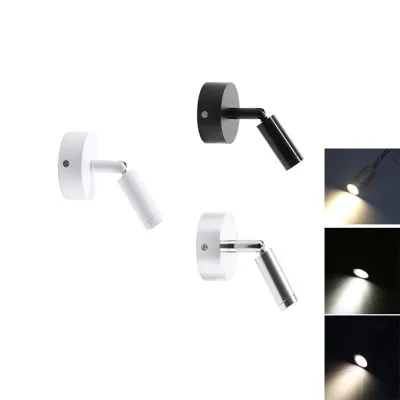
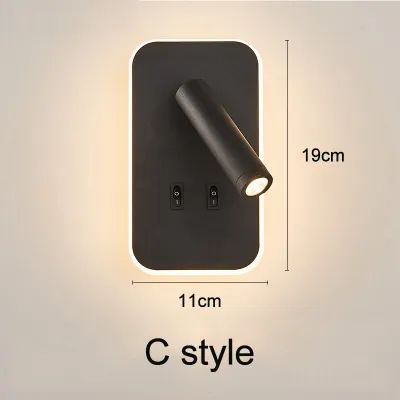
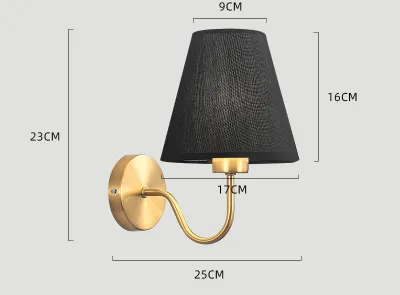
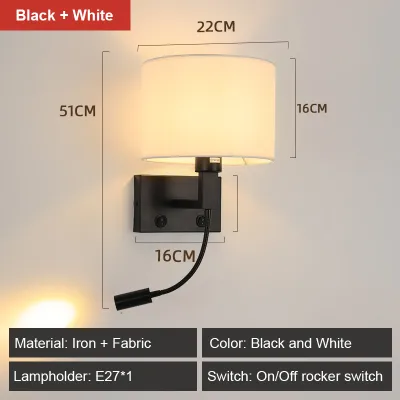
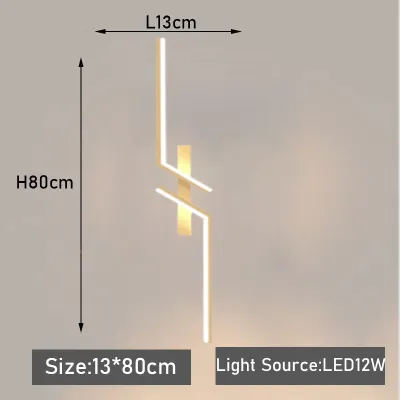
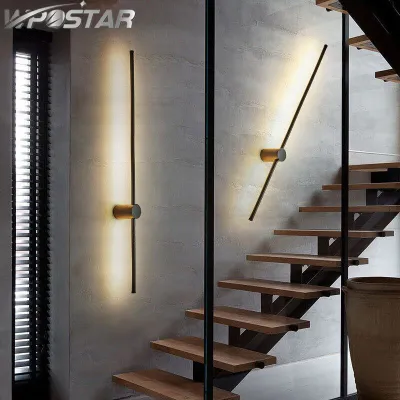
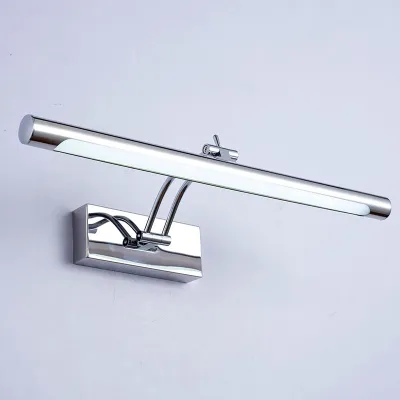
Prices are valid at publication and may change. Please refer to the product page for the latest price.
When choosing a fixture, you must decide whether a single light can meet both needs or if a hybrid approach is necessary. Some wall-mounted fixtures feature dual light sources—such as a shaded ambient lamp combined with a small, adjustable spotlight on a separate switch. If you prefer a minimalist look with a single fixture, you will need to prioritize advanced dimming and adjustability features to bridge the gap between task and mood lighting.
Evaluating Adjustability and Control Features
To successfully transition a wall-mounted LED light from a bright reading companion to a soft evening glow, mechanical adjustability is essential. Look for fixtures equipped with flexible goosenecks, swing arms, or multi-directional swivel heads. A flexible gooseneck allows you to pinpoint the light directly onto your reading material, keeping the beam concentrated and preventing it from spilling over to the other side of the bed. Swing arms offer horizontal movement, allowing you to pull the light closer when reading and push it flat against the wall when you want a wider, more ambient spread.

Control mechanisms are equally critical for managing dual-purpose lighting. Built-in dimming capabilities, such as touch-sensitive bases or integrated rotary dials, allow you to adjust brightness levels instantly without leaving the bed. If you are considering a fixture that connects to a wall switch, verify whether the LED driver inside the fixture is compatible with standard wall-mounted dimmer switches. Incompatible components can lead to annoying flickering or a limited dimming range. Touch controls are particularly convenient for bedside use, as they eliminate the need to fumble for a small switch in the dark.
The design of the shade or diffuser also dictates how light is dispersed. Opaque metal or ceramic shades direct light in a single, focused direction, making them excellent for task lighting but less effective for ambient illumination unless they direct light upward against the wall. Fabric or frosted glass diffusers soften the light, spreading it evenly across the space to create a relaxing atmosphere. If you choose an exposed-bulb design, ensure the bulb is positioned or shielded so that it does not shine directly into your eyes while you are lying down.
Matching Brightness and Color Temperature to Your Routine
When shopping for a bedside LED light, understanding how to read product packaging is key to achieving the right balance of brightness and color. Brightness is measured in lumens, not watts. For dedicated bedside reading, a light source delivering between 200 and 400 lumens is generally sufficient to illuminate a page without causing eye fatigue. If the fixture is intended to provide general ambient light for the entire bedside area, you may want a higher total output, but ensure it can be dimmed down to a fraction of its maximum brightness for late-night use.
Color temperature, measured in Kelvin (K), determines whether the light feels warm and cozy or cool and energetic. For a bedroom, warmer color temperatures between 2700K and 3000K are highly recommended. These tones mimic the warm glow of traditional incandescent bulbs, which helps promote relaxation and does not interfere with your natural sleep cycle. While cooler, neutral white light (around 4000K) can make text appear sharper, it can feel harsh in a bedroom setting and may disrupt your ability to wind down.
If you want the flexibility to change your lighting environment, consider fixtures featuring tunable white technology or compatible smart bulbs. These options allow you to adjust the color temperature dynamically. You can set the light to a neutral 3500K or 4000K during the early evening for focused reading, and then transition to a very warm 2200K to 2700K as you prepare for sleep. Always check the product specifications to ensure any tunable features can be controlled easily via an integrated switch, remote, or mobile application.
Planning Clearance, Placement, and Electrical Requirements
Before purchasing any wall-mounted fixture, careful physical planning is required to ensure a safe and comfortable installation. Start by measuring the height of your mattress and headboard. Ideally, the bottom of the light fixture or shade should sit approximately 26 to 30 inches above the top of your mattress, or roughly at eye level when you are sitting up in bed. This height prevents you from looking directly up into an exposed bulb while reading, and it minimizes the risk of accidentally bumping your head against the fixture when getting in and out of bed.
Electrical requirements must also be verified early in the process. In the Philippines, the standard household voltage is 220V at 60Hz. Ensure that any imported or locally purchased LED fixture is rated for this voltage to prevent damage to the integrated driver. You must also decide between a hardwired fixture and a plug-in model. Hardwired fixtures offer a clean, seamless look with no visible cords, but they require running electrical wires behind the wall. For safety, always isolate the power at the main circuit breaker before attempting any electrical work, and hire a qualified professional to handle fixed wiring installations.
If you rent your home or prefer a simpler installation, plug-in wall sconces are an excellent alternative. These fixtures mount to the wall and plug directly into a nearby outlet. When choosing a plug-in model, plan your cord management to keep the cable taut, neat, and away from high-traffic areas where it could become a tripping hazard. Additionally, ensure that the physical switch—whether it is a toggle on the backplate, a pull chain, or an in-line cord switch—is easily reachable from a lying position so you do not have to stretch or get out of bed to turn off the light.
Frequently Asked Questions (FAQ)
Can I use a smart bulb in a standard wall sconce for dual-purpose lighting?
Yes, you can use a smart bulb in many standard wall sconces, provided the fixture uses a compatible, replaceable bulb base (such as E27 or E14) and has enough physical clearance inside the shade. Before installing a smart bulb, check the fixture’s maximum wattage rating and ensure the enclosure allows for adequate heat dissipation, as excess heat can shorten the lifespan of smart electronics. If your wall sconce is connected to an external wall dimmer switch, you should keep that dimmer set to 100% or replace it with a standard on/off switch to prevent the smart bulb from flickering or losing its wireless connection.
How do I prevent a bedside wall light from causing glare on my phone or tablet screen?
To minimize screen glare on digital devices, use a wall light with a highly adjustable head or a narrow beam angle that can be directed away from your screen. Position the light so that it shines from behind or beside your shoulder rather than directly in front of you. If your fixture has a fixed shade, choosing a frosted or fabric diffuser will help soften the light output, reducing the intensity of reflections on glossy glass screens. Additionally, lowering the light’s brightness level to match the screen’s ambient light setting will significantly reduce eye strain during nighttime use.
Community discussion
Share your experience or ask a question. Comments are reviewed before publication.