
Decorating outdoor spaces with hanging illumination creates a warm, inviting atmosphere for patios, gardens, and festive gatherings. However, the tropical climate of the Philippines—characterized by intense heat, high humidity, and sudden, heavy downpours—demands careful consideration when selecting outdoor lighting. Finding the right waterproof LED curtain lights requires looking beyond simple aesthetics to evaluate technical specifications such as Ingress Protection (IP) ratings, wire insulation materials, and power source safety. Choosing the wrong product can lead to short circuits, rapid corrosion, or electrical hazards in wet weather.
To ensure your outdoor display remains safe and functional throughout the changing seasons, you must match the physical design of the lights to your specific installation environment. This guide provides a practical framework for evaluating waterproof claims, understanding electrical safety boundaries, and selecting durable LED curtain lights that can withstand challenging outdoor conditions.
Quick Criteria for Choosing Outdoor LED Curtain Lights
Selecting the right LED curtain lights begins with assessing where and how they will be installed. The level of exposure to rain and wind dictates the minimum physical protection your lights must have. For fully exposed areas like garden fences or open pergolas, high-level waterproofing is non-negotiable, whereas semi-sheltered spaces like covered verandas offer slightly more flexibility.
Products mentioned in this guide
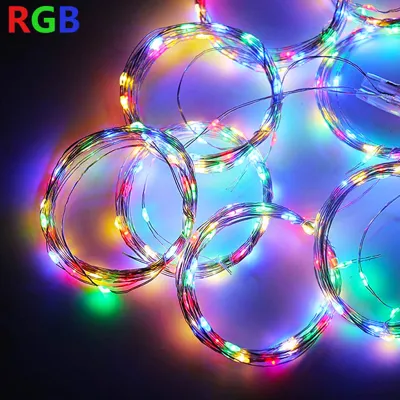
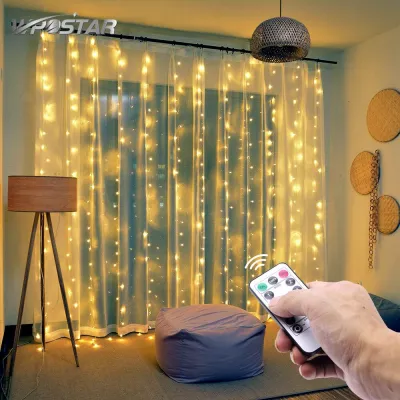
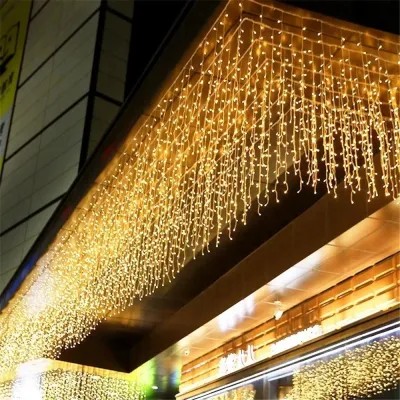
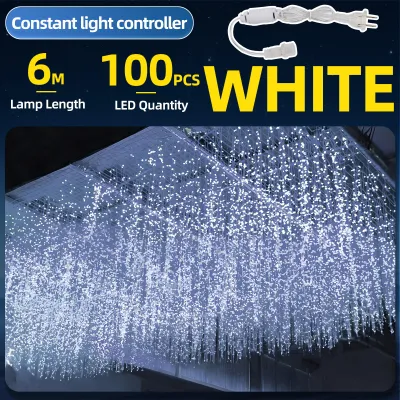
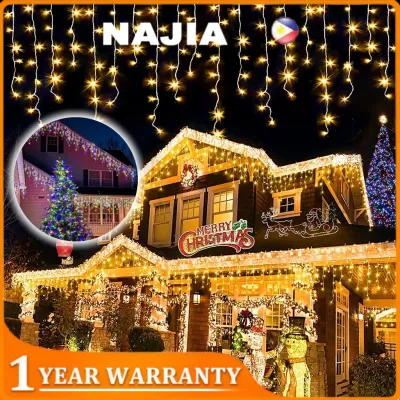
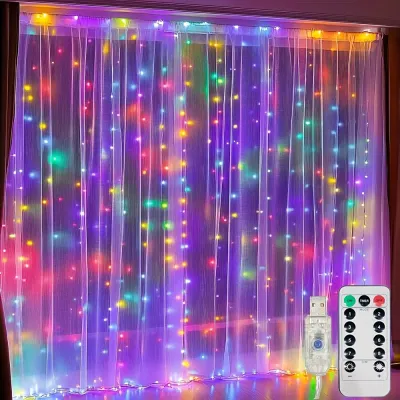
Prices are valid at publication and may change. Please refer to the product page for the latest price.
Power availability is another immediate deciding factor. You must determine whether you have a safe, weather-resistant outdoor outlet nearby or if you need to rely on alternative power sources. Solar-powered models offer excellent mobility and eliminate the need for trailing cables, while plug-in models provide consistent, high-intensity brightness but require proximity to a secure power source.
Finally, always verify local electrical compatibility before making a purchase. In the Philippines, the standard residential electrical system operates at 220V and 60Hz. If you are buying plug-in LED curtain lights, you must ensure that the power adapter is rated for 220V input and features a compatible plug type (typically Type A or Type B flat-prong plugs) to avoid damaging the LEDs or creating a fire hazard.
Understanding Waterproof Ratings for Outdoor Exposure
When shopping for outdoor lights, the term “waterproof” is often used loosely by manufacturers. To make an informed decision, you must rely on the Ingress Protection (IP) rating system, which classifies the degree of protection provided against mechanical casings and electrical enclosures. An IP rating consists of two digits: the first represents protection against solid objects and dust, while the second indicates protection against liquids.

For outdoor installations, the second digit is the most critical. A rating of IP44 means the light string is protected against water splashing from any direction, making it suitable for semi-protected outdoor areas such as covered patios, balconies, or under deep roof eaves. However, IP44 lights should not be directly exposed to heavy, driving rain or tropical storms, as water can eventually penetrate the seals and cause the system to fail.
For fully exposed outdoor zones, such as open-air garden trees, fences, or exterior walls, you should look for lights rated at IP65 or IP67. An IP65 rating indicates that the product is dust-tight and protected against water jets projected by a nozzle from any direction, which easily covers standard rainfall. IP67-rated lights offer even greater protection, allowing the product to withstand temporary submersion in water, making them ideal for low-lying garden areas where temporary water pooling might occur during heavy downpours.
Crucially, you must check the manufacturer’s specifications for both the light string and the separate controller or power adapter. It is highly common for a product to feature an IP65-rated LED string but only an IP44 or IP20 (indoor-only) controller or plug. If the control box or plug is not rated for outdoor exposure, it must be housed inside a dedicated weatherproof junction box to prevent moisture ingress and electrical shorting.
Key Features to Match Your Outdoor Space
Power Options and Their Trade-offs
Choosing how to power your LED curtain lights involves balancing convenience, brightness, and placement limitations. Solar-powered models are highly popular for outdoor spaces because they operate independently of the grid. They charge during the day and turn on automatically at night, making them highly energy-efficient. However, their performance depends entirely on sunlight exposure; during the rainy season or on heavily overcast days, the lights may shine dimly or run out of power quickly.
Battery-operated curtain lights offer excellent portability for temporary events, such as outdoor dinners or parties, where running extension cords is impractical. The main limitation is battery life, as continuous use will require frequent replacements, which can become costly and less environmentally friendly over time. USB-powered lights provide a middle ground, allowing you to run them off a portable power bank, though you must ensure the USB connection point is fully shielded from moisture.
Direct plug-in LED curtain lights offer the most reliable performance and consistent brightness, making them the preferred choice for permanent installations. They do not suffer from battery depletion or cloudy weather limitations. The trade-off is the necessity of a nearby outdoor-rated outlet and the challenge of routing power cables safely across your yard.
Wire Materials and Durability
The material of the light string wire directly impacts its lifespan and daytime appearance. Ultra-thin copper wire lights, often called micro fairy lights, are highly flexible and blend seamlessly into foliage or sheer outdoor curtains, making them virtually invisible when turned off. However, bare copper wire is delicate and can easily snap under tension or degrade when exposed to salty air in coastal regions.
For long-term outdoor installations, PVC-coated or rubber-insulated wires are far more durable. The thick plastic coating protects the internal copper conductors from physical wear, UV radiation, and moisture. While PVC wires are more visible during the day, their structural integrity makes them much better suited to withstand wind loads and the physical stress of being hung over large spans.
Lighting Modes and Color Temperatures
Selecting the right color temperature and lighting mode is a matter of personal preference and the intended use of the space. Warm white lights (ranging from 2700K to 3000K) emit a soft, golden glow that creates a cozy, relaxing ambiance perfect for residential patios and dining areas. Cool white lights (5000K to 6500K) provide a bright, crisp light that enhances visibility and lends a modern, clean look to commercial spaces or security-focused installations.
For festive events, holidays, or dynamic displays, RGB (Red, Green, Blue) multi-color curtain lights offer vibrant color-changing options. Many models include built-in controllers that allow you to switch between steady-on, fading, flashing, or chasing modes. If you plan to use these features, look for models with dimming capabilities and built-in timers, which allow you to control energy consumption by automatically turning the lights off after a set number of hours.
Dimensions and Drop Length
Before purchasing, measure the width and height of the area you intend to cover. LED curtain lights come in various configurations, such as 3 meters by 3 meters, or wider, shorter variations. Avoid stretching the main horizontal cable tightly to reach distant mounting points, as this puts excessive physical tension on the electrical connections. It is always better to buy a string that is slightly wider than your space and allow the wiring to hang naturally with a small amount of slack.
Safe Installation and Electrical Boundaries
Installing outdoor lighting requires strict adherence to safety protocols to prevent electrical shocks, short circuits, or fire hazards. Before beginning any installation work, always isolate the power source by unplugging any existing connections or turning off the dedicated circuit breaker. Never work on live electrical components, especially when standing on damp ground or using metal ladders.
When routing power to your LED curtain lights, use only heavy-duty, outdoor-rated extension cords. Standard indoor extension cords lack the thick, weather-resistant insulation required to withstand UV exposure and moisture. All connection points between the light plug and the extension cord must be sealed. You can use specialized waterproof safety covers or wrap the connections securely in high-grade electrical tape, keeping them elevated off the ground to prevent water pooling around the plugs.
Secure the light strings using non-conductive, weather-resistant accessories such as plastic zip ties, insulated cable clips, or outdoor adhesive hooks. Never use metal staples, nails, or bare wire ties to hang your lights, as these can easily pierce the protective PVC insulation, exposing live copper wires and creating an immediate shock hazard. Ensure that the mounting surface—whether it is a wooden pergola, a concrete wall, or a metal gutter—is structurally sound and capable of supporting the weight of the lights, especially when subjected to wind loads during stormy weather.
If your installation requires adding new outdoor outlets, running permanent electrical conduit through your garden, or hardwiring the lights directly into your home’s electrical panel, do not attempt this as a DIY project. Always consult a qualified, licensed electrician to ensure the work complies with local electrical codes and safety standards. A professional can also install a Ground Fault Circuit Interrupter (GFCI) outlet, which automatically cuts off power if an electrical leak is detected, providing an essential layer of safety for outdoor wet areas.
Maintenance and Storage for Long-Term Use
To maximize the lifespan of your waterproof LED curtain lights, establish a routine for seasonal inspection and maintenance. Before hanging your lights after a period of storage, lay them out on a dry surface and perform a thorough visual inspection. Look for signs of wear such as frayed or cracked wire insulation, rusted metal connectors, cracked plastic bulb casings, or individual dead bulbs. If you find exposed copper wire or significant damage to the main power line, discard the set immediately rather than attempting a temporary tape repair.
Cleaning your lights periodically prevents the buildup of dirt, mold, and environmental grime, which can degrade the plastic casing over time. Always unplug the lights before cleaning. Wipe the strings down gently using a dry or slightly damp microfiber cloth. Avoid using harsh chemical solvents, abrasive scrubbing pads, or high-pressure water sprays, and never submerge non-waterproof components like the controller box or plug in water.
Proper storage is equally important for preserving the internal wiring of your curtain lights. When taking down the display, avoid pulling or yanking the vertical drops, as this can break the delicate solder joints inside the LED housings. Carefully coil the main horizontal wire first, then wrap each vertical strand systematically to prevent tangling. Storing the lights wrapped around a sturdy piece of cardboard or a dedicated plastic light reel prevents internal wire crimping. Keep the coiled lights in a cool, dry, and dark storage container to protect the plastic components from heat degradation and pest damage.
Verifying Product Claims on E-Commerce Platforms
With numerous options available on online marketplaces, filtering out low-quality or unsafe products requires a critical eye. Many budget-friendly listings claim high waterproof ratings, but actual performance may vary. To protect your investment and ensure safety, you must verify these claims before purchasing.
Start by cross-referencing the specifications listed in the product description with real-world evidence. Scroll down to the user review section and look closely at customer-uploaded photos. Check if the physical product packaging displays official certification marks or clearly states the IP rating. Examine photos of the plug and controller; if the seller claims the product is IP65 waterproof, but the customer photos show a standard, unsealed USB plug or a flimsy plastic control box with visible gaps, the product is likely not suitable for direct rain exposure.
Additionally, evaluate the credibility of the seller. Look for established stores with high positive feedback ratings, a history of prompt customer service, and clear return policies. Be cautious of listings with unrealistically low prices—such as large 3m x 3m curtain lights priced significantly under ₱200—as these products often use thin, low-grade copper wires, poor insulation, and uncertified power adapters that pose serious electrical risks. Investing a bit more in a product with verified specifications and positive long-term user reviews ensures a safer and much more durable outdoor lighting display.
Frequently Asked Questions (FAQ)
Can I leave solar-powered LED curtain lights outside during heavy rain?
Yes, you can leave solar-powered LED curtain lights outside during heavy rain, provided both the light string and the solar panel unit carry a minimum rating of IP65. The solar panel housing must be fully sealed against water entry, and the rechargeable battery compartment must feature a tight rubber gasket. However, during severe weather events such as typhoons or tropical depressions, it is highly recommended to temporarily take down the lights. High winds can tear the wires, and flying debris can crack the solar panel glass, leading to permanent damage regardless of the waterproof rating.
Why do my outdoor LED curtain lights keep flickering?
Flickering in outdoor LED curtain lights is typically caused by power supply instability or moisture penetration. If you are using plug-in lights, a loose connection at the outdoor outlet or water entering an unsealed plug interface can cause intermittent power delivery. For solar or battery-operated models, flickering often indicates low battery voltage, meaning the system cannot supply steady current to the LEDs. Additionally, if you have connected the lights to an incompatible dimmer switch, or if you are using an excessively long, thin extension cord that causes a significant voltage drop, the LEDs may flicker due to insufficient voltage.
How do I connect multiple LED curtain panels together?
Many modern LED curtain lights feature end-to-end connectable plugs, allowing you to daisy-chain multiple panels together to cover wider areas. To do this safely, you must check the manufacturer’s manual for the maximum connectable limit, which is typically determined by the wattage capacity of the power adapter. Exceeding this limit overloads the driver, causing the lights to dim, flicker, or overheat, which poses a fire hazard. Always ensure that the connecting joints between the panels are tightly screwed together and sealed with their built-in waterproof caps or wrapped securely in weather-resistant electrical tape.
Community discussion
Share your experience or ask a question. Comments are reviewed before publication.