
Choosing the right wall lamps for a narrow corridor requires balancing physical clearance, light distribution, and visual proportion. In tight passageways, lighting must guide the way safely without creating physical obstructions or overwhelming the senses. By selecting slim-profile fixtures, planning precise spacing, and verifying electrical compatibility, you can transform a dark, cramped hallway into an inviting, well-lit transition zone.
Assess Your Corridor Dimensions and Traffic Flow
Start by measuring the exact physical boundaries of your hallway. Use a standard tape measure to record the width from wall to wall, the total length, and the floor-to-ceiling height. In narrow corridors—often defined as those measuring less than 120 centimeters wide—every centimeter of clearance matters. These measurements establish the maximum depth your wall fixtures can protrude without disrupting foot traffic or creating a claustrophobic environment.
Next, identify potential physical hazards and traffic patterns. Take note of swinging doors from bedrooms, bathrooms, or closets that could collide with a protruding light fixture. Look for architectural features like structural columns, low beams, or existing artwork that might restrict where you can mount a sconce. In high-traffic zones, especially in homes with active children or pets, fixtures must sit entirely out of the natural path of shoulders, elbows, and carrying bags.
Products mentioned in this guide
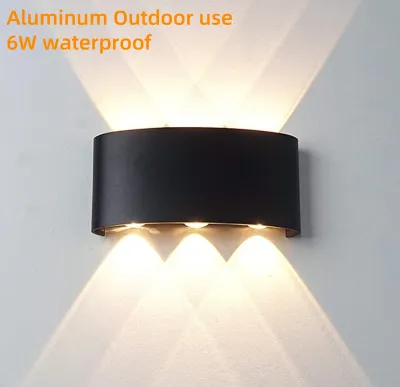
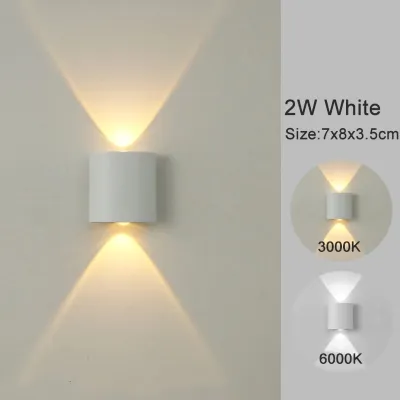
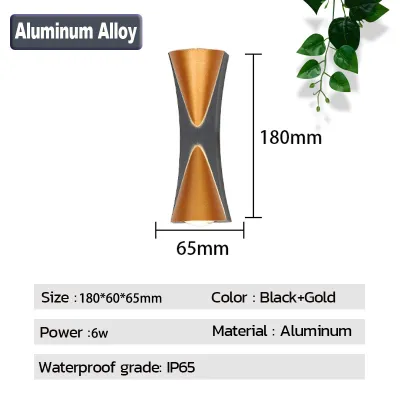
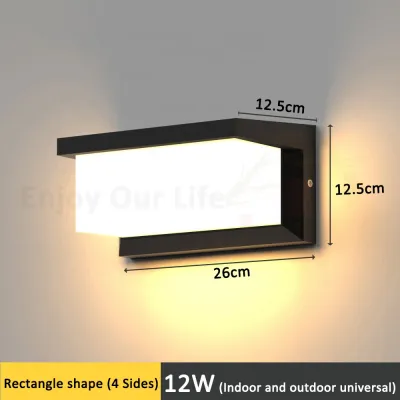
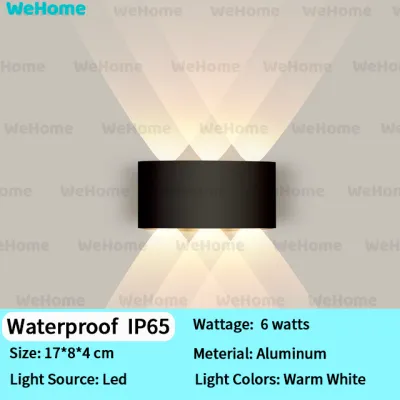
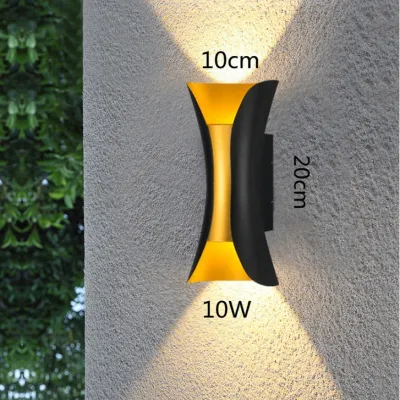
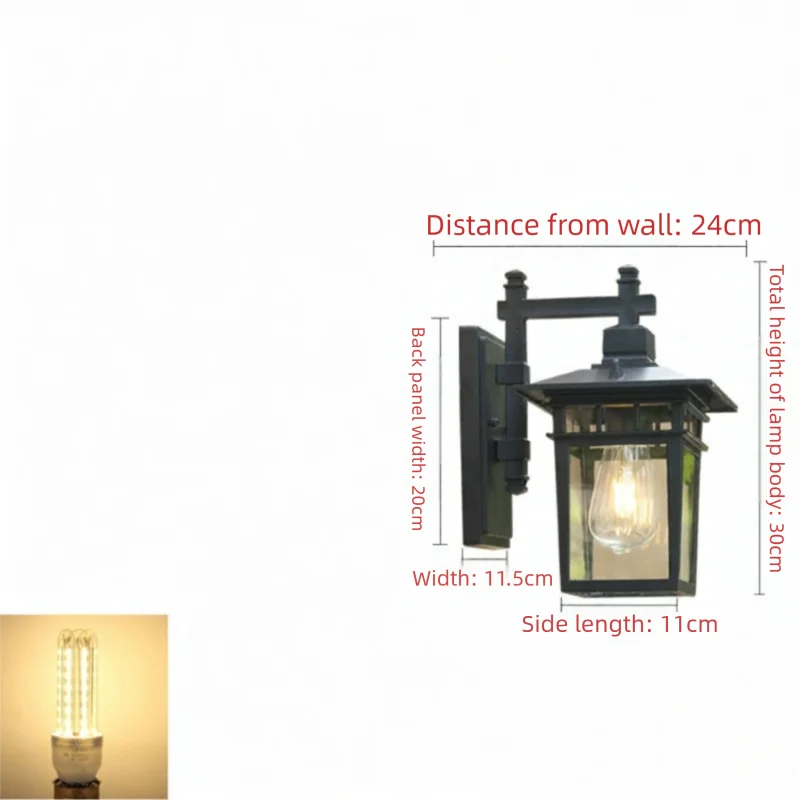
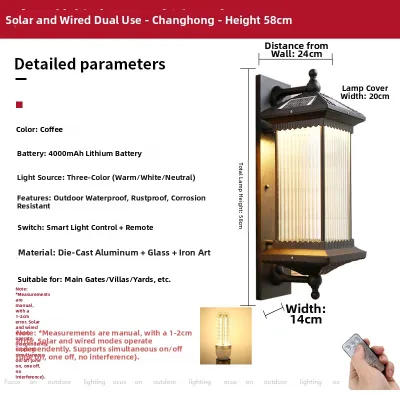
Prices are valid at publication and may change. Please refer to the product page for the latest price.
Finally, evaluate the baseline ambient light already present in the space. Some corridors benefit from natural light spilling in from adjacent rooms or windows, while others are entirely enclosed and dark during the day. The longer and darker the hallway, the more light sources you will need to distribute along its length. Assessing these factors beforehand ensures you select fixtures that provide adequate illumination without over-lighting or under-lighting the passageway.
Select Light Output and Distribution for Confined Spaces
Achieving the right light output in a confined space is a delicate balance between safety and comfort. To determine your overall lighting needs, calculate the approximate square footage of the corridor and consider its primary function. Because hallways are transitional spaces, they do not require the intense task lighting of a kitchen, but they do need enough brightness to prevent tripping hazards. Check the lumen output listed on bulb packaging or integrated LED specifications, aiming for a soft, even glow that covers the entire floor area.

The direction of light distribution plays a critical role in how spacious your corridor feels. Uplighting bounces light off the ceiling, creating an illusion of height that can make a low-ceilinged hallway feel much more open. Downlighting focuses illumination directly onto the floor path, which is highly functional but can sometimes create a tunnel effect if not balanced. Diffused sconces, which feature frosted glass or fabric shades, scatter light in all directions to soften shadows and minimize harsh glare at eye level.
Color temperature also influences the atmosphere and visual comfort of a narrow passage. Warm white light (typically around 2700K to 3000K) creates a cozy, welcoming ambiance that mimics traditional residential lighting. Cool white light (around 4000K) offers a crisp, modern look that can enhance visibility but may feel clinical if too bright. Select a color temperature that complements the wall paint and flooring materials, ensuring a seamless visual transition from the corridor into adjoining rooms.
Choose Space-Saving Sconce Styles and Proportions
When space is at a premium, the physical profile of your wall lamps is the most critical design factor. Prioritize flush-mount or ultra-slim sconces that protrude no more than 10 centimeters (about 4 inches) from the wall surface. These low-profile designs ensure that family members can walk through the corridor, carry laundry baskets, or move furniture without accidentally bumping into or damaging the fixtures. Semi-flush options can work if they are mounted high enough to clear shoulder height, but flush designs remain the safest choice for exceptionally tight paths.
The visual weight of the fixture should also match the scale of your walls. A massive, ornate sconce will dominate a narrow hallway and make the walls feel like they are closing in. Instead, look for slender, vertical designs that draw the eye upward and complement the height of door frames and moldings. Linear LED sconces or minimalist cylindrical designs provide a clean, modern aesthetic that integrates smoothly into the wall plane without adding visual clutter.
Material selection is another key consideration, particularly in tropical climates where high humidity can accelerate wear. Opt for durable materials such as powder-coated aluminum, stainless steel, or treated brass that resist corrosion and tarnishing over time. If your corridor features light-colored walls, choosing fixtures with reflective metallic finishes or light-colored shades can help bounce ambient light, making the entire passageway feel brighter and more expansive.
Plan Fixture Placement, Spacing, and Mounting Height
Establishing a consistent layout is essential for creating a balanced visual rhythm and avoiding dark patches along your corridor. As a general guideline, wall lamps should be mounted so that the center of the fixture sits approximately 150 to 170 centimeters (about 60 to 66 inches) above the finished floor. This height keeps the light source above average eye level for most standing adults, preventing direct glare from the bulb while still casting effective illumination downward onto the walking path.
The spacing between multiple fixtures depends on the total length of your hallway and the beam spread of the chosen lamps. To ensure even light distribution without dark gaps, space your sconces roughly 180 to 240 centimeters (about 6 to 8 feet) apart. If your corridor is relatively short, a single well-placed sconce near the center or a pair flanking an entryway may be sufficient. For longer passages, staggering the fixtures on alternating walls can create a dynamic, balanced flow that makes the journey through the hallway feel shorter.
Always align your fixture placement with existing architectural elements to maintain visual harmony. Avoid placing a sconce directly opposite a door frame where it might interfere with the door’s swing or look awkwardly asymmetrical. If you have framed artwork or decorative mirrors along the corridor, position your wall lamps to frame these features, turning functional hallway lighting into an intentional design statement.
Verify Electrical Compatibility and Installation Safety
Before purchasing your wall lamps, you must verify that they are compatible with your home’s electrical infrastructure. In the Philippines, the standard residential voltage is 220V at 60Hz, so ensure any imported or locally sourced fixtures are rated for this electrical standard. Check the specifications of your existing junction boxes to confirm they can support the weight and mounting bracket of your chosen sconces. If you are installing fixtures on concrete hollow block (CHB) walls, which are common in local construction, you will need appropriate masonry anchors and drill bits to secure the mounting plates safely.
Safety should always be your top priority when dealing with electrical installations. For any fixed-wiring project, always isolate the power at the main circuit breaker before touching any wires. If your corridor transitions into a damp area, such as a semi-outdoor entryway or adjacent to a bathroom, ensure the fixtures carry an appropriate IP (Ingress Protection) rating for damp environments. Because wall lamp installation involves working with live electrical circuits and potentially drilling into structural walls, hiring a qualified professional electrician is highly recommended to ensure compliance with local electrical codes.
If structural modifications or running new wires through solid concrete walls are not feasible, consider plug-in sconces as a versatile alternative. Many modern plug-in wall lamps feature decorative cord covers that keep the wire flat against the wall, minimizing tripping hazards. Whichever installation method you choose, always follow the manufacturer’s precise instructions regarding maximum wattage limits, bulb compatibility, and clearance distances to ensure long-term safety and performance.
Frequently Asked Questions (FAQ)
Can I use dimmable wall lamps in a narrow corridor?
Yes, dimmable wall lamps are highly beneficial for narrow corridors as they allow you to adjust the light levels for different times of day. Lowering the brightness at night provides a gentle path-finding light that does not shock sleepy eyes, while full brightness is ideal for daytime use or cleaning. To implement this, you must verify that both your chosen wall lamp (especially if it uses integrated LEDs) and the light bulbs are explicitly labeled as dimmable, and pair them with a compatible dimmer switch.
How do I prevent wall lamps from casting harsh shadows on the floor?
To minimize harsh shadows and create a smooth, even wash of light, select wall lamps that feature diffused covers, frosted glass, or fabric shades. These materials scatter the light rays in multiple directions rather than focusing them into a sharp, direct beam. Additionally, mounting the fixtures at the recommended height of 150 to 170 centimeters and choosing designs with wide beam angles will help distribute the light more uniformly across the floor surface.
Are battery-operated or rechargeable sconces suitable for hallways?
Battery-operated or rechargeable sconces offer a convenient, wire-free installation option, making them ideal for renters or solid concrete walls where running new electrical lines is difficult. However, they do come with the ongoing maintenance burden of regular recharging or battery replacement, which can become tedious in high-traffic hallways where lights are left on for extended periods. For primary corridor lighting that requires daily, reliable operation, hardwired fixtures remain the more practical and dependable choice.
Community discussion
Share your experience or ask a question. Comments are reviewed before publication.