
Decorating your home’s exterior for the holidays brings a festive warmth to the neighborhood, but the tropical climate in the Philippines presents unique challenges for outdoor lighting. To choose the best waterproof Christmas lights, you must look beyond festive colors and focus on ingress protection (IP) ratings, durable wire insulation, and secure power connections. The combination of sudden heavy downpours, high humidity, and intense daytime heat requires lighting products specifically engineered to withstand moisture and UV exposure. By selecting the right specifications and following safe installation practices, you can create a stunning outdoor display that remains safe and vibrant throughout the holiday season.
Understanding Waterproof Ratings and Weather Resistance
When shopping for outdoor holiday decorations, the most reliable indicator of water resistance is the Ingress Protection (IP) rating printed on the product packaging. This standard rating consists of two digits: the first represents protection against solid objects like dust, while the second indicates protection against liquids. For outdoor installations exposed to the elements, you should look for a minimum rating of IP44, which protects against splashing water from any direction. If your lights will be fully exposed to heavy tropical downpours without any overhead shelter, choosing a higher rating like IP65 or IP66 provides superior protection against high-pressure water jets.
Understanding the practical distinction between water-resistant and fully waterproof ratings prevents premature product failure and electrical hazards. Water-resistant lights, often rated IP44, are suitable for covered areas such as porches, balconies, or under roof eaves where they are shielded from direct, driving rain. Fully waterproof lights, rated IP65 or higher, feature sealed bulbs and heavy-duty casings that allow them to be draped over exposed garden hedges, wrapped around tree trunks, or hung along open rooflines. Using a water-resistant string light in a fully exposed area can allow moisture to seep into the bulb sockets, leading to short circuits and tripped breakers.
Products mentioned in this guide
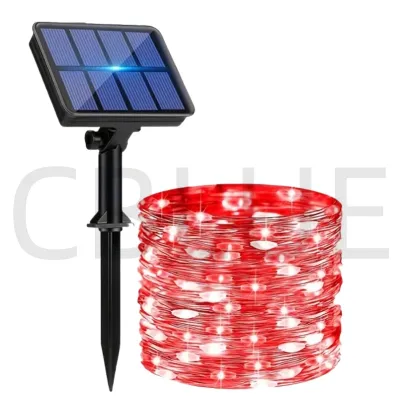
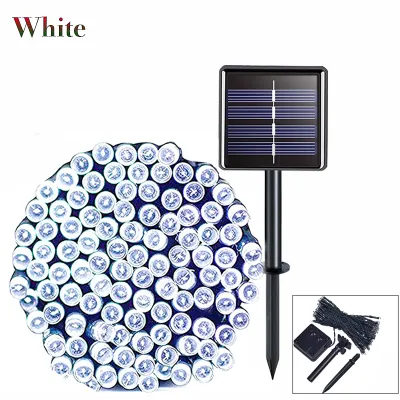
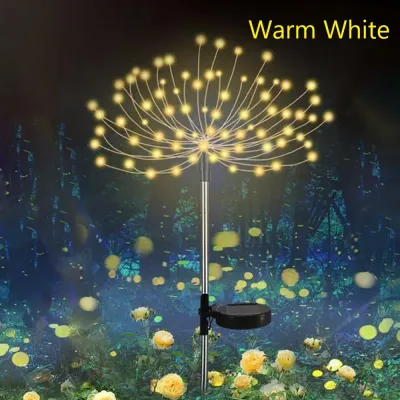
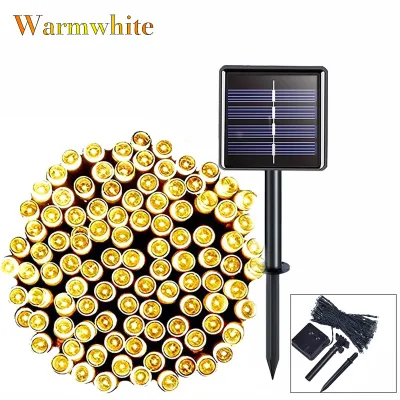
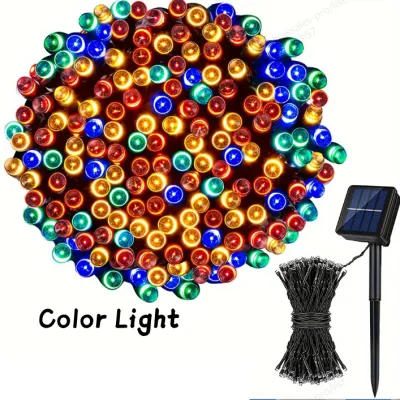
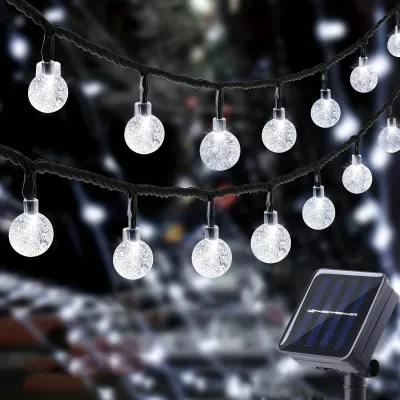
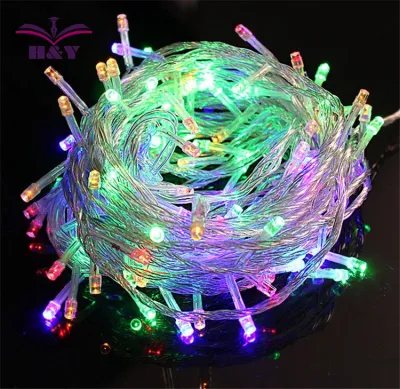
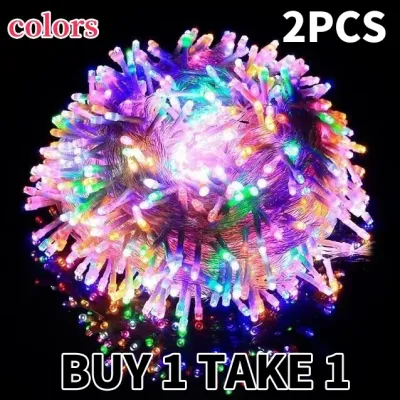
Prices are valid at publication and may change. Please refer to the product page for the latest price.
In addition to water resistance, outdoor lights in the Philippines must withstand intense daytime ultraviolet (UV) radiation. The strong tropical sun can rapidly degrade standard plastic insulation, causing it to become brittle, crack, and expose live copper wires to the elements. When evaluating products, check the manufacturer specifications for UV-resistant wire jackets, often made of heavy-duty rubber or thick polyvinyl chloride (PVC). These durable materials resist cracking and discoloration, ensuring the wiring remains flexible and safely insulated over multiple holiday seasons.
Choosing the Right Power Source for Your Outdoor Layout
Selecting the ideal power source for your outdoor Christmas lights depends on your garden layout, proximity to electrical outlets, and maintenance preferences. The three primary options—solar-powered, battery-operated, and traditional plug-in lights—each offer distinct advantages and limitations.

Solar-powered string lights are highly convenient for open garden areas, trees, and perimeter fences where running extension cords is impractical. These systems rely on a small solar panel connected to a rechargeable battery, which automatically powers the lights at dusk. To ensure optimal performance, you must position the solar panel in a spot that receives direct, unobstructed sunlight for at least six to eight hours during the day. Keep in mind that during the rainy season or on heavily overcast days, the solar panel may not charge fully, resulting in dimmer illumination or shorter operating times at night.
Battery-operated lights offer excellent flexibility for localized, hard-to-reach decorations such as wreaths on front doors, mailbox garlands, or small patio table centerpieces. Because they do not require an active electrical outlet, they eliminate the trip hazards associated with trailing wires. However, managing battery-operated setups requires regular monitoring, as standard alkaline or rechargeable batteries will need replacement or recharging every few weeks depending on daily usage. To minimize maintenance, look for battery packs that feature built-in automatic timers, which turn the lights off after a set number of hours to conserve power.
For large-scale, high-brightness displays along rooflines and expansive facades, traditional plug-in lights remain the most reliable choice. When planning a plug-in setup, you must use outdoor-rated extension cords that feature thick insulation and grounded three-prong plugs. It is essential to calculate the total wattage of your connected light strings to avoid overloading your home’s electrical circuits. Opting for energy-efficient light-emitting diode (LED) strings allows you to connect multiple sets end-to-end safely, as they draw significantly less power than older incandescent bulbs.
Matching Light Styles to Your Landscape and Architecture
Transforming your home’s exterior into a festive holiday display requires matching the style of your Christmas lights to the architectural features and natural landscaping of your property. Different light configurations are designed to highlight specific areas, from the high peaks of your roof to the low borders of your garden pathways.
Icicle and curtain lights are ideal for accentuating horizontal architectural lines, making them perfect for roof eaves, balcony railings, and window frames. Icicle lights feature drops of varying lengths that mimic dripping ice, creating a classic holiday look along the edge of your roof. Curtain lights, which consist of long, parallel vertical strands hanging from a main horizontal wire, can be draped behind sheer outdoor curtains or hung against flat exterior walls to create a dramatic backdrop of cascading light.
For low-lying garden features like shrubs, hedges, and manicured bushes, net lights offer a quick and uniform decorating solution. Instead of wrapping individual strands around every branch, you can simply drape a grid-like net of lights over the foliage for even distribution. If you want to highlight mature trees, wrapping classic string lights tightly around the main trunk and larger branches emphasizes the natural structure of your garden, creating an elegant, organic focal point.
Ground-level illumination can be achieved using pathway stakes and driveway markers, which guide guests safely to your entrance while defining the boundaries of your lawn. These lights are typically mounted on durable plastic stakes that push directly into the soil, keeping the bulbs elevated above wet grass and mud. When choosing your overall design, consider the visual impact of different color temperatures and bulb shapes. Warm white lights (around 2700K to 3000K) evoke a cozy, traditional ambiance, while cool white lights (5000K and above) deliver a crisp, modern look. If you prefer a highly festive, energetic atmosphere, multi-colored LED strings with programmable motion effects can bring dynamic energy to your outdoor display.
Safety and Installation Guidelines for the Wet Season
Installing outdoor electrical decorations during the wet tropical season requires strict adherence to safety protocols to prevent electrical shocks, short circuits, and fire hazards. Before hanging a single strand of lights, carefully inspect every cord, plug, and control box for signs of wear, cracking, or exposed copper wiring. Discard any light strings that show damage, as attempting to patch compromised insulation with electrical tape is unsafe for outdoor, wet-weather use.
To protect your home’s electrical system, always plug your outdoor lights into outlets protected by a Ground Fault Circuit Interrupter (GFCI). These specialized outlets detect unsafe electrical currents and instantly cut power to prevent shocks. Ensure that all outdoor outlets are fitted with heavy-duty, weatherproof “in-use” covers that keep rain out even when cords are plugged in. Avoid overloading your outlets by distributing the electrical load across multiple circuits, and never exceed the maximum wattage rating specified by the manufacturer for end-to-end light connections.
When securing your lights to gutters, shingles, or railings, use plastic mounting clips specifically designed for holiday lighting rather than metal staples, nails, or screws. Metal fasteners can easily pierce or pinch the protective wire insulation, creating a direct path for water to enter and cause a short circuit. Ensure the wires are held snugly but not stretched tightly, leaving a small amount of slack to accommodate wind movement. If your installation involves complex fixed wiring, mounting lights at extreme heights, or integrating lights directly into your home’s main electrical panel, always consult a qualified professional electrician to ensure compliance with local electrical codes.
Shopping Checklist for Online and In-Store Purchases
Navigating online marketplaces and physical retail stores requires a discerning eye to ensure you purchase genuine, weather-resistant products. Because many lights are marketed as versatile, you must actively verify that the specific model you choose is certified for safe outdoor use.
First, examine the product packaging or online specification sheet for explicit outdoor certifications and IP ratings. Do not rely solely on promotional images showing the lights in a garden setting; instead, look for clear text indicating outdoor suitability and check for recognized safety certification marks. Verify that the control box and power adapter—not just the light strand itself—are rated for outdoor exposure, as many products feature waterproof bulbs but non-waterproof plugs.
When shopping on e-commerce platforms, carefully evaluate seller ratings and read verified buyer reviews, filtering specifically for feedback regarding long-term outdoor durability. Look for reviews from customers who have used the lights through heavy rainstorms, as this provides practical insight into the product’s real-world weatherproofing. Finally, review the seller’s return policy and warranty terms before completing your purchase. Reliable manufacturers often provide a warranty on electrical components, giving you recourse if a strand fails prematurely due to moisture ingress.
Frequently Asked Questions (FAQ)
Can I use indoor Christmas lights outside if they are covered?
No, you should never use indoor-rated Christmas lights outdoors, even if they are placed in fully covered areas like porches or deep balconies. Indoor lights lack the specialized weatherproofing, sealed sockets, and heavy-duty wire insulation required to withstand outdoor conditions. High humidity, blowing rain, and ambient moisture can easily penetrate indoor light strings, leading to short circuits, blown fuses, or electrical shocks. Always verify that any light string used outside carries an explicit outdoor rating.
How do I store outdoor Christmas lights after the holiday season?
Proper storage is essential to preserve the lifespan and safety of your outdoor lights for future holiday seasons. Before packing them away, unplug the lights and wipe down the strands with a dry cloth to remove dirt, dust, and moisture. Allow the lights to air dry completely in a well-ventilated indoor space to prevent mold growth and wire corrosion. Coil the strands loosely around a cardboard spool or a dedicated light storage reel to avoid sharp bends that can break internal copper filaments, and store them in a sealed, pest-proof plastic container kept in a cool, dry place.
Do solar Christmas lights work during the rainy season?
Solar Christmas lights will continue to function during the rainy season, but their performance will be significantly reduced. Because solar panels require direct sunlight to charge their internal batteries fully, consecutive cloudy, overcast, or rainy days will limit the amount of stored energy. As a result, you may notice that the lights appear dimmer or turn off much earlier in the night than they would during sunny periods. If you require consistent, bright illumination regardless of the weather, plug-in or battery-operated lights are more reliable alternatives during prolonged wet spells.
Community discussion
Share your experience or ask a question. Comments are reviewed before publication.