
Selecting the right hanging Christmas light for outdoor displays requires balancing festive aesthetics with rigorous safety standards. In tropical climates like the Philippines, where the holiday season can bring sudden heavy downpours, high humidity, and intense daytime heat, choosing lights with the correct waterproof ratings and electrical specifications is essential. To ensure your outdoor display remains safe and vibrant throughout the festive season, you must look for appropriate Ingress Protection (IP) ratings, verify electrical compatibility with local power standards, select durable wire and bulb materials, and follow secure installation practices.
Understanding Waterproof Ratings for Outdoor Hanging Christmas Lights
When shopping for outdoor hanging Christmas lights, the term “waterproof” can be misleadingly broad. To make an informed decision, look for the Ingress Protection (IP) rating, which is a standardized scale indicating how well an electrical enclosure protects against solids and liquids. The rating consists of two numbers: the first digit represents protection against solid objects, while the second digit represents protection against liquids. For outdoor holiday displays, the second digit is the most critical factor to analyze.
An IP44 rating is the minimum standard for outdoor use, meaning the light string can withstand splashing water from any direction. However, IP44 lights are best suited for semi-sheltered areas, such as covered patios, porches, or under deep roof eaves where they are not directly exposed to torrential rain. If you plan to hang your lights in fully exposed areas—such as draped over garden fences, wrapped around tree trunks, or strung along open rooflines—look for a minimum rating of IP65.
Products mentioned in this guide
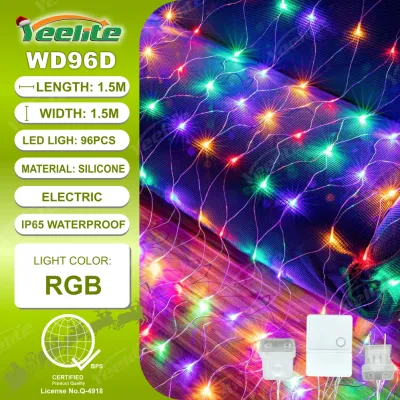
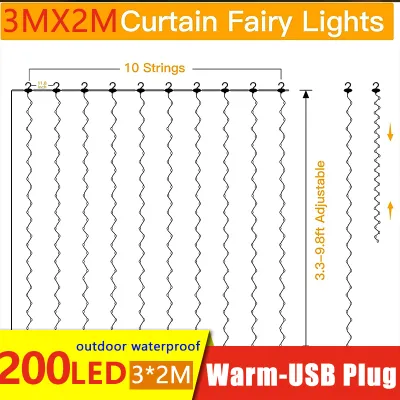
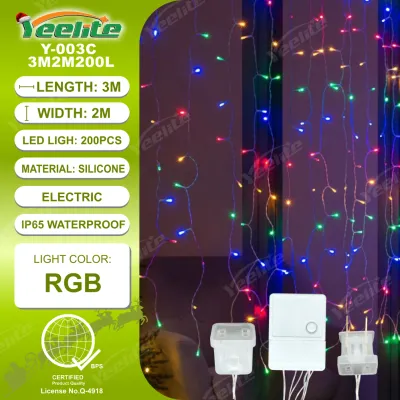
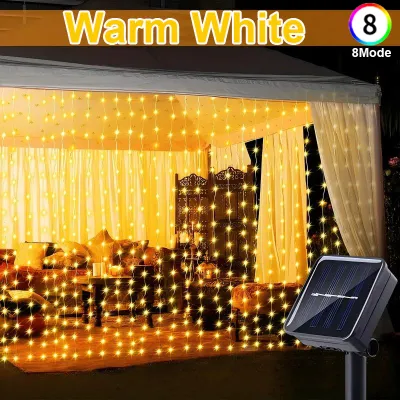
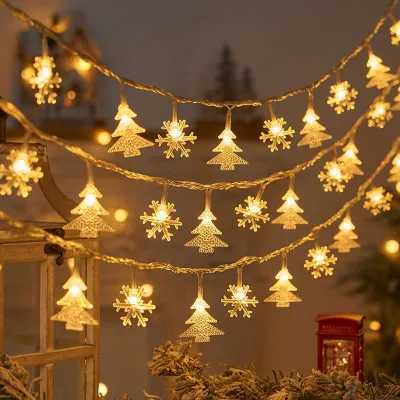
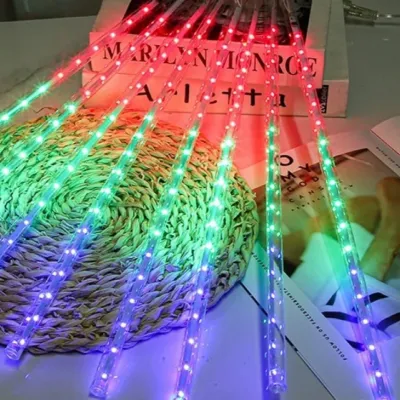
Prices are valid at publication and may change. Please refer to the product page for the latest price.
An IP65 rating indicates protection against water jets, ensuring the light string can handle heavy tropical downpours without short-circuiting. For extreme exposure or low-lying areas prone to temporary pooling, IP67-rated lights offer protection against temporary immersion, though they should never be permanently submerged. Beyond the IP rating, check the manufacturer’s product manual for specific weather limitations and temperature operating ranges to prevent premature degradation of plastic casings and wire insulation.
Key Electrical and Safety Specifications to Check
Electrical safety is paramount when installing temporary outdoor lighting. In the Philippines, the standard residential electrical supply is 220V AC at 60Hz. Before purchasing any hanging Christmas light, verify that the product label explicitly states compatibility with these parameters to prevent immediate product failure, overheating, or electrical hazards. Additionally, inspect the plug type to ensure it matches your outdoor outlets—typically Type A or Type B flat-prong plugs—without requiring unstable adapters that could let in moisture.

Another critical safety check is the maximum connectable strands and total wattage limits. Daisy-chaining too many light strings together is a common cause of overloaded circuits and blown fuses. Every manufacturer specifies a maximum number of end-to-end connections or a maximum total wattage limit for a single run. To calculate this, locate the wattage rating of an individual light strand on its tag or packaging, and multiply it by the number of strands you plan to connect. Ensure this total does not exceed the maximum limit specified by the manufacturer or the capacity of your extension cord and wall outlet.
All plugs, connectors, and extension cords used in your display must be explicitly rated for outdoor and wet-location use. Look for heavy-duty cords with rubberized insulation and molded plugs that resist moisture penetration. When connecting multiple strands, use weatherproof connection covers or wrap the joints securely with electrical tape as an extra layer of defense, keeping the connections elevated off the ground where water might pool.
For complex installations, work at significant heights, or any setup requiring fixed wiring, prioritize safety by isolating the power source at the main breaker before beginning. If your outdoor area lacks dedicated, weather-protected Ground Fault Circuit Interrupter (GFCI) outlets, or if you are unsure about the load capacity of your home’s electrical panel, stop and consult a qualified professional electrician.
Design and Bulb Features for Christmas Displays
The choice of bulb technology directly impacts both the visual appeal and the longevity of your outdoor display. Light Emitting Diode (LED) bulbs are highly recommended over traditional incandescent bulbs for outdoor hanging displays. LEDs are exceptionally energy-efficient, consuming a fraction of the power of incandescent bulbs, which helps reduce your ₱ electricity expenses over the holiday season. They also generate virtually no heat, reducing the risk of heat damage to nearby foliage or structural materials. Furthermore, LEDs generally have a much longer operational lifespan and are constructed from durable plastic rather than fragile glass, making them far more resilient against wind and accidental drops.
Color temperature and light colors are conditional preferences that shape the festive atmosphere of your home. Warm white bulbs (typically around 2700K to 3000K) create a cozy, traditional holiday glow that complements classic wooden structures and warm-toned paint. Cool white bulbs (5000K to 6500K) offer a bright, modern, ice-like aesthetic that stands out sharply against dark nights. Multi-color and color-changing options add a playful, dynamic energy to the display. When planning your layout, consider how these colors interact with your existing outdoor paint and landscaping.
The wire material holding the bulbs together requires careful evaluation. Look for heavy-duty rubber or thick, UV-resistant PVC insulated wires. Rubber wires tend to remain highly flexible and durable in varying weather conditions, whereas cheap, thin plastic wires can become brittle under constant tropical sun exposure and crack, exposing live copper. Choose a wire color—such as green, black, white, or clear—that blends seamlessly with the background where the lights will hang, ensuring the wires remain virtually invisible during the day.
Finally, check whether the light set features replaceable bulbs and if spare parts or fuses are included in the package. Swapping out a single damaged bulb or replacing a blown fuse in the plug extends the usable life of your light string, saving you from having to replace the entire set due to a minor issue.
Installation and Hanging Considerations
Proper physical installation is key to preserving the waterproof integrity of your hanging Christmas lights. When mounting your display, avoid using metal staples, nails, or tacks to secure the wires. These sharp fasteners can easily pierce the protective outer insulation, creating a direct path for moisture to enter, which leads to short circuits or electrical shocks. Instead, use dedicated plastic mounting clips, gutter hooks, or outdoor-rated adhesive clips designed specifically for hanging lights. These accessories hold the wires securely without compressing or damaging the protective sheathing.
Outdoor displays must also be engineered to withstand environmental forces. Wind resistance is a major factor for elevated hanging displays, such as those strung between trees or across wide open spaces. For long spans, avoid letting the light string bear its own weight over large distances. Instead, install a sturdy guide wire (tension cable) and secure the light string to it using UV-resistant zip ties. This structural support prevents the electrical wire from stretching, straining, or snapping during sudden gusts of wind.
Ensure that the light strings are positioned with safe clearances from potential moisture traps, such as sagging gutters that pool water, or sharp metal roof edges that could rub against the insulation over time. Keep the lights clear of external heat sources like outdoor spotlights or barbecue grills.
When the holiday season ends, plan for a safe takedown. Switch off and isolate the power before removing any lights. Allow the light strings to dry completely in a shaded, well-ventilated area before packing them away. Storing damp lights in sealed plastic containers traps moisture, which can corrode the electrical contacts, degrade the waterproof seals, and promote mold growth. Coil the wires loosely to avoid tight bends that can fracture the internal copper conductors, and store them in a cool, dry place away from direct sunlight to preserve their durability for the next holiday season.
Frequently Asked Questions (FAQ)
Can I connect multiple strands of outdoor string lights together?
Yes, you can connect multiple strands of outdoor string lights together, but you must strictly adhere to the manufacturer’s maximum connection limits. This limit is determined by the wire gauge and the total wattage capacity of the light string’s internal wiring. Check the product packaging or the safety tag attached near the plug to find the maximum number of connectable sets or the maximum allowable wattage. When daisy-chaining, ensure that the combined wattage of all connected strands does not exceed this specified limit. Always use heavy-duty, outdoor-rated extension cords to connect the main plug to your power source, and keep all connection points elevated and protected from moisture.
How should I store waterproof Christmas lights after the holidays?
To maintain the waterproof integrity and physical condition of your lights, ensure they are completely dry before packing them away. Wipe down the wires and bulbs with a dry cloth to remove any outdoor dirt or moisture. Coil the light strands loosely around a storage reel or a piece of cardboard to prevent tight bends, kinks, or knots, which can damage the internal copper wiring and weaken the waterproof seals. Store the coiled lights in a sturdy, airtight plastic bin placed in a cool, dry indoor environment away from direct sunlight and extreme temperature fluctuations.
Community discussion
Share your experience or ask a question. Comments are reviewed before publication.