
Finding the right waterproof solar lanterns for your outdoor spaces in the Philippines requires balancing aesthetic appeal with rugged weather resistance. With the country’s distinct tropical climate—characterized by intense heat, high humidity, salt-laden coastal breezes, and heavy monsoon rains—standard outdoor lights can quickly fail if they lack the proper protective specifications. To ensure your garden, patio, or pathway remains beautifully illuminated year-round, you must look closely at ingress protection (IP) ratings, material durability, battery chemistry, and structural stability.
By focusing on key technical specifications rather than relying solely on product appearance, you can select solar lanterns that not only withstand the elements but also provide reliable, energy-efficient illumination. This guide outlines the essential factors to consider, from decoding waterproof ratings to choosing the right form factor and maintaining your fixtures through the changing seasons.
Understanding Waterproof Ratings for Outdoor Solar Lights
When shopping for outdoor solar lanterns, the Ingress Protection (IP) rating is the most critical specification to verify. This standard international rating consists of two numbers: the first indicates protection against solid objects like dust, while the second measures resistance to liquids. For outdoor fixtures exposed to the unpredictable Philippine weather, understanding these numbers is key to preventing premature product failure.
Products mentioned in this guide
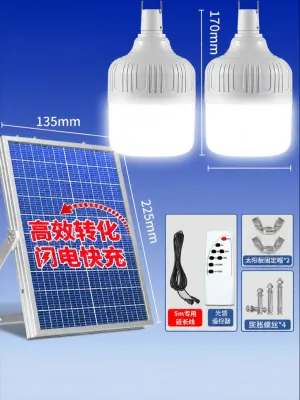
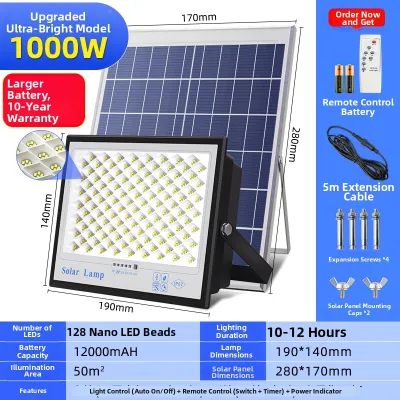
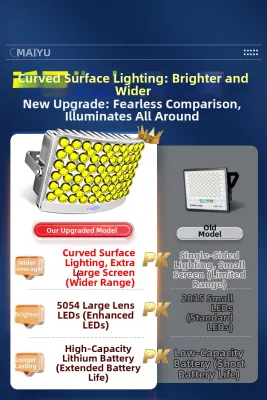
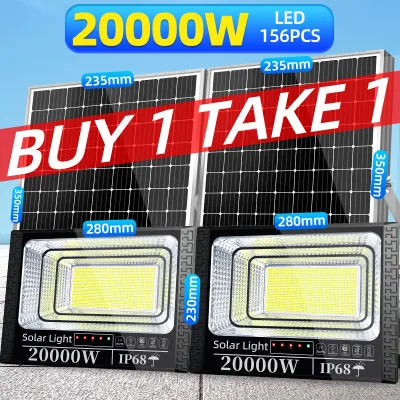
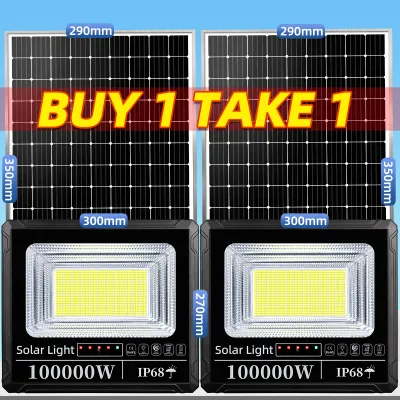
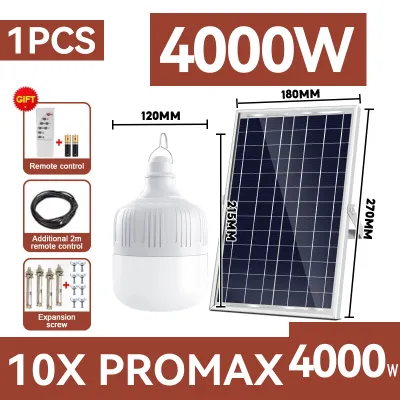
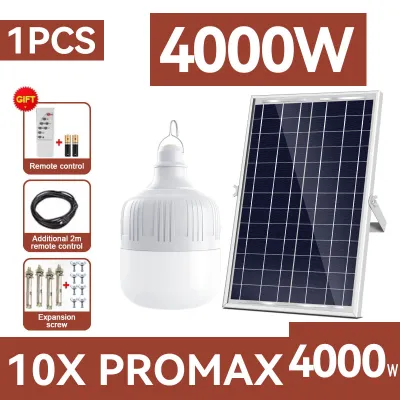
Prices are valid at publication and may change. Please refer to the product page for the latest price.
An IP44 rating means the fixture is protected against solid objects larger than 1 millimeter and splashing water from any direction. While suitable for covered patios, balconies, or semi-sheltered verandas, IP44 lights are generally insufficient for open garden areas where they will face direct, heavy tropical downpours. For fully exposed installations, look for a minimum rating of IP65, which indicates the unit is completely dust-tight and can withstand low-pressure water jets from any angle.
For ground-level installations, such as path lights or spotlights placed in areas prone to temporary flooding or heavy puddling during the rainy season, consider fixtures rated IP67 or IP68. An IP67 rating ensures the light can survive temporary immersion in water up to 1 meter deep for 30 minutes, while IP68 offers continuous protection under deeper water. Matching the IP rating to the specific microclimate of your yard prevents water from seeping into the delicate internal electronics.
Beyond reading the label, physically inspect the construction of the lantern if possible. High-quality waterproof lanterns feature thick silicone or rubber gaskets and O-rings around the battery compartment, solar panel edges, and LED housing. Cheap rubber seals can quickly dry out, crack, and degrade under the intense tropical sun, allowing moisture to bypass the barrier and cause rapid corrosion of the internal circuitry.
It is also important to distinguish between the water resistance of the lantern body and that of the solar panel unit. In some designs, the solar panel is integrated directly into the top of the lantern, sharing the same IP rating. In other setups, a separate solar panel is connected to the lantern via an external wire; in this case, you must verify that both the panel and the connecting plug have adequate waterproof ratings to prevent water from entering the connection point.
Key Specifications to Check Before Purchasing
To ensure your solar lanterns deliver consistent performance and last for years, you must evaluate several core technical specifications. The efficiency of the solar panel, the chemistry of the battery, the brightness output, and the housing materials all play a vital role in how well the light functions in a tropical environment.

First, examine the solar panel type, which is typically monocrystalline or polycrystalline. Monocrystalline panels are made from a single pure silicon crystal, giving them a dark, uniform appearance; they offer higher energy conversion efficiency (often between 15% and 22%) and perform better in low-light or overcast conditions. Polycrystalline panels, recognizable by their blue, speckled look, are generally less expensive but have lower efficiency (typically 13% to 16%) and require more direct, intense sunlight to achieve a full charge.
Next, check the battery chemistry and accessibility. Modern solar lanterns usually employ either Lithium-ion (Li-ion) or Lithium Iron Phosphate (LiFePO4) batteries, which offer superior energy density, faster charging times, and longer overall lifespans compared to older Nickel-Metal Hydride (NiMH) batteries. Always verify if the battery compartment is designed for user replacement; being able to swap out a degraded battery after a few years of use prevents you from having to discard an otherwise perfectly functional lantern.
Brightness and color temperature are essential for matching the light to its intended purpose. Brightness is measured in lumens; for decorative ambient lighting on a tabletop or hanging from a tree, 10 to 50 lumens is usually sufficient to create a cozy atmosphere. For functional safety lighting along pathways or steps, look for fixtures that deliver 100 lumens or more. Color temperature, measured in Kelvin (K), is a matter of personal preference: warm white (2700K to 3000K) offers a relaxing, resort-like glow, while cool white (5000K to 6500K) provides high-contrast, functional visibility.
If the solar lantern includes a hybrid charging option, such as a USB backup port for consecutive rainy days, verify the input voltage, interface type (such as USB-C), and whether a compatible cable is included. For lanterns that utilize replaceable LED bulbs, always check the base type (such as E27) and the maximum wattage limit specified by the manufacturer to prevent overheating and potential damage to the housing.
Finally, assess the housing materials for UV resistance and rust prevention. The intense ultraviolet rays of the tropical sun can cause cheap plastics to become brittle, yellow, and crack over time; look for UV-stabilized plastics like high-grade ABS or polycarbonate. For metal components, prioritize rust-resistant materials such as marine-grade stainless steel, powder-coated aluminum, or heavy-duty brass, which are especially crucial in coastal regions where salty air accelerates corrosion.
Choosing the Right Form Factor for Your Space
Solar lanterns come in various designs, each suited to different areas of your outdoor living space. Selecting the right form factor involves evaluating where the light will be placed, how the light will be distributed, and how the fixture will handle local wind conditions.
Hanging lanterns are excellent for elevating the light source, making them ideal for suspending from pergola beams, sturdy tree branches, or roof eaves. They create a warm, overhead glow that is perfect for outdoor dining or lounge areas. When installing suspended loads, ensure the mounting hooks, chains, or brackets are securely anchored to withstand sudden gusts of wind, and follow proper safety guidelines when working at heights.
Stake-mounted torches and lanterns are designed to be pushed directly into the ground, making them perfect for lining garden pathways, driveways, or flower beds. When choosing stake lights, consider the soil conditions in your yard; clay-heavy soils may require pre-digging a small pilot hole to avoid snapping plastic stakes, while sandy coastal soils may require longer, wider stakes for adequate stability. Tabletop lanterns offer maximum portability, allowing you to move the light wherever it is needed, provided they have a flat, weighted base to prevent them from tipping over on windy nights.
Wall-mounted solar lanterns are fixed permanently to exterior walls, fences, or posts, providing stable and reliable perimeter lighting. If you choose a wall-mounted model that features a backup connection to your home’s electrical grid, safety is paramount. Always isolate the power at the circuit breaker before beginning installation, strictly follow the manufacturer’s instructions, and consult a qualified professional for any fixed electrical wiring.
Consider how the physical structure and diffuser material of the lantern affect the light spread and shadow patterns. Lanterns with clear glass or open cage designs project bright, direct light but can sometimes cause harsh glare. Frosted or textured diffusers soften the light, distributing it evenly and reducing glare, which is ideal for eye-level placement. Decorative lanterns with intricate cut-out patterns cast beautiful, artistic shadows on surrounding surfaces, transforming your garden into a visually engaging space after dark.
Weight and wind resistance are critical factors in areas exposed to strong monsoon winds. Lightweight plastic lanterns can easily be blown away, damaged, or lost during sudden storms. Opt for fixtures with a solid, weighted build, or ensure they can be securely fastened to their mounting surfaces to prevent them from becoming hazards during periods of high wind.
Installation and Maintenance Best Practices
Proper installation and routine care are essential to maximizing the lifespan and performance of your outdoor solar lights. Because solar lanterns rely entirely on the sun for power, their placement and upkeep directly determine how brightly and how long they will shine each night.
Position your solar panels where they will receive the maximum amount of direct, unshaded sunlight daily—ideally between 6 to 8 hours. Avoid placing them under deep roof eaves, dense tree canopies, or in the shadow of walls and fences. Keep in mind that the sun’s path changes throughout the year; a spot that receives full sun during the dry season might be completely shaded during the wet season, requiring you to adjust the position of portable fixtures.
Regular maintenance is simple but vital for keeping the charging system efficient. Dust, dirt, pollen, and salt residue can quickly accumulate on the flat surface of the solar panel, blocking sunlight and reducing its ability to charge the battery. Wipe the panels clean every few weeks using a soft, damp microfiber cloth; avoid using abrasive scrubbing pads or harsh chemical cleaners, which can scratch the protective coating and permanently degrade panel efficiency.
Perform periodic visual inspections of your solar lanterns to catch potential issues before they cause permanent damage. Check for signs of moisture ingress, such as condensation forming inside the lens or battery compartment. Open the battery housing occasionally to inspect the terminals for white, powdery corrosion; if found, clean it off gently with a small brush and ensure the rubber gasket is seated correctly before resealing the compartment.
Finally, take proactive precautions during severe weather. While high-quality solar lanterns are designed to be waterproof and weather-resistant, they are not built to withstand the extreme winds, flying debris, and torrential downpours of a severe tropical storm or typhoon. Before a major storm arrives, temporarily store lightweight hanging, tabletop, or stake-mounted lights indoors or in a secure garden shed to protect them from physical destruction and extend their overall service life.
Frequently Asked Questions (FAQ)
Do waterproof solar lanterns charge effectively during the rainy season?
Yes, solar lanterns can still charge on cloudy or rainy days, but their efficiency is significantly reduced. Solar panels utilize ambient daylight to generate electricity, meaning they do not require direct, bright sunlight to function. However, because overcast skies block a large portion of solar radiation, the battery will not reach a full charge, resulting in shorter runtimes at night. To ensure better performance during the rainy season, choose lanterns equipped with highly efficient monocrystalline solar panels and larger battery capacities that can store excess energy on sunny days.
How often should the batteries in outdoor solar lights be replaced?
On average, the rechargeable batteries in outdoor solar lights last between 1 to 3 years before their capacity begins to degrade. If you notice that your solar lantern only stays illuminated for an hour or two at night despite receiving a full day of sunlight, the battery likely needs to be replaced. Always consult the manufacturer’s guidelines to identify the exact battery type, voltage, and capacity required for your specific fixture, and ensure the replacement battery matches those specifications precisely.
Can solar torches be left outside during heavy typhoons?
It is highly recommended to bring solar torches and other lightweight outdoor fixtures indoors during heavy typhoons. Even if a fixture has a high waterproof rating like IP65 or IP67, the extreme wind speeds, torrential rains, and flying debris associated with typhoons can easily dislodge stake-mounted lights, blow hanging lanterns off their hooks, or crack the solar panels. Temporarily storing your solar lights in a safe, dry place during severe weather events will prevent physical damage and significantly prolong their operational lifespan.
Community discussion
Share your experience or ask a question. Comments are reviewed before publication.