
Selecting the right seasonal decorative lighting for your Philippine home during the Christmas holidays is a balance of aesthetics and environmental survival. To withstand the unique tropical climate, you should buy outdoor-rated LED string lights with a minimum rating of IP65, certified with Philippine Standard (PS) or Import Commodity Clearance (ICC) marks, and designed for 220V/60Hz electrical systems. Making the wrong choice can lead to short circuits, damaged fixtures, or electrical hazards during sudden tropical downpours.
By focusing on weatherproofing, electrical compatibility, and proper installation techniques, you can build a stunning outdoor holiday display that safely endures the festive season. This guide will help you decode technical specifications, plan your layout, and execute a safe, beautiful installation.
Understanding the Philippine Christmas Season and Weather Challenges
The Philippine Christmas season is famously the longest in the world, starting as early as September (the “Ber” months) and extending well into January. Outdoor decorating typically peaks in late November and early December, meaning your lights will be exposed to the elements for two to four months. This extended display period requires durable equipment that can handle prolonged exposure without degrading.
Products mentioned in this guide
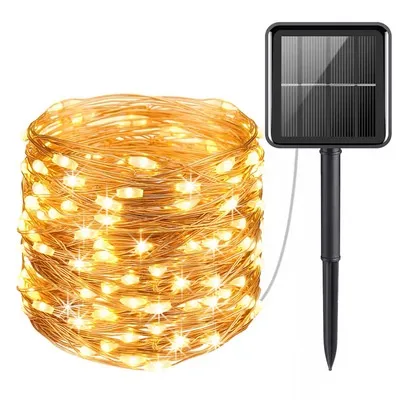
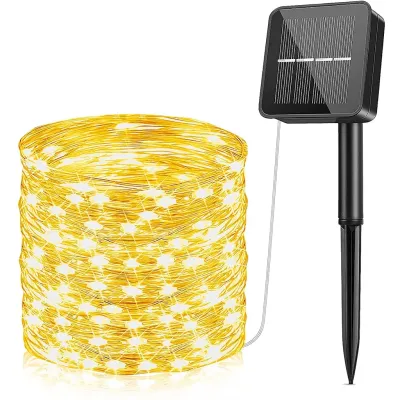
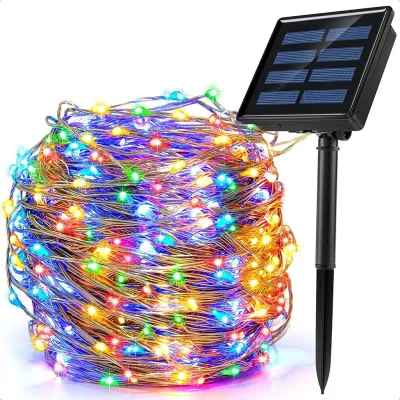
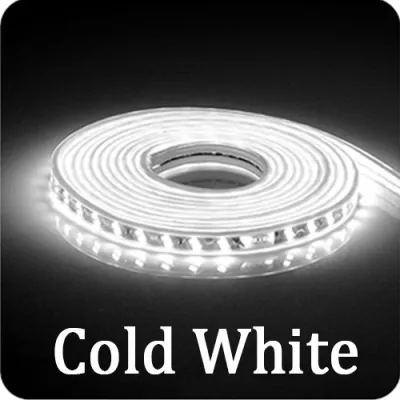
Prices are valid at publication and may change. Please refer to the product page for the latest price.
During this period, the local climate undergoes a transition from the wet monsoon season to the cooler dry season. However, sudden tropical downpours, high ambient humidity, and intense afternoon sun remain common throughout December. Furthermore, late-season tropical depressions can bring strong winds that put physical stress on hanging outdoor fixtures.
Standard indoor lights or low-quality alternatives lack the robust insulation and physical seals required to survive these conditions. Water ingress quickly leads to short circuits, tripped circuit breakers, and rapid corrosion of internal copper wiring, turning a festive display into a safety hazard. Investing in durable, weather-resistant seasonal decorative lighting is essential to protect your home and ensure your display lasts throughout the holidays.
Key Specifications for Outdoor Seasonal Decorative Lighting
Decoding Waterproof IP Ratings
Ingress Protection (IP) ratings are international standards that define how effectively an electrical enclosure seals against solids and liquids. When shopping for seasonal decorative lighting, this two-digit code is the most critical indicator of outdoor durability. The first digit (0 to 6) measures protection against solid objects like dust, while the second digit (0 to 9) measures protection against liquids.

An IP44 rating means the product is splash-proof from any direction, making it suitable for covered outdoor spaces like carports, porches, or deeply recessed balconies. It is not designed to handle direct, heavy rainfall over extended periods. For fully exposed areas like rooflines, trees, and open gardens, you should look for an IP65 rating or higher.
An IP65 rating indicates the lights are completely dust-tight and protected against water jets from any angle, making them highly resilient against heavy tropical downpours. An IP67 rating offers protection against temporary submersion in water, which is generally unnecessary for hanging lights but highly beneficial for ground-level pathway lights prone to puddling. Always verify that both the light strand itself and the power plug or transformer carry the necessary IP rating, as some products feature waterproof wires but package them with non-waterproof indoor plugs.
Electrical Compatibility and Safety Marks
Safety must always come first when dealing with outdoor electrical installations. In the Philippines, the standard household power supply operates at 220 volts (V) and a frequency of 60 hertz (Hz). Before purchasing any imported string lights online or in physical stores, confirm that the product specifications explicitly list compatibility with 220V/60Hz to prevent immediate electrical failure or fire risks.
To guarantee electrical safety, look for authentic local certification marks on the packaging. Physical hardware stores and official brand stores on e-commerce platforms carry products with the Philippine Standard (PS) quality mark or the Import Commodity Clearance (ICC) sticker. These certifications prove that the lighting products have undergone rigorous testing for insulation thickness, flame retardancy, and electrical safety.
Avoid uncertified, ultra-cheap imports often found in unregulated markets. These budget lights frequently use thin, low-grade copper wires that easily overheat, lack built-in safety fuses, and feature brittle plastic insulation that cracks under the tropical sun. Spending slightly more on certified products protects your property and ensures peace of mind.
LED Efficiency and Color Temperature
Modern light-emitting diode (LED) string lights have largely replaced traditional incandescent bulbs for outdoor holiday displays. LEDs consume up to 80% less electricity, which is a vital consideration given local utility rates. Additionally, LEDs generate virtually no heat during operation, significantly reducing the risk of dry foliage or synthetic decorations catching fire.
When selecting your lights, consider how color temperature influences the visual atmosphere of your home. Warm white lights, ranging from 2700K to 3000K, emit a soft, golden glow that evokes a cozy, traditional, and elegant Christmas ambiance. Cool white lights (5000K to 6500K) offer a bright, modern, and snowy aesthetic that stands out sharply against dark nights, while multicolor options provide a vibrant, playful energy.
Choosing between these color temperatures is a matter of personal preference and architectural style rather than a measure of performance. Select the option that best complements your home’s exterior paint, landscaping, and overall holiday theme.
Planning Length, Spacing, and Design for Your Space
Measuring Techniques: Accurate planning prevents the frustration of running out of lights mid-installation or dealing with excess dangling cords. Use a flexible measuring tape or a piece of string to measure the exact lengths of your rooflines, gutters, railings, and balcony edges. For wrapping columns, pillars, or tree trunks, calculate the circumference and multiply it by the number of turns you plan to make. Always add an extra 10% to 15% to your total measurement to account for gentle sagging, navigating around corners, wrapping tight spaces, and safely reaching the nearest outdoor power outlet.
Bulb Spacing: The distance between individual bulbs on a strand dictates the overall visual density of your display. Tighter bulb spacing (typically 2 to 4 inches apart) creates a concentrated, continuous line of light, which is ideal for highlighting architectural lines, roof edges, and window frames. Wider bulb spacing (6 to 12 inches apart) provides a softer, more diffused accent glow, which works beautifully when draped loosely across garden hedges, large tree canopies, or open-air patios.
Design Styles:
- Globe or patio lights: These feature larger, round bulbs (such as G40 or S14 styles) that provide substantial illumination. They are perfect for hanging above outdoor dining areas, balconies, or pergolas where you want both festive atmosphere and functional light.
- Fairy or copper wire lights: These consist of tiny, micro-LEDs embedded along thin, flexible metal wires. Their lightweight and highly bendable nature makes them the ultimate choice for wrapping around tree branches, delicate railings, or creating intricate indoor-outdoor transition displays.
- Icicle lights: Designed specifically to mimic hanging ice, these strands feature drops of varying lengths hanging down from a main horizontal wire. They are best installed along rooflines, gutters, and eaves to create a classic, cascading holiday border.
Safe Installation and Weatherproofing Practices
Before beginning any outdoor lighting installation, safety must be your absolute priority. Always switch off and isolate the power source at your circuit breaker before plugging in, adjusting, or hanging any electrical components. Working on live circuits, especially in outdoor or damp environments, carries a severe risk of electric shock.
Use only extension cords and surge protectors that are explicitly rated for outdoor use. These heavy-duty cords feature thick, weather-resistant rubber jackets designed to withstand moisture and UV exposure. Keep all electrical connections, plugs, and splitters elevated off the ground. Never allow connections to rest in areas where rainwater can pool, such as lawns, soil, or low-lying patio corners.
To weatherproof your connections, wrap all plug-to-plug joints securely with high-quality waterproof electrical tape, or house them inside specialized plastic outdoor connection boxes. Applying a thin layer of dielectric grease to the plug prongs before connecting can also help repel moisture and prevent corrosion. Additionally, form a “drip loop”—a downward curve in the cord right before it enters a plug or outlet—so that rainwater runs to the bottom of the loop and drips off rather than flowing directly into the electrical connection.
When securing your lights, use plastic light clips, zip ties, or weather-resistant adhesive hooks designed for outdoor surfaces. These fasteners hold the strands securely without damaging your home’s exterior. Strictly avoid using metal staples, nails, or screws to hang your lights, as metal fasteners can easily pierce the protective vinyl insulation of the wire, leading to immediate short circuits, electrical shocks, or fire hazards.
Always prioritize personal safety when working at heights or with electrical systems. You should hire a qualified, licensed electrician for any permanent hardwired installations, complex setups on high roofs or multi-story homes, or if you are uncertain about your home’s outdoor circuit capacity.
Maintenance and Post-Holiday Storage
To protect your investment and ensure your seasonal decorative lighting lasts for many Christmases to come, proper post-holiday care is essential. Once the holiday season ends, carefully take down the lights, taking care not to pull or yank the strands, which can damage the internal copper filaments.
Cleaning: Gently wipe down the bulbs and wires with a dry or slightly damp microfiber cloth to remove accumulated dust, pollen, bird droppings, and cobwebs. Avoid using harsh chemical cleaners or abrasive pads that can scratch the plastic lenses or degrade the wire coatings.
Drying: Allow all components to air-dry completely in a shaded, well-ventilated area before packing them away. Storing even slightly damp lights will trap moisture, leading to rapid metal corrosion, mold growth, and premature electrical failure.
Storage: Coil the light strands loosely around your hand and elbow, avoiding tight kinks or sharp bends that can snap the internal wiring. Store the coiled lights in a sealed, heavy-duty plastic container rather than cardboard boxes, which attract moisture and pests. To combat the high relative humidity of the Philippine climate, toss several silica gel packets into the container to absorb residual moisture, and keep the box stored in a cool, dry place away from direct sunlight and rodents.
Frequently Asked Questions (FAQ)
Can I leave outdoor string lights up year-round in the Philippines?
While some heavy-duty commercial-grade string lights are designed to withstand permanent outdoor installation, standard seasonal decorative lighting is not. The intense, year-round ultraviolet (UV) radiation from the Philippine sun will quickly degrade plastic insulation, making it brittle and prone to cracking. Combined with heavy monsoon rains and high humidity, year-round exposure dramatically shortens the lifespan of holiday lights. To maximize your investment, it is highly recommended to take down and store your Christmas lights once the season concludes.
Are solar-powered string lights reliable for Christmas decor?
Solar-powered string lights offer excellent benefits, including zero operating costs on your electricity bill and complete independence from outdoor power outlets. However, their performance relies entirely on receiving direct, unobstructed sunlight during the day. In the Philippines, the month of December often brings cloudy days, sudden rain showers, and shorter daylight hours, which can result in dim lighting or a very limited run time at night. For these reasons, solar lights are best utilized as secondary decorative accents in sun-exposed garden areas rather than your primary, all-night architectural lighting.
Community discussion
Share your experience or ask a question. Comments are reviewed before publication.