
Selecting the right LED ceiling pin lights requires balancing brightness and light distribution to suit your space. Wattage dictates the energy consumption and potential brightness, while the beam angle determines how wide or focused the light spread will be. The ideal combination depends on your ceiling height, room function, and whether you need general ambient lighting or focused accent lighting.
In tropical climates like the Philippines, where homes often feature high ceilings or open-plan layouts to maximize airflow, selecting the correct specifications is crucial. Poorly chosen pin lights can lead to dark corners, uncomfortable glare, or excessive heat buildup in ceiling cavities. Understanding how wattage and beam angles interact allows you to design a comfortable, energy-efficient lighting scheme.
Understanding Wattage and Brightness for Ceiling Pin Lights
Historically, homeowners associated wattage directly with brightness. With modern LED technology, wattage represents only the electrical power consumed, while lumens measure the actual light output. An LED pin light consumes significantly less energy than an older halogen bulb while producing the same or greater amount of light, making it a highly efficient choice for reducing monthly electricity bills.
Products mentioned in this guide
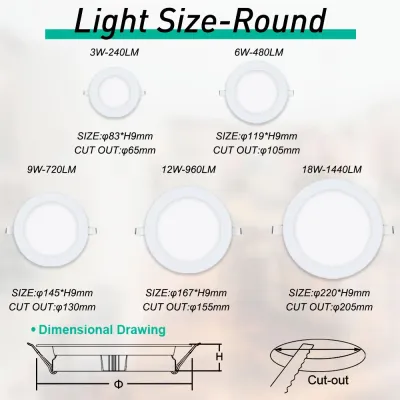
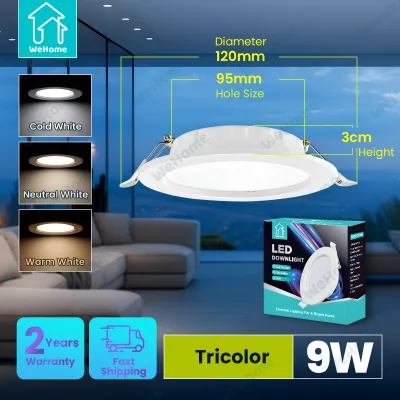
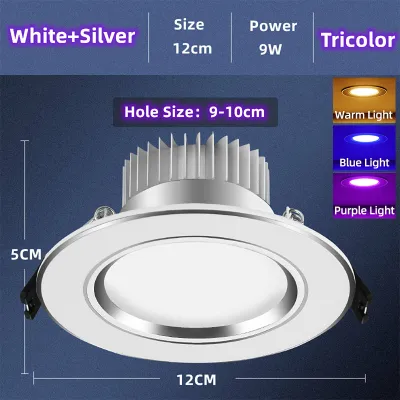
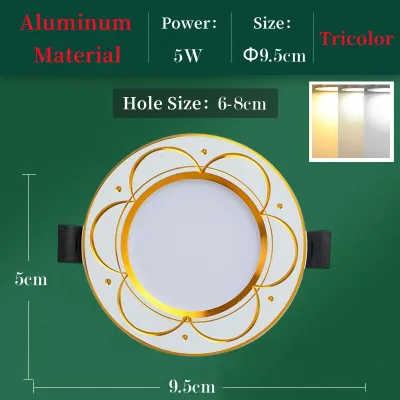
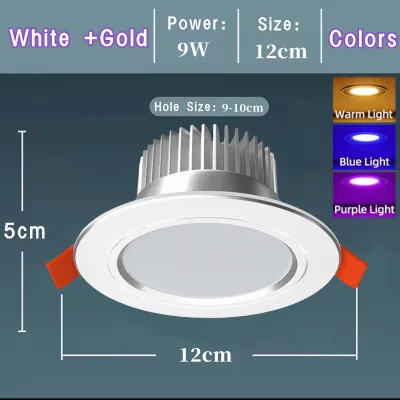
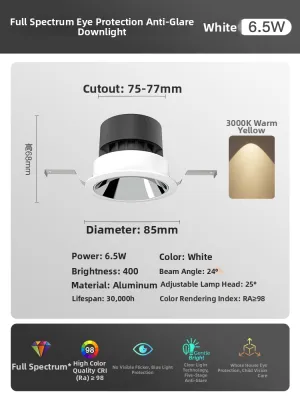
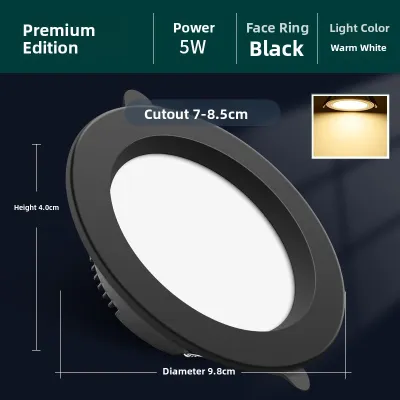
Prices are valid at publication and may change. Please refer to the product page for the latest price.
When assessing your brightness needs, consider the primary function of each room. Task-heavy areas like kitchens, home offices, and vanity areas require higher lumen outputs to ensure safety and precision. Conversely, living rooms, bedrooms, and hallways benefit from lower overall brightness to create a relaxing, inviting atmosphere.
Ceiling height also plays a critical role in determining your required brightness. Standard residential ceilings of around 2.4 to 2.7 meters can easily be illuminated with lower-wattage LED pin lights, typically ranging from 5 to 9 watts. However, double-height ceilings or loft spaces may require higher-wattage fixtures, such as 12 to 15 watts, to ensure the light successfully travels down to the living plane.
Before purchasing any new fixtures, always check the maximum wattage limits of your existing ceiling cans or electrical circuits. Overloading a circuit or installing a bulb that exceeds a fixture’s rated capacity can lead to overheating and electrical hazards. Opting for high-quality LEDs ensures you get the maximum possible lumens per watt, keeping energy consumption low.
Decoding Beam Angles: Wide vs. Narrow Light Spread
The beam angle of a pin light refers to the spread of light emitted from the fixture, measured in degrees. This angle determines how wide the pool of light will be on the floor or walls, as well as the hardness of the shadows created. Selecting the right angle is just as important as choosing the correct brightness, as it dictates the overall mood and functionality of the space.

Narrow beam angles, typically ranging from 15 to 24 degrees, concentrate light into a tight, intense spot. This focused beam is ideal for accent lighting, such as highlighting a piece of artwork, a decorative sculpture, or a specific architectural feature. Because the light is highly concentrated, it creates sharp, dramatic shadows that draw the eye to a single point of interest.
Medium beam angles, usually between 36 and 45 degrees, offer a versatile middle ground. They provide enough spread for general illumination while maintaining a degree of focus, making them excellent for task lighting over kitchen countertops, dining tables, or reading chairs. They help define specific functional zones within an open-concept living space.
Wide beam angles, measuring 60 degrees or more, distribute light broadly across a large area. This wide spread creates soft, diffused shadows and blends seamlessly with neighboring light sources, making it the preferred choice for general ambient lighting in bedrooms and living rooms. It helps eliminate dark spots and ensures the entire room feels evenly illuminated.
Ceiling height directly influences how a beam angle behaves in practice. As a beam of light travels downward, it naturally spreads out and loses intensity. In rooms with exceptionally high ceilings, a wide beam angle may scatter too much light near the ceiling, leaving the floor level dim. In these scenarios, choosing a narrower beam angle helps project the light downward more effectively, ensuring adequate illumination where it is actually needed.
Matching Specs to Your Room's Lighting Layout
Creating an effective lighting layout requires coordinating your fixture spacing, beam angles, and ceiling height. If pin lights are spaced too far apart, you will end up with dark gaps between the pools of light. Conversely, spacing them too closely can cause excessive overlapping glare, making the room feel uncomfortably bright and clinical.
To achieve balanced ambient lighting, aim for a layout where the edges of the light pools gently overlap at floor level. For example, using wide-beam pin lights on a standard ceiling allows for wider spacing between fixtures, whereas narrow-beam lights require closer spacing to avoid dark zones. Sketching a simple ceiling plan on paper before purchasing helps you visualize the light distribution and determine the exact number of fixtures needed.
Layering your lighting is the key to a functional and dynamic room design. Instead of relying on a single type of pin light, combine different wattages and beam angles to serve different purposes. You might use low-wattage, wide-beam pin lights for general ambient warmth, medium-beam fixtures over work surfaces for tasks, and a few narrow-beam spotlights to highlight decorative elements.
Before finalizing your purchase, always verify the physical dimensions and cut-out sizes required for the pin lights. Recessed pin lights require a specific hole diameter and depth in the ceiling board. In homes with shallow ceiling cavities or concrete slabs, slim-profile surface-mounted pin lights or track light alternatives may be necessary to accommodate structural limitations.
Installation Checks and Safety Boundaries
Before installing any ceiling pin lights, you must verify several critical technical specifications to ensure safety and compatibility. Confirm that the fixtures match the local voltage standard, which is typically 220V in the Philippines. Additionally, check the base or interface type of the pin lights to ensure they fit your existing sockets or mounting brackets.
If you plan to install dimmable lighting to adjust the room’s mood, verify that both the LED pin lights and your dimmer switches are explicitly rated as compatible. Using non-dimmable LEDs on a dimming circuit, or pairing dimmable LEDs with an incompatible legacy dimmer, can cause persistent flickering, buzzing, or premature driver failure.
Safety must always be your top priority during installation. For any tasks involving fixed ceiling wiring, working at heights on ladders, or installing fixtures in damp environments like bathrooms, always isolate the power at the main circuit breaker first. Carefully read and follow the manufacturer’s installation instructions. If you are unsure about handling electrical wiring, consult a qualified professional electrician to complete the installation safely.
Finally, ensure your chosen pin lights carry recognized electrical safety certification marks to guarantee they meet local manufacturing standards. Pay close attention to heat dissipation requirements, particularly if you are installing recessed lights into enclosed ceiling cavities. LEDs generate heat at their base, and adequate ventilation is essential to prevent overheating and prolong the lifespan of the fixture.
Frequently Asked Questions (FAQ)
Can I use the same beam angle for every room in my house?
No, using a single beam angle throughout your home is rarely optimal because different rooms serve different functional purposes. A narrow hallway benefits from medium beam angles that guide your path without creating harsh glare on the walls, while a cozy living room is better served by wide beam angles that blend together for soft, ambient illumination. Matching the beam angle to the specific activity in each room ensures both comfort and visual appeal.
Does a higher wattage always mean a better pin light?
No, a higher wattage does not automatically make a pin light better or higher in quality. Luminous efficacy—how many lumens of light the fixture produces per watt of electricity—is a much more important measure of performance. Additionally, factors like glare control, color rendering index (CRI), and how well the light spread matches your room’s layout are far more critical for creating a comfortable and energy-efficient environment.
Community discussion
Share your experience or ask a question. Comments are reviewed before publication.