
Finding a durable front door chime in the Philippines means preparing for some of the most demanding weather conditions in Southeast Asia. Between the intense humidity of the dry season and the relentless downpours of the monsoon months, outdoor decor faces constant exposure to moisture, heat, and sometimes salty coastal air. A chime that looks beautiful in a showroom can quickly succumb to rust, mold, or structural failure if its materials are not suited to these tropical realities.
To ensure your front door chimes remain a welcoming feature rather than a maintenance headache, you must look beyond aesthetic appeal. Choosing the right material requires understanding how different substances interact with high moisture levels and heat. By evaluating material specifications, verifying manufacturer treatments, and establishing a simple maintenance routine, you can select a durable setup that withstands the elements year after year.
How Tropical Weather Affects Outdoor Chime Materials
The climate in the Philippines presents a unique combination of environmental stressors that can rapidly degrade outdoor decor. High relative humidity is a constant factor, keeping moisture levels in the air elevated even on sunny days. When this ambient moisture settles on untreated surfaces, it creates an ideal environment for chemical reactions like oxidation and biological growth like mold or mildew.
Products mentioned in this guide

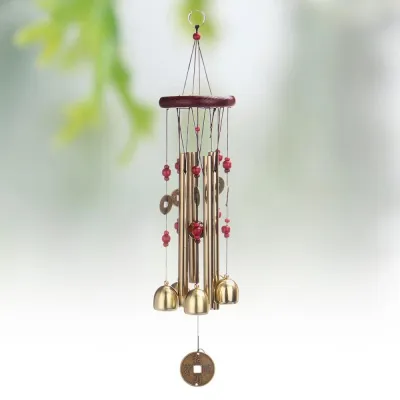
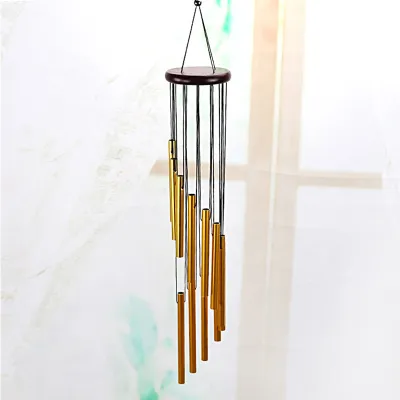
Prices are valid at publication and may change. Please refer to the product page for the latest price.
During the rainy season, heavy monsoon downpours introduce direct, driving water that can penetrate small crevices in your chimes. If water pools inside hollow tubes or saturates porous materials, it accelerates structural decay. For homes located near coastal areas, the air also carries salt particles, which act as a powerful corrosive agent that can eat through standard metal finishes in a matter of months.
These conditions shift the primary focus of choosing a front door chime from pure aesthetics to structural survival. A material that cannot handle constant moisture exposure will quickly warp, crack, or lose its structural integrity. Therefore, the baseline requirement for any outdoor chime is a documented weather-resistant treatment or inherent material properties that have been verified by the manufacturer for outdoor use.
Evaluating Common Chime Materials for Rain and Humidity
When browsing online marketplaces or local home improvement centers, you will encounter three primary material categories: metals, natural woods or bamboo, and synthetic composites. While each category offers distinct acoustic qualities and visual styles, the base material name alone does not guarantee that a chime will survive outdoors.

To make an informed decision, you must cross-reference the base material with its specific finish, protective treatment, or structural design. A metal chime is only as good as its rust-resistant coating, just as a wooden chime depends entirely on its sealant. Understanding these nuances allows you to identify which products are genuinely built for tropical environments and which ones are better suited for sheltered indoor spaces.
Metal Options: Aluminum, Brass, and Steel
Metal chimes are popular for their clear, resonant tones, but they are susceptible to humidity and rain if left unprotected. When evaluating metal options, check product labels for specific protective treatments. Aluminum is naturally resistant to rust, but it still requires anodizing or powder coating to prevent surface oxidation and pitting in humid environments.
Brass is highly durable and naturally resistant to deep corrosion, but it will develop a dark patina over time when exposed to moisture. If you prefer a bright, polished look, you will need to perform regular polishing, though many appreciate the rustic appearance of weathered brass. Steel and iron chimes require robust protective coatings; untreated steel rusts rapidly in tropical climates, so verify that any steel components are stainless steel or treated with a heavy-duty powder coat.
Before buying, check the manufacturer’s documentation or warranty terms for specific metal alloy details and outdoor-use ratings. Look for terms like “marine-grade” or “rust-resistant alloy” to ensure the metal is formulated to withstand moisture-rich environments.
Natural Materials: Bamboo and Wood
Bamboo and wood chimes offer a warm, earthy aesthetic and a soft, hollow sound, but they face significant challenges in a humid climate. Natural fibers are inherently porous, absorbing moisture from the surrounding air and direct rainfall. In high humidity, this absorption can lead to swelling, warping, splitting, and the rapid growth of mold or mildew.
To use natural materials successfully, verify that the wood or bamboo has undergone thorough protective treatments. Look for product specifications indicating pressure treatment, marine-grade varnish, or specialized outdoor sealants that block moisture penetration. Untreated bamboo will quickly crack under the alternating cycle of heavy rain and intense tropical sun, making a high-quality protective barrier essential.
Even with treatments, natural chimes require more active maintenance than metal or synthetic options. They are best suited for covered entryways, deep porches, or under wide eaves where they are shielded from direct downpours while receiving adequate airflow to dry out.
Synthetics, Resins, and Composites
Synthetic materials, including high-density resins, plastics, and composite materials, are popular for outdoor decor due to their inherent resistance to moisture. Unlike metals, synthetics will not rust or corrode, and unlike natural wood, they do not absorb water or support mold growth. This makes them highly durable options for the wettest parts of the year.
However, synthetic materials face their own environmental challenge in the tropics: intense ultraviolet (UV) radiation. Without proper protection, standard plastics can become brittle, fade, and crack after prolonged exposure to sunlight. When choosing synthetic chimes, look for labels that explicitly state the material is UV-stabilized or UV-resistant.
Additionally, inspect the entire construction of a synthetic chime. While the main decorative elements or tubes might be made of durable resin, the internal clappers, hanging rings, or structural pins may still use cheap, untreated metals that can rust. Ensure that all secondary components are also rated for outdoor durability.
Essential Specifications and Labels to Check Before Buying
To avoid falling for vague marketing claims, develop a systematic checklist to verify a product’s true outdoor readiness before purchasing. Terms like “weatherproof” or “outdoor use” are often used loosely by manufacturers and do not guarantee long-term survival in tropical conditions. Instead, look for specific, technical descriptions that indicate a higher standard of manufacturing.
First, check for terms like “powder-coated finish,” “anodized aluminum,” or “marine-grade hardware.” These terms indicate that the materials have been treated to resist oxidation and salt-air corrosion. If you are looking at electronic or smart door chimes, look for an explicit Ingress Protection (IP) rating, such as IP54 or IP65, which certifies the device’s resistance to dust and water penetration.
Second, pay close attention to the hanging hardware and suspension strings, as these are often the first points of failure. Standard nylon strings can degrade quickly under UV light, while cheap metal hooks will rust and stain your entryway. Look for chimes that use high-strength, UV-treated synthetic cords and stainless steel or solid brass hanging rings.
Finally, review the manufacturer’s warranty details. A manufacturer that offers a dedicated warranty for outdoor use or specifically mentions corrosion resistance is generally more reliable than one that provides no clear guidelines on environmental limits.
Installation and Maintenance for Long-Term Durability
Proper installation and regular maintenance are just as important as choosing the right material when it comes to extending the lifespan of your front door chimes. Even the most durable materials will last longer if they are positioned strategically to minimize unnecessary exposure to the elements.
When planning your installation, try to mount your chimes in a semi-sheltered location, such as under a roof eave, a covered porch, or a veranda. This placement protects the chime from direct, heavy monsoon rains and intense midday sun while still allowing enough wind to pass through to create the desired sound. Ensure the mounting hook is securely anchored to a solid structure, taking into account that wet weather can soften wooden beams or compromise cheap plastic anchors. For any installation involving work at height or heavy suspended loads, always follow the manufacturer’s installation instructions carefully and prioritize safety.
Routine maintenance should be performed at least once every few months, especially before and after the peak rainy season. Wipe down the chime tubes and clapper with a soft, damp cloth to remove accumulated dust, salt residue, and organic matter that can trap moisture. Inspect the suspension cords for signs of fraying and check metal connections for early spots of oxidation.
If cleaning is required, always consult the manufacturer’s care instructions first. Avoid using harsh chemical cleaners, abrasive scrubbing pads, or strong solvents, as these can strip away protective anodized layers, powder coatings, or wood sealants. A mild soap solution and warm water are usually sufficient to clean most outdoor materials safely.
Frequently Asked Questions (FAQ)
Can I use indoor chimes outside if they are under a roof?
Using indoor-rated chimes in an outdoor or semi-outdoor space is generally not recommended, even if they are completely shielded from direct rain. High ambient humidity, which is common throughout the Philippines, can easily penetrate indoor materials that lack protective sealants or rust-resistant coatings. Over time, this moisture can cause indoor metals to corrode, untreated woods to warp, and standard adhesives to break down, leading to premature failure of the chime.
How do I remove early rust spots from my metal chimes?
If you notice minor surface rust on your metal chimes, you can attempt to clean it using gentle, non-abrasive methods to avoid damaging the surrounding finish. For light oxidation on untreated metals, a soft cloth dampened with a mild vinegar solution or a specialized metal polish can help lift the spots. However, if the chime has a protective powder coating or anodized layer that has been chipped or scratched, deep rust may have formed underneath; in such cases, you should stop and consult the manufacturer’s guidelines to avoid stripping the remaining protective finish.
Do electronic or smart door chimes need special weather ratings?
Yes, electronic or smart door chimes installed outdoors require strict weatherproofing specifications to ensure electrical safety and reliable operation. You must verify that the outdoor button or unit has an appropriate Ingress Protection (IP) rating, typically IP55 or higher, to protect against dust and splashing water from heavy rains. For any wired installations, especially in damp or exposed areas, always ensure proper power-isolation during setup, follow the manufacturer’s installation instructions, and consult a qualified professional to comply with local electrical safety standards.
Community discussion
Share your experience or ask a question. Comments are reviewed before publication.