
To choose weather-resistant large wooden letters for a tropical garden, you must prioritize highly durable wood species—such as teak, cedar, or marine-grade plywood—and protect them with high-quality, UV-resistant exterior sealants. Standard interior woods will quickly warp, rot, and disintegrate under the intense heat and heavy rainfall typical of tropical environments. Selecting a wooden letters decoration big enough to serve as a garden focal point requires balancing material density, structural stability, and moisture protection to ensure your outdoor display remains beautiful and structurally sound season after season.
Why Tropical Climates Challenge Outdoor Wooden Decor
The climate of the Philippines presents a unique set of challenges for any outdoor wooden installation. High relative humidity and heavy seasonal monsoon rains create an environment where untreated wood is constantly exposed to moisture. Wood is a hygroscopic material, meaning it naturally absorbs and releases moisture from the surrounding air. In a tropical garden, this continuous cycle of swelling during downpours and shrinking during dry spells leads to severe internal stress, causing the wood to warp, split, or develop deep structural cracks.
Large decorative letters are particularly vulnerable to these moisture dynamics. Because of their size and complex shapes, they feature a high ratio of surface area to volume, exposing more wood fibers to the elements. Furthermore, the cutting process used to shape letters creates numerous exposed end-grains—the open ends of the wood fibers that act like tiny straws, drawing water deep into the core of the material. When moisture remains trapped inside, it creates the perfect breeding ground for fungal decay and wood-boring insects.
Products mentioned in this guide
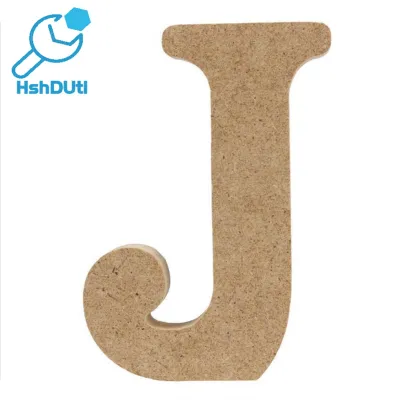
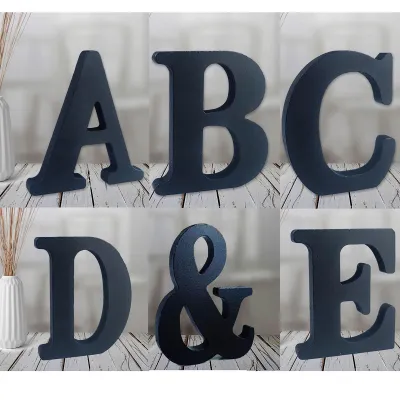
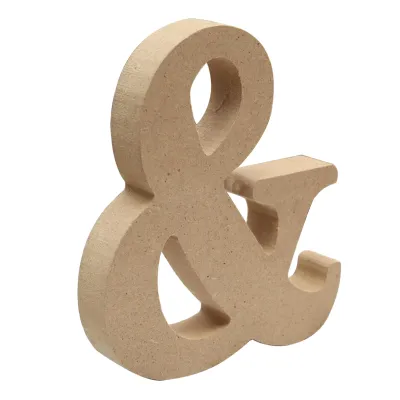
Prices are valid at publication and may change. Please refer to the product page for the latest price.
In addition to moisture, intense tropical sunlight accelerates the degradation of outdoor wood. Ultraviolet (UV) radiation breaks down lignin, the natural binding agent that holds wood fibers together. This process, known as photo-degradation, causes the wood surface to turn grey, lose its structural integrity, and become highly porous. It also breaks down protective paint and clear coatings, causing them to fade, chalk, or peel away, leaving the underlying wood entirely unprotected.
Selecting the Right Wood Species for a Wooden Letters Decoration Big Enough for the Outdoors
Choosing the right base material is the most critical decision when selecting a wooden letters decoration big enough to withstand tropical garden conditions. While protective coatings help, they cannot compensate for a wood species that is inherently prone to rot and decay.

Naturally Weather-Resistant Hardwoods
For premium durability, naturally weather-resistant hardwoods are the gold standard for outdoor garden decor. Species such as teak, cedar, and ipe are highly prized for their dense grain structures and high natural oil content. These natural oils act as a built-in preservative, repelling water and resisting insect attacks even without heavy chemical treatments. Teak, for example, contains natural silica and rubber that make it exceptionally resistant to moisture, while cedar contains natural compounds that act as natural fungicides.
When purchasing large wooden letters, always verify the manufacturer’s material specifications. Look for labels indicating “exterior-grade,” “outdoor-rated,” or “heartwood only.” Heartwood, the older and denser inner portion of the tree, contains the highest concentration of natural preservatives, whereas sapwood (the outer layer) is soft, moisture-absorbent, and highly susceptible to rot.
Dense hardwoods are significantly heavier than softwoods or engineered alternatives. While this weight provides excellent stability against strong garden winds, it also requires sturdier mounting hardware and careful handling during installation. Ensure your garden structures or ground mounts can safely support the weight of heavy hardwood letters.
Treated and Engineered Wood Options
If solid hardwoods are outside your budget or design requirements, specific treated or engineered woods offer viable alternatives. However, you must avoid standard interior-grade materials. Standard medium-density fiberboard (MDF), particleboard, and interior plywood use water-soluble glues that dissolve rapidly when exposed to rain, causing the material to swell, delaminate, and disintegrate within weeks.
Instead, look for engineered woods with marine-grade or exterior-grade certifications. Marine-grade plywood is manufactured using high-quality wood veneers bound together with fully waterproof structural adhesives, such as phenol-formaldehyde. It contains no internal voids, which prevents water from trapping inside the layers and causing rot.
Pressure-treated lumber is another option, treated with chemical preservatives forced deep into the wood fibers under high pressure to resist rot and fungal decay. While highly durable, pressure-treated wood can warp or twist as it dries out in the tropical sun. It also requires specialized, compatible exterior sealants and fasteners, as the chemicals used in the treatment process can corrode standard metals over time.
Essential Protective Treatments and Sealants
Applying a high-quality protective finish is essential to shield your wooden letters from the twin threats of tropical moisture and UV radiation. The choice of finish determines both the appearance of the letters and the frequency of required maintenance.
Penetrating Oils vs. Film-Forming Sealants
Wood finishes generally fall into two categories: penetrating oils and film-forming sealants. Understanding the trade-offs between them is key to maintaining your outdoor garden decor.
Penetrating oils, such as tung oil or specialized teak oils, soak deep into the wood fibers to repel water from within. They highlight the natural beauty of the wood grain and do not crack, peel, or flake because they do not form a hard surface barrier. However, penetrating oils offer less physical protection and tend to evaporate or degrade quickly under intense tropical sunlight. Consequently, they require regular reapplication—often every six months to a year in high-exposure areas.
Film-Forming sealants, such as marine varnish, spar urethane, or exterior acrylic paints, create a hard, impermeable plastic-like shell over the wood surface. Spar urethane is particularly effective because it contains extra oils that allow the finish to remain flexible, expanding and contracting with the wood rather than cracking. The primary drawback is that if moisture manages to penetrate the film—either through a small scratch or from the unsealed back of the letter—the wood will expand, causing the coating to crack, bubble, and peel.
Before applying any finish, read the product label carefully to confirm it is rated for “exterior use,” “waterproof,” and contains “UV blockers.” Always verify that the sealant is chemically compatible with the specific wood species you are treating, as some oily hardwoods can interfere with the curing process of certain varnishes.
End-Grain Sealing
The most common point of failure for large outdoor wooden letters is the end-grain. The top, bottom, and curved edges of letters expose the open ends of the wood’s vascular system, which absorbs moisture up to ten times faster than the flat face of the board.
To prevent rapid decay, you must seal these end-grains meticulously. Apply multiple coats of your chosen sealant to all cut edges, backs, and bottom surfaces of the letters. Continue applying the finish until the wood stops absorbing it, ensuring a thick, continuous barrier that prevents water from wicking into the core. For maximum protection, some decorators apply a dedicated epoxy end-grain sealer before painting or varnishing.
Structural and Placement Considerations for Large Letters
Properly installing your large wooden letters in the garden is just as important as choosing the right materials. Poor placement can expose even the most durable wood to excessive moisture and physical damage.
Because large letters present a wide flat surface, they are highly susceptible to wind-load. During the Philippine monsoon season, strong winds and heavy gusts can easily knock over or damage unsecured garden ornaments. Secure your letters using corrosion-resistant, outdoor-rated hardware, such as stainless steel or hot-dip galvanized screws, brackets, and anchors. Avoid standard steel fasteners, which will rust quickly in high humidity, staining the wood and weakening the structural connection.
To maximize the lifespan of your wooden letters, elevate them slightly off the ground. Placing wood directly on damp soil or grass allows constant moisture wicking and exposes the material to soil-borne fungi and wood-destroying insects like termites. Use hidden rubber risers, plastic feet, or place the letters on a well-draining gravel bed or concrete paver. This elevation ensures that rainwater drains away quickly and allows air to circulate freely beneath the wood.
Carefully choose the location of your display. Avoid placing large wooden decorations directly under sprinkler heads, heavy roof runoff, or in low-lying garden areas prone to standing water. Shady, damp corners with poor air circulation will also delay drying times, accelerating rot and mold growth.
If you plan to integrate low-voltage LED lighting into your large letters, ensure you use outdoor-rated, waterproof components. For any fixed electrical wiring or installations near damp garden areas, always isolate the power source before starting, follow the manufacturer’s installation instructions, and consult a qualified professional to ensure safety and compliance with local electrical codes.
Routine Maintenance for Tropical Outdoor Wood
No outdoor wood finish is entirely permanent, especially in a tropical climate. Establishing a simple, regular maintenance routine will preserve the structural integrity and appearance of your garden letters for years.
Perform a visual inspection of your wooden letters at least twice a year, preferably before and after the heavy rainy season. Look for signs of wear such as peeling, cracking, or flaking in film-forming finishes. Check for dark water stains, mold growth, or soft, spongy areas in the wood, which indicate that moisture has bypassed the protective barrier and rot has begun. You can use a flathead screwdriver to gently probe any suspected soft spots; if the wood yields easily, rot is present.
When cleaning your letters, use a soft-bristled brush, mild soap, and clean water to gently remove dirt, algae, and garden debris. Never use a high-pressure washer on outdoor wooden decor. The intense force of a pressure washer can easily tear wood fibers, strip away protective sealants, and force water deep into the grain, causing permanent damage.
Plan to reapply your protective sealant according to the manufacturer’s instructions and the level of sun exposure. If the wood begins to look dry or water no longer beads on the surface (the water droplet test), it is time to apply a fresh coat of oil or touch up the protective sealant to maintain its weather-resistant barrier.
Frequently Asked Questions (FAQ)
Can I use indoor wooden letters outside if I apply a waterproof sealant?
It is highly discouraged to use interior-grade wooden letters outdoors, even with a high-quality waterproof sealant. Interior woods like standard pine, MDF, or interior plywood lack natural rot resistance and are bonded with adhesives that cannot withstand outdoor humidity. Moisture can still penetrate through microscopic cracks in the sealant or from the mounting holes, causing the wood to warp, swell, and rot from the inside out. For long-term durability in a tropical garden, always start with exterior-rated or naturally weather-resistant materials.
How do I fix peeling or flaking finish on my outdoor wooden letters?
To repair a peeling finish, you must first remove the damaged coating. Lightly sand the affected areas using medium-grit sandpaper to remove all loose, flaking sealant and expose the clean wood beneath. Wipe away all sanding dust with a damp cloth and allow the wood to dry completely. Once dry, reapply a compatible exterior-grade sealant or paint, following the manufacturer’s instructions for temperature and drying times. Be sure to apply multiple thin coats, paying extra attention to the vulnerable end-grains and edges.
Community discussion
Share your experience or ask a question. Comments are reviewed before publication.