
Choosing the ideal material for outdoor decorative accessories statues in the Philippines requires balancing aesthetic appeal with long-term durability. The local tropical climate presents severe environmental challenges, including intense ultraviolet radiation, heavy monsoon rains, and high year-round humidity. Because no single material is universally perfect, the best choice depends on your garden’s specific microclimate, your maintenance budget, and your installation capabilities. Heavy materials like concrete and natural stone offer excellent stability during typhoon season but require regular sealing to prevent moisture absorption. Lightweight alternatives like resin and fiberglass provide incredible design versatility but demand specialized UV-protective coatings to prevent fading and structural degradation over time.
Key Factors for Evaluating Statue Materials in Tropical Climates
To make an informed decision, you must understand how the Philippine climate interacts with different materials. The primary environmental stressor is intense solar radiation, which rapidly breaks down chemical bonds in plastics, paints, and sealants. This UV exposure is accompanied by heavy seasonal rainfall and high year-round humidity, creating a breeding ground for mold, mildew, and algae. When moisture penetrates porous materials, it can cause internal pressure during rapid temperature shifts, leading to micro-cracks and eventual crumbling.
When evaluating potential decorative accessories statues, focus on key performance criteria rather than generic material names. Look for explicit manufacturer specifications regarding UV stability, moisture absorption, and thermal expansion tolerances. A quality outdoor ornament should feature an “outdoor-use” or “UV-treated” rating on its label. Additionally, consider the structural weight; a statue must be heavy enough to withstand strong winds or feature integrated anchoring points to secure it safely during severe weather.
Products mentioned in this guide
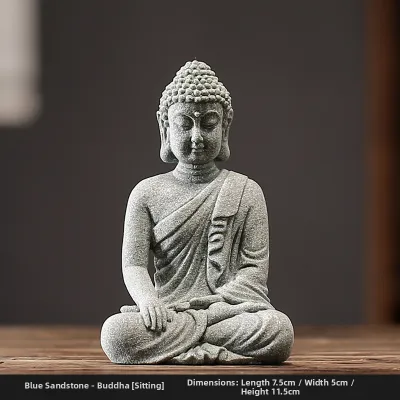
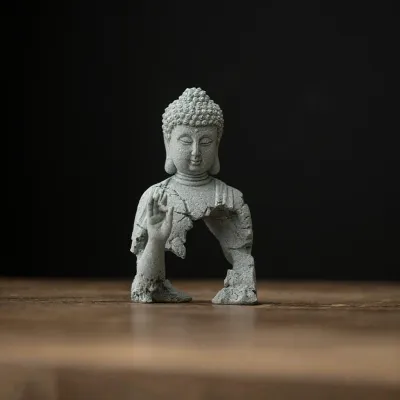
Prices are valid at publication and may change. Please refer to the product page for the latest price.
Evaluating Resin and Fiberglass Statues for Tropical Weather
Resin and fiberglass are highly popular choices for modern gardens due to their lightweight nature and ability to mimic more expensive materials like bronze or carved stone. However, their performance in a tropical environment depends heavily on the quality of the synthetic formulation. Standard craft resins can quickly become brittle, yellow, or chalky when subjected to intense midday sun. To avoid this, always verify that the product specifications indicate the use of marine-grade fiberglass or UV-inhibitor additives mixed directly into the liquid compound before molding.

While the lightweight nature of these materials makes them easy to transport and reposition, it also presents a significant hazard during the typhoon season. Strong winds can easily overturn or launch unsecured synthetic statues, risking damage to the piece itself and surrounding property. To mitigate this risk, look for hollow-core designs that feature a sealable opening at the base. This allows you to fill the internal cavity with dry sand or gravel to add substantial ballast. Alternatively, ensure the statue can be bolted directly to a heavy concrete paver or anchored into the ground using heavy-duty landscape stakes.
Assessing Concrete and Natural Stone in High Humidity
Cast concrete and natural stone, such as granite, marble, or volcanic tuff, are traditional favorites that offer unmatched structural presence and wind resistance. Their sheer weight makes them virtually immune to being displaced by strong winds, making them excellent permanent fixtures in large landscapes. However, these materials are naturally porous. In the high-humidity environment of the Philippines, unsealed stone and concrete act like sponges, absorbing atmospheric moisture and rainwater. This constant dampness encourages the rapid growth of dark moss, lichen, and algae, which can permanently stain or erode the surface details.
To protect these heavy investments, check the manufacturer’s guidelines regarding initial sealing and ongoing maintenance. High-quality cast stone often requires the application of a penetrating, breathable silane-siloxane sealer to repel liquid water while allowing internal moisture vapor to escape. Furthermore, because concrete and stone are exceptionally heavy, they require a stable, level foundation. Placing a heavy statue directly on soft, wet garden soil can cause uneven settling, tilting, and structural stress that may lead to hairline fractures over time. Always plan for a compacted gravel base or a poured concrete pad to distribute the weight evenly.
Choosing Metal Statues for Sunny and Wet Conditions
Metal statues, ranging from classic bronze and copper to modern aluminum and iron, bring a sophisticated, timeless element to garden designs. However, the combination of high humidity and salt-laden air in coastal regions of the Philippines can accelerate oxidation and corrosion. Untreated ferrous metals, such as cast iron or mild steel, will rust rapidly when exposed to rain and humidity. If you prefer the look of iron, ensure the statue has been treated with a high-quality, factory-applied powder coating or an epoxy-based rust inhibitor. Non-ferrous metals like aluminum, brass, and bronze are naturally more corrosion-resistant but will still develop a surface patina over time, which may or may not align with your aesthetic preferences.
Another critical consideration for metal decor in tropical climates is heat retention. Metal objects absorb and retain heat from direct sunlight rapidly, often reaching temperatures high enough to cause contact burns or scorch nearby delicate foliage. If your garden receives full midday sun, position metal statues away from high-traffic pathways and sensitive plants, or utilize partial shade from hardy trees. Regularly inspect all joints, welds, and crevices where water can pool, as these are the most common starting points for structural oxidation and finish failure.
Maintenance and Protection Strategies for Outdoor Decorative Statues
Preserving the beauty and structural integrity of your decorative accessories statues requires a proactive maintenance routine tailored to the specific material. Establish a regular cleaning schedule, ideally at the start and end of the rainy season. For most materials, a gentle wash using a soft-bristled brush, mild biodegradable soap, and clean water is sufficient to remove accumulated dust, bird droppings, and early organic growth. Avoid using high-pressure washers, wire brushes, or abrasive chemical cleaners, as these can easily strip protective clear coats, erode soft stone, or scratch delicate metal finishes.
Protective coatings must be periodically reapplied to maintain their effectiveness against the elements. For resin, fiberglass, and painted statues, applying a specialized UV-resistant clear spray once a year can significantly extend the life of the color and prevent material degradation. Metal statues benefit from an annual application of high-grade paste wax or specialized metal sealers to lock out moisture and oxygen. However, you must recognize the limits of DIY maintenance. If you observe deep structural cracks in concrete, severe pitting in metal, or crumbling stone, halt home remedies and consult a professional restoration specialist to prevent catastrophic failure.
Strategic Placement and Installation Guidelines
The longevity of an outdoor statue is heavily influenced by its immediate surroundings. Before installation, evaluate the microclimates within your garden. Avoid placing sensitive materials in low-lying areas prone to water pooling, directly under roof valleys without gutters, or in the path of automated lawn sprinklers. Constant exposure to chlorinated or mineral-rich tap water from sprinklers can leave stubborn white scale deposits on the statue’s surface that are incredibly difficult to remove without damaging the underlying material.
Proper base preparation is essential for both safety and durability. Ensure the ground is thoroughly compacted and leveled before placing any ornament. For heavy stone or metal pieces, a solid foundation made of compacted gravel, concrete pavers, or a poured concrete slab is highly recommended. If your statue features integrated lighting or water elements, prioritize safety by verifying the voltage compatibility, wattage limits, and outdoor electrical certifications of all components. Ensure the system is connected to a Ground Fault Circuit Interrupter (GFCI) outlet, isolate the power source before handling, and consult a qualified professional for any fixed electrical wiring to guarantee compliance with local safety standards.
Frequently Asked Questions (FAQ)
Can I leave painted statues outside during the rainy season?
Whether a painted statue can remain outdoors during heavy rains depends entirely on the paint type and the quality of the protective topcoat. Statues finished with standard indoor acrylics or water-based paints will quickly blister, peel, and wash away under tropical downpours. Only statues explicitly specified by the manufacturer as having waterproof, automotive-grade, or UV-resistant outdoor paint should be left exposed. If the product label does not guarantee outdoor weather resistance, it is highly recommended to temporarily relocate the statue to a covered patio or protect it with a breathable, waterproof cover during the monsoon season.
How do I remove moss or algae from garden statues safely?
To remove organic growth safely, you must first identify the porosity of the statue’s material and consult the manufacturer’s cleaning guidelines. For durable, sealed surfaces, a mild solution of warm water and a few drops of dish soap applied with a soft sponge or soft-bristled nylon brush is the safest starting point. Never use harsh household bleach, acid-based cleaners, wire brushes, or high-pressure power washers, as these aggressive methods can permanently erode natural stone, pit concrete, and strip away protective UV coatings or paint. For stubborn algae on stone or concrete, look for specialized, pH-neutral biological cleaners designed specifically for outdoor masonry.
Community discussion
Share your experience or ask a question. Comments are reviewed before publication.