
A feather lamp shade adds a soft, luxurious texture to any room, but its delicate plumage requires specialized care to prevent shedding, matting, or structural damage. To clean and maintain a feather lamp shade safely, dry cleaning methods are your primary and most reliable defense. You must avoid exposing natural feathers to water, liquid solvents, or steam, as moisture strips their protective natural oils and causes irreversible clumping. Always prioritize safety by unplugging the lamp and letting the bulb cool completely before performing any maintenance. By establishing a gentle, dry-cleaning routine, you can preserve the shade’s airy volume and keep it looking pristine for years.
Quick Answer: Core Rules for Safe Feather Lamp Care
When maintaining a delicate feather lamp shade, your golden rule is to keep the cleaning process entirely dry. Natural feathers possess a fine, intricate structure held together by microscopic barbs and natural oils. Introducing water, liquid cleaners, or steam destroys this delicate architecture, causing the feathers to mat, shrink, and lose their fluffy texture permanently.
Before you begin any cleaning task, always isolate the power source. Unplug the lamp from the wall socket and allow the light bulb to cool down completely. Handling a hot bulb or working near electrical components with even a slightly damp cloth poses a safety hazard.
Products mentioned in this guide

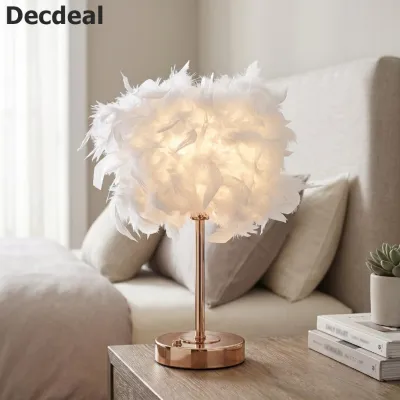
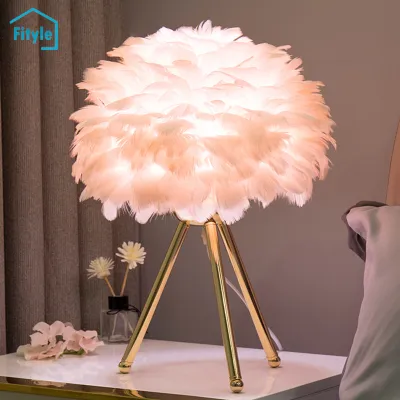

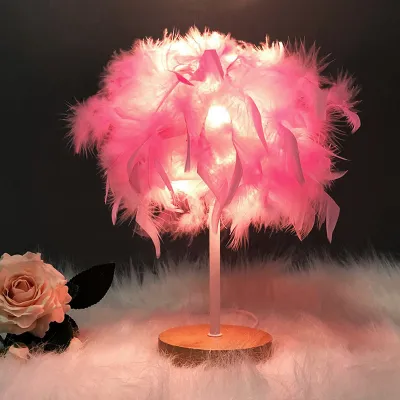
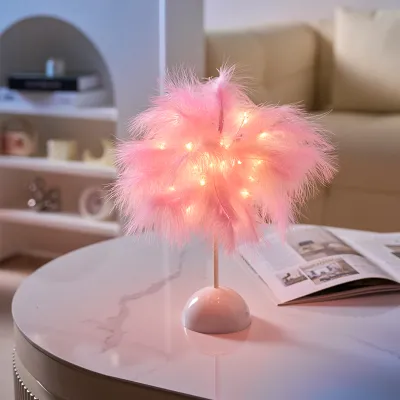
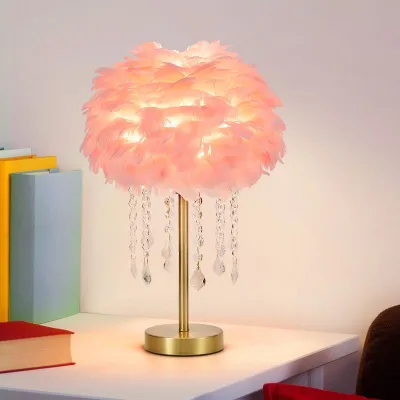
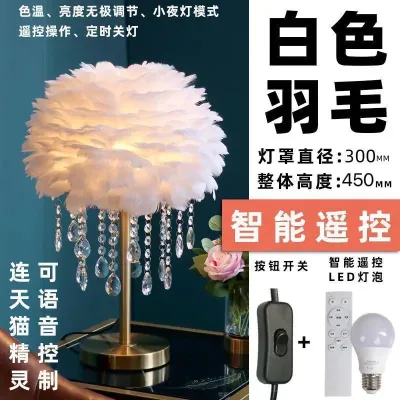
Prices are valid at publication and may change. Please refer to the product page for the latest price.
While natural feathers are highly sensitive to moisture, some modern shades utilize synthetic feathers. Synthetic fibers may offer slightly higher tolerance to spot cleaning, but they are still prone to losing their shape if handled roughly. Regardless of the material, always inspect the manufacturer’s care label or instruction manual before applying any cleaning technique to verify the specific tolerances of your lamp shade.
Essential Tools for Dusting and Maintenance
Cleaning a feather lamp shade requires specialized, non-abrasive tools designed to lift dust without pulling, snagging, or bending the delicate quills. Standard household cleaning tools, such as stiff-bristled brushes, wet sponges, or cheap synthetic feather dusters, are too harsh and can easily tear the feathers away from the shade’s frame.

For manual dusting, a soft-bristled makeup brush (such as a large powder brush) or a clean, soft-bristled paint brush is highly effective. These brushes feature fine, flexible bristles that can gently sweep between individual feathers without applying excessive pressure. Alternatively, a high-quality ostrich feather duster can be used, as its natural static charge lifts dust away safely.
A hairdryer is another indispensable tool for routine maintenance. It must have a dedicated cool air button and a low-speed setting. Using warm or hot air can melt the adhesives holding the feathers to the frame or dry out the natural quills, making them brittle over time.
Keep a clean, dry microfiber cloth on hand to wipe down the non-feather components of the lamp, such as the metal base, stem, and power cord. Avoid using aerosol chemical sprays, furniture polishes, or multi-purpose liquid cleaners anywhere near the feather shade, as the overspray can drift onto the plumage and leave a sticky, dust-attracting residue.
Step-by-Step Guide to Routine Dry Dusting
Dust accumulates quickly on the textured surface of a feather lamp shade, especially in tropical environments where open windows and ceiling fans circulate airborne particles. Performing a routine dry dusting every two to four weeks will prevent dust from settling deep into the plumage. Follow these steps to clean your shade safely:
Step 1: Preparation and Power Isolation
Begin by turning off the lamp and unplugging it from the electrical outlet. Let the bulb cool for at least fifteen minutes to avoid burns or thermal shock to the bulb. Because dusting will release particles into the air, carefully carry the entire lamp to an outdoor area, a balcony, or a well-ventilated service yard. This prevents the dislodged dust from simply settling back onto your indoor furniture or flooring.
Step 2: Low-Pressure Air Dusting
Hold your hairdryer at least 12 inches (approximately 30 centimeters) away from the lamp shade. Set the hairdryer to its lowest speed and ensure the air temperature is completely cool. Direct the airflow in a downward motion, following the natural direction in which the feathers lay. Gently sweep the airflow around the entire circumference of the shade to dislodge loose dust, pet hair, and lint trapped between the layers.
Step 3: Precision Manual Brushing
For areas where dust persists, use your soft-bristled makeup brush or paint brush. Hold the feather lamp shade steady by its metal frame, avoiding direct pressure on the feathers. Gently stroke the brush downward, starting from the top of the shade and working your way to the bottom. Always brush in the direction of the natural lay of the feathers to prevent bending the central quills or splitting the delicate barbs.
Step 4: Cleaning the Support Hardware
With the feathers free of dust, focus on the lamp’s structural elements. Use a slightly damp (not wet) microfiber cloth to wipe down the lamp base, vertical stem, and power cord. Ensure the cloth is thoroughly wrung out so that no moisture drips onto the feather shade or enters the electrical socket. If the lamp is hardwired or suspended, ensure the main circuit breaker is switched off before wiping any fixed metal fixtures.
Step 5: Reassembly and Inspection
Verify that the lamp base and hardware are completely dry. Carefully return the lamp to its designated spot. Before plugging the unit back in, inspect the bulb and socket interface. Ensure the bulb is securely seated in its socket (typically an E27 or E14 base in standard fixtures) and check that no loose feathers or dust particles have fallen into the socket contact area. Once verified, plug the lamp back in and restore power.
How to Handle Stains Without Ruining the Feathers
Accidental spills, insect spots, or localized dirt can occasionally cause stains that simple dry dusting cannot resolve. Addressing these spots requires extreme caution, a clear understanding of your lamp shade’s materials, and strict adherence to safety boundaries.
Material Identification
Before attempting any spot cleaning, determine whether your lamp shade features natural goose or turkey feathers, or synthetic polyester fibers. Natural feathers are highly porous and organic; they cannot tolerate liquid saturation without losing their structural integrity. Synthetic feathers are non-porous and may tolerate mild, localized moisture, but they are still glued to a delicate backing that can dissolve if soaked.
Spot Cleaning Natural Feathers
If a small stain appears on a natural feather lamp shade, never rub or scrub the area, as this will fray the feather barbs and bend the quill. Instead, take a clean microfiber cloth and moisten it slightly with plain, room-temperature water—it should feel barely damp to the touch, not wet. Gently dab the stained spot. Work slowly, allowing the damp cloth to lift the stain without saturating the surrounding plumage. Once the stain is minimized, let the shade air dry completely in a well-ventilated room, away from direct sunlight or artificial heat sources.
Synthetic Feather Care
For synthetic feather shades, you can mix a single drop of mild, pH-neutral dishwashing liquid with a cup of cool water. Moisten a soft cloth with this solution, wring it out thoroughly, and gently dab the stain. Follow up with a second cloth dampened with plain water to remove any soap residue. Allow the shade to air dry completely.
The Stop Condition
If the stain does not lift after a few gentle dabs, or if you notice the feathers clumping, losing their color, or bending out of shape, stop cleaning immediately. Do not attempt to wash, submerge, or soak the entire lamp shade in water. Continuing to apply moisture will dissolve the adhesives holding the shade together and permanently ruin the feathers. For persistent or severe stains, consult a professional upholstery cleaner or a specialized lighting restorer who has experience handling delicate organic materials.
Preventing Shedding, Clumping, and Heat Damage
Preserving the long-term beauty of a feather lamp shade requires proactive environmental management, particularly in tropical regions. High humidity, excessive heat, and pests can degrade natural feathers over time, causing them to droop, shed, or develop unpleasant odors.
Humidity Control
In tropical climates, relative humidity levels can fluctuate significantly. Avoid placing your feather lamp shade in high-moisture zones such as bathrooms, kitchens, or directly adjacent to open laundry areas. Additionally, keep the lamp away from the direct path of air conditioning vents. The cold, damp air from an air conditioner can cause natural feathers to absorb moisture, leading to clumping, sagging, and a flat appearance. If the room experiences high humidity, operating a dehumidifier can help maintain an ideal indoor environment for both your lighting fixtures and other organic home decor.
Heat Management and Bulb Selection
Excessive heat is a primary cause of premature feather shedding. Traditional incandescent or halogen bulbs emit substantial heat that bakes natural feathers, drying out the quills and making them brittle. To prevent this, always check the lamp’s maximum wattage rating and replace hot-running bulbs with energy-efficient, low-heat LED bulbs.
When selecting an LED bulb, verify that its voltage matches your local electrical supply (typically 220V in the Philippines) and ensure the product carries appropriate safety certifications, such as the Philippine Standard (PS) mark or Import Commodity Clearance (ICC) sticker. Choose an LED bulb with a compatible base interface (such as E27 or E14) and a wattage equivalent that does not exceed the fixture’s physical limit. LED bulbs run significantly cooler, protecting the nearby feathers from heat damage while reducing energy consumption.
Proper Storage
If you need to store your feather lamp shade during a renovation or move, never seal it inside a plastic bag. Plastic traps ambient moisture, creating a humid microclimate that encourages mold, mildew, and musty odors. Instead, place the lamp shade in a clean, breathable cotton bag or a sturdy cardboard box. Add several silica gel packets to the box to absorb any residual moisture, and store it in a cool, dry closet.
Pest Prevention
Natural feathers consist of keratin, which can attract household pests like clothes moths or carpet beetles. Keep the area surrounding your lamp clean and free of dust buildup. To deter pests naturally without using harsh chemical sprays that could damage the feathers, place natural cedar blocks or dried lavender sachets near the base of the lamp or inside your storage closets.
Frequently Asked Questions (FAQ)
Can I use a steam cleaner on a feather lamp shade?
No, you should never use a steam cleaner on a feather lamp shade. Steam introduces a combination of intense heat and high moisture, which is highly destructive to both natural and synthetic feathers. The moisture will instantly dissolve the adhesives holding the feathers to the frame, while the heat will cause natural feathers to shrink, mat, and permanently lose their fluffy texture. Stick strictly to dry dusting and gentle air-blowing methods.
How do I fluff a feather lamp shade that looks flat?
If your feather lamp shade has become compressed or flat due to shipping, storage, or humidity, you can restore its original volume using air. Set your hairdryer to its lowest speed and completely cool setting. Hold the hairdryer approximately 12 inches away and blow air upward from the bottom of the shade, gently lifting the layers of feathers. Alternatively, you can hold the lamp firmly by its solid metal base and give it a very gentle, light shake to help redistribute the feathers. Never pull, tug, or comb the feathers directly, as this can tear them away from the frame.
Community discussion
Share your experience or ask a question. Comments are reviewed before publication.