
Safely cleaning bamboo wall decor requires a methodical, dry-first approach that prioritizes gentle dust removal over wet washing. Because bamboo is a natural, fibrous material, exposing it to excess moisture, harsh chemicals, or rapid temperature changes can lead to permanent warping, cracking, or discoloration. By understanding the material’s unique characteristics and using the correct tools, you can preserve the structural integrity and aesthetic appeal of your woven wall art, macrame accents, or carved panels for years to come.
Why Bamboo Wall Decor Requires Special Care
Bamboo is technically a fast-growing grass rather than a hardwood, giving it a highly flexible yet porous cellular structure. This natural porosity means the fibers readily absorb moisture from the surrounding environment. When bamboo absorbs water, it expands; as it dries, it contracts. This cycle of expansion and contraction is the primary cause of warping, splitting, and structural failure in wall-mounted decor.
In addition to its sensitivity to moisture, bamboo possesses natural protective oils and finishes that shield it from environmental wear. Using harsh household detergents, acidic cleaners, or abrasive chemical solvents can strip away these protective layers. Once the natural oils or factory-applied sealants are degraded, the bamboo becomes highly vulnerable to drying out, turning brittle, and losing its original color.
Products mentioned in this guide
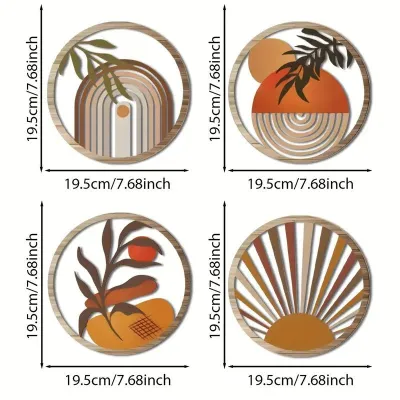
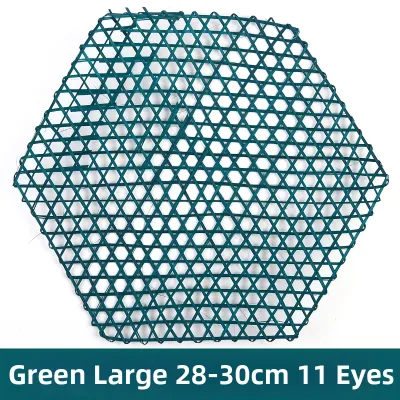
1 Lazada user ratings
The quality is great, perfect for creating a decorative circle, highly recommend!
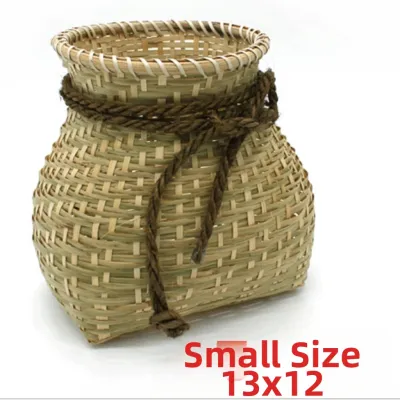
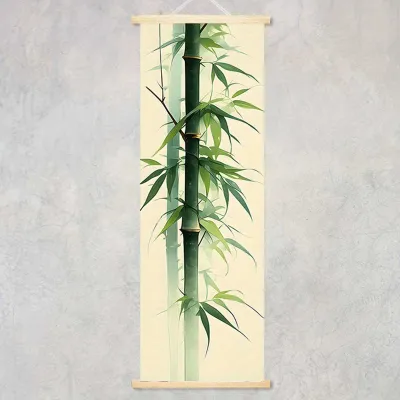
28 Lazada user ratings
Modern and elegant, Classic frame style, Modern and elegant, Perfect for living room, very nice wall decor i will buy again
I did not receive this item. But it says delivered in my account. Please advice.
Natural bamboo design, Classic frame style,
Modern and elegant, Classic frame style,
Easy to hang
Prices are valid at publication and may change. Please refer to the product page for the latest price.
Before initiating any cleaning routine, always locate and review the manufacturer’s care instructions, labels, or tags. Some bamboo decor pieces are treated with specific water-resistant sealants, while others are completely raw and untreated. Knowing the exact finish of your piece helps you determine how much moisture, if any, the material can safely tolerate during maintenance.
Essential Tools and Safe Cleaning Solutions
To clean bamboo wall decor safely, you must assemble a selection of non-abrasive tools that can lift dust without scratching the delicate fibers. Soft-bristled brushes, such as clean makeup brushes, paintbrushes, or specialized dusting brushes, are excellent for reaching into tight weaves. High-quality microfiber cloths are indispensable, as they trap dust particles effectively without shedding fibers or snagging on rough edges.

For situations that require more than dry dusting, a mild, pH-neutral dish soap diluted in warm water is the safest cleaning solution. Alternatively, you can use specialized wood or bamboo cleaners, provided they are formulated for delicate decorative items and are heavily diluted according to the package instructions. Avoid any products containing bleach, ammonia, or strong chemical solvents, as these will permanently discolor and weaken the bamboo fibers.
Abrasive scrubbers, steel wool, and stiff-bristled scrubbing brushes must never be used on bamboo decor. These harsh tools can scratch the surface, strip away protective varnishes, and fray the woven edges of macrame or split-bamboo designs. Stick to soft sponges or damp microfiber cloths to ensure the cleaning process remains entirely non-destructive.
Step-by-Step Guide to Cleaning Bamboo Wall Decor
Cleaning your bamboo wall accents is a straightforward process when executed in a logical, step-by-step sequence. By transitioning carefully from dry preparation to localized spot testing, gentle wiping, and controlled drying, you minimize the risk of moisture saturation. Taking an incremental, patient approach ensures that you only apply moisture where it is absolutely necessary to lift stubborn grime.
Step 1: Dry Dusting and Surface Preparation
The first and most crucial step in cleaning bamboo decor is removing loose dust and surface debris. Attempting to wipe a dusty bamboo piece with a damp cloth can create a muddy paste that settles deep into the woven crevices, making it much harder to clean. Use a soft-bristled brush or a clean microfiber duster to gently sweep away dust from the top edges, joints, and intricate weave patterns.
For heavily textured, carved, or woven bamboo pieces, a vacuum cleaner equipped with a soft brush attachment can be highly effective. Set the vacuum to its lowest suction setting to prevent pulling or damaging loose fibers. Gently glide the brush attachment over the surface, allowing the bristles to dislodge dust while the vacuum safely draws it away from the intricate details of the decor.
Step 2: Spot Testing Your Cleaning Solution
Before applying any liquid cleaning solution to the entire piece, you must perform a localized spot test to verify compatibility. Mix a very small amount of your diluted, pH-neutral soap solution. Select an inconspicuous area of the decor, such as the back of the frame, a bottom edge, or an area that faces the wall when hung, to conduct the test.
Apply a single drop of the diluted solution to the test area using a cotton swab or the corner of a microfiber cloth. Wait approximately five to ten minutes, then wipe the area dry with a clean cloth. Inspect the spot carefully under good lighting to check for any signs of discoloration, fading, finish stripping, or water staining before proceeding to clean the rest of the piece.
Step 3: Gentle Wiping and Washing
If the spot test is successful, you can proceed to wipe down the visible surfaces of the bamboo decor. Dip a clean microfiber cloth or a soft sponge into your diluted cleaning solution, then wring it out thoroughly. The cloth must be only slightly damp to the touch, never dripping or saturated with water, to prevent liquid from pooling in the crevices.
Wipe the bamboo gently, following the natural direction of the grain or the pattern of the weave. Avoid scrubbing vigorously, as this can fray the fibers or damage the protective finish. If you encounter stubborn spots, apply light, repetitive pressure rather than heavy force. If you notice water pooling or the bamboo feeling excessively wet, stop immediately and use a dry towel to absorb the moisture.
Step 4: Proper Drying Techniques
Immediate and thorough drying is essential to prevent the bamboo from warping, splitting, or developing mold. As soon as you finish wiping a section, use a dry, highly absorbent microfiber towel to blot and wipe away any residual moisture from the surface. Pay close attention to joints, crevices, and overlapping weaves where water is most likely to collect.
Once the surface moisture is removed, place the bamboo decor in a well-ventilated, shaded indoor area with active air circulation to complete the drying process. Do not use high-heat sources like hairdryers, space heaters, or radiators to speed up drying, as rapid temperature changes will cause the bamboo to crack. Similarly, avoid placing the wet decor in direct sunlight, which can warp the material and fade its natural color.
Common Mistakes to Avoid When Cleaning Bamboo
One of the most damaging mistakes you can make is soaking bamboo wall decor in water or running it directly under a tap. Unlike synthetic materials, bamboo absorbs water rapidly, and complete saturation can cause the fibers to swell, weaken, and warp permanently as they dry. Always limit moisture to a damp cloth and avoid any cleaning methods that involve immersion.
Exposing damp or wet bamboo to direct sunlight or high heat sources is another critical error. While it might seem efficient to dry the decor outdoors in the sun, the intense heat and ultraviolet rays will dry the outer layers of the bamboo much faster than the inner core. This uneven drying creates severe structural tension, leading to deep cracks, splits, and a brittle texture.
Using harsh chemical solvents, commercial glass cleaners, or abrasive detergents is equally hazardous. These chemicals can dissolve the protective sealants, strip the natural luster of the wood, and leave behind unsightly chemical stains. Stick strictly to mild, pH-neutral soap and water, and avoid any products that have not been explicitly tested and verified as safe for natural wood or bamboo.
Routine Maintenance and Preventative Care
Establishing a consistent routine for dry dusting is the most effective way to minimize the need for deep, wet cleaning. Dusting your bamboo wall decor once a week with a microfiber duster or a soft brush prevents airborne dust, pollen, and household oils from settling and bonding with the fibers. This simple habit keeps the decor looking fresh and extends its overall lifespan.
The installation environment plays a major role in the longevity of bamboo decor. Avoid hanging bamboo pieces in high-humidity areas, such as directly inside bathrooms, near laundry machines, or immediately above kitchen stoves, unless the manufacturer explicitly states the item has been treated and sealed for damp environments. Excess humidity can trigger mold growth and cause the fibers to soften over time.
When hanging or removing your decor for maintenance, always prioritize safety. If the piece is mounted at a height, use a stable ladder and follow the manufacturer’s installation instructions to ensure it is securely anchored. If your bamboo decor is integrated with electrical wiring, such as a backlit panel or a woven wall sconce, always isolate the power at the circuit breaker before cleaning, and consult a qualified professional for any electrical or structural mounting concerns.
Periodically inspect your bamboo decor for early signs of mold, mildew, or wood-boring pests. If you notice small, powdery holes or structural softening that suggests an insect infestation, isolate the piece immediately to protect other household items. For severe infestations or highly valuable antique bamboo pieces, consult a professional conservator or pest control specialist rather than attempting DIY chemical treatments.
Frequently Asked Questions (FAQ)
How do I remove mold or mildew from bamboo wall decor?
If you discover mold or mildew on your bamboo decor, take the piece outdoors or to a highly ventilated area like a garage before cleaning. This prevents active fungal spores from spreading to other surfaces inside your home. Wear appropriate protective gear, such as a dust mask and gloves, to avoid inhaling or touching the spores during the cleaning process.
To treat the affected areas, mix a solution of equal parts white vinegar and warm water. Vinegar is a mild acid that effectively kills mold spores without damaging the bamboo fibers. Dampen a microfiber cloth with the solution, wring it out thoroughly, and gently wipe away the mold. Once the mold is removed, wipe the area with a clean, water-dampened cloth, dry it immediately with a towel, and allow it to air-dry completely in a shaded, breezy outdoor spot.
If the mold has penetrated deep into the bamboo fibers, causing the material to feel soft, spongy, or structurally compromised, DIY cleaning may not be sufficient. In such cases, or if the decor is a highly valuable or delicate heirloom, it is best to stop cleaning and consult a professional restorer to avoid causing further irreversible damage to the piece.
Can I use oil or polish to restore the shine of my bamboo decor?
While certain types of bamboo furniture benefit from occasional oiling, wall decor requires a more cautious approach. Many bamboo wall hangings are finished with factory-applied sealants, varnishes, or clear lacquers that create an impermeable barrier. Applying oil or polish over these sealed surfaces will not penetrate the wood; instead, it will leave a sticky, greasy residue on the surface.
Always consult the manufacturer’s care guidelines before applying any conditioning oils, waxes, or polishes. If the manufacturer confirms that the bamboo is untreated and would benefit from conditioning, use a food-safe mineral oil or a specialized bamboo wax. Apply a very small amount to a clean cloth, rub it gently along the grain, and buff away any excess product immediately with a dry microfiber towel.
Never apply oil or polish to a bamboo piece that is dusty, dirty, or damp. Doing so will trap the dirt and moisture beneath the oil layer, creating a sticky grime that attracts more dust and potentially fosters mold growth. Ensure the decor is thoroughly cleaned using dry methods and is completely dry before attempting to apply any conditioning treatments.
Community discussion
Share your experience or ask a question. Comments are reviewed before publication.