
Living in a compact high-rise unit in the Philippines often means maximizing every square inch of your space. Traditional lighting setups can easily overwhelm a small bedroom with bulky lamps, tangled extension cords, and a lack of available wall outlets. A curtain solar light offers a clever, elegant solution to this design dilemma. By utilizing solar energy collected from your window or balcony, these lights eliminate the need to hunt for free sockets or hide unsightly cables along your baseboards. This keeps your sleeping area visually clean, streamlined, and free of clutter.
Beyond their practical advantages, these fairy-style string lights work wonders for the overall feel of a room. Standard condo bedrooms often feature sharp, architectural lines, concrete walls, and cold glass windows. Hanging a soft, glowing light curtain introduces a delicate texture that instantly breaks up these rigid structures. The gentle illumination mimics a starry night, turning a plain wall or window into a soft backdrop that helps lower your stress levels after a long day in the city. It allows you to carve out a peaceful, personalized sanctuary without sacrificing precious floor space or increasing your monthly electricity bill.
Choosing the Right Curtain Solar Light for a Cozy Vibe
Finding the perfect curtain solar light involves looking past basic aesthetic appeal. Because these lights will serve as your primary evening ambient source, you must carefully evaluate their technical specifications. Selecting the correct light output, cable length, and dimensions ensures your setup looks deliberate, functions reliably, and supports a restful environment.
Products mentioned in this guide
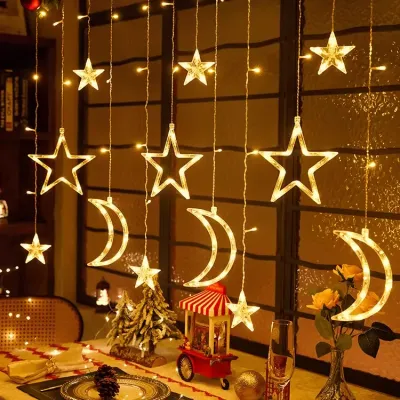
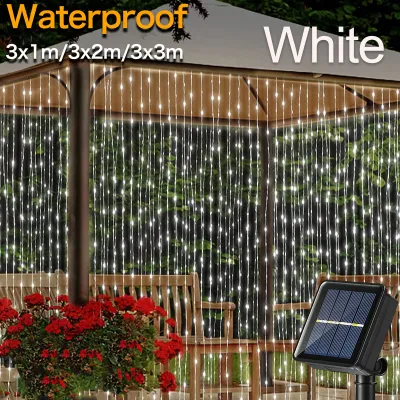
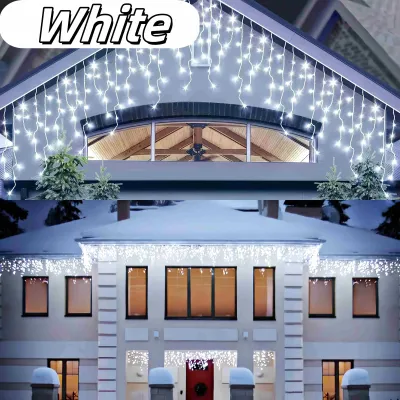
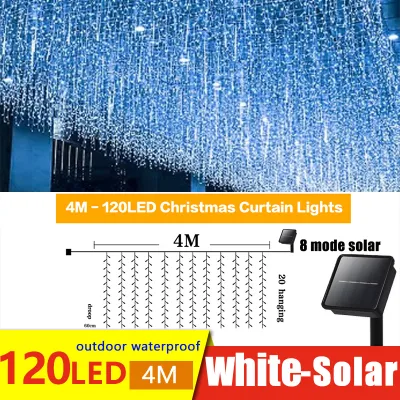
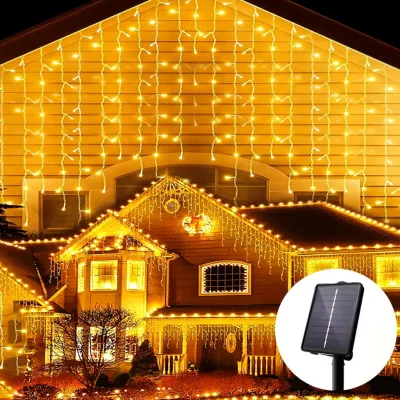
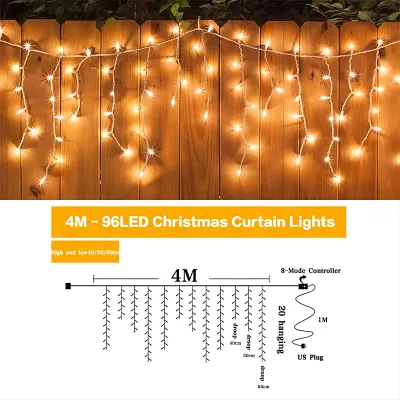
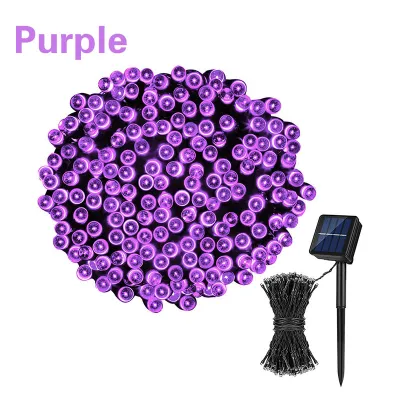
![[Solar/Plug] Christmas Curtain Lights Solar Christmas Lights Outdoor LED Strip Lights Christams Tree Decorations For Home 3.5 Meters 8 Modes Solar Christmas Deer Light Waterproof String Lights Fairy Lights For Bedroom Window Star Wedding Home](https://img.lazcdn.com/g/p/1cf511384ae8407ef088c10ce4b92bf9.jpg_400x400q80.jpg_.webp)
Prices are valid at publication and may change. Please refer to the product page for the latest price.
Color Temperature and Brightness
When shopping for ambient bedroom lighting, the color temperature of the LEDs is a key factor. Light color is measured in Kelvins (K). For a cozy, sleep-friendly environment, look for lights labeled “warm white,” which typically range from 2,700K to 3,000K. This temperature range emits a soft, golden glow similar to candlelight, which helps signal to your brain that it is time to wind down. Avoid “cool white” or “daylight” options (usually 5,000K or higher), as their blue-toned light can disrupt your natural sleep cycle and make your bedroom feel more like an office.
Brightness, measured in lumens, should also be kept low. Since these lights are meant for background ambiance rather than task work, a soft glow is ideal. High-lumen strings can cause uncomfortable glare in a small room. Additionally, pay close attention to the lighting modes offered by the controller. Opt for a model that allows you to lock in a “steady on” or a very slow, gentle fading mode to maintain a tranquil, uninterrupted atmosphere.
Dimensions and Panel Cable Length
Before purchasing any curtain solar light, grab a measuring tape and map out your intended installation space. Measure both the width of the area you want to cover—such as your window frame or headboard—and the vertical drop length. Standard light curtains come in various sizes, such as 2×2 meters or 3×3 meters. Buying a set that is too wide will force you to bunch the strings together awkwardly, while a set that is too short will look unfinished.
Equally critical is the distance from your hanging spot to the nearest sunlit area. Because the solar panel must sit where it can receive direct sunlight—like outside on a balcony railing or flat against a sunny window pane—you must ensure the lead cable is long enough to bridge the gap. Check the product specifications for the exact “lead wire” or “panel cable length.” This is the unlit portion of the wire that runs from the solar panel to the first string of lights.
Best Placement Strategies for Small Spaces
In a compact condo, how you position your lighting can dramatically alter the perception of space. Instead of taking up valuable bedside table space with bulky lamps, you can use a curtain solar light to draw the eye upward and create an illusion of height and depth without adding physical clutter.

Window and Balcony Door Framing
One of the most effective ways to install your curtain solar light is by framing your bedroom window or balcony door. Hanging the main horizontal strand along the top of the window frame allows the vertical light strings to cascade down like a glowing waterfall. This vertical orientation draws the eye upward, making your condo’s ceiling feel higher than it actually is. It also utilizes an otherwise empty architectural feature, leaving your walls and floor completely clear.
To elevate this look, try pairing the light curtain with sheer, lightweight fabric curtains. Hanging the lights directly behind the sheers diffuses the individual LED points, transforming sharp pinpricks of light into a soft, romantic glow. This layering technique hides the wires completely, leaving only a beautiful, ambient radiance. When setting this up, ensure the solar panel itself is routed outside. Securely mount the panel on your balcony railing or suction-cup it to the exterior side of the window glass where it can catch direct rays, while keeping the cozy, illuminated strings safely inside your bedroom.
Headboard and Room Divider Layering
If your bedroom lacks a direct window or you prefer to keep your window view unobstructed, look to your bed’s headboard. Layering a curtain solar light behind your headboard or a floating shelf creates a stunning backlight effect. This indirect illumination casts a soft glow upward and outward against the wall, adding depth to your sleeping zone and making the bed feel like a cozy, defined alcove. It provides just enough light for nighttime reading without the harshness of a traditional bedside lamp.
For those living in studio condos, space division is a common challenge. You can hang a light curtain from a ceiling-mounted tension rod paired with a sheer fabric panel to serve as a soft room divider. This setup elegantly separates your sleeping area from your workspace or small living room without blocking light or making the space feel cramped. When securing the top wire of the light curtain to walls, ceilings, or furniture, always use renter-friendly methods. Avoid heavy nails or screws that can damage condo walls and lead to security deposit deductions; instead, opt for lightweight, clear adhesive hooks or tension rods that can be removed cleanly.
Overcoming Indoor Charging Challenges in a Condo
While a curtain solar light is an incredibly convenient and eco-friendly option, using solar power indoors presents unique challenges, particularly in high-rise condo buildings. Solar panels require direct, unobstructed sunlight to charge their internal batteries effectively. If your condo is on a lower floor, faces an adjacent building, or is positioned under a deep concrete overhang, your solar panel may struggle to receive enough light to power the LEDs through the night.
Before finalizing your setup, take a few days to observe the sunlight patterns on your windows and balcony. Note which areas receive direct sunlight and at what times of day. This observation will help you pinpoint the absolute best spot to mount your solar panel. If you discover that your unit receives limited direct sunlight, do not despair. Look specifically for hybrid solar light models that feature both a solar panel and a micro-USB or USB-C charging port. This hybrid functionality allows you to charge the battery pack via a standard wall adapter during prolonged rainy seasons or heavily overcast weeks, ensuring your bedroom stays cozy regardless of the weather.
Additionally, maintain your solar panel’s efficiency by keeping its surface clean. In urban condo environments, dust, soot from nearby traffic, and balcony debris can quickly accumulate on the small solar face. A thin layer of grime can significantly block sunlight, reducing the panel’s charging efficiency by a large margin. Wipe the panel down gently with a damp microfiber cloth once every two weeks to ensure it can capture every bit of available light.
Damage-Free Installation and Safety Tips
Installing your curtain solar light should not come at the cost of your condo’s security deposit or your personal safety. Because most condo associations have strict rules against drilling holes into walls or window frames, renter-friendly installation methods are essential. Tension rods are excellent for window frames or recessed areas, as they hold themselves up using pressure alone. For flat walls or headboards, use high-quality damage-free adhesive hooks or clear cable clips. These allow you to route the wires neatly along your walls and remove them cleanly when it is time to move out.
Before hanging your lights, always check the weight capacity of your adhesive hooks. While individual LED strands are lightweight, the combined weight of the entire curtain, the main horizontal wire, and the attached solar panel or battery pack can sometimes exceed the limit of weak adhesives. Ensure you space the hooks evenly—usually every 30 to 50 centimeters—to distribute the weight safely and prevent the strands from sagging or falling in the middle of the night.
Electrical safety is paramount, even with low-voltage solar systems. Before hanging the strands, carefully inspect the entire length of the wiring for any signs of damage, such as fraying, kinks, or exposed copper wire. If you find any defects, do not use the product. Always cross-reference the manufacturer’s instructions and check the product label for specific indoor and outdoor ratings. Keep the indoor light strings away from high-heat sources like portable heaters, and ensure that no part of the indoor wiring or battery housing is exposed to water or high humidity, such as damp spots near air conditioning vents.
Frequently Asked Questions (FAQ)
Setting up solar lighting indoors often brings up practical questions about performance and safety. Below are answers to some of the most common queries regarding the use of curtain solar lights in compact condo bedrooms.
Can solar curtain lights work if my bedroom window faces another building?
Yes, but with some limitations. While solar panels perform best under direct, bright sunlight, many modern panels can still collect energy from bright, indirect ambient light. However, charging under shaded conditions will take significantly longer, and the lights will likely have a much shorter run time at night. If your window is permanently blocked by an adjacent building and receives no direct sun, a standard solar-only panel may not charge enough to be practical. In this scenario, it is highly recommended to choose a hybrid model that supports USB charging, allowing you to manually power up the battery pack when natural light is insufficient.
Are solar curtain lights safe to leave on all night?
Generally, yes. Low-voltage LED curtain lights are highly efficient and produce virtually no heat, making them safe to leave hanging near fabrics like curtains or bed sheets overnight. Most solar light controllers feature an integrated light sensor that automatically turns the lights on at dusk and off at dawn. However, whether they actually stay lit all night depends on the battery capacity and how much sunlight the panel received during the day. A fully charged battery typically provides 6 to 8 hours of illumination. If you require guaranteed overnight lighting, check the product specifications for battery capacity (measured in mAh) and look for models with a manual timer or auto-shutoff feature to conserve power.
Community discussion
Share your experience or ask a question. Comments are reviewed before publication.