
Transforming a compact condo balcony into a warm, inviting retreat is highly achievable with a thoughtful lighting plan. Using Eekoo solar lights allows you to craft a cozy, ambient sanctuary without relying on outdoor electrical outlets or increasing your monthly utility bill. By selecting warm-toned fixtures, layering your light sources at different heights, and positioning the solar panels to maximize daily tropical sunlight, you can easily turn a cold concrete balcony into your favorite evening escape. Let us look at how to evaluate your space, select the best fixtures, and set up your outdoor lighting safely and effectively.
Assess Your Balcony's Sunlight and Space Constraints
Before purchasing any outdoor lighting, you must understand how much direct sunlight your balcony actually receives. Solar lights rely entirely on photovoltaic panels to convert sunlight into rechargeable batteries. In the Philippines, the sun’s path changes throughout the year; your balcony might receive intense morning light if it faces east, or strong afternoon rays if it faces west. Observe your balcony at different hours to identify how many hours of unobstructed sunlight hit the space, keeping in mind that deep overhangs, concrete ceilings, and neighboring high-rise towers can cast significant shadows.
Space is a premium commodity on most condo balconies. When planning your layout, prioritize keeping walkways and emergency exit paths completely clear. Measuring your floor space and railing dimensions beforehand ensures you do not buy fixtures that crowd your seating or create tripping hazards. It is also wise to plan your lighting around existing furniture, ensuring that panels can still access light even when chairs are occupied.
Products mentioned in this guide
![TOP SELLER[52.2k Sold]EEKOO Solar Lights buy 1 take 1 1000W 200W 300W Heavy Duty Garden Led Outdoor Flood Light Street Lamp with solar panel IP67 Waterproof 5 Year Warranty COD](https://img.lazcdn.com/g/p/8f3c489f2f93c29d5bc6fb92058b0495.jpg_400x400q80.jpg_.webp)
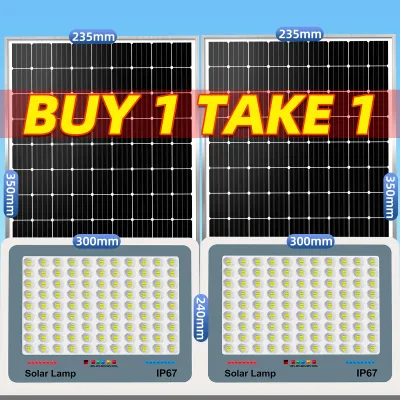
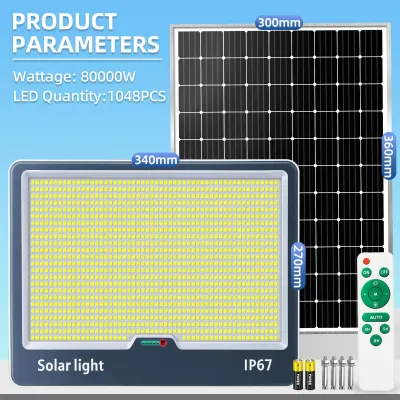
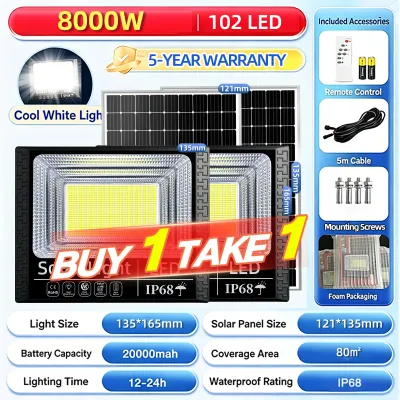
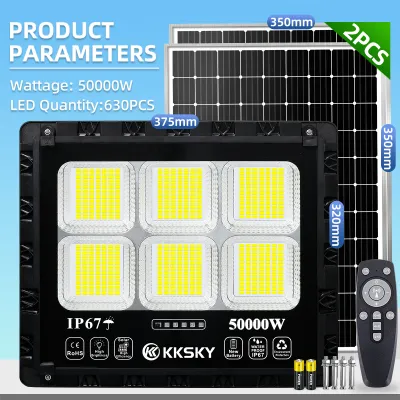
Prices are valid at publication and may change. Please refer to the product page for the latest price.
Before you mount any fixtures, check your condominium administration’s house rules. Many property management boards enforce strict guidelines regarding exterior modifications, drilling into structural walls, or hanging items over railings. When hanging lights near the balcony edge, prioritize safety: avoid leaning over railings or working at dangerous heights, and secure all suspended loads with heavy-duty ties. If you are installing any permanent fixtures that connect to your condo’s electrical grid, always isolate the power first and consult a qualified professional.
Select Eekoo Solar Light Styles for Layered Ambient Lighting
A common mistake in small-space outdoor design is relying on a single, bright overhead light. This often creates harsh shadows and a clinical atmosphere rather than a relaxing retreat. To build a truly cozy environment with Eekoo solar lights, you should apply the principle of layered lighting. By combining ambient (general glow), task (focused light for reading), and accent (highlighting specific features) sources, you create depth and a balanced, soft illumination that makes the balcony feel larger and more welcoming.

When selecting your fixtures, remember to verify key technical specifications on the product packaging, including the battery voltage, base or mounting interface, wattage limits, dimensions, and dimming methods. A general category name alone does not guarantee compatibility with your specific balcony environment or safety. For instance, perceived color temperature and spatial effects are highly subjective, conditional preferences rather than universal performance facts.
For a relaxing, warm atmosphere, look for products explicitly labeled “Warm White,” which typically ranges from 2700K to 3000K. Cool white lights (5000K and above) look blue and clinical, mimicking commercial or security lighting rather than a cozy sanctuary. Warm tones naturally encourage relaxation and blend seamlessly with the warm indoor lighting of your condo.
Because your balcony is exposed to the elements, you must also verify the Ingress Protection (IP) rating on the packaging or product specifications. For covered balconies that might still experience wind-blown rain, look for a minimum rating of IP44. If your fixtures will be fully exposed to heavy tropical downpours, a higher rating such as IP65 or IP67 is highly recommended to prevent water ingress.
Overhead String Lights for a Canopy Effect
Hanging solar string lights or fairy lights overhead is one of the most effective ways to create an intimate, enclosed feeling on a small balcony. Draping these lights across the ceiling or along the upper railings mimics a starry canopy, drawing the eye upward and visually expanding the vertical space. This soft, diffused downward glow provides excellent ambient light that covers the entire seating area without being glaringly bright.
When choosing string lights, verify the total cord length and the specific distance between the solar panel and the first bulb. Because the solar panel needs direct sunlight to charge, you must ensure the cord is long enough to position the panel in a sunny spot—such as clipped to the outer railing—while keeping the decorative bulbs tucked safely under the shaded balcony roof.
Wall and Floor Accents for Ground-Level Warmth
To balance the overhead canopy, incorporate ground-level and mid-level light sources using solar lanterns, wall sconces, or small stake lights. Placing lanterns on the balcony floor, in corners, or on small side tables grounds the space and adds layers of warmth. This low-level lighting prevents the floor from disappearing into darkness, making the entire balcony feel cohesive and fully utilized.
If your condo rules permit mounting items on the walls, solar-powered wall sconces can wash the vertical surfaces with soft light. This technique highlights the texture of your balcony walls, whether they are painted concrete or tiled, and pushes the visual boundaries of the space outward to make it feel wider. For renters who cannot drill, freestanding solar lanterns or clamp-on fixtures offer the same aesthetic benefit without permanent alterations.
Placement Strategies for Charging and Aesthetic Balance
The most common frustration with balcony solar lights is poor charging performance, which leads to dim outputs or lights that turn off after only an hour. To avoid this, you must strategically position the solar panels. If your balcony is deep or heavily shaded by an upper floor, look for Eekoo solar lights that feature a detachable solar panel connected by a long extension cable. This design allows you to install the light fixtures deep inside your cozy seating area while mounting the charging panel on the outermost edge of the railing where it can capture maximum sunlight.
Another critical factor is the location of nearby artificial light sources. Most solar lights feature built-in light sensors that automatically turn the LEDs on when it gets dark. If your balcony is close to bright streetlights, hallway lighting, or a neighbor’s bright balcony bulb, these sensors may be tricked into thinking it is still daytime, preventing your solar lights from turning on. Position your panels away from direct glare, or choose models that include a manual override switch so you can control when they illuminate.
From an aesthetic standpoint, avoid rigid, symmetrical placements that can make a small space feel stiff or clinical. Instead, embrace asymmetrical clustering to create a relaxed, organic feel. Try wrapping flexible fairy lights around your balcony railings or weaving them through potted tropical plants. Place lanterns of varying heights in a corner to add visual texture and depth to your cozy outdoor nook.
Condo-Friendly Installation Without Drilling
Drilling into exterior walls or concrete railings of a condominium is highly discouraged and often strictly prohibited. Doing so can compromise the building’s external waterproofing, leading to leaks during heavy rains, and can result in fines. Fortunately, you can easily secure your Eekoo solar lights using temporary, damage-free mounting alternatives that are both secure and completely reversible.
For securing solar panels, string lights, or lightweight fixtures to metal or glass railings, plastic zip ties are incredibly effective. Zip ties are weather-resistant, inexpensive, and can be tightened securely around balusters without leaving a single scratch. When it is time to take the lights down, you simply snip them off with scissors.
If you want to hang string lights overhead but lack ceiling hooks, a heavy-duty outdoor tension rod placed between two opposing balcony walls is an excellent solution. This creates a sturdy, temporary beam from which you can drape your lights without drilling. Always check the weight capacity of the tension rod and ensure the surfaces are clean and dry before installation to prevent slipping.
For mounting lightweight solar wall sconces or decorative lanterns, heavy-duty outdoor adhesive hooks designed for wet environments work well on smooth tiles or glass. Always clean the surface thoroughly with rubbing alcohol, apply the adhesive, and let it cure for the recommended time. Be sure to verify the weight limit of the hook against the weight of your fixture.
Finally, utilize freestanding and clamp-on options to bypass wall mounting entirely. Solar lanterns can sit directly on the floor or on small tables, while clamp-on solar spotlights can be secured to the edges of outdoor shelving. This approach keeps your setup flexible, allowing you to rearrange your lighting layout whenever you want to refresh the look of your balcony.
Seasonal Maintenance for Tropical Climates
The tropical climate in the Philippines presents unique challenges for outdoor solar lights, including high humidity, intense heat, and heavy seasonal rainfall. To prolong the lifespan and maintain the brightness of your Eekoo solar lights, establishing a simple seasonal maintenance routine is essential. Dust, airborne pollution, and traffic soot can quickly accumulate on the flat surfaces of your solar panels, blocking sunlight and drastically reducing charging efficiency. Gently wipe the panels with a soft, damp microfiber cloth every few weeks to keep them clean; avoid using abrasive scrubbers or harsh chemical cleaners that could scratch the protective coating.
During the rainy season, high humidity can lead to moisture buildup inside the light housing. While outdoor-rated lights are designed to resist water, extreme humidity or aging seals can sometimes allow condensation to form inside. Periodically inspect your fixtures to ensure the rubber seals are intact and properly seated. If you notice persistent fogging or water pooling inside a fixture, turn it off, dry it thoroughly in a shaded indoor area, and check if the seal needs adjusting to restore water resistance.
Battery maintenance is another critical factor in ensuring long-term performance. Rechargeable batteries inside solar lights (typically standard AA or AAA NiMH batteries) naturally degrade over time, usually lasting between one and two years. If you notice your lights are only staying on for an hour or two despite a full day of sunlight, the battery likely needs replacement. Check your specific Eekoo model’s user manual to see if the battery compartment is accessible; replacing the old rechargeable battery with a fresh, high-quality NiMH battery of the same voltage and capacity is a simple, cost-effective way to restore your lights.
Frequently Asked Questions (FAQ)
Do solar balcony lights work on cloudy or rainy days?
Yes, solar panels can still charge on cloudy or rainy days, but their efficiency is significantly reduced. Because clouds filter out a large portion of direct sunlight, the photovoltaic cells receive less energy, resulting in a partial charge. On heavily overcast days, your solar lights may not shine as brightly or may run out of power much earlier in the evening than they would after a clear, sunny day. To manage this during the rainy season, consider choosing solar lights with larger battery capacities or utilizing manual on/off switches so you can turn them off when you are not using the balcony, conserving the stored power for when you actually want to sit outside.
Can I leave my solar lights outside during heavy typhoons?
While outdoor-rated solar lights are designed to withstand normal wind and rain, they are not built to survive the extreme winds, torrential downpours, and flying debris associated with severe tropical storms or typhoons. High winds can easily tear string lights from their mounts, shatter delicate lanterns, or blow solar panels off railings, creating safety hazards and destroying your investment. When a typhoon warning is issued, it is highly recommended to temporarily take down your string lights, bring freestanding lanterns and detachable panels indoors, and store them safely until the storm passes. This simple precaution will protect your balcony setup and ensure your lights continue to function beautifully for years to come.
Community discussion
Share your experience or ask a question. Comments are reviewed before publication.