
Creating a minimalist Christmas decor look at home is about intentional restraint, focusing on a few high-quality statement pieces, a cohesive and limited color palette, and the strategic use of negative space to let your home breathe. Instead of overwhelming every surface with traditional tinsel and multi-colored lights, a minimalist approach embraces simplicity to build a serene, warm, and sophisticated holiday atmosphere. This style works beautifully in tropical climates like the Philippines, where heavy, winter-themed decorations can sometimes feel visually overwhelming and physically warm in humid spaces. By curating your holiday elements thoughtfully, you can celebrate the festive season with a clean aesthetic that highlights the true spirit of your home.
Adopting a minimalist mindset for the holidays does not mean your home has to feel cold or incomplete. Rather, it shifts the focus from quantity to quality, allowing each carefully selected ornament, light fixture, or natural accent to stand out. When you reduce the visual noise, you create a peaceful sanctuary that offers a welcome contrast to the busy holiday rush. This design philosophy encourages you to enhance your existing space with subtle, festive touches that feel integrated rather than forced.
Define a Restrained Color Palette
A successful minimalist aesthetic begins with a highly disciplined color palette. Traditional holiday decorating often relies on a high-contrast mix of bright reds, vibrant greens, and glittering golds, which can quickly overwhelm a room and create visual clutter. To establish a calm, minimalist baseline, start by selecting a neutral foundation that complements your existing home interior. Soft whites, warm creams, muted taupes, and delicate earth tones serve as excellent base colors that reflect light beautifully and keep your living spaces feeling open and airy.
Products mentioned in this guide
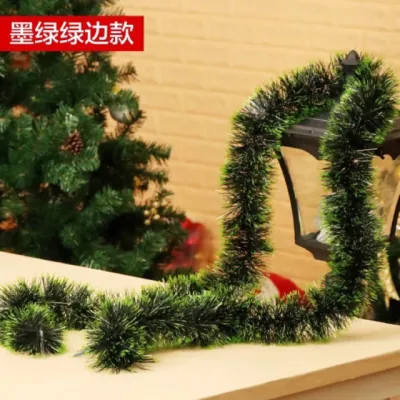

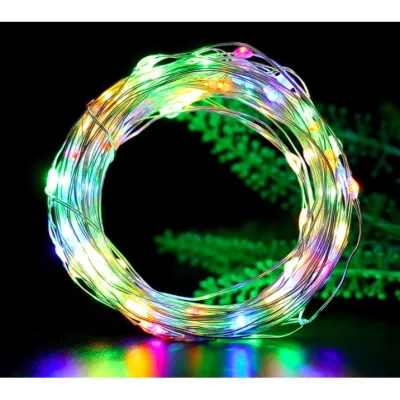





Prices are valid at publication and may change. Please refer to the product page for the latest price.
Once you have established your neutral base, limit your accent colors to one or two intentional shades. For instance, you might pair warm cream with deep forest green, or combine soft white with a single metallic tone like brushed champagne gold or matte brass. These accent colors should be introduced sparingly through natural foliage, a few select ornaments, or a simple textile. By keeping the color transitions subtle, you allow the eye to move smoothly through the room without being jarred by sudden pops of intense color.
It is equally important to avoid conflicting patterns and overly bright, multi-colored decorative elements. Busy plaids, highly detailed holiday prints, and multi-colored flashing light sequences can disrupt the clean lines of a minimalist room. Instead, prioritize solid colors and smooth gradients that enhance the sense of architectural simplicity. If you want to introduce contrast, do so through varying shades of the same color family rather than introducing entirely new hues, ensuring a cohesive and sophisticated look.
Choose Statement Lighting and Focal Pieces
In minimalist design, less is truly more, which means the few decorative items you do display must carry significant visual weight. Instead of scattering small holiday trinkets across every available surface, focus on choosing one or two high-impact focal pieces per room. A single, beautifully designed centerpiece draws the eye and establishes a clear festive theme without crowding your living space. This approach ensures that your decorations feel intentional and curated rather than accidental.

Statement lighting is one of the most effective ways to create a minimalist holiday focal point. In the Philippines, a modern parol made from natural capiz shells with clean, geometric lines and a steady, warm-white glow can serve as a stunning window or wall centerpiece. Unlike traditional parols with complex, rapidly flashing multi-colored light patterns, a minimalist parol relies on structural elegance and a soft, ambient radiance. Alternatively, you can install a geometric pendant light wrapped in delicate warm-white micro-LEDs or position a single, sparsely decorated Christmas tree in a prominent corner to anchor the room.
When selecting these focal pieces, prioritize high-quality materials and structural simplicity over ornate, heavily embellished designs. Look for clean lines, matte finishes, and organic shapes that harmonize with your everyday furniture. A sparse, Scandinavian-style artificial tree with visible wooden branches and a few uniform glass baubles often looks far more elegant in a minimalist setting than a heavily flocked tree packed with tinsel and mismatched ornaments. By investing in a few premium, well-designed pieces, you create a timeless holiday display.
Arrange Decor Using Intentional Negative Space
Negative space, or the empty area surrounding objects, is a fundamental element of minimalist design that is often overlooked during the festive season. To prevent your home from feeling cramped, you must intentionally design the empty spaces just as carefully as the decorated ones. Leaving portions of your shelves, mantels, and tables completely bare highlights your chosen statement pieces and gives the room visual breathing room. This contrast between decorated and empty areas is what makes minimalist decor feel sophisticated rather than sparse.
When placing your decorations, avoid scattering individual items randomly across the room, which can make the space look disorganized. Instead, group your decor in simple clusters or odd numbers, such as the classic rule of three. For example, you might arrange three ceramic taper candle holders of varying heights on one side of a sideboard, leaving the remaining two-thirds of the surface completely empty. This grouping technique creates a clear, pleasing focal point while preserving the clean lines of your furniture.
Before you begin setting up your holiday decor, it is essential to thoroughly declutter your living spaces. Remove everyday household items, such as stacks of magazines, excess throw pillows, and small tabletop organizers, and store them away for the season. Introducing holiday decorations into an already crowded room will only result in physical and visual clutter. By starting with a completely clean, blank canvas, you ensure that every festive element you introduce has the space it needs to shine.
Layer Warmth and Texture Without Clutter
One of the most common concerns when decorating with a minimalist style is that the space might end up feeling cold, sterile, or uninviting. To prevent this, you must layer warmth and tactile texture throughout your home without adding physical clutter. Instead of relying on plastic ornaments and shiny tinsel, look to natural, organic elements to bring life and softness into your living areas. Simple pine or eucalyptus branches placed in a clear glass vase, wooden bead garlands, or dried citrus slices offer beautiful organic textures and subtle colors that feel inherently festive.
Textiles are another powerful tool for introducing warmth and comfort into a minimalist holiday home. Swap out your everyday cushion covers for soft, unpatterned fabrics in neutral tones, such as linen, cotton, or chunky knits. A simple linen tree skirt or a beautifully woven seagrass basket used to hold your Christmas tree stand adds a rustic, tactile quality that softens the clean lines of modern furniture. These textile choices provide a cozy, lived-in feel while keeping the overall aesthetic clean and uncluttered.
Finally, rely on sensory elements like ambient lighting and subtle scents to build a festive atmosphere without occupying physical space. Warm-white fairy lights with thin, copper wires can be woven through a simple garland or placed inside a glass jar to create a soft, magical glow. Complement this visual warmth with natural holiday scents, such as cinnamon, clove, or local citrus, using essential oil diffusers or soy wax candles. These non-physical layers of decor appeal to the senses, making your home feel incredibly warm, festive, and welcoming.
Verify Safety and Installation Limits for Lighting
While creating a beautiful minimalist aesthetic is exciting, safety must always remain your top priority when installing holiday lighting. Before connecting any light strands, modern parols, or decorative fixtures, carefully verify their electrical specifications. Ensure that the voltage matches your home’s electrical system (typically 220V in the Philippines) and check the wattage limits of your wall outlets and extension cords to prevent overloading. Always look for official safety certification marks on product labels to ensure the lighting has undergone rigorous quality testing.
For complex installations, such as mounting a heavy parol on a high ceiling, running fixed wiring, or setting up lights in damp outdoor areas, it is crucial to know your limits. Always isolate the main power supply at the circuit breaker before attempting any electrical work. If the installation requires working at significant heights or modifying your home’s permanent wiring, do not attempt to do it yourself; instead, hire a qualified professional electrician to ensure the job is done safely and up to local electrical codes.
Additionally, pay close attention to the installation environment and product ratings. Only use light strands and fixtures that are explicitly rated for outdoor use if you plan to decorate your patio or balcony, as indoor-rated lights can short-circuit when exposed to tropical humidity or rain. Keep heat-generating bulbs, such as traditional incandescent lights, far away from flammable natural textures like dried branches, paper ornaments, or cotton textiles. Opting for low-voltage, cool-to-the-touch LED lighting is a much safer choice that also aligns perfectly with the energy-efficient principles of modern minimalist living.
Frequently Asked Questions (FAQ)
How do I decorate a small apartment with a minimalist Christmas theme?
Decorating a small apartment with a minimalist theme requires focusing on vertical space and high-impact, space-saving solutions. Instead of a traditional, floor-heavy Christmas tree that takes up valuable square footage, consider hanging a simple, elegant pine branch on the wall and wrapping it in warm-white micro-LED lights. You can also hang a single, beautifully crafted capiz parol in your main window to serve as a highly visible festive statement that requires zero floor space. Choose multi-functional or foldable decor items that can be easily packed away after the holidays, and focus your decorating efforts on a single, prominent corner of your living room rather than trying to spread small decorations across every shelf and table.
What is the best way to store minimalist decor after the holidays?
To preserve the quality and longevity of your minimalist holiday decor, invest in rigid, durable storage containers with clear labels. Wrap fragile items, such as glass ornaments, delicate ceramic candle holders, and modern parols, in acid-free tissue paper or bubble wrap to prevent scratching and structural damage. In humid tropical climates like the Philippines, moisture can easily damage natural wood, paper, or metal components over the off-season; placing silica gel packets inside your storage bins helps absorb excess moisture and prevents mold or rust. Finally, keep a simple, updated inventory of your decorations inside each box to help you resist the urge to overbuy and accumulate unnecessary clutter in the coming years.
Community discussion
Share your experience or ask a question. Comments are reviewed before publication.