
Creating a rustic Christmas theme brings a warm, grounded feel to holiday celebrations, offering a peaceful alternative to bright, synthetic decorations. In the Philippines, where the festive season begins early and extends for months, incorporating natural elements like wood, rattan, and dried botanicals creates a cozy, inviting atmosphere that feels both traditional and fresh. By focusing on organic textures and earthy tones, you can design a holiday space that celebrates local craftsmanship and the natural beauty of the tropical environment.
Transitioning to a rustic theme does not require a complete overhaul of your existing holiday collection. Instead, it involves thoughtfully integrating natural materials that complement your home’s architecture and daily life. This approach allows you to build a cohesive look over time, selecting pieces that are durable enough to withstand the local climate while maintaining their rustic charm year after year.
Define Your Rustic Color Palette and Texture Mix
Establishing a clear color palette is the first step in creating a cohesive rustic holiday look. Rather than relying on bright, high-contrast primary colors, a rustic theme draws inspiration from the natural landscape. Base tones should feature earthy neutrals such as warm beige, soft cream, deep charcoal, and the rich browns of natural timber. These foundational colors integrate smoothly with most interior paint schemes, providing a calm backdrop that allows your festive accents to stand out without overwhelming the room.
Products mentioned in this guide


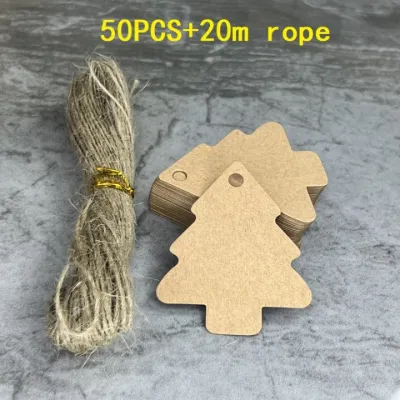
Prices are valid at publication and may change. Please refer to the product page for the latest price.
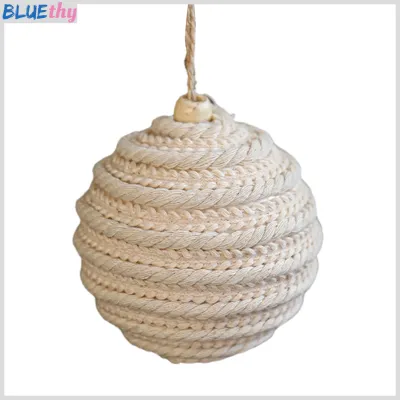
To prevent a neutral palette from looking flat, you must introduce a diverse mix of textures. Contrast is key to creating visual depth in a rustic space. Pair rough, tactile elements like coarse burlap, raw tree bark, and woven abaca with smoother surfaces like polished coconut shells, matte ceramics, and delicate capiz. This interplay of textures catches the light in different ways, making your holiday displays feel layered, curated, and rich even without bright colors.
It is also important to adapt your color choices to the natural light of your specific rooms. Spaces that receive abundant tropical sunlight can easily handle deeper wood tones and darker forest greens without feeling cramped. For shaded rooms or smaller urban living areas, lean heavily on lighter neutrals like cream, linen, and pale rattan to keep the space feeling open and airy. Observing how daylight shifts through your home will help you position darker or lighter elements for the best visual balance.
Select Anchor Pieces From Natural Materials
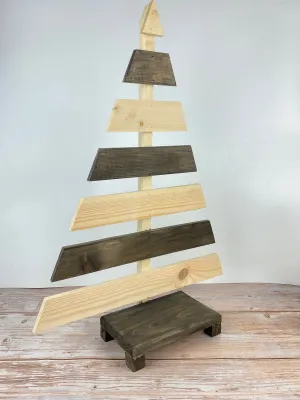
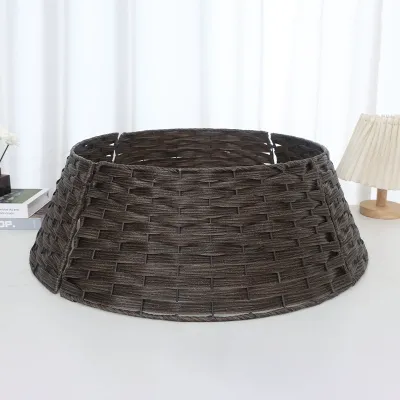
Anchor pieces serve as the focal points of your holiday decor, setting the scale and tone for the rest of your arrangements. Instead of a standard plastic tree stand, consider using a sturdy rattan tree collar or a hand-woven basket to ground your Christmas tree. If you prefer a non-traditional approach, a stylized tree silhouette crafted from reclaimed driftwood or bamboo poles can serve as a striking, minimalist centerpiece that celebrates local materials.

When selecting these larger items, carefully scale their dimensions to fit your room’s layout. In cozy living rooms or apartments, oversized decor can quickly block pathways and disrupt the flow of daily traffic. Measure your floor space and ceiling height before purchasing large wooden crates, ladder displays, or standing branches. Ensure there is at least a two-foot clearance around major walkways so family members and guests can move comfortably through the space.
Safety and structural integrity are critical when working with heavy natural materials. Before hanging large wooden signs, heavy grapevine wreaths, or suspended branch displays, verify the weight limits of your wall anchors and ceiling hooks. Check that all wooden items have a stable base and are free from structural cracks that could cause them to split or fall. If you are suspending a heavy branch arrangement above a dining table, use secure, load-tested hardware rather than simple adhesive hooks to prevent accidents.
Incorporate Dried Botanicals and Organic Accents
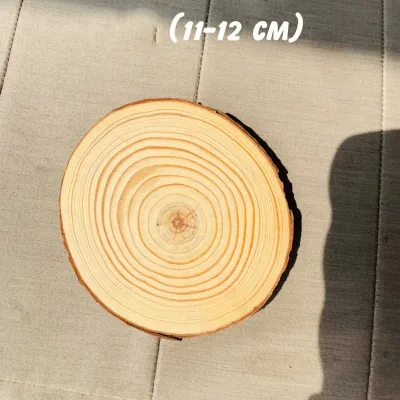
Replacing plastic ornaments with dried botanicals is an excellent way to soften your holiday decor and introduce organic shapes. Dried orange and lime slices, pinecones, seed pods, and preserved local foliage like dried palm fronds or pampas grass add a delicate, natural beauty to your tree and garlands. These elements bring a subtle, earthy fragrance and a vintage aesthetic that synthetic decorations cannot replicate.
Before bringing any natural or foraged items into your home, a thorough pest inspection is essential. Raw wood, dried seed pods, and pinecones can harbor small insects, termites, or wood borers that can damage your home’s furniture and structure. Inspect all items carefully for tiny holes, fine wood dust, or active pests. You can treat purchased or foraged items by gently brushing them clean and ensuring they are completely dry before placing them alongside your other household furnishings.
Because dried botanicals are naturally fragile, strategic placement is necessary to keep them intact throughout the long holiday season. Avoid placing delicate dried floral arrangements, brittle palm leaves, or glass jars filled with dried citrus in high-traffic areas where they might be easily bumped or brushed against. Position these fragile accents on higher shelves, mantelpieces, or the center of dining tables, keeping them well out of reach of curious pets and young children.
Layer Lighting to Enhance Natural Textures
Lighting plays a crucial role in bringing natural textures to life, transforming raw wood and woven fibers into warm, glowing features. To create a cozy and inviting atmosphere, select light sources with a warm color temperature, ideally between 2700K and 3000K. This soft golden light enhances the natural warmth of timber and rattan, whereas cool white or blue-toned lights can make organic materials appear cold, gray, and artificial.
Pairing your light sources with natural diffusers is a highly effective way to soften the illumination in your home. Weave delicate micro-LED string lights through rattan baskets, place them inside capiz shell lanterns, or drape them behind woven abaca screens. The intricate patterns of the weave will cast beautiful, soft shadows across your walls, highlighting the craftsmanship of your decor while reducing harsh glare.
Electrical safety must always be a priority when combining lighting with dry, organic materials. Before installing any string lights or lighted ornaments, verify that their voltage matches your home’s electrical system, which is typically 220V in the Philippines. Check the manufacturer’s labels for wattage limits and inspect all cords for fraying, exposed wires, or damaged plugs. Avoid overloading electrical outlets by sticking to the recommended number of connected light strands.
For complex lighting installations, such as mounting heavy light fixtures to high ceilings, running outdoor holiday lights exposed to tropical rain, or installing fixed wiring, always prioritize safety. If an installation requires modifying your home’s electrical panel or running permanent wiring through walls, stop and consult a qualified, licensed electrician. Professional assistance ensures your holiday display remains beautiful and safe throughout the season.
Arrange and Balance Your Holiday Vignettes
Creating a successful rustic display relies on styling your surfaces to look curated rather than cluttered. When arranging holiday vignettes on consoles, sideboards, or shelves, apply the principles of visual balance by varying the heights of your items. Group objects in odd numbers, such as pairing a tall wooden candleholder with a medium-sized ceramic vase and a small cluster of pinecones. This variation guides the eye naturally across the display, creating a dynamic and interesting arrangement.
Leaving adequate negative space is essential to maintaining a relaxed, rustic feel. It can be tempting to fill every empty surface with festive decor, but overcrowding can make a room feel chaotic and small. Allow your natural pieces room to breathe by leaving open spaces on your tables and shelves. This intentional simplicity highlights the unique shapes and textures of your individual anchor pieces, giving your home a clean, peaceful atmosphere.
To keep your displays safe, secure any top-heavy or fragile arrangements against accidental tipping. Tall branches in ceramic vases, heavy wooden candleholders, and delicate dried arrangements can easily fall if a table is bumped. Use heavy decorative stones inside vases to lower their center of gravity, or apply removable museum wax to the bases of tall items to secure them to flat surfaces. Taking these small precautions protects your valuable decor and keeps your household safe.
Maintain and Store Natural Decor After the Holidays
Caring for natural decor requires specific techniques to preserve the materials for future holiday seasons. Because raw wood, rattan, and dried botanicals are highly porous, avoid using wet cloths or liquid cleaners, which can seep into the fibers and cause damage. Instead, use a soft, dry microfiber cloth, a feather duster, or a soft-bristled paintbrush to gently remove dust from intricate weaves and delicate dried petals without breaking them.
The tropical climate of the Philippines presents unique challenges for preserving natural holiday decor, with high humidity levels posing a constant risk of mold, mildew, and warping. Regularly inspect your wooden and woven items throughout the festive season for any signs of moisture buildup or discoloration. If you notice dampness, temporarily move the affected item to a well-ventilated area with good air circulation to dry out completely.
When the holiday season ends, proper storage is key to protecting your natural investments from humidity and pests during the off-season. Avoid storing organic items in sealed plastic bags, which can trap moisture and encourage mold growth. Instead, pack your decor in breathable cardboard boxes or fabric storage bins. Place several silica gel packets inside each container to absorb excess moisture, and store the boxes in a cool, dry, and elevated space away from direct sunlight and damp floors.
Frequently Asked Questions (FAQ)
How do I clean dust off rattan and woven Christmas decor?
To clean dust from the intricate crevices of rattan and woven decor, use a soft-bristled paintbrush or a clean makeup brush to gently sweep away particles. For larger items, you can use a vacuum cleaner equipped with a soft brush attachment on its lowest suction setting. Avoid using water, damp cloths, or harsh chemical sprays, as moisture can weaken the natural fibers, cause the material to swell, and encourage the growth of mold and mildew.
Is it safe to use real candles with dried botanicals?
Using open flames near dry, highly combustible materials like dried leaves, pinecones, and paper decorations carries a significant fire risk. If you choose to use real candles, you must maintain a strict clearance distance of at least 12 inches between the flame and any decorative elements, placing them on stable, heat-resistant holders. For a much safer alternative, use high-quality, flameless LED candles that mimic the flicker of real flames without generating heat. Never leave an open flame unattended under any circumstances.
Community discussion
Share your experience or ask a question. Comments are reviewed before publication.