
Styling a native Filipino Christmas theme at home is about capturing the warmth, hospitality, and nostalgic charm of a traditional ‘Paskong Pinoy.’ By centering your holiday decor on indigenous materials, organic textures, and warm, inviting light, you can transform any modern living space into a sanctuary that honors local heritage. This approach moves away from cold, mass-produced plastic ornaments and instead celebrates the rich craftsmanship found across the Philippine archipelago.
In a tropical climate where the festive season spans the long ‘Ber’ months from September to December, native decor is both a practical and aesthetic choice. Natural fibers and local woods breathe easily in high humidity, bringing an earthy, grounded feel to the home. Whether you live in a high-rise condominium in the city or a spacious suburban house, integrating these elements creates a cohesive look that feels deeply personal and culturally resonant.
Essential Elements of Native Filipino Christmas Decor
To build an authentic native theme, you must first understand the foundational materials that define traditional Filipino craftsmanship. The absolute centerpiece of any Filipino Christmas is the parol, a star-shaped lantern that symbolizes the Star of Bethlehem and the triumph of light over darkness. Traditional parols are constructed using a lightweight bamboo frame, which is then covered with either colorful translucent paper (papel de hapon) or polished capiz shells. Capiz, harvested from the windowpane oyster, is particularly prized for its pearlescent quality, which beautifully diffuses light to create a soft, ethereal glow.
Products mentioned in this guide
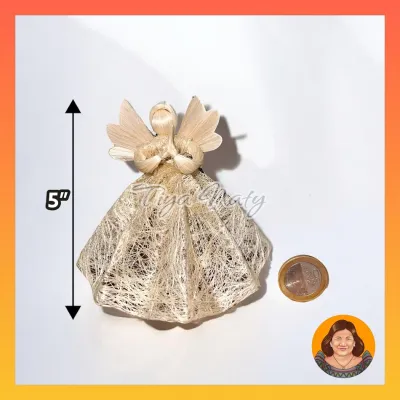
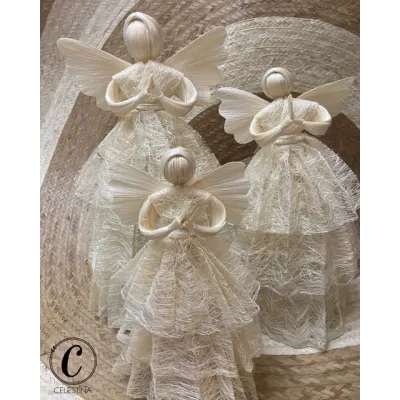
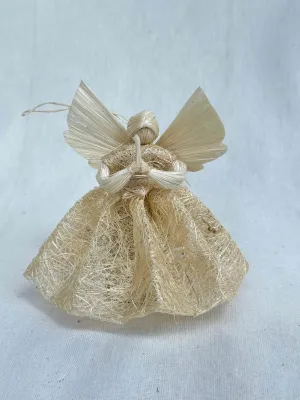
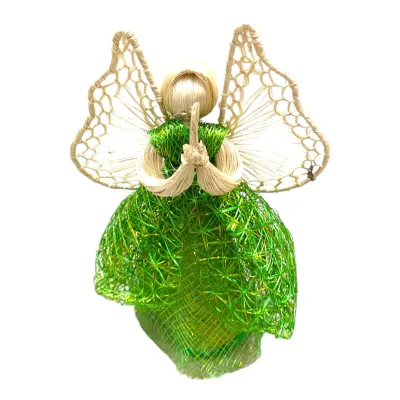
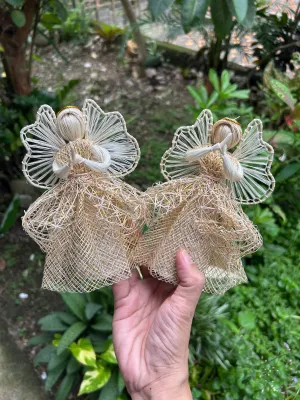
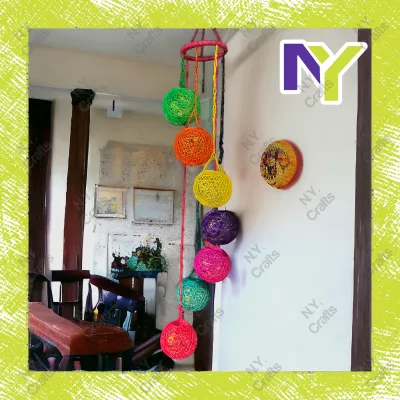
Prices are valid at publication and may change. Please refer to the product page for the latest price.
Beyond the iconic lantern, natural textures form the backbone of this design style. Rattan, with its flexible yet sturdy nature, is frequently woven into wreaths, bells, and miniature reindeer figures. Woven abaca, also known as Manila hemp, offers a coarser, highly durable texture that is perfect for ribbons, table runners, and tree skirts. You can also incorporate sinamay—a fine fabric woven from abaca fibers—to add delicate, semi-translucent layers to your tree or garlands.
To give your decor more depth and cultural context, look beyond standard holiday items and integrate traditional textiles and local pottery. Handwoven fabrics such as Inabel from the Ilocos region or Yakan weaves from Mindanao can be repurposed as table runners, throws, or festive banners. Pairing these rich textiles with local terracotta pottery (paso) or hand-carved wooden bowls creates a layered, multi-dimensional display. These elements ground your holiday styling in everyday Filipino life, making the festive transformation feel organic rather than forced.
Room-by-Room Guide to Styling Your Home
Bringing a native theme into your home requires a thoughtful, room-by-room strategy to ensure the design feels cohesive rather than chaotic. The secret lies in balancing bold statement pieces with subtle, natural accents to avoid visual clutter. By designating a clear focal point in each room and supporting it with understated organic textures, you can create a seamless flow that guides the eye naturally from the entryway to the dining table.

Living Room and Entryway
The entryway and living room serve as the primary gathering spaces, making them the ideal areas to establish your theme’s visual anchor. Begin by hanging a primary, large-scale capiz or woven rattan parol in a central window or on a prominent accent wall. If a hanging lantern is not feasible, a large piece of woven wall art made from buri palm or bamboo can serve as an equally striking focal point. This single, high-impact piece immediately sets the tone for the rest of the home.
To carry the theme into the seating area, swap out your everyday throw pillows for covers made from local weaving patterns or natural fibers like linen and abaca. Look for textiles that feature earthy tones—such as terracotta, deep forest green, mustard yellow, and warm cream—to complement the natural wood and rattan elements in the room. This subtle shift in color and texture instantly cozies up the space without requiring you to replace your existing furniture.
In the entryway, welcome guests with a functional yet stylish arrangement. Lay down a durable natural-fiber rug, such as a braided abaca or seagrass mat, which can withstand foot traffic while introducing an organic texture underfoot. Pair this with a wooden or rattan shoe rack and a small console table decorated with a simple clay vase filled with dried local botanicals, such as dried palm spears or wild grasses.
Dining Area and Kitchen
The dining table is the heart of the Filipino holiday celebration, especially during the Noche Buena feast. To style a table that feels both festive and deeply rooted in local tradition, start with a base of woven placemats made from solihiya rattan, pandan leaves, or abaca. Layer these with a simple bamboo runner running down the center of the table. For tableware, opt for local ceramic plates in matte, earthy finishes or traditional wooden plates carved from acacia wood.
Instead of standard glass bowls, display your native holiday treats in hand-woven baskets or shallow wooden bowls. Filling a central rattan basket with local fruits like mangoes, lansones, and castanas (chestnuts), or displaying traditional delicacies like bibingka and puto bumbong on wooden platters, turns your food into a beautiful, edible centerpiece. This approach celebrates the sensory richness of the season while keeping the styling functional.
To enhance the dining atmosphere, consider the lighting above the table. Hanging smaller capiz or rattan pendant lights above the dining area provides localized, warm lighting that highlights the textures of your table setting. If you have existing light fixtures, you can temporarily accent them by weaving thin abaca ropes or lightweight dried garlands around the chains or frames, ensuring they remain safely away from direct heat sources.
Outdoor and Facade
Extending your native Christmas theme to the exterior of your home creates a warm, welcoming facade that shares the holiday spirit with your neighborhood. For pathways, garden borders, or porch steps, utilize weather-resistant bamboo or rattan lanterns. These structures shield the light source from light breezes while casting beautiful, patterned shadows across the ground. Ensure any lanterns placed on the ground are heavy enough or anchored securely so they do not tip over.
To bring the facade to life at night, wrap warm-white string lights around existing trees, porch columns, or balcony railings. The warm glow of the lights beautifully highlights the natural textures of wooden pillars and leafy tropical plants. When wrapping columns or railings, keep the tension snug but not overly tight to prevent damaging the wires or the structures themselves.
Safety is paramount when styling outdoor spaces, especially during the unpredictable weather of the late-year monsoon season. Always perform thorough safety checks on all outdoor electrical connections. Ensure that all extension cords, plugs, and string lights are rated for outdoor use and plugged into a ground-fault circuit interrupter (GFCI) outlet. Additionally, secure lightweight decor, such as hanging paper or bamboo parols, with heavy-duty zip ties or nylon cords to prevent them from being swept away or damaged by strong winds.
Lighting Techniques for a Warm Native Ambiance
Lighting is the magic element that breathes life into native materials, transforming raw fibers into glowing, golden accents. To achieve a warm, authentic ambiance, you must carefully plan your lighting placement while adhering strictly to electrical and structural safety guidelines. When hanging a traditional parol, always verify the weight of the lantern against the load capacity of your ceiling or mounting point. Use appropriate anchors—such as toggle bolts for drywall or expansion shields for concrete—and never hang a heavy capiz lantern directly from its electrical cord.
To create a cozy, layered lighting scheme, combine your central parol with warm-white string lights and natural-material floor or table lamps. Position rattan or capiz floor lamps in empty corners to cast soft, diffused light upward, which visually expands the room. When choosing light bulbs for these fixtures, opt for warm-white LEDs (ranging from 2200K to 2700K) to mimic the gentle glow of traditional candlelight. Always verify that the voltage of your light strings and bulbs matches the standard 220V electrical system in the Philippines, and check for official safety certifications, such as the Philippine Standard (PS) or Import Commodity Clearance (ICC) marks.
While the flicker of real fire is highly atmospheric, open flames present a severe hazard when paired with dry, highly flammable natural materials like bamboo, abaca, or rattan. Establish strict safety boundaries by completely avoiding open-flame candles or oil lamps near your native decor. Instead, utilize high-quality LED tea lights, flameless pillar candles, or battery-operated fairy lights inside your woven lanterns and table centerpieces. This simple substitution eliminates the risk of accidental ignition while delivering the exact same warm, flickering effect.
Sourcing and Caring for Local Decor Materials
Sourcing authentic, high-quality native decor supports local artisans and ensures your pieces will last for many holiday seasons to come. When shopping at local craft markets, regional trade fairs, or online marketplaces, look for signs of genuine craftsmanship. Authentic hand-woven items will exhibit slight, natural variations in color and weave pattern, which add character and value. Inspect the joints of bamboo and rattan pieces; high-quality items are secured with sturdy bindings or small brass nails rather than cheap glue, and they should feel structurally stable rather than flimsy.
Proper maintenance is essential to protect these natural materials from the tropical climate. Dust rattan, bamboo, and woven abaca regularly using a soft-bristled brush or a dry microfiber cloth to prevent dust from settling into the tight crevices. Capiz shells can be wiped gently with a slightly damp cloth to restore their natural luster, but avoid using harsh chemical cleaners or exposing them to excessive moisture, which can degrade the natural binding agents holding the shells together.
Once the holiday season concludes, proper storage is critical to prevent mold, warping, or pest infestations like wood-boring beetles (bukbok). Before packing your decor away, ensure every piece is completely dry; even a small amount of trapped moisture can lead to rapid mold growth in dark storage spaces. Wrap delicate capiz parols in acid-free tissue paper or bubble wrap, and store all native items in breathable cotton storage bags or sturdy cardboard boxes rather than airtight plastic bins. Toss a few packets of silica gel into each container to absorb any residual humidity, and store the boxes in a cool, dry, elevated area of your home.
Frequently Asked Questions (FAQ)
How can I mix native decor with modern furniture?
To successfully blend native Filipino decor with modern furniture, use the traditional pieces as intentional accents rather than trying to cover every surface. A sleek, minimalist sofa can be instantly warmed up by draping a handwoven Inabel blanket over the arm or adding a couple of textured abaca throw pillows. Match the warm, organic tones of your rattan and wooden decor with neutral modern upholstery, such as cream, beige, or charcoal gray. This contrast allows the unique textures of the native craftsmanship to stand out as beautiful focal points against a clean, contemporary backdrop.
Is it safe to hang heavy capiz Parols on standard ceilings?
Hanging a heavy capiz parol requires careful structural consideration to prevent damage or injury. Before installation, verify the exact weight of your lantern and inspect your ceiling material; standard gypsum board or plaster ceilings cannot support heavy loads without proper reinforcement. Always secure the mounting hook directly into a wooden ceiling joist or a concrete slab rather than relying on thin ceiling panels. If you are uncertain about the structural integrity of your ceiling or the electrical wiring required for the lantern, stop immediately and consult a qualified professional to handle the installation safely.
Community discussion
Share your experience or ask a question. Comments are reviewed before publication.