
Transforming a standard pop-up gazebo into a festive, themed centerpiece is an excellent way to elevate any outdoor celebration. Whether you are hosting a lively barangay gathering, a family milestone, or a seasonal community fiesta, the right decorations can turn a simple metal-framed canopy into a stunning visual focal point. Achieving this transformation requires a thoughtful combination of vibrant color schemes, elegant fabric draping, strategic lighting, and secure mounting techniques. By planning your design around the structural limits of your temporary shelter, you can create a beautiful, welcoming space that remains safe and stable throughout the festivities.
Plan Your Fiesta Theme and Assess the Gazebo Space
To begin, define the specific aesthetic of your fiesta theme. A classic tropical fiesta often features a bold, high-contrast color palette—think vivid shades of fuchsia, bright yellow, orange, and royal blue. Alternatively, you might opt for a more rustic, native theme utilizing natural textures like buri, abaca, and warm earth tones. Once you have a clear vision, transition from creative concepts to physical measurements. Use a reliable measuring tape to record the exact length, width, and peak height of your gazebo. Knowing these dimensions is essential for calculating how many meters of fabric, ribbon, or string lights you need to purchase, preventing costly shortages or wasteful excess.
Next, thoroughly evaluate the installation site. Look for level ground, as uneven surfaces can compromise the structural balance of a pop-up frame. If you are setting up on grass, you can utilize heavy-duty ground stakes; for concrete driveways or tiled patios, you must plan for alternative anchoring methods like weighted sandbags. Additionally, scan the area for overhead hazards such as low-hanging tree branches or utility lines. Finally, locate the nearest outdoor-rated power source. If you need to run extension cords, map out a path that keeps them clear of high-traffic guest walkways to ensure everyone can move around safely.
Products mentioned in this guide
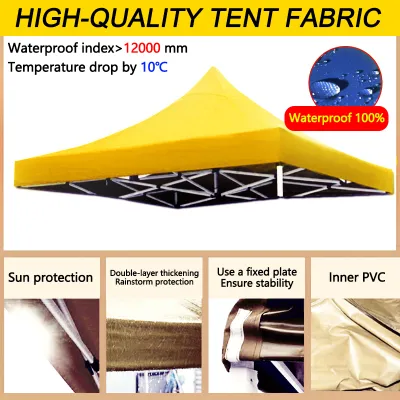
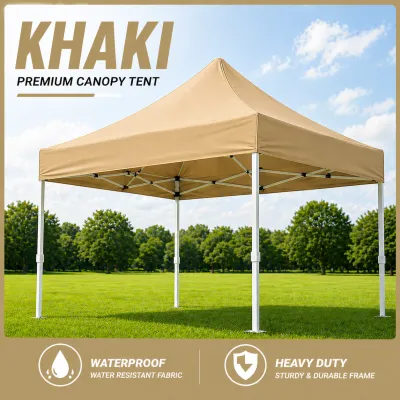
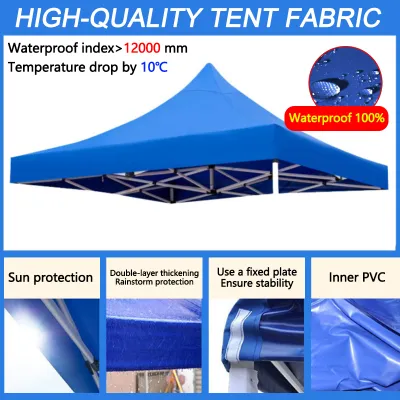
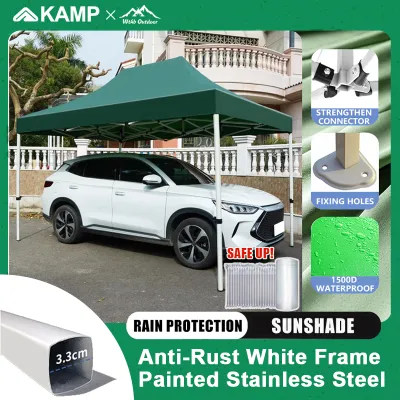
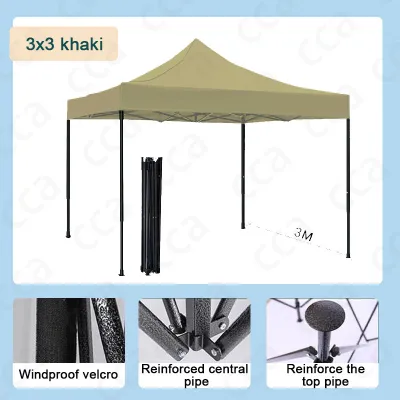
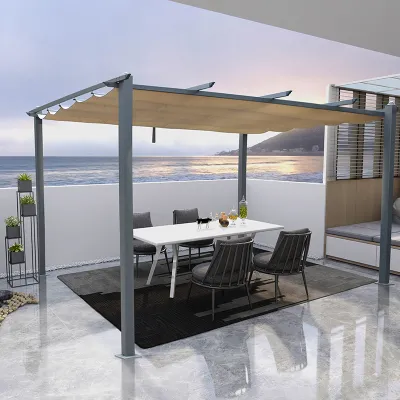
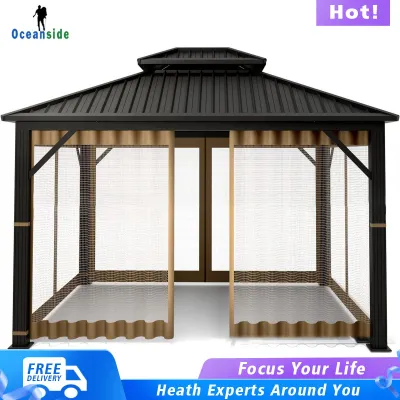
Prices are valid at publication and may change. Please refer to the product page for the latest price.
Gather Essential Materials and Safe Mounting Tools
Selecting the right materials is crucial for both visual appeal and durability, especially in warm, humid climates. When budgeting in ₱ for your decorations, prioritize lightweight, weather-resistant fabrics. Materials like polyester organza, tulle, and lightweight nylon are ideal because they drape beautifully, dry quickly if exposed to sudden moisture, and do not add excessive weight to the gazebo frame. Avoid heavy, absorbent fabrics like thick cotton canvas or velvet; these materials can sag dramatically under high humidity or collect water during a sudden tropical shower, putting dangerous stress on the overhead structure.

To attach your decorations without causing permanent damage, assemble a toolkit of non-destructive mounting hardware. Standard pop-up gazebos feature powder-coated metal frames and tensioned fabric canopies that can easily rust or tear if punctured. Instead of using nails, screws, staples, or metal pins, rely on plastic zip ties, reusable hook-and-loop straps, and padded plastic utility clips. These tools provide a secure grip on the frame legs and truss bars without scratching the protective paint or tearing the canopy fabric. Additionally, ensure you have robust anchoring equipment on hand, such as heavy-duty sandbags or water-filled weight bags, to keep the entire setup firmly grounded.
Step-by-Step Draping and Structural Decoration
When you are ready to decorate, always work from the top down, starting with the canopy roof. Begin by securing your primary fabric drapes to the central peak of the gazebo frame. From this central point, gently guide the fabric panels outward toward each of the four corner posts, creating a soft, radial canopy effect. As you secure the fabric, make sure you do not block any built-in wind vents at the peak of the canopy. These vents are critical for allowing air to escape, reducing the wind resistance of the structure. Keep the fabric drapes relatively taut to prevent loose pockets where rainwater could pool and weigh down the roof.
Once the ceiling draping is secure, move on to the side curtains or decorative swags. Attach these elements to the perimeter truss bars using gentle plastic clips or hook-and-loop straps. If you want to create a more open, inviting feel, pull the side fabrics back toward the corner posts and tie them off with wide, colorful ribbons or native cords. Under no circumstances should you use pins or staples to attach decorations directly to the main canopy fabric. Puncturing the canopy compromises its water resistance and can lead to rapid tearing under wind tension.
Finally, address the vertical support poles. Wrapping the metal legs with fabric, artificial vines, or colorful ribbons is an excellent way to hide the industrial-looking frame. However, you must exercise caution around the gazebo’s functional components. Keep all folding joints, push-buttons, and locking slider mechanisms completely clear of decorations. If a sudden change in weather requires you to collapse the gazebo quickly, these mechanical parts must be easily accessible and free of obstructions so you can lower the structure safely without snagging or damaging your materials.
Install Themed Lighting and Fiesta Accessories
As afternoon turns to evening, lighting becomes the key element that brings your fiesta theme to life. To ensure safety in semi-outdoor environments, select low-voltage, battery-operated, or outdoor-rated LED string lights. If you are connecting to a mains power source, verify that the lights are compatible with the local 220V standard and carry recognized electrical safety certifications. LED lights are highly recommended because they produce minimal heat, reducing the risk of scorching delicate fabrics or paper decorations even after hours of continuous operation.
Proper cable management is essential to prevent accidents. Route all electrical cords neatly along the interior channels of the gazebo frame legs, securing them tightly with zip ties or electrical tape at regular intervals. Never allow power cables to dangle loosely across open spaces or lie unprotected on the ground where guests might trip over them. If cables must cross a walkway, use heavy-duty rubber cord protectors to secure them flat against the ground.
With the lighting in place, you can add the finishing touches, such as hanging ornaments, paper lanterns, or traditional banderitas. When suspending these items from the overhead truss bars, distribute the weight evenly across the entire frame. Avoid hanging heavy objects from a single point, as this can warp the metal structure. Always verify that the total weight of your suspended decorations remains well within the safe load capacity specified by the gazebo manufacturer.
Perform Safety Checks and Weather Precautions
Before welcoming your guests, perform a final safety inspection of the decorated gazebo. Walk around the structure and gently shake the frame legs to verify that the anchoring system—whether stakes driven deep into the ground or heavy sandbags resting on the base plates—is completely secure. A decorated gazebo has a much higher surface area than a bare one, making it far more susceptible to catching light breezes and shifting out of place.
Next, inspect all electrical connections. Ensure that any plugs, splitters, or power strips are elevated off the ground, ideally strapped securely to the upper portion of a frame leg or housed inside a weatherproof electrical box. This precaution keeps sensitive connections dry and safe from ground moisture, morning dew, or accidental drink spills during the party.
Lastly, establish a clear emergency protocol with your co-hosts. Tropical weather can be highly unpredictable, and sudden gusts of wind or heavy downpours can put immense strain on a decorated temporary structure. If severe weather approaches, be prepared to act quickly. Have a pair of utility shears handy to rapidly cut zip ties, allowing you to remove large fabric drapes and lower the gazebo to its lowest height setting before the wind can damage the frame or injure your guests.
Frequently Asked Questions (FAQ)
Can I hang heavy decorations from the gazebo roof frame?
Pop-up gazebo frames are engineered primarily to support the tension of their own fabric canopy, not to carry heavy vertical loads. Hanging heavy items like large potted plants, heavy wooden signs, or massive floral chandeliers can easily bend or snap the lightweight aluminum or steel truss bars. To keep your setup safe, stick to lightweight decorative alternatives such as paper lanterns, thin plastic banners, or lightweight fabric swags. If your fiesta theme absolutely requires a heavy centerpiece, consider supporting it independently with a sturdy, ground-based stand placed inside the gazebo rather than suspending it from the roof frame.
How do I secure the gazebo decorations against wind?
To prevent wind from turning your decorated gazebo into a sail, you must use a combination of heavy anchoring and smart material choices. Ensure each leg of the gazebo is secured with adequate weights, such as heavy-duty sandbags, water weights, or ground stakes. When selecting decorative side panels, opt for breathable, open-weave fabrics or mesh materials that allow the wind to pass through easily, rather than solid, wind-blocking tarps. If wind speeds pick up unexpectedly, be prepared to untie or remove large fabric swags immediately to reduce wind resistance and protect the structural integrity of the frame.

Community discussion
Share your experience or ask a question. Comments are reviewed before publication.