
A white Christmas tree offers a striking, modern canvas that amplifies the brilliance of holiday decor. By styling it with a curated palette of gold and silver, you can transform a standard artificial tree into a breathtaking centerpiece of festive luxury. The key to achieving a high-end look lies in balancing the warm tones of gold with the cool, crisp reflections of silver, creating a multi-dimensional metallic display that feels both cohesive and opulent.
While mixing metals was once considered a design risk, it is now a celebrated technique for adding depth and sophistication to holiday interiors. Against the clean, snowy backdrop of white pine or fir needles, gold and silver ornaments do not compete; instead, they reflect light in contrasting ways that make the entire tree shimmer. Achieving this professional-grade aesthetic requires a systematic approach, starting with meticulous tree preparation and ending with strategic, layered styling.
Gather Your Materials and Prepare the Tree
Before hanging a single ornament, you must establish a full, lush foundation. Artificial white Christmas trees are often compressed during storage, leaving noticeable gaps between the branches. To remedy this, begin shaping and fluffing the tree systematically from the bottom section upward. Reach deep into the inner branches near the center pole, spreading the individual tips outward and upward in a starburst pattern to maximize volume and eliminate empty pockets.
Products mentioned in this guide




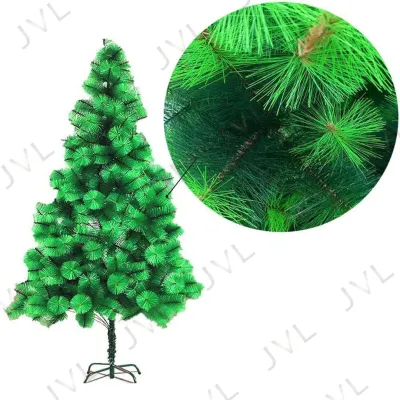
Prices are valid at publication and may change. Please refer to the product page for the latest price.
As you gather your decorating materials, focus on texture and finish rather than relying solely on standard shiny baubles. A truly luxurious tree incorporates a diverse mix of matte, glossy, satin, and heavily glittered gold and silver ornaments. This textural variety prevents the metallic palette from looking flat or monotonous. Matte finishes absorb and soften light, while high-gloss and glittered surfaces bounce light around the room, creating a dynamic visual rhythm.
Your choice of light temperature plays a critical role in how these metallic finishes behave. Warm white lights (typically around 2700K to 3000K) enhance the rich, champagne tones of gold, casting a cozy, inviting glow across the white branches. Conversely, cool white lights (around 5000K or higher) highlight the icy, modern brilliance of silver. This choice is entirely a matter of personal preference and the existing ambiance of your living space, though selecting a single, consistent light temperature generally yields the most cohesive and high-end result.
To streamline the decorating process, organize all your ornaments, ribbons, and picks by size, color, and texture before you begin. Grouping your materials on a large table or in shallow boxes allows you to see your entire inventory at a glance. This preparation ensures an even distribution of elements and prevents you from running out of key decorative pieces halfway through the styling process.
Layer the Lights and Garlands First
If your white Christmas tree is not pre-lit, adding the light strings is your first active styling step. For safety and ease of installation, always isolate the power by keeping the light strings unplugged while wrapping them, or plug them into a certified surge protector to test them before positioning. In the Philippines, ensure your light strings carry official electrical safety certifications, such as the Import Commodity Clearance (ICC) or Philippine Standard (PS) mark, and verify that the voltage matches the standard 220V household supply. Avoid overloading wall outlets by checking the manufacturer’s maximum wattage limits for connected light strings.

To create a professional, deep-set glow, weave the string lights deeply into the inner branches near the trunk rather than simply draping them over the outer tips. Start from the base of the trunk and work your way up, wrapping the cord around individual branches as you move outward and back inward. This technique illuminates the core of the white tree, causing the light to filter through the branches and reflect beautifully off the backs of your gold and silver ornaments.
Once the lights are secure, introduce your structural garlands or ribbons. Wired ribbons are highly recommended for a luxurious look, as they hold their shape and can be easily manipulated into elegant cascades or spirals. You can run the ribbon vertically from the top of the tree down to the base in gentle, billowing waves, tucking the ribbon into the branches at regular intervals. Alternatively, wrap a wide metallic mesh or fabric garland diagonally around the tree to establish sweeping lines of movement.
Secure all ribbons and heavy garlands firmly to the branches using white floral wire or the flexible built-in branch tips themselves. This prevents the heavy fabric from slipping, sagging, or pulling the branches downward over time. To maintain a clean, high-end appearance, tuck the cut ends of the ribbons and any unsightly light cords deep into the foliage, ensuring only the decorative, finished elements remain visible.
Arrange Ornaments for Depth and Balance
Achieving a balanced, three-dimensional look requires a strategic placement strategy based on size and weight. Begin by placing your largest and heaviest gold and silver ornaments deep within the inner branches of the tree. Tucking these larger baubles closer to the center pole anchors the design, fills larger structural gaps, and creates a sense of weight and depth that makes the tree appear fuller.
Next, hang your medium-sized ornaments midway along the branches, and reserve your smallest, most delicate, or highly reflective pieces for the very tips of the outer branches. These outer ornaments will catch the ambient light of the room and the tree’s internal glow, shimmering with every movement in the space. If you are working on a tall tree, always use a stable, secure ladder to reach the upper sections safely, and avoid over-stretching.
To prevent the design from looking cluttered or disjointed, distribute your gold and silver elements evenly across all visible sides of the tree. Avoid clustering too many ornaments of the same color, size, or texture in one area. A helpful technique is to work in a zigzag pattern, placing a gold ornament, then a silver one, followed by a matte texture, and then a glittered one. This deliberate variation keeps the eye moving naturally across the entire display.
Finally, fill any remaining sparse gaps with neutral fillers and decorative picks. White beaded garlands, clear glass drops, or frosted floral picks blend seamlessly with the white branches while adding subtle texture. These fillers bridge the gap between the warm gold and cool silver tones, softening the transition between the two metals and completing the luxurious, layered aesthetic.
Add the Tree Topper and Finishing Touches
An elegant tree topper serves as the crown of your holiday display and completes the visual hierarchy. When selecting a topper—whether it is a classic gold star, a silver angel, or a custom-tied bow made from your leftover wired ribbon—ensure its scale is proportional to the height and width of your tree. A topper that is too large can make the tree look top-heavy, while one that is too small will get lost in the design.
Because artificial white trees often have flexible plastic top branches, you must secure the topper properly to prevent it from leaning or falling. Reinforce the central vertical branch by binding it to a sturdy wooden dowel or a metal rod using floral wire or cable ties. Once this support is anchored to the main center pole of the tree, slide your topper over the reinforced branch and secure it tightly.
To ground your luxurious display, coordinate the base of the tree with your metallic color palette. A plush white faux fur tree skirt, a structured gold metal collar, or a woven silver basket can neatly conceal the plastic or metal tree stand. If you place presents under the tree early, wrap them in coordinating high-quality papers—such as matte white, metallic gold foil, or silver pinstripe—and tie them with thick satin ribbons to complement the overall theme.
Once everything is in place, step back several meters from the tree and view it from multiple angles. Squinting your eyes slightly can help you identify any dark spots, sparse areas, or sections where the gold and silver distribution feels unbalanced. Gently adjust the branches or relocate a few ornaments until the silhouette and color distribution feel perfectly harmonious.
Maintain and Store Your Metallic Decorations
To keep your white Christmas tree and metallic ornaments looking pristine throughout the holiday season, gentle maintenance is required. Dust can quickly dull the shine of glossy silver and gold surfaces. Periodically dust your ornaments using a soft, dry microfiber cloth or a clean makeup brush for delicate, glittered items. Avoid using liquid cleaners, glass sprays, or harsh chemicals, as these can strip the delicate metallic coatings or dissolve the adhesives holding glitter in place.
Electrical safety is paramount for preserving both your home and your decor. Always turn off and unplug the tree lights when you leave the house or go to sleep. Inspect the cords periodically for any signs of wear, fraying, or unusual heat buildup near the plugs. If you notice any damaged wires, replace the light string immediately rather than attempting a temporary repair.
When the holiday season ends, proper storage is essential to prevent your metallic decorations from tarnishing, especially in tropical climates with high humidity. Handle your ornaments with clean, dry hands—or wear soft cotton gloves—to avoid transferring skin oils, which can accelerate the oxidation of silver finishes over time. Wrap each ornament individually in acid-free tissue paper or store them in compartmentalized plastic storage boxes to prevent them from scratching against one another.
Store your packed decoration bins in a cool, dry, and well-ventilated area of your home. Avoid storing them in hot, damp spaces like uninsulated attics or outdoor utility rooms, as extreme heat and humidity can cause white artificial needles to yellow and metallic coatings to peel or tarnish. Adding a few silica gel packets to each ornament storage box is an excellent, practical way to absorb excess moisture and preserve the brilliant shine of your gold and silver decor for years to come.
Frequently Asked Questions (FAQ)
Can I mix warm white and cool white lights on a white tree?
While you can technically mix light temperatures, doing so requires careful planning to avoid a chaotic look. Warm white lights enhance the rich, inviting tones of gold ornaments, while cool white lights emphasize the crisp, icy brilliance of silver and the white tree branches. If you prefer a highly cohesive, luxurious aesthetic, it is generally recommended to stick to a single light temperature throughout the tree.
If you do choose to mix them, use one temperature as your primary background illumination (such as warm white wrapped deep inside the tree) and use the other temperature sparingly as accent lighting on the outer branches. This creates a deliberate, layered depth rather than a disorganized clash of color temperatures.
How do I prevent silver ornaments from tarnishing over time?
Silver-finished ornaments are highly susceptible to tarnishing and oxidation, particularly in humid tropical environments. The most effective prevention starts during handling; always wash and dry your hands thoroughly before decorating, or wear lightweight cotton gloves to prevent skin oils from transferring to the metallic surfaces.
For long-term storage, wrap each silver ornament in acid-free tissue paper or anti-tarnish cloth before placing them in airtight plastic containers. Avoid using standard cardboard boxes, as they can release acids that accelerate tarnishing. Placing active silica gel packets or anti-tarnish strips inside the storage containers will absorb residual moisture and airborne pollutants, keeping your silver ornaments bright and reflective for the next holiday season.

Community discussion
Share your experience or ask a question. Comments are reviewed before publication.