
Custom LED letter signs offer a vibrant, modern way to personalize your condo, transforming a plain wall into a stylish focal point that reflects your personality. Designing and ordering these custom pieces involves measuring your available space, selecting the right materials and fonts, collaborating with online fabricators, and ensuring safe installation. By understanding the technical requirements and design choices upfront, you can create a stunning, energy-efficient light feature that complies with your building’s guidelines and withstands the local tropical climate.
Planning Your Custom LED Letter Sign Design
Before diving into fonts and colors, you must assess the physical realities of your condo unit. Start by measuring the exact wall or shelf space where you intend to mount the sign. Use a metal measuring tape to record the maximum width and height available, keeping in mind that you need a buffer of at least 10 to 15 centimeters on all sides so the design does not look cramped. Consider the viewing distance as well; a sign that is too large in a compact studio unit can cause visual fatigue, while a sign that is too small in a spacious open-plan living room will lose its impact.
Condominium living in the Philippines comes with specific structural and community rules that you must verify before making any purchases. Review your condo corporation’s tenant handbook or consult the property management office regarding wall modifications. Some buildings strictly prohibit drilling into structural concrete walls or shear walls, which will limit you to lightweight designs that can be hung with non-damaging adhesive hooks or placed on a shelf. Additionally, check policies regarding visible exterior lighting. If your sign will be placed near a window or on a balcony where it is visible from the street or neighboring units, the building association may have restrictions on brightness, flashing patterns, or operating hours to prevent light pollution.
Products mentioned in this guide
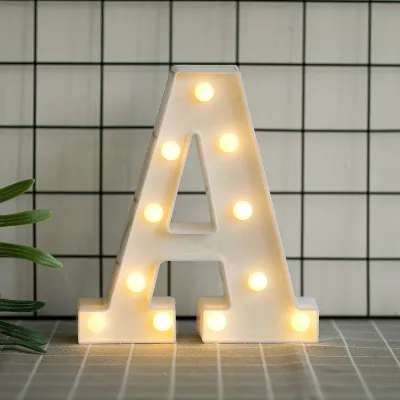

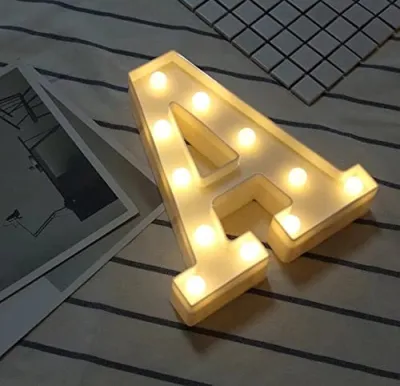
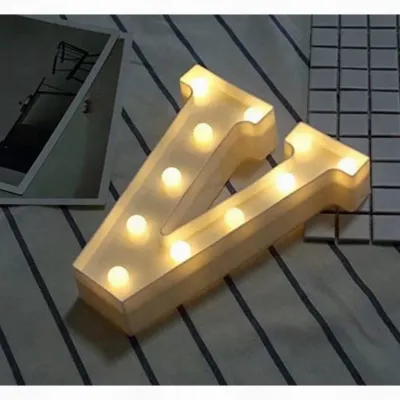
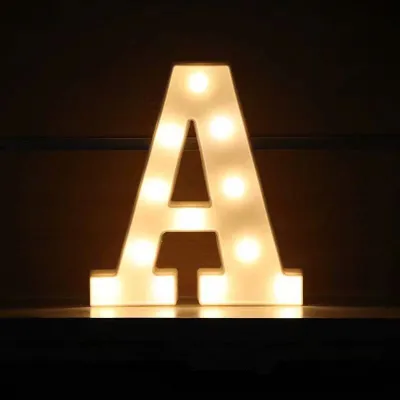
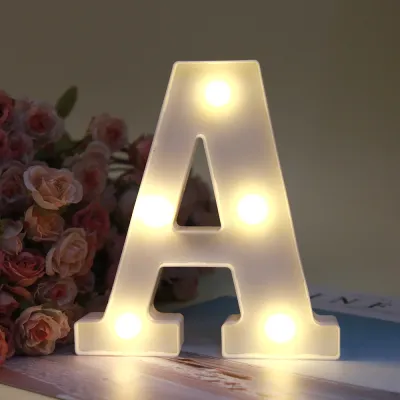
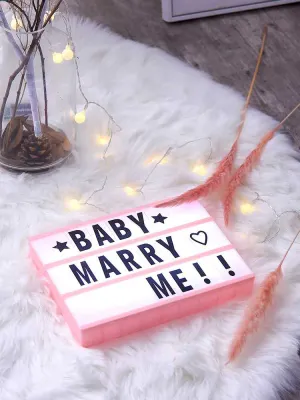
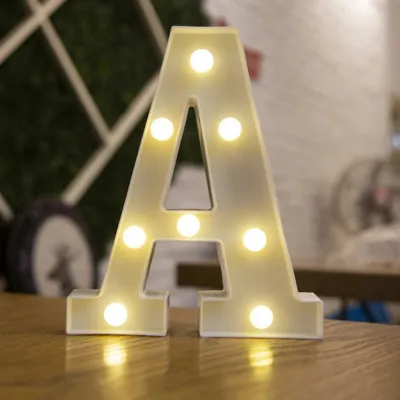
Prices are valid at publication and may change. Please refer to the product page for the latest price.
The mounting location also dictates key technical specifications. If you plan to place the sign in a high-humidity area like a kitchen or near an open window where tropical rain might blow in, you will need to select materials and enclosures that can handle moisture. For living rooms or bedrooms, consider how the ambient light changes throughout the day. A sign positioned opposite a large window will need sufficient brightness to remain visible during the bright afternoon sun, or it should feature a dimming controller so you can soften the glow when evening arrives.
Choosing Fonts, Colors, and Materials for LED Letters
The visual appeal of your custom letter led sign depends heavily on the typography you choose. Fonts are not just about style; they directly affect the structural integrity and readability of the physical sign. Script and cursive fonts create a continuous, flowing look because the letters naturally connect, which often simplifies the internal wiring and reduces the number of visible joints. Block or sans-serif fonts offer excellent readability from a distance but require precise spacing and separate wire connections between each individual letter. When selecting a font, avoid overly intricate designs with extremely tight curves, as the flexible silicone or acrylic tubes housing the LEDs have physical bending limits. Forcing a tube into a sharp angle can pinch the internal circuitry, leading to premature failure or uneven light distribution.

Color selection plays a vital role in setting the mood of your condo. Single-color LED signs are a classic, cost-effective choice that provides a clean, consistent glow. If you want versatility, multi-color RGB systems allow you to cycle through different hues or select a specific color to match your mood, a holiday, or a social gathering. For a more sophisticated look, adjustable color temperature LEDs let you transition from a crisp, energizing cool white during the day to a warm, relaxing golden glow at night. Keep in mind that perceived color temperature and spatial effects are highly subjective; a bright neon pink might look stunning in a dedicated entertainment corner but could feel overwhelming in a small bedroom.
The backing material supports the LED tubes and defines the sign’s appearance when it is turned off. Acrylic is the most common backing material due to its durability and lightweight nature. Clear acrylic backings are virtually invisible when the sign is illuminated, making the letters appear as if they are floating on your wall. If you want to hide wall imperfections or power cables running behind the sign, a solid black or mirrored acrylic backing is an excellent alternative. For a more rustic or industrial aesthetic, some custom fabricators offer wooden or metal mesh backings. Whichever material you choose, ensure it is sturdy enough to support the weight of the LED tubes without bending or warping over time.
Step-by-Step Guide to Ordering Custom LED Signs Online
Ordering a custom LED sign online requires clear communication and a detailed design brief to ensure the final product matches your vision. Begin by preparing a comprehensive brief that outlines your exact requirements. Include the precise dimensions (width and height), your preferred font name or a high-resolution vector file of your custom logo, the exact color codes, and your chosen backing material. If you have a specific layout in mind, create a simple digital sketch or use online design tools provided by custom lighting websites to visualize the arrangement of the letters.
Once your brief is ready, reach out to reputable sellers on e-commerce platforms or specialized custom lighting websites. In the Philippines, many local fabricators operate through online marketplaces, offering a convenient way to chat directly with design teams. Send your brief and ask for a digital mockup or a technical proof. A professional seller should provide a detailed rendering showing how the letters will be laid out, where the backing will be cut (such as cut-to-shape or a full rectangular board), and where the power cable will exit the sign. Use this opportunity to verify the voltage compatibility; standard household outlets in the Philippines operate at 220V, so ensure the sign comes with a compatible step-down power adapter (usually converting to 12V or 24V DC) that carries recognized electrical safety certifications.
Review the final design proof with extreme care before confirming your payment and sending the design to production. Check the spelling of every word, the spacing between letters, and the overall alignment. Verify that the color specified in the proof matches your expectations, keeping in mind that digital screens may display colors slightly differently than the actual physical LEDs. Confirm the lead time, shipping fees, and return policies for custom-made items. Because custom signs are fabricated to your exact specifications, manufacturers rarely offer refunds for spelling errors or size mismatches that were approved in the final proof.
Installing and Powering Your LED Letter Sign Safely
Proper installation ensures your custom sign remains securely mounted and operates safely without damaging your condo’s walls. The mounting method you choose must match the weight of the sign, the backing material, and the wall type. For lightweight signs mounted on drywall or wooden panels, heavy-duty adhesive strips or hooks can work well, making them ideal for renters who want to avoid drilling. However, for heavier signs with thick acrylic backings, you must use wall anchors and screws. If your condo has concrete walls, you will need a masonry drill bit and plastic wall plugs to secure the mounting studs. Always isolate the power in your work area before drilling near any electrical outlets or hidden conduits.
Managing the power cable is essential for maintaining a clean, professional look. Plan the routing of the cable before mounting the sign. If possible, position the sign close to an existing electrical outlet so the cord can hang straight down or be tucked behind nearby furniture. You can use paintable plastic cable raceways or self-adhesive cable clips to secure the wire along the baseboards or corner walls, hiding it from view. Avoid stretching the cable tightly, as tension can damage the connection points at the back of the sign or pull the plug loose from the wall outlet.
Electrical safety should always be your top priority. Most custom LED signs run on low-voltage direct current (DC) and come with an external power adapter that plugs into a standard wall outlet. Never attempt to cut the adapter and hardwire the sign directly into your condo’s main electrical system. Doing so bypasses built-in safety features, voids your warranty, and poses a serious fire hazard. If your design requires complex integration, such as connecting multiple signs to a single wall switch or running wires behind the drywall, always hire a licensed electrician to perform the work safely and in compliance with the Philippine Electrical Code.
Maintaining and Cleaning Your Custom LED Sign
Regular maintenance and gentle cleaning will preserve the brightness and extend the lifespan of your custom LED letter sign. Dust is the primary enemy of acrylic backings and LED tubes, as it can dull the light output and scratch the surfaces over time. Use a soft, dry microfiber cloth or a static duster to gently wipe away dust from the sign once a week. For stubborn spots or fingerprints on the acrylic backing, slightly dampen the microfiber cloth with clean water or a specialized acrylic cleaner.
Never use harsh chemical cleaners, glass cleaners containing ammonia, or abrasive scrubbing pads on your sign. These substances can chemically react with the acrylic, causing it to become cloudy, yellowed, or cracked, and they can degrade the protective silicone coating on the LED tubes. Ensure that no moisture comes into direct contact with the electrical connections, wire joints, or the power adapter. Always unplug the sign from the wall outlet before cleaning, and allow it to dry completely before plugging it back in.
Periodically inspect the physical components of your lighting setup to ensure continued safety. Check the power adapter, dimmer switch, and cable connections for any signs of wear, fraying, or overheating. The power adapter may feel warm to the touch during operation, which is normal, but if it becomes hot or emits an unusual odor, unplug it immediately and contact the manufacturer for a replacement. Ensure all connection jacks are fitted tightly and are free of dust buildup to prevent flickering or electrical resistance.
Frequently Asked Questions (FAQ)
Can I use a custom LED letter sign outdoors on my condo balcony?
Using a custom LED letter sign on an exposed condo balcony requires careful consideration of environmental factors. Most standard custom LED signs are designed strictly for indoor use and lack the necessary protection against weather elements. Before placing any sign outdoors, check the manufacturer’s specifications for an Ingress Protection (IP) rating. An indoor sign typically has an IP20 rating, which offers no protection against water. For a balcony or outdoor area exposed to tropical rain, wind, and high humidity, you must order a sign specifically rated IP65 or higher. This rating ensures the LED tubes and electrical connections are sealed against dust and water jets. Additionally, ensure the power adapter is kept indoors or housed in a certified weatherproof electrical box.
How do I fix a flickering or partially unlit LED letter?
If your custom LED sign begins to flicker or a section of the letters goes dark, start by checking the external power supply. Ensure the power adapter is securely plugged into the wall outlet and that the connection jack leading to the sign is tight. Unstable power or a failing adapter is the most common cause of flickering. If you are using a dimmer controller or a remote receiver, try bypassing it by plugging the sign directly into the adapter to see if the controller is faulty. If the issue persists or if an entire section of a letter remains unlit while others work, the problem likely stems from damaged internal wiring or a failed LED segment. Do not attempt to cut open the silicone tubes or perform DIY electrical repairs. Instead, contact the manufacturer or seller to inquire about warranty support or professional repair services.
Community discussion
Share your experience or ask a question. Comments are reviewed before publication.