
To figure out the right number and size of ornaments for your Christmas tree, you must evaluate your tree’s height, branch density, and shape, then distribute a mix of large, medium, and small ornaments across distinct visual zones. Rather than relying on rigid mathematical formulas, achieving a balanced look requires a thoughtful approach to scale and quantity that adapts to your specific decorating style.
In the Philippines, decorating the Christmas tree is a cherished tradition that often begins as early as September. Whether you are setting up a towering artificial pine in a high-ceilinged living room or a compact tabletop tree to fit a cozy apartment, matching your decorations to your tree’s physical dimensions ensures a cohesive and professional-looking display. Taking the time to plan your layout prevents the common issues of a sparse, unfinished look or an overcrowded setup where individual pieces get lost.
Assessing Your Tree's Height and Fullness
Before purchasing any new decorations, you must establish a clear baseline by measuring your tree’s exact height. Use a tape measure to find the distance from the very base of the stand to the tip of the highest branch. Remember to subtract the height of your planned tree topper from this total to determine the actual vertical space available for hanging ornaments.
Products mentioned in this guide
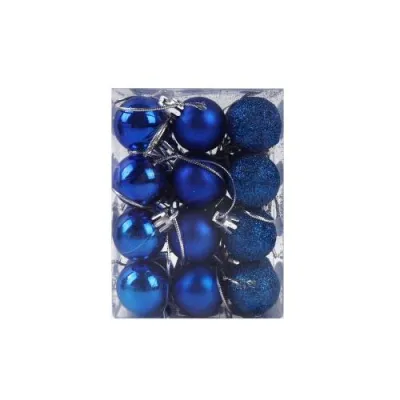
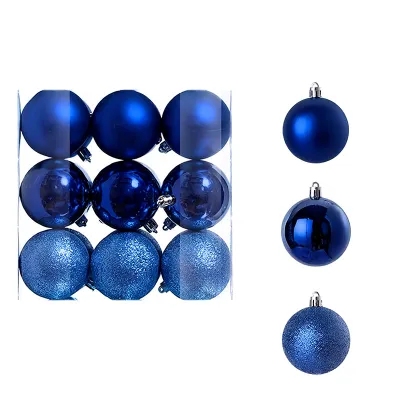
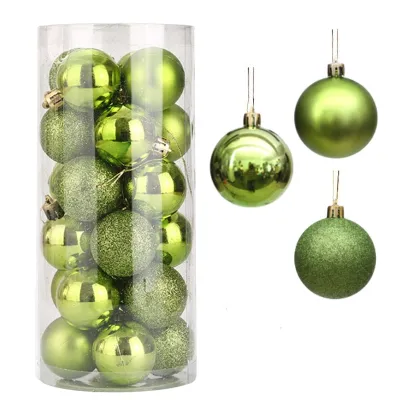
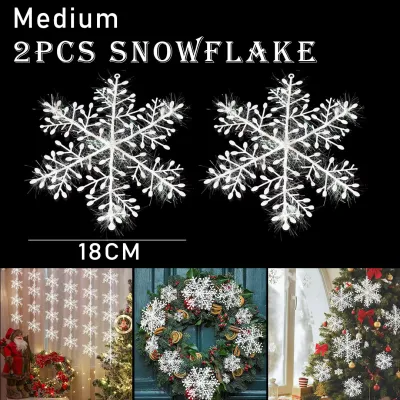
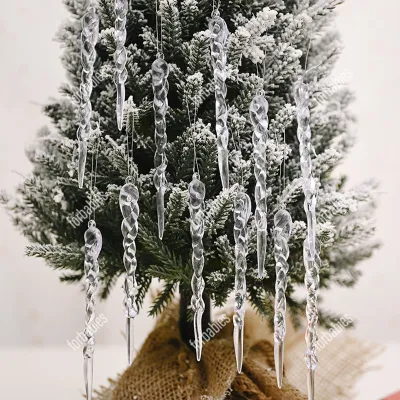
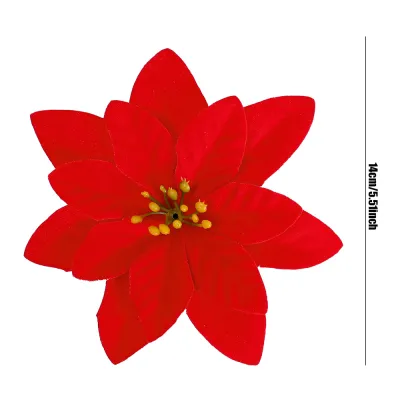
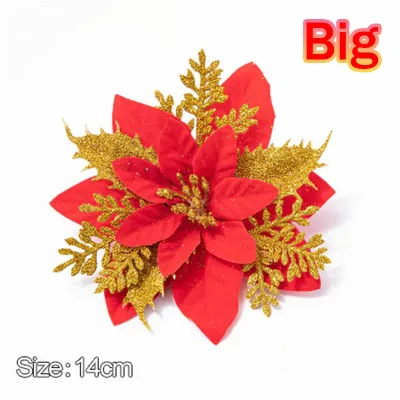
Prices are valid at publication and may change. Please refer to the product page for the latest price.
Next, evaluate the density of your tree’s branches, which generally falls into sparse, medium, or full categories. Sparse trees, such as certain real pines or minimalist artificial designs, feature visible gaps between branch layers that require fewer ornaments but more strategic placement. Full trees, like dense artificial firs, offer a massive surface area of foliage that can easily support a much higher volume of decorations without looking cluttered.
Your tree’s overall shape also dictates how many ornaments you will need to achieve visual balance. A traditional conical tree has a wide base that tapers sharply toward the top, meaning the lower third of the tree will require the vast majority of your ornaments. In contrast, slim or pencil-profile trees maintain a narrow width from top to bottom, requiring significantly fewer decorations than a standard tree of the same height.
In tropical climates, artificial trees stored in sealed boxes from previous years can lose their original shape and fullness due to compression and humidity. Always take the time to thoroughly fluff and shape every branch before assessing your tree’s density, as this process dramatically changes the perceived fullness and the actual hanging space available.
Estimating Ornament Quantity Based on Tree Dimensions
Instead of relying on unverified online calculators, you can estimate your ornament needs by dividing your tree visually into three horizontal zones: bottom, middle, and top. This method allows you to allocate your decorations based on the actual surface area of each section, ensuring an even distribution of color and texture across the entire tree.

Your personal styling preference is the most significant factor in determining the final ornament count. A minimalist approach focuses on a few high-quality statement pieces per branch layer, leaving plenty of green space visible to showcase the tree’s natural texture. A traditional style balances ornaments with open spaces, while a heavily layered, maximalist look covers almost every branch tip for a rich, abundant appearance.
It is also essential to factor in other decorative elements that occupy physical and visual space on the branches. If you plan to use thick ribbons, wide mesh, large floral picks, or a prominent parol-inspired topper, these items will reduce the number of standard baubles required. Adjust your planned ornament count downward to prevent these different design elements from competing for attention.
When planning your layout, always prioritize safety by verifying that any integrated string lights or electrical cords are certified for home use. Ensure that the total weight of your decorations does not strain the branches or compromise the stability of the tree stand, especially if you have pets or small children in the household.
Mixing Ornament Sizes for Visual Balance
Creating a professional-looking display requires a strategic mix of large, medium, and small ornaments to build depth and visual interest. Large ornaments, typically measuring 8 to 10 centimeters in diameter, serve as excellent focal points. Hang these larger pieces deeper inside the branches rather than on the outer tips to create depth and help conceal the central pole of artificial trees.
Medium-sized ornaments, ranging from 6 to 8 centimeters, form the backbone of your holiday display. Distribute these pieces evenly across the middle sections of the branches to establish a consistent primary visual weight throughout the tree. This middle layer connects your deep focal points with the delicate decorations on the outer edges.
Small ornaments, measuring 4 to 5 centimeters or less, are ideal for hanging near the delicate tips of the branches. Use them to fill in small gaps, highlight outer foliage, and add detail to the upper, narrower sections of the tree where larger baubles would look disproportionate.
Always scale the maximum size of your ornaments to the overall height of your tree to maintain proper proportions. A massive 12-centimeter bauble will look overwhelming on a modest 4-foot tabletop tree, while tiny 3-centimeter ornaments will get completely lost on a grand 8-foot living room centerpiece.
Evaluating Your Existing Collection and Filling Gaps
Before visiting a local market or browsing an online marketplace, unpack your current holiday collection to take a detailed inventory. Sort your existing ornaments by size, color, and material condition to see exactly what you have available for the upcoming season.
Laying everything out systematically helps you identify specific gaps in your collection. You might discover that you have an abundance of medium-sized red baubles but lack the larger neutral-toned ornaments needed to create depth, or that you need more small accent pieces for the top branches. This targeted approach prevents you from buying duplicate items you do not need.
Establish a clear budget in Philippine Pesos (₱) for any supplementary purchases before you begin shopping. Setting a spending limit, such as ₱1,500 or ₱3,000, helps you focus on buying only the specific sizes and styles needed to complete your design, preventing impulse buys of redundant decorations.
In humid environments, high humidity can degrade certain ornament materials over time, causing delicate glues to fail or metallic finishes to tarnish. Inspect your stored items for any signs of moisture damage, rust, or mold before deciding what can be safely reused and what needs to be replaced.
Common Sizing and Placement Mistakes to Avoid
One of the most common decorating mistakes is using only one uniform ornament size across the entire tree, which makes the display look flat and two-dimensional. Incorporating at least three distinct sizes is essential for creating a dynamic, professional-looking design that draws the eye inward.
Another frequent error is hanging heavy glass or ceramic ornaments on the thin, outer tips of branches, which causes them to droop downward. This not only looks untidy but also risks the ornaments slipping off and breaking; always secure heavier items closer to the sturdy trunk or thicker inner branches.
Decorating only the outer tips and leaving the inner branches bare results in a hollow, unfinished appearance. Similarly, if your tree is visible from a window or walkway, failing to decorate the back will make the overall setup look incomplete from those angles.
Finally, avoid overcrowding the branches without leaving negative space for the tree’s natural texture to show through. Leaving intentional empty spaces allows the branches to breathe, lets light filter through beautifully, and gives each individual ornament room to shine.
Frequently Asked Questions (FAQ)
Does the type of tree material affect how many ornaments I need?
Yes, the material and construction of your tree play a significant role in how you decorate. Artificial trees often feature dense, uniform PVC or PE needles that can support a consistent number of ornaments across all levels. Real trees, on the other hand, have natural variations in branch strength and spacing, requiring you to place heavier ornaments on the sturdier lower branches. Additionally, if you have a pre-lit artificial tree, the built-in wiring might limit where you can easily hang deeper ornaments, meaning you may need slightly fewer pieces to achieve a full look.
How do I know if my tree topper is the right size for my tree?
To choose a proportionate tree topper, start by measuring the distance between the top tip of your tree and your ceiling. Ensure there is at least 15 to 30 centimeters of clearance so the topper does not press against the ceiling. The physical width and weight of the topper should also match the strength of your tree’s central vertical branch; a heavy topper on a weak branch will lean or droop. Finally, the visual scale of the topper should balance with your largest ornaments, creating a harmonious transition from the wide base of the tree to its peak.
Community discussion
Share your experience or ask a question. Comments are reviewed before publication.