
Displaying holiday decor should not mean sacrificing your home’s walls or ceilings. The secret to a damage-free setup lies in matching the right adhesive or hardware to your specific surface type and the weight of your decorations. By properly preparing the area, following manufacturer curing times, and using the correct removal techniques, you can hang everything from delicate ornaments to string lights without leaving holes, residue, or peeled paint behind.
In tropical climates like the Philippines, high humidity and warm temperatures can significantly affect how adhesives perform. Standard tapes and low-quality hooks often slip or fail when exposed to moisture in the air. Taking the time to understand your surfaces and choosing the correct hanging methods will ensure your festive displays stay secure throughout the holiday season.
Assessing Your Surfaces and Decoration Weight
Before purchasing any hanging hardware, you must evaluate the surfaces where you plan to display your decorations. Different wall and ceiling materials react differently to adhesives and mechanical fasteners. Smooth, painted drywall is generally the most accommodating surface for damage-free adhesive strips, provided the paint is fully cured and in good condition.
Products mentioned in this guide
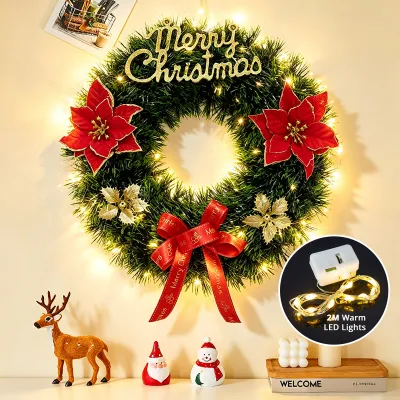
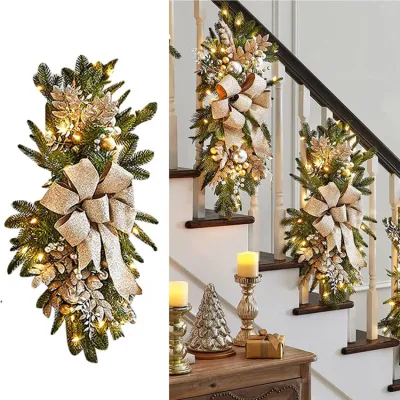
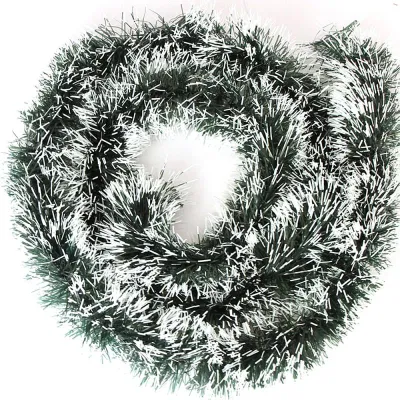
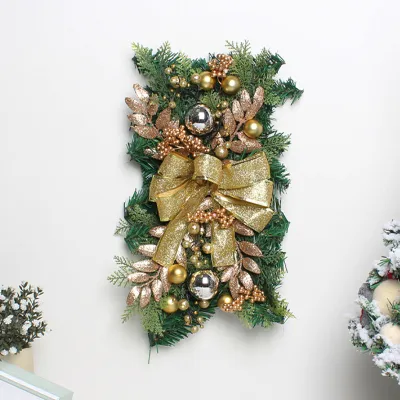
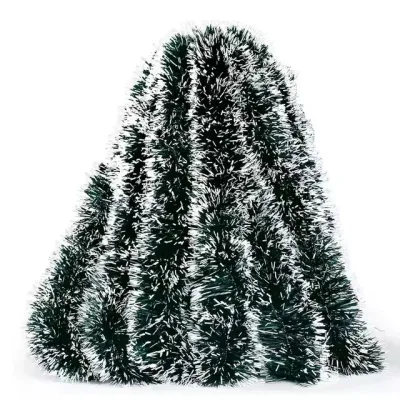
Prices are valid at publication and may change. Please refer to the product page for the latest price.
Textured walls, such as rough plaster, stucco, or brick, present a challenge because they limit the surface area contact for adhesives. If you attempt to use standard adhesive strips on a textured surface, the bond will likely fail under the weight of your decorations. For these areas, alternative mounting methods or specialized textured-surface tapes are necessary.
Wallpaper requires extreme caution. The adhesive backing on most damage-free hooks is often stronger than the bond between the wallpaper and the wall itself. Removing an adhesive hook from wallpaper will almost certainly tear or stretch the paper, causing permanent damage. It is best to avoid adhesives on wallpaper entirely and utilize existing trim or picture rails instead.
Wood paneling and concrete also have unique characteristics. Unfinished wood can absorb oils from adhesives, leaving permanent stains, while porous concrete can prevent adhesives from sticking properly. If you are hanging decorations on these surfaces, look for products specifically rated for wood or masonry, or use non-destructive mechanical options like tension rods.
Alongside surface compatibility, you must determine the weight of your decorations. Use a small kitchen scale to weigh items like wreaths, heavy garlands, or traditional parols. Never guess the weight of an object, as overloading a hook is the primary cause of falling decorations and damaged walls. Always match the item’s weight to the load capacity clearly printed on the hanging product’s packaging.
Choosing the Right Damage-Free Hanging Products
Selecting the correct hanging hardware is the next step in ensuring a damage-free holiday display. Adhesive-backed utility hooks are the industry standard for lightweight to medium-weight decorations. These hooks use stretch-release technology, allowing you to pull a tab to stretch the adhesive strip, which cleanly breaks the bond without pulling paint off the wall.

For flat items like paper stars, tinsel, or lightweight cardboard signs, double-sided removable mounting tape or poster putty is highly effective. Ensure the packaging explicitly states that the product is removable and safe for painted walls. Avoid industrial-strength mounting tapes, as these are designed for permanent installation and will tear drywall and paint upon removal.
When hanging Christmas lights along baseboards, window frames, or ceiling edges, specialized light clips are invaluable. These clips hold the thin wires securely in place without the need for staples, tacks, or nails. They keep your light strands straight and neat while preventing any piercing of the underlying wood or plaster.
In the Philippines, where indoor humidity can be high, look for water-resistant or outdoor-rated adhesive strips. These products are formulated to withstand moisture and temperature fluctuations, making them far more reliable in tropical environments than standard indoor adhesives.
There are several products you should strictly avoid on painted walls and ceilings. Standard packing tape, duct tape, and hot glue should never be applied directly to painted surfaces. Duct tape leaves a thick, gummy residue that is incredibly difficult to remove, while hot glue can melt the paint finish and cause deep gouges when pulled away.
Investing in high-quality damage-free hooks may cost a few extra pesos, but it saves you from expensive paint repairs that can easily cost thousands of pesos (₱) later.
Step-by-Step Guide to Hanging Decorations Safely
To achieve a secure bond that lasts all season, you must follow a precise application process. Start by cleaning the target surface thoroughly. Use isopropyl rubbing alcohol and a clean microfiber cloth to wipe down the area where the adhesive will go. Avoid using household spray cleaners or water, as these can leave a thin, oily residue that prevents the adhesive from bonding properly.
Once the surface is completely dry, prepare the adhesive strip. Remove the red liner and press the strip firmly onto the back of the hook or clip. Next, remove the black liner and press the hook firmly against the wall for at least 30 seconds. Applying firm, even pressure across the entire surface of the strip is crucial to activating the pressure-sensitive adhesive.
The most critical step is allowing the adhesive to cure. Do not hang your decorations immediately. Let the hook sit empty for the manufacturer’s recommended curing time, which is typically one hour. In highly humid rooms or during warm afternoons, extending this curing time to two hours or even overnight will ensure the strongest possible bond.
For larger or heavier items, such as a wide pine garland or a traditional parol, distribute the weight evenly by using multiple hooks. Instead of hanging a heavy wreath from a single hook, use two hooks spaced slightly apart to share the load. This prevents any single point of failure and keeps your decorations hanging straight.
Always observe safety boundaries when hanging decorations. Avoid hanging heavy or glass objects directly over beds, seating areas, or high-traffic walkways where a fall could cause injury. If you are working at heights to hang ceiling decorations, use a sturdy ladder on a flat surface and have someone assist you. For any electrical decorations, verify that the voltage matches your home’s outlets, check for electrical certification marks, and ensure you do not exceed the wattage limits of your extension cords. If you are installing fixed wiring or heavy suspended fixtures, consult a qualified professional.
How to Remove Hangers Without Peeling Paint
When the holiday season ends, removing your hanging hardware correctly is just as important as the installation process. For stretch-release adhesive strips, never pull the strip outward or toward you. Pulling the tab away from the wall will concentrate the force on the paint, causing it to peel or tear.
Instead, hold the plastic hook gently in place with one hand without pressing it hard against the wall. With your other hand, grab the exposed tab and pull it straight down, parallel to the wall. Slowly stretch the strip downward, keeping your hand close to the wall as you pull. The strip will stretch significantly, releasing its grip cleanly and leaving no residue behind.
If you encounter a stubborn adhesive strip that refuses to stretch, or if the tab has broken off, you can use gentle heat to assist. Use a hairdryer on a low-heat setting to warm the adhesive for 20 to 30 seconds. This softens the adhesive backing, making it easier to peel away. Be careful not to overheat the area, as excessive heat can blister or discolor the wall paint.
If any minor adhesive residue remains on the wall, do not scrub it with abrasive sponges or harsh chemicals. Instead, apply a small amount of a mild, paint-safe adhesive remover or rubbing alcohol to a soft cloth and gently wipe the spot. Always test the cleaner on an inconspicuous area first to ensure it does not dull or damage your paint finish.
If you notice the paint beginning to lift or the drywall paper tearing during removal, stop immediately. Forcing the strip off will only create a larger, more expensive repair job. Leave the hook in place and consult a professional painter or handyman to safely remove the remaining hardware and touch up the surface.
Troubleshooting Common Hanging Issues
If your decorations fall, it is usually due to a few common mistakes. Diagnose the failure by checking if the wall was dusty, if the weight of the decoration exceeded the hook’s limit, or if you skipped the curing time. High humidity can also play a role, so if a hook fails in a damp room, try replacing it with a moisture-resistant adhesive strip.
To clean up sticky residue left behind by cheaper tapes, try rolling the residue off with your thumb or using a piece of painter’s tape to lift it. Avoid using harsh solvents like acetone or nail polish remover on painted walls, as these chemicals will dissolve latex paint and leave unsightly bare patches.
If your walls or ceilings simply cannot support adhesives—such as in homes with highly textured plaster or delicate wallpaper—switch to alternative display methods. Use tension rods inside window frames or doorways to hang garlands and light strands without any wall contact. You can also drape decorations over curtain rods, mantelpieces, or heavy furniture to create a festive look without touching your walls.
Frequently Asked Questions (FAQ)
Can I use damage-free hooks on freshly painted walls?
No, you should avoid using adhesive hooks on freshly painted walls. Even if the paint feels dry to the touch, it takes several weeks for paint to fully cure and harden. Applying adhesives too early can trap moisture and solvents, preventing a proper bond and almost guaranteeing that the paint will peel off when you remove the hook. Check your paint manufacturer’s guidelines, but a general rule is to wait at least 28 days before applying any adhesive strips.
How do I hang heavy Christmas lights on the ceiling without nails?
To hang light strands on the ceiling without nails, use specialized ceiling clips designed with damage-free adhesive backing. Ensure you verify the weight of the light strands and match them to the clip’s rated capacity. Because overhead installations are subject to gravity pulling directly downward, it is critical to clean the ceiling thoroughly and allow the adhesive to cure completely before hanging the lights. For heavier displays, consider running a lightweight tension wire between secure, non-damaged anchor points or using lightweight LED fairy lights instead of heavy glass bulb strands.
Will poster putty leave grease marks on matte paint?
Yes, poster putty can leave oily or greasy marks on matte, flat, or porous paint finishes. The oils in the putty can penetrate the paint over time, especially during warm holiday weeks. Always check the product label to ensure compatibility with your specific paint finish. To prevent permanent staining, test a small piece of putty in an inconspicuous area (such as behind a door or near the baseboard) for a few days before applying it to prominent walls.
Community discussion
Share your experience or ask a question. Comments are reviewed before publication.