
Hanging fairy lights in a condo without losing your security deposit is entirely possible by shifting the physical load from the delicate drywall to existing structural anchors and using specialized, non-destructive mounting hardware. By utilizing furniture frames, curtain rods, and temporary adhesive solutions designed for clean removal, you can create a warm, inviting atmosphere in both your bedroom and living room. This approach ensures your space remains cozy while keeping the paint intact despite the high humidity typical of tropical climates.
Planning Your Condo Lighting Layout
In a compact condo, space is at a premium, and every design choice should serve a dual purpose. Before reaching for any adhesive, look closely at the existing architecture of your bedroom. The headboard of your bed is an excellent primary anchor point; wrapping fairy lights around its frame or draping them gently across the top panel creates a soft, intimate glow without touching the wall. If you have a canopy bed or a sturdy curtain rod, wrapping the string lights along these structures allows you to frame your sleeping area beautifully.
In the living room, focus on highlighting functional zones. You can weave lights through open shelving units to illuminate books and decorative items, or run them along the back of your television console to create a soft, eye-strain-reducing backlight. Windows are another natural frame; draping lights along the curtain rod or valance highlights the view of the city skyline. By prioritizing these existing anchor points—such as furniture edges, window frames, and ceiling moldings—you minimize direct wall contact and significantly reduce the risk of paint damage.
Products mentioned in this guide
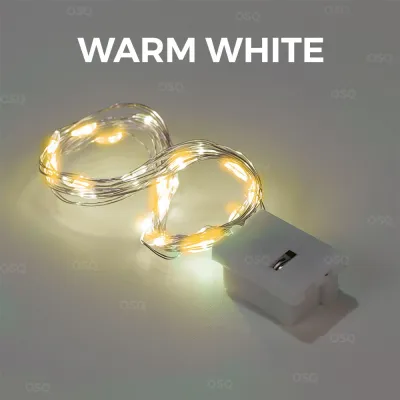
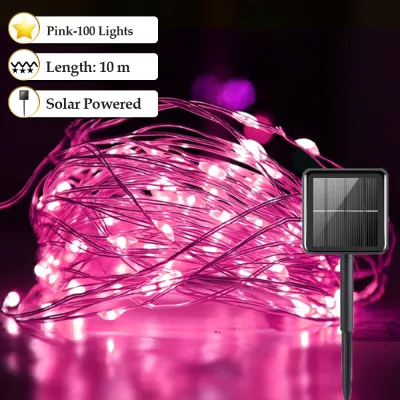
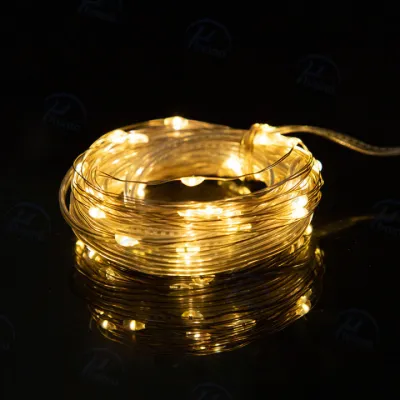
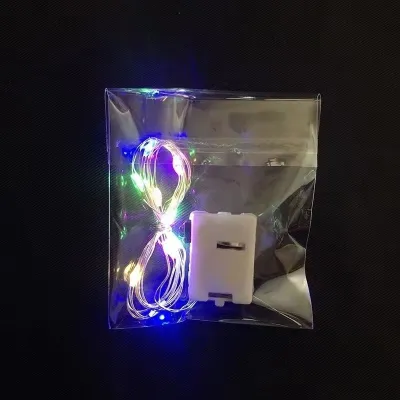
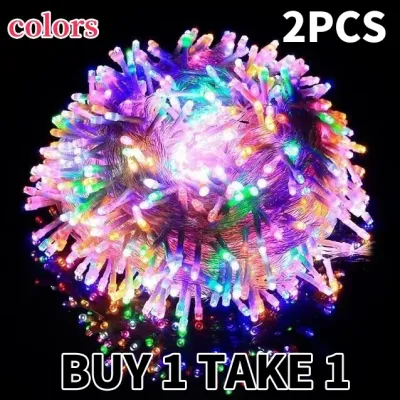
Prices are valid at publication and may change. Please refer to the product page for the latest price.
Choosing Renter-Friendly Mounting Hardware
Selecting the right mounting hardware is the most critical step in protecting your condo’s walls. Transparent adhesive hooks are a popular choice because they blend seamlessly with the wire and are designed to release cleanly when pulled correctly. Reusable mounting putty is another excellent option for lightweight micro-LED strings, as it can be molded to fit tight corners and leaves no sticky residue. For window frames or alcoves, adjustable tension rods offer a completely non-adhesive solution; you simply wrap the lights around the rod and wedge it securely between two parallel surfaces.

Before purchasing, always check the weight limits and surface compatibility specified on the hardware packaging. Smooth, semi-gloss, or satin painted walls are ideal for temporary adhesives, whereas highly textured walls or matte finishes may not provide enough surface area for a secure bond. In the humid tropical climate of the Philippines, moisture in the air can weaken standard adhesives, so look for moisture-resistant options if you plan to hang lights near windows or balcony doors.
Additionally, verify the electrical specifications of your fairy lights before installation. Ensure the voltage matches your condo’s outlets, check for proper electrical safety certifications on the product label, and confirm the wattage limit if you plan to connect multiple strings together. Basic packs of transparent clips or utility hooks are highly affordable, often starting under ₱200 at local hardware stores or online marketplaces, making them a cost-effective insurance policy against wall damage. Avoid high-risk shortcuts like standard duct tape, packing tape, or heavy-duty double-sided mounting tape. These industrial-strength adhesives are formulated for permanent bonds and will almost certainly peel away layers of delicate condo paint and drywall when removed.
Step-by-Step Installation Guide for Damage-Free Hanging
To ensure your lights stay up without pulling down the paint, follow a systematic installation process. Always isolate the power by unplugging the lights before you begin handling them or climbing to reach high areas. Start by preparing the surface. Wipe down the walls or furniture edges with a clean microfiber cloth dampened with rubbing alcohol to remove dust, oils, and fingerprints. Allow the surface to dry completely for at least ten minutes. This step is crucial in humid environments, as any trapped moisture or dust will prevent the adhesive from bonding properly.
Next, plan your hook placement. Space your transparent clips at calculated intervals—typically every 30 to 50 centimeters—to prevent the wire from sagging excessively and putting uneven weight on a single point. When applying the adhesive hooks, press them firmly against the wall for at least 30 seconds, then wait the manufacturer-recommended time (usually one hour) before hanging the lights. This allows the bond to cure fully.
When you are ready to hang the lights, gently drape the wire over the hooks. Avoid pulling, stretching, or putting tension on the LED nodes, as this can damage the internal wiring and cause the adhesive to fail under stress. If you notice the paint showing signs of lifting, or if a hook immediately pulls away a fleck of paint, stop the installation immediately. This indicates that the wall paint is either too fresh, poorly primed, or degraded by humidity, and you should pivot to using furniture anchors or tension rods instead.
Power Management and Cable Routing Without Wall Nails
A beautiful lighting display can easily be ruined by a messy tangle of black or white power cords dangling down the wall. To keep your setup looking professional and clean, route your cables along baseboards or behind large furniture pieces like sofas, bookshelves, or your bed frame. You can use low-profile, paint-safe plastic cord covers or small adhesive cable clips to guide the main power line discreetly down to the nearest electrical outlet.
If your fairy lights are battery-operated or use a USB plug, you will need to conceal the power source. Tuck battery packs behind headboards, inside decorative baskets, or place them in small, lightweight fabric pouches that can be hung discreetly behind a curtain or furniture leg. Always ensure that cords are routed away from high-traffic walking paths in your condo to prevent tripping hazards, which could pull the entire lighting display down and damage both the lights and your walls.
Safe Removal and Wall Restoration Tips
When your lease ends or you decide to change your decor, removing the lights safely requires patience. Never rip or yank the adhesive hooks directly off the wall. Instead, use a hair dryer on a low-to-medium heat setting to gently warm the adhesive backing for about 30 seconds. This softens the glue, allowing you to pull the release tab slowly and parallel to the wall as directed by the manufacturer.
If any sticky residue remains on the wall, do not scrape it with sharp metal tools. Instead, apply a small amount of a mild, paint-safe solvent or a drop of dish soap mixed with warm water to a soft cloth, and gently rub the area in a circular motion. If you encounter stubborn adhesive that refuses to budge without taking the paint with it, stop immediately. It is far better to consult your condo’s property management office to ask for their recommended touch-up paint specifications or professional maintenance advice than to cause a large, noticeable patch of damage.
Frequently Asked Questions (FAQ)
Can I use fairy lights near my condo's smoke detectors?
Keep a safe clearance distance of at least 50 centimeters from any ceiling-mounted smoke detectors or fire sprinklers. Never wrap wires around or drape lights directly over these safety sensors, as physical obstructions can delay smoke detection. Always check the manufacturer’s guidelines to ensure your LED string lights have low heat emission and are certified for indoor use.
How do I prevent battery-operated fairy lights from draining too quickly?
To maximize battery life, choose fairy lights equipped with built-in automatic timers or connect USB-powered lights to a smart plug scheduled to turn off during daylight hours. Always use high-quality, leak-resistant batteries, and regularly inspect the battery box for any signs of corrosion, especially during the humid rainy season.
Are there specific condo rules I should check before installing decorative lights?
Yes, always review your condo corporation’s house rules or tenant handbook before hanging lights. Many buildings have strict guidelines regarding window-facing displays, exterior balcony lighting, or modifications to walls adjacent to common areas. Additionally, ensure your setup complies with the building’s electrical safety guidelines to prevent overloading your unit’s circuits.
Community discussion
Share your experience or ask a question. Comments are reviewed before publication.