
Hanging framed wall art securely requires a systematic approach that balances the physical weight of your piece with the structural capacity of your wall. A falling frame can damage your artwork, ruin your walls, and pose a safety hazard to anyone nearby. By identifying your wall material, calculating the exact load, and using hardware rated for that specific weight, you can ensure your frames remain firmly in place for years to come.
Taking the time to prepare your tools and understand the physics of wall mounting prevents common mistakes like stripped drywall, sagging wires, and tilted frames. Whether you are displaying a lightweight family photo or a massive, glass-fronted gallery piece, the principles of secure installation remain the same. This guide walks you through the essential steps to mount your wall decor with professional-grade stability.
Assess Your Wall Type and Frame Weight
Before buying hooks or drilling holes, you must determine what lies behind your paint or wallpaper. Standard modern homes typically feature drywall, which consists of gypsum board mounted over wood or metal studs. Older structures or external walls often consist of solid concrete, brick, or masonry. You can identify drywall by tapping on it; a hollow sound indicates drywall, while a solid, dull thud suggests concrete or a stud. To find wood studs behind drywall, use a reliable stud finder or tap gently along the wall until the hollow sound turns solid.
Products mentioned in this guide

19 Lazada user ratings
it's not same with the picture,may pingas at damage p...excited to see p nman .a bit disappointed,even the color is different..but any way p…Read full reviewShow less
it's not same with the picture,may pingas at damage p...excited to see p nman .a bit disappointed,even the color is different..but any way pede n pag tyagaan..syang nman...
It looks fine. can be used as decor.
for me..satisfied aq very nice

4 Lazada user ratings
Sobrang liit pala. Kala ko malaki

1 Lazada user ratings
Very nice! It enhances the appearance and ambiance of my living room.

87 Lazada user ratings
Super ganda pang accent ng empty wall ko and legit oil paint texturized talaga siya medyo kinabahan ako nung una kasi kala ko printed lang s…Read full reviewShow less
Super ganda pang accent ng empty wall ko and legit oil paint texturized talaga siya medyo kinabahan ako nung una kasi kala ko printed lang sya. 🥰
Great addition to my home decor, Received in excellent condition,Adds a modern touch to any room, Impressive abstract design,
Very pretty. Will hang this. Worth every peso. Will get more thank you seller. Please add more designs to choose from
Thank you! Maganda po sya actually.
nice frame good quality

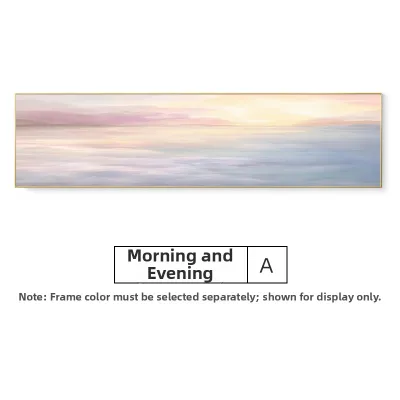
4 Lazada user ratings
Easy to hang, Beautiful sea view, 💰Price: reasonably priced 🎨Design: ⭐️⭐️⭐️⭐️⭐️ 🔍Quality: aluminum ung frame nya . Antagal lang dumating mga 1 month …Read full reviewShow less
Easy to hang, Beautiful sea view, 💰Price: reasonably priced 🎨Design: ⭐️⭐️⭐️⭐️⭐️ 🔍Quality: aluminum ung frame nya . Antagal lang dumating mga 1 month ata hinintay galing China . Dumaan pa ng customs
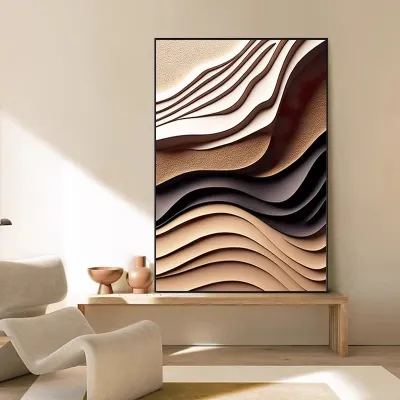
1 Lazada user ratings
The texture is great!

32 Lazada user ratings
Material:High-quality canvas material, Design:Inspirational and meaningful Price:Good price. It's worth every cent.
Excellent craftsmanship, Inspirational and meaningful, Beautiful artwork,
there are winkles on the painting and cloth buy it still looks good.
Impressive classical design, Ang Ganda Po nya
oky nmn sya trapal un item
Prices are valid at publication and may change. Please refer to the product page for the latest price.
Next, determine the exact weight of your framed art. Do not guess the weight, as glass, heavy wood frames, and dense backing boards can make a piece surprisingly heavy. Use a digital bathroom scale or a luggage scale to weigh the fully assembled frame, including the glass, matting, artwork, and backing. Write this number down, as it serves as the foundation for all your hardware decisions.
Matching your wall type with the total weight of the frame is the most critical step in preventing a fall. A hook that holds ten kilograms in solid wood might pull straight out of hollow drywall under a fraction of that weight. Always treat the combination of wall material and frame weight as a single, unified specification. If you are dealing with exceptionally heavy or oversized installations, or if you are mounting art in high-traffic areas, consider consulting a professional installer to ensure structural safety.
Choose the Right Hanging Hardware
Selecting the correct hardware depends entirely on the wall assessment you just completed. For hollow drywall where no stud is available, standard plastic expansion anchors work well for lightweight frames, but heavier pieces require toggle bolts or self-drilling threaded anchors. Toggle bolts feature metal wings that expand behind the drywall, distributing the weight across a larger surface area to prevent pull-out.

If you are mounting into concrete, brick, or masonry, standard drywall hardware will not work. You must use dedicated masonry anchors or concrete screws. These anchors are typically made of durable plastic or metal sleeves that expand tightly against the solid walls of a pre-drilled hole, providing a high-friction grip that resists downward shear forces.
Regardless of the hardware style you choose, always check the manufacturer’s weight rating printed on the packaging. Never rely on general rules of thumb or assume a hook can handle a heavy load just because it looks sturdy. Hardware ratings are calculated under specific testing conditions, and choosing a hook rated for at least double the weight of your frame provides a safe buffer.
The mounting style on the back of the frame also dictates your wall hardware. Standard picture hooks are excellent for light to medium frames with hanging wire. However, for exceptionally large or heavy pieces, D-rings mounted directly to individual wall anchors or a French cleat system are far more secure. A French cleat uses interlocking brackets—one mounted on the wall and one on the frame—to distribute weight evenly across a wide horizontal span.
Prepare the Frame and Hanging Wire
Securing the frame starts with the hardware attached to the frame itself. If your frame uses D-rings, mount them securely to the left and right side rails of the frame rather than the top rail. Attaching hardware to the top rail puts outward leverage on the frame’s joints, which can cause the frame to pull apart over time under the constant downward pull of gravity. Position the D-rings in the upper third of the side rails, ensuring they are level with each other.
When using hanging wire, select braided steel picture wire rather than single-strand wire, as braided wire offers superior flexibility and resistance to sudden snaps. Check the specific weight rating printed on the wire spool to ensure it exceeds the weight of your frame. Thread the wire through the D-rings, wrap it back around itself, and tie a secure knot to prevent slipping.
Leave enough slack in the wire so it can be easily guided onto the wall hook, but keep the peak of the wire at least two to three inches below the top edge of the frame. If the wire is too loose, the top of the frame will tilt forward away from the wall, exposing the hardware and creating an unstable, top-heavy mount.
Step-by-Step Installation Process
Once your frame is prepared and your hardware is selected, you can begin the installation process. Start by deciding exactly where you want the frame to hang. Hold the frame against the wall at the desired height, and use a pencil to mark the top center of the frame. To keep the wall clean and prevent pencil marks on your paint, apply a strip of painter’s tape to the wall first and make your marks directly on the tape.
To translate the top-of-frame mark to the actual hook position, measure the distance from the top of the frame to the taut hanging wire or D-rings. Measure down from your initial wall mark by this exact distance and make a new mark; this is where your hook or anchor will sit. Use a spirit level to ensure your marks are perfectly horizontal, especially if you are using two hooks for a wider frame.
If your hardware requires drilling, select a drill bit that matches the exact diameter specified on your anchor packaging. Using a bit that is too large will create a loose hole, causing the anchor to spin or pull out under load. When drilling into drywall, a standard high-speed steel bit works perfectly, but concrete or masonry requires a hammer drill equipped with a carbide-tipped masonry bit.
After drilling the hole, clear out any accumulated dust using a vacuum or a manual blower. Gently tap the plastic or metal anchor into the hole until it sits flush with the wall surface. Position your hook or bracket over the anchor and insert the screw, tightening it firmly with a screwdriver. Avoid using an impact driver or over-tightening the screw, as this can strip the threads in the anchor or crack the plastic sleeve, severely reducing its holding power. Finally, hang the frame carefully onto the hook.
Verify Security and Final Adjustments
Before completely letting go of your newly hung frame, perform a gentle safety check. Keep your hands lightly on the sides of the frame and apply a small amount of downward pressure. This tests the grip of the wall anchor and ensures the wire or D-rings are fully seated in the hook. If you feel any shifting, sagging, or loosening, remove the frame immediately and inspect the hardware.
To keep the frame perfectly level and protect your walls from scuffs, apply self-adhesive felt pads or silicone bumpers to the bottom two corners of the frame’s backing. These bumpers create a small, uniform gap between the frame and the wall, which prevents dust buildup and stops the frame from shifting out of alignment when doors slam or people walk by.
Wall art installations require periodic maintenance to remain secure over the long term. Once or twice a year, gently lift the frame to inspect the hanging wire for signs of fraying, corrosion, or stretching. Check that the wall anchors remain flush against the wall and show no signs of pulling outward. Taking a few moments to verify these components prevents unexpected failures and keeps your home decor safe.
Frequently Asked Questions (FAQ)
Can I hang heavy art on drywall without a stud?
Yes, you can hang heavy art on drywall without a stud, but you must avoid standard plastic expansion anchors or simple nails, which can easily pull through hollow gypsum board. Instead, use heavy-duty toggle bolts or steel snap-toggles. These fasteners feature a metal channel or wings that fold flat to pass through a pre-drilled hole, then spring open behind the drywall to distribute the load across a wide area. Always verify the weight limit printed on the toggle bolt packaging, ensuring it matches your drywall thickness and exceeds the weight of your frame.
How do I hang art on a concrete wall?
Hanging art on a concrete wall requires specialized tools to penetrate the hard masonry surface. You will need a hammer drill and a carbide-tipped masonry drill bit sized precisely to your concrete anchors. Drill the hole to the depth recommended by the anchor manufacturer, then thoroughly clear the concrete dust from the hole using a straw or vacuum. Insert a plastic masonry plug or a heavy-duty concrete screw directly into the hole. Once the anchor is securely expanded inside the concrete, attach your hanging bracket or hook, ensuring it is rated for the weight of your frame.
Community discussion
Share your experience or ask a question. Comments are reviewed before publication.