
Hanging window curtain lights is one of the most effective ways to transform a standard condo space into a cozy, inviting retreat. To achieve that perfect, even drape, you must secure the main horizontal cable slightly above your window frame using damage-free, renter-friendly mounting tools, then let the vertical strands drop naturally with uniform spacing. Because high-rise condo units in the Philippines often feature distinct window designs—ranging from sliding glass panels to crank-operated casements and sweeping floor-to-ceiling glass—a one-size-fits-all hanging method will not work.
By selecting the right mounting materials and adapting your installation technique to your specific window style, you can enjoy a flawless, glowing backdrop without risking your security deposit or damaging your window frames. Proper planning ensures your lights remain secure even when the tropical breeze blows through or the air conditioning runs on high.
Essential Tools and Materials for Condo Installation
Before purchasing your lighting setup, you must verify the physical dimensions of your window and the technical specifications of the product. Most window curtain lights come in standard widths, such as 2 meters or 3 meters, with varying drop lengths. Measure your window frame carefully to ensure the main horizontal cable matches the width of the glass. You must also check the product label for electrical specifications, including the voltage rating (the standard utility voltage in the Philippines is 220V), wattage limits, and whether the unit uses a standard plug or a USB interface. Always look for recognized safety certification marks on the packaging to verify that the product has undergone rigorous electrical safety testing.
Products mentioned in this guide
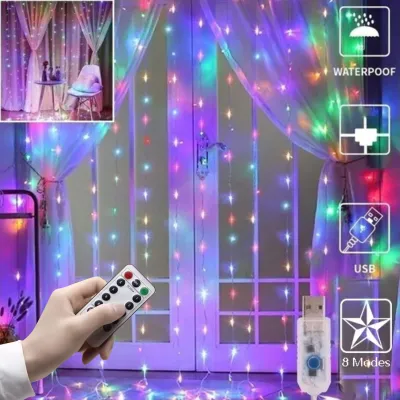
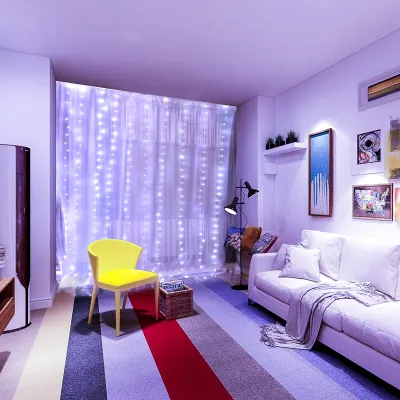
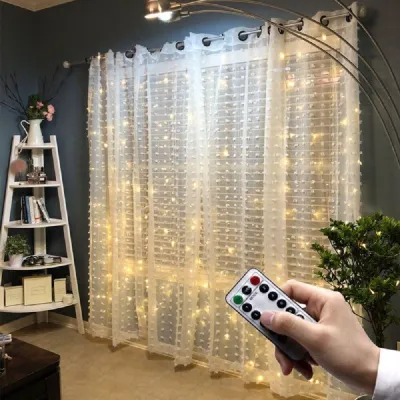
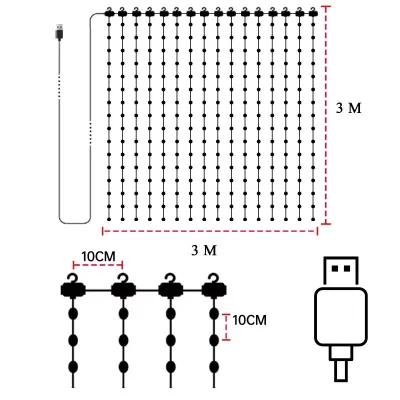
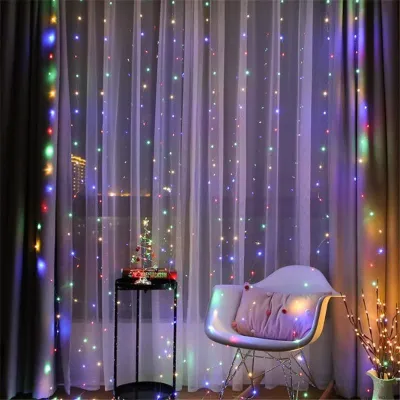
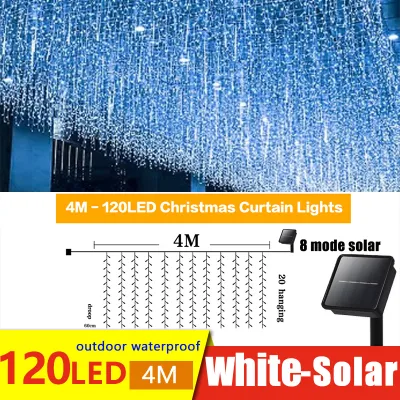
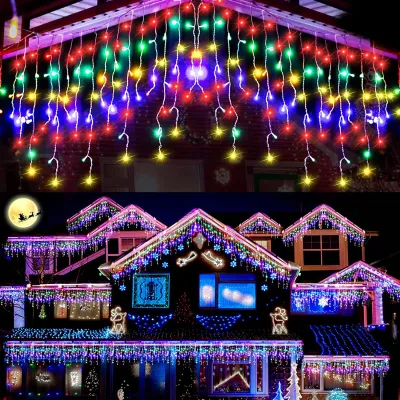
Prices are valid at publication and may change. Please refer to the product page for the latest price.
Because most condo associations enforce strict rules against drilling holes or driving nails into walls and window frames, renter-friendly mounting tools are essential.
- Transparent Adhesive Hooks: These are ideal for mounting the main horizontal wire directly onto painted drywall or wooden window frames. Look for hooks with a clear backing so they blend seamlessly into the background when the lights are turned off.
- Suction Cups with Hooks: If you prefer to mount the lights directly onto the glass panes, small plastic suction cups are highly effective. They leave absolutely no residue and can be repositioned easily.
- Lightweight Tension Rods: For recessed windows, a spring-loaded tension rod placed inside the window frame allows you to hang the lights using simple S-hooks or twist ties, completely avoiding adhesives.
To keep the installation clean and organized, gather wire management tools such as clear cable clips or transparent tape. These will help you route the main power cord down to the nearest electrical outlet. Finally, perform a pre-installation safety check. Lay the lights flat on the floor, plug them in, and inspect the entire length of the wire for any fraying, exposed copper, or damaged bulbs. Verify that the lights are strictly rated for indoor use before proceeding with the installation.
Step-by-Step Guide to Hanging Window Curtain Lights with an Even Drape
Achieving a perfectly balanced, waterfall-like effect requires a systematic approach. If you hang the vertical strands haphazardly, the display will look cluttered and uneven. Follow these steps to ensure a clean, professional finish.

Step 1: Clean the Mounting Surface
Adhesive hooks require a clean, grease-free surface to bond properly. Wipe down the wall, window frame, or glass with rubbing alcohol and let it dry completely. Skip this step, and the tropical humidity may cause your adhesive hooks to fail and fall within a few days.
Step 2: Measure and Space Your Hooks
Measure the total width of the window and note the number of vertical strands on your curtain lights. To prevent the main wire from sagging excessively in the middle, plan to place an adhesive hook every 40 to 50 centimeters. Mark these points lightly with a pencil or a small piece of painter’s tape to guarantee even spacing.
Step 3: Secure the Main Wire
Mount your adhesive hooks or suction cups along the marked points. If you are using adhesive hooks, press them firmly against the surface for at least 30 seconds, then wait the manufacturer-recommended curing time (often up to an hour) before hanging any weight on them. Once cured, drape the horizontal main wire across the hooks. Keep the wire level and relatively taut, but leave a tiny amount of slack. Constant, high-tension pulling can slowly peel the adhesive off the wall over time.
Step 4: Drop and Untangle the Strands
With the main horizontal wire securely in place, begin releasing the bundled vertical strands one by one. Let each strand fall naturally toward the floor. Work slowly from one side of the window to the other, gently untangling the wires. Avoid pulling, jerking, or stretching the delicate copper wires, as excessive force can sever internal connections and cause individual strands or the entire unit to fail.
Step 5: Conduct Final Adjustments
Step back to the far side of the room to inspect the overall alignment. Look for any uneven gaps, crooked lines, or sagging sections. If necessary, adjust the placement of individual hooks or gently nudge the main wire to distribute the vertical strands evenly across the width of the window.
Adapting the Setup for Different Condo Window Styles
Condo units feature diverse window designs that dictate how you should mount your lights. To maintain full functionality of your windows while displaying your lights safely, adapt your installation method to the specific window style.
Sliding Windows: Avoiding the Track
Sliding windows are highly common in Philippine condos, but their tracks present a major hazard for hanging lights. If a vertical strand falls into the track, it can easily get crushed, torn, or jammed when you open or close the window. To prevent this, mount your adhesive hooks on the wall slightly above the window frame or on the outermost edge of the frame, completely clear of the sliding mechanism. If the vertical strands are long enough to touch the sill, use small twist ties to gather the bottom few inches of each strand, keeping them suspended safely above the track.
Casement Windows: Clearing the Swing Path
Casement windows swing outward or inward using a crank or push mechanism. If you mount your lights directly onto a casement window frame, the strands will swing with the window, exposing them to outdoor wind, rain, and potential physical damage. To avoid this, mount the main horizontal wire on the wall above the window recess rather than on the moving frame itself. If your window opens inward, install a tension rod inside the window recess. This keeps the curtain lights stationary and flush against the interior wall, allowing the glass pane to swing past them without catching on the wires.
Floor-to-Ceiling Windows: Managing Long Drops
Floor-to-ceiling windows offer dramatic views but require extra care due to the sheer scale of the glass surface. Because long strands accumulate more weight, cheap or low-capacity suction cups will easily fail. Opt for heavy-duty, weight-rated adhesive hooks or a sturdy, thick-gauge tension rod.
If the vertical strands do not reach the floor, let them end uniformly at a visually pleasing height, such as just above the baseboard or tucked neatly behind a sofa or console table. Additionally, drafts from split-type air conditioning units can cause lightweight LED strands to sway excessively. To prevent distracting movement, attach small, transparent weighted clips or tiny, non-damaging adhesive dots to the bottom of each strand to anchor them gently to the glass.
Power Routing and Electrical Safety
Managing your power cables properly is crucial for maintaining a clean aesthetic and preventing electrical hazards in your condo.
Safe Cord Routing
Never allow the main power cord to dangle loosely in mid-air or drape across high-traffic walkways, where it can become a tripping hazard. Run the power cord neatly along the vertical edge of the window frame and down the wall using clear cable clips. Avoid running power cords under heavy rugs, carpets, or furniture, as this traps heat and can lead to insulation degradation and fire risks over time.
Load Management and Outlets
Plug your curtain lights directly into a grounded wall outlet or a high-quality surge protector. Check the manufacturer’s label to verify the maximum number of connectable strands if you plan to link multiple sets together. Overloading a single circuit or daisy-chaining too many light strands can cause overheating. If you need to modify or expand your electrical outlets to accommodate your lighting setup, always consult a qualified professional rather than attempting DIY electrical work.
Environmental Boundaries
Always verify the installation environment before hanging your lights. High humidity, heavy monsoon rains, and salty air (especially in coastal or high-condensation areas) can rapidly degrade indoor-rated electrical components. Explicitly avoid hanging indoor-rated window curtain lights on exposed condo balconies, terraces, or outdoor areas. Doing so can cause short circuits, electrical shocks, or permanent damage to the lights. If you want to decorate an outdoor balcony, you must verify that the product label explicitly states it is rated for outdoor use and features an appropriate weather-resistant IP (Ingress Protection) rating.
Styling Tips for Bedroom and Living Room Ambiance
Once your window curtain lights are hung securely, you can fine-tune their visual presentation to coordinate beautifully with your condo’s existing decor.
Layering with Textiles
To transform raw, bright LED points of light into a soft, romantic glow, layer your lights with sheer curtains. Hanging lightweight, semi-transparent sheer curtains directly in front of the lights diffuses the glare, creating a dreamy, ethereal ambiance perfect for a bedroom. Alternatively, hanging the lights in front of solid, dark-colored drapes makes the individual light points stand out sharply, creating a dramatic, starry-night effect in a living room.
Color Temperature Coordination
Treat color temperature as a conditional preference that should match the function of the room. Warm white lights (typically 2700K to 3000K) emit a soft, golden glow that coordinates beautifully with cozy bedrooms, warm wood tones, and relaxed reading corners. Cool white lights (5000K or higher) provide a crisp, modern look that complements minimalist, contemporary living spaces with metallic or concrete accents. For the best visual harmony, ensure your curtain lights match the color temperature of your existing floor lamps and accent lighting.
Automation and Control
To make your ambient lighting setup truly effortless, plug your curtain lights into a simple outlet timer or a smart plug. You can program the lights to turn on automatically as the sun sets and turn off at bedtime. This eliminates the need to manually plug and unplug the cords or reach behind heavy furniture and drapes every evening, allowing you to enjoy a beautifully lit condo with minimal effort.
Community discussion
Share your experience or ask a question. Comments are reviewed before publication.