
Transforming a compact condo balcony into a serene, glowing retreat is highly achievable with the right lighting strategy. Installing LED fiber optic lights allows you to create a starry, ambient atmosphere that elevates your outdoor space without the harsh glare of traditional bulbs. Because fiber optic strands carry only light rather than electrical currents, they offer a uniquely safe, weather-resistant, and highly flexible option for outdoor styling. By carefully mounting a sheltered light engine and draping the durable strands along your railings or ceiling, you can craft a cozy private sanctuary perfect for unwinding after a long day.
Planning Your Balcony Lighting Layout
Before purchasing any equipment, measure your balcony railing, ceiling perimeter, and walls with a tape measure. Because fiber optic strands cannot be easily spliced or extended like traditional wire-based string lights, knowing the precise length you need ensures you purchase a kit with adequate coverage.
Next, consult your condominium association’s house rules. Many high-rise properties in the Philippines restrict drilling into structural concrete or hanging items that alter the building’s uniform facade. Check for policies regarding light pollution or brightness levels to prevent costly lease violations or requests from building administration to dismantle your setup.
Products mentioned in this guide
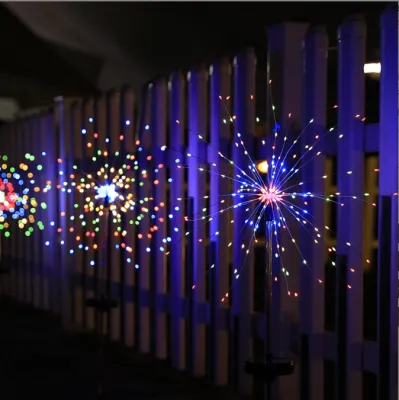
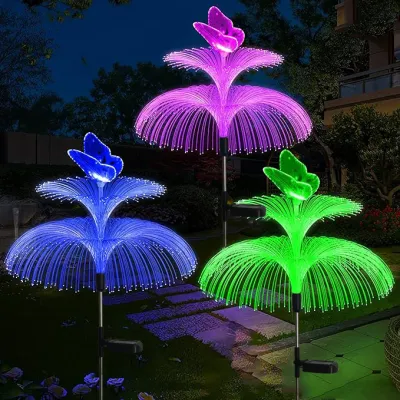
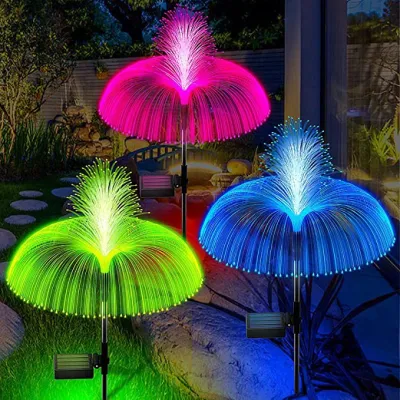
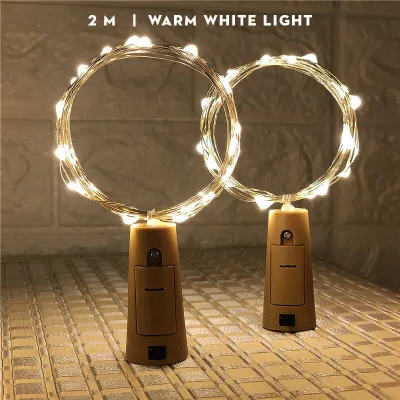
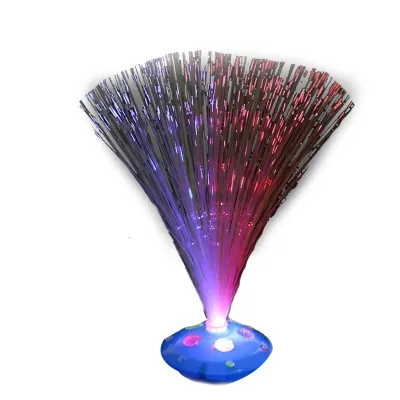
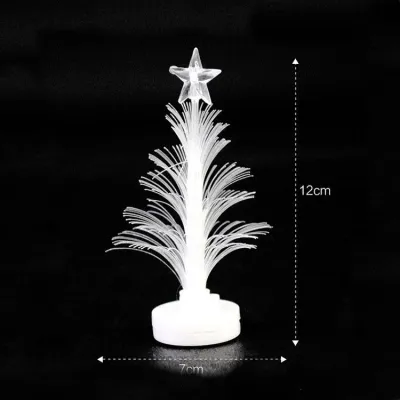
Prices are valid at publication and may change. Please refer to the product page for the latest price.
Finally, locate your nearest power source. Ideally, your balcony features an outdoor-rated, weatherproof electrical outlet. If you must route a power cable from an indoor outlet, avoid running it through sliding doors or windows where it can become pinched or stripped. Instead, look for existing utility pass-throughs or use flat, low-profile power cables designed to fit safely through tight window seals.
Selecting an Outdoor-Rated LED Fiber Optic Kit
Choosing the right equipment is critical to ensuring your balcony lighting remains safe and functional throughout changing weather conditions. When browsing online marketplaces, verify the product label for outdoor suitability. Look for specific ingress protection (IP) ratings on both the light engine and the fiber strands. While the fiber optic strands themselves are highly resistant to moisture and heat, the light engine contains sensitive electronic components that require robust protection.

A fiber optic lighting system consists of two primary parts: the light engine (or illuminator) and the optical fiber strands. The light engine houses the LED bulb, color wheel, and power supply, meaning it must be plugged into an electrical outlet and kept completely dry. The fiber strands, made of PMMA plastic or glass, simply transmit the light emitted by the engine from one end to the other. Because no electricity flows through the strands, they are completely safe to touch, waterproof, and highly durable in humid environments.
Before finalizing your purchase, verify the electrical specifications of the kit. In the Philippines, the standard household voltage is 220V at 60Hz. Ensure the light engine’s power adapter is compatible with this voltage to prevent short circuits. Look for recognized safety certifications, such as the Philippine Standard (PS) mark or the Import Commodity Clearance (ICC) sticker, and check that the plug type matches your outlet configuration.
Gathering Tools and Damage-Free Mounting Supplies
To install your lighting system without risking your security deposit, gather damage-free mounting accessories. Avoid using nails, screws, or heavy-duty staples, as drilling into concrete walls or metal railings can cause permanent structural damage, invite rust, and violate building policies. Instead, focus on temporary, damage-free fastening methods that can be easily removed when you move out.
Prepare a basic toolkit containing a measuring tape, utility scissors for trimming cable ties, and a stable step stool. For securing the fiber strands, select high-quality, outdoor-rated adhesive hooks or plastic mounting clips. These adhesives must be specifically formulated to withstand high humidity, intense tropical sun, and sudden temperature shifts without losing their grip.
For metal or glass balcony railings, heavy-duty plastic cable ties (zip ties) are an exceptional, non-destructive option. Choose UV-resistant cable ties, as standard indoor ties will quickly degrade and snap under constant exposure to sunlight. If you want to mount lights across the ceiling without drilling, consider using a weather-resistant tension rod wedged securely between two walls to drape your fiber optic strands.
Step-by-Step Installation Process
Begin the installation by positioning the light engine in its designated location. This unit must be placed in a dry, well-sheltered spot on your balcony, such as inside a weatherproof utility box, under a covered bench, or mounted high up on a wall directly beneath the ceiling overhang. Because the light engine generates heat during operation, it requires adequate ventilation. Avoid wrapping the unit tightly in plastic or placing it in a completely sealed, unventilated container, as heat buildup can drastically shorten the lifespan of the LED bulb and internal circuitry.
Once the engine is safely positioned, begin routing the fiber optic strands along your planned layout. Handle the strands with care; while PMMA plastic fibers are flexible, they can be permanently damaged by sharp bends, kinks, or tight folds. Bending a fiber strand past its minimum bend radius fractures the internal core, causing light to escape prematurely at the bend point. Always maintain gentle, sweeping curves when navigating corners or wrapping the strands around structural posts.
Secure the fiber strands to your balcony structures at regular, supportive intervals. If you are using cable ties along a metal railing, pull them snug enough to hold the strands in place, but do not overtighten them. Compressing the fiber strands too tightly can pinch the material, restricting the light flow and creating unwanted bright spots. Space your mounting clips or ties roughly 30 to 45 centimeters apart to prevent the strands from sagging excessively or whipping during strong winds.
Before finalizing all your mounts, connect the fiber optic bundle to the light engine and plug the unit into your power source. Turn on the system to inspect the light distribution along the entire length of the installation. This test run allows you to identify any pinched sections, loose mounts, or uneven draping while the components are still easily accessible. Once you are satisfied with the visual effect, use remaining cable ties to neatly bundle any excess fiber or power cords, keeping them tucked safely out of walkways to prevent tripping hazards.
Styling Techniques for a Cozy Ambient Glow
The way you arrange your fiber optic strands determines the overall mood of your balcony. For a soft, romantic atmosphere, avoid pulling the strands taut against the railings. Instead, drape them loosely in gentle, cascading swags along the top or bottom bars of the railing. This relaxed arrangement mimics the natural flow of vines and softens the rigid, industrial lines of modern condo architecture, creating a more inviting and organic feel.
To enhance the cozy, natural aesthetic, try intertwining the glowing fiber strands with your balcony plants, wooden trellises, or outdoor furniture. Weaving the thin, lightweight fibers through the leaves of potted palms, snake plants, or hanging ferns creates a beautiful layered effect, casting soft shadows and highlighting the natural textures of your greenery. Because the strands do not emit heat, you can safely wrap them directly around delicate plant stems and leaves without any risk of scorching or damaging your plants.
Finally, take advantage of your light engine’s settings to fine-tune the ambiance. If your system includes a remote control or smart app integration, experiment with different color temperatures and brightness levels. For a relaxing evening wind-down, opt for warm white, soft amber, or gentle golden tones, which promote a sense of calm and mimic the cozy glow of candlelight. Avoid overly bright, flashing, or rapid color-changing modes, which can feel harsh, strain your eyes, and potentially disturb neighbors in adjacent condo units.
Routine Maintenance and Safety Checks
To keep your outdoor lighting setup operating safely and looking its best, establish a simple routine for maintenance and safety inspections. Periodically examine the light engine, power adapter, and electrical outlets for any signs of moisture ingress, dust accumulation, or insect nesting. In tropical climates, high humidity and salt air can accelerate corrosion on electrical contacts, so checking these connections every few months helps prevent short circuits and extends the system’s operational life.
Keep the fiber optic strands clean to maintain their brilliant glow. Over time, outdoor dust, pollen, and rain spots can accumulate on the surface of the plastic strands, clouding the material and reducing the brightness of the light. Wipe the strands down gently using a soft, dry microfiber cloth or a slightly damp cloth with mild soapy water. Never use abrasive scrubbing pads or harsh chemical solvents, such as acetone or alcohol-based cleaners, as these substances can permanently degrade, scratch, or cloud the optical plastic.
Lastly, prioritize safety during extreme weather events. While high-quality fiber optic strands are designed to withstand rain, tropical storms and typhoons bring severe winds and torrential downpours that can easily dislodge your mounts or flood sheltered areas. Always unplug the light engine from the power source and store it indoors when severe weather warnings are active. Taking this quick precautionary step protects your investment and ensures your balcony remains a safe, hazard-free environment.
Frequently Asked Questions (FAQ)
Can I leave LED fiber optic lights outside during heavy rain?
Yes, but only the fiber optic strands themselves are fully waterproof and safe to leave exposed to heavy rain. The light engine, which houses the electrical components and plugs into the wall, is highly sensitive to moisture and must be kept completely dry. Always ensure the light engine is housed in a weatherproof enclosure or kept indoors, and verify that your outdoor outlet has an active, functional wet-location cover.
Do fiber optic strands get hot on the balcony?
No, the fiber optic strands themselves do not generate any heat because they only transmit light, not electricity. This makes them incredibly safe to touch and wrap around plants, fabrics, or wooden railings. However, the light engine that generates the light does produce heat during operation, so it must be placed in a well-ventilated area away from dry leaves, synthetic fabrics, or other flammable materials.
How do I hide the light engine on a small balcony?
You can easily conceal the light engine by placing it inside a decorative, ventilated weatherproof deck box or a faux-stone storage container. Alternatively, tuck the unit behind a large potted plant or mount it securely underneath an outdoor bench or table. Just ensure that whatever method you choose does not block the unit’s ventilation vents, as constant airflow is necessary to prevent the engine from overheating.

Community discussion
Share your experience or ask a question. Comments are reviewed before publication.