
Transforming a compact condo balcony into a warm, inviting outdoor retreat relies heavily on the right lighting. Installing Bosca solar string lights offers an energy-efficient, wire-free way to achieve this cozy ambiance without increasing your monthly utility bill. The key to a successful installation lies in balancing the aesthetic arrangement of the bulbs with the strategic placement of the solar panel, ensuring it receives enough daily sunlight to power the display through the evening. By using non-destructive mounting techniques, you can easily secure your setup while fully complying with strict condominium association guidelines.
Assess Sunlight and Balcony Layout
Before purchasing or hanging your lights, take a few days to observe how sunlight moves across your balcony. High-rise developments in urban areas often experience significant shading from neighboring towers, which can drastically reduce the hours of direct sun your balcony receives. Note the specific hours when direct sunlight hits different zones, such as the top of the railing, the outer walls, or the inner ceiling. This observation helps you pinpoint the absolute best spot to mount the solar panel for maximum daily charging.
Next, identify any physical obstacles that could interfere with your installation or damage the lighting components. Air conditioning compressor units are common on condo balconies; they emit high heat and strong drafts that can degrade plastic wiring over time, so keep your string lights and solar panel clear of their direct exhaust. Privacy screens, structural pillars, and overhead ledges can also cast unexpected shadows or limit where you can safely drape the cords. Mapping these elements beforehand prevents frustrating adjustments later.
Products mentioned in this guide
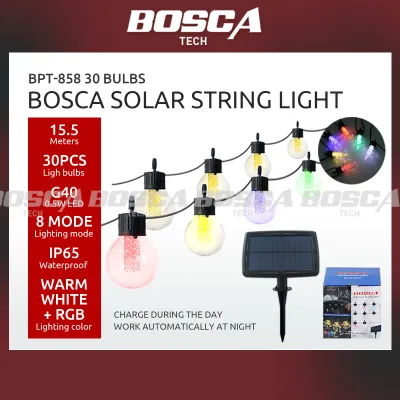
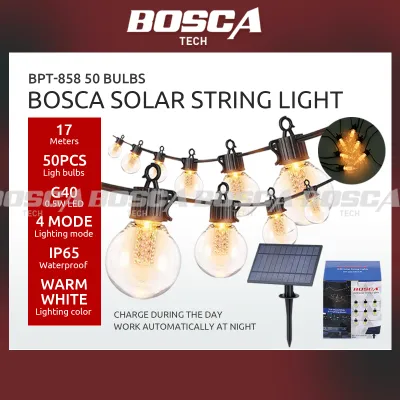
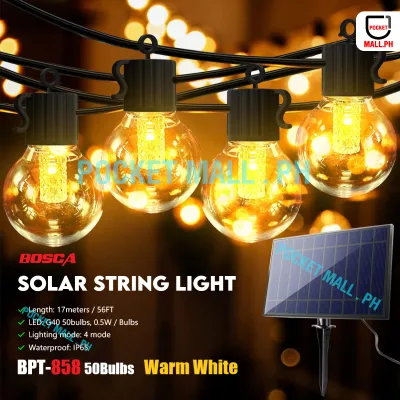
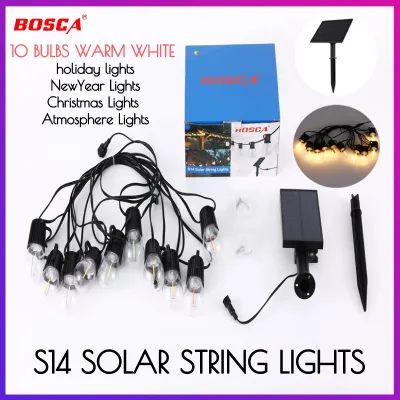
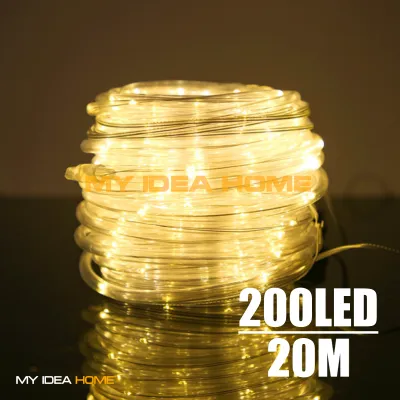
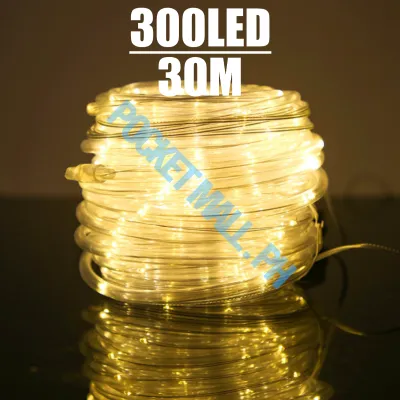
Prices are valid at publication and may change. Please refer to the product page for the latest price.
Finally, consult your condominium’s property management office (PMO) guidelines regarding exterior modifications. Most condo corporations enforce strict rules against drilling into exterior walls, painting building facades, or hanging heavy items that could fall from the railing. Understanding these boundaries early ensures you select the correct non-destructive mounting hardware and avoid costly fines or safety violations.
Select Condo-Safe Mounting Hardware
To keep your balcony damage-free and compliant with building regulations, you must avoid permanent fixtures like nails, screws, or heavy-duty anchors. Drilling into concrete balcony walls or metal railings can compromise the building’s waterproofing membranes, leading to leaks and structural issues that are expensive to repair. Instead, focus on temporary, high-strength mounting solutions that can be easily removed when you move out or decide to reconfigure your decor.

UV-resistant zip ties are among the most reliable and cost-effective options for securing string lights to metal or wooden railings. Because tropical climates bring intense sunlight and high humidity, standard plastic zip ties can quickly become brittle and snap; choosing UV-stabilized ties ensures they remain flexible and secure year-round. For glass-paneled railings or smooth concrete walls, heavy-duty outdoor adhesive hooks designed to withstand moisture and temperature fluctuations work exceptionally well.
Always match your chosen hardware to the specific material of your balcony surfaces. If your balcony features powder-coated aluminum grilles, specialized plastic railing clips can snap directly onto the frame without scratching the protective finish. For rough masonry or textured concrete walls where adhesives might fail, tension rods placed between pillars or heavy, weighted planters with integrated wooden trellises can provide excellent, drill-free anchor points for your string lights.
Position the Solar Panel for Optimal Charging
The performance of your solar string lights depends entirely on how much sunlight the solar panel collects during the day. To maximize exposure, mount the solar panel on the highest point of your balcony railing or on an outward-facing wall where obstruction is minimal. Many solar light kits include adjustable mounting brackets or ground stakes that can be adapted to clamp onto railings using heavy-duty zip ties or specialized mounting brackets.
Angle the solar panel directly toward the sun’s path to capture the most intense rays. In equatorial and tropical regions like the Philippines, the sun remains relatively high in the sky but shifts slightly north or south depending on the season. Adjusting the tilt of your panel to face the open sky, rather than pointing it straight up or flat against a wall, helps capture both direct sunlight and ambient sky brightness, even during slightly overcast afternoons.
Be mindful of dynamic shadows that change throughout the day. A spot that seems sunny at noon might be completely shaded by a hanging plant, an overhead balcony ledge, or a neighboring building by two in the afternoon. Position the panel away from these shifting shadows to ensure uninterrupted charging, allowing the internal battery to store enough energy to keep your balcony glowing brightly all night.
Arrange the Lights for a Cozy Atmosphere
Creating a warm, inviting atmosphere is all about how you distribute the light across your balcony space. A classic swag pattern, where the string lights drape in gentle, relaxed curves along the top or bottom of the railing, immediately softens the hard lines of concrete and metal. To achieve this look, measure the distance between your anchor points and allow enough slack in the cord so the bulbs hang gracefully without pulling tight or dangling too low.
For balconies with structural pillars or privacy screens, you can create a more layered, three-dimensional lighting effect. Try wrapping the string lights vertically around concrete columns or weaving them gently through wooden or synthetic rattan privacy panels. This technique adds depth to the space, making a small balcony feel larger by drawing the eye upward and highlighting the architectural features of your outdoor area.
To maintain a polished and professional look, ensure consistent spacing between each bulb along the string. Clustered bulbs can create harsh hotspots of light that disrupt the relaxing ambiance, while uneven gaps can make the installation look messy. If you have excess length at the end of your light string, loop it neatly back along a previously covered section or tuck the unlit lead wire discreetly behind a planter rather than bunching the active bulbs together.
Secure the Setup and Perform Safety Checks
Once your lights and solar panel are in place, securing the physical installation is crucial for long-term safety and durability. High-rise balconies are highly exposed to strong winds, especially during the monsoon season. Loose, flapping wires can easily tangle with balcony furniture, knock over potted plants, or create dangerous tripping hazards for anyone stepping outside, so use zip ties to anchor any slack cord firmly to the structure.
Next, inspect the placement of all electrical connections and the solar panel housing to prevent water damage. While outdoor solar lights are designed to resist moisture, pooling water can seep into seals over time and cause electrical shorts. Ensure that any connection points between light strings are elevated off the balcony floor and positioned where rainwater cannot collect, keeping them safe from the heavy, driving rains common in tropical climates.
When installing lights near the edge of a high-rise balcony, prioritize safety by keeping your body securely inside the railing and avoiding overreaching. Never stand on chairs or unstable ladders near the balcony edge; if any part of the installation requires working at dangerous heights or handling complex structural mounts, consult a qualified professional. Before regular use, verify the product’s electrical certification, voltage limits, and installation environment as detailed in the manufacturer’s manual.
Finally, test the system’s automatic dusk-to-dawn sensor to confirm everything is operating correctly. Cover the solar panel completely with a dark cloth or its original packaging to simulate nighttime conditions; the bulbs should illuminate immediately. If they do not light up, verify that the power switch on the back of the panel is turned on, check that the connections are secure, and ensure the panel has had sufficient time to charge in direct sunlight.
Frequently Asked Questions (FAQ)
Can I leave the solar string lights outside during heavy rain or typhoons?
You should always check the specific IP (Ingress Protection) rating printed on your product’s packaging to verify its water resistance level. While most outdoor-rated solar string lights can easily withstand regular rain showers and high humidity, severe weather events like typhoons present a different hazard. The extreme winds associated with tropical storms can tear the lights from their mounts, shatter the bulbs, or damage the solar panel’s mounting bracket. To prevent physical damage and extend the lifespan of your lights, it is highly recommended to take down the string and store the solar panel indoors when a storm warning is active.
How do I clean the solar panel if it gets dusty on the balcony?
Over time, outdoor solar panels accumulate a layer of dust, urban soot, and pollen that can block sunlight and significantly reduce charging efficiency. To clean the panel, gently wipe the surface with a soft, microfiber cloth dampened with clean water. Avoid using harsh chemical cleaners, abrasive scrubbing pads, or glass sprays, as these can scratch or degrade the protective outer coating of the solar cells. Regular cleaning every few weeks ensures your solar panel continues to absorb maximum sunlight, keeping your balcony beautifully illuminated every evening.

Community discussion
Share your experience or ask a question. Comments are reviewed before publication.