
Matching a glass lampshade to your living room involves balancing physical compatibility—such as fitter types, base sizes, and wattage limits—with visual harmony. In Filipino living rooms, where lighting must transition seamlessly from bright, breezy daytime settings to cozy, warm tropical evenings, choosing the right glass lampshade elevates both functionality and style. By understanding how different shapes, textures, and finishes interact with your existing fixtures and decor, you can create a safe, beautifully illuminated space.
Check Your Existing Fixture Base for Fit and Safety First
Before purchasing a new glass lampshade, you must verify the physical and electrical specifications of your existing fixture. This foundational step ensures a secure fit and prevents safety hazards. Always begin by isolating the power: turn off the light at the wall switch or main circuit breaker, and allow the bulb to cool completely before touching or removing the old shade.
Next, identify the fitter type of your fixture, which dictates how the glass shade attaches. Common styles include collar fitters, which secure the glass neck using small thumb screws on the fixture cup, and uno fitters, which thread directly onto the socket. Many modern fixtures also use a socket ring to sandwich the glass shade against the fixture body. Measure the fitter diameter precisely with a ruler or caliper. Standard sizes often range from 2-1/4 inches to 4 inches, and even a minor measurement error will prevent the new shade from securing properly.
Products mentioned in this guide
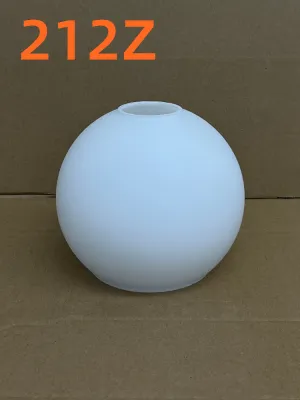
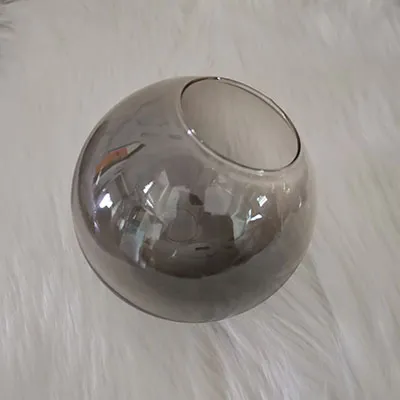
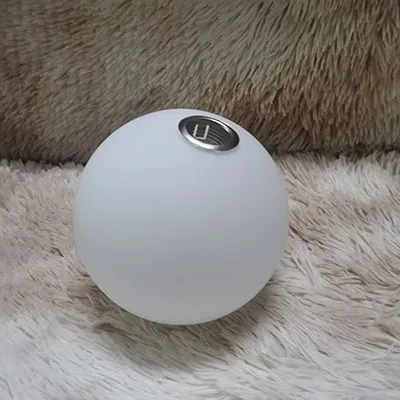
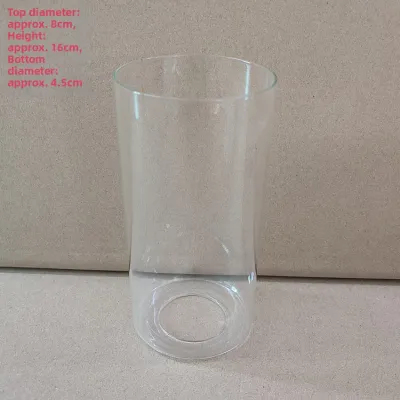
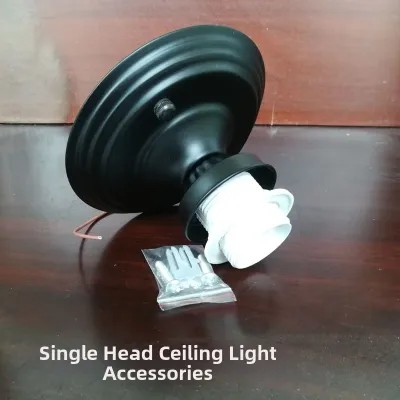
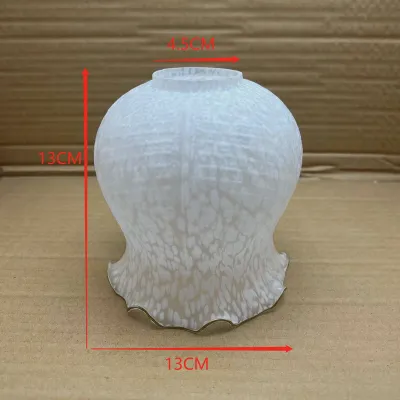
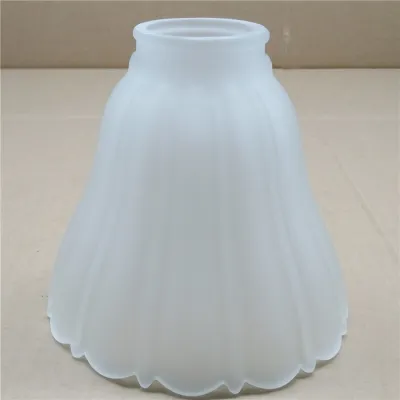
Prices are valid at publication and may change. Please refer to the product page for the latest price.
Electrical safety and heat management are equally critical. Check the maximum wattage rating printed directly on your fixture’s socket. Glass shades, particularly enclosed globes, trap heat. If you use high-wattage incandescent or halogen bulbs, this trapped heat can degrade the socket wiring or crack the glass neck. Ensure your bulb’s wattage does not exceed the fixture’s rated limit, or consider switching to energy-efficient LED bulbs, which emit far less heat.
Finally, measure the overall clearance and harp height of your lamp. The new glass shade must sit at a visual level that completely covers the bulb hardware without touching the bulb itself. Direct contact between a hot bulb and a glass shade can cause localized thermal stress, leading to immediate cracking or premature bulb failure.
Match the Glass Shape and Texture to Your Living Room Style
The physical shape and surface texture of a glass lampshade dictate how light is scattered and how much visual weight the fixture carries. A large, heavy glass piece can dominate a small room, while a delicate, clear glass shade might get lost in a spacious, richly decorated area.

Modern and Minimalist Spaces
For homes featuring clean lines, neutral color palettes, and uncluttered layouts, simplicity is key. Select geometric glass shapes such as perfect globes, cylinders, or sharp cubes.
Clear, frosted, or vertically ribbed glass works exceptionally well in these environments. Ribbed glass adds a subtle architectural texture without breaking the clean aesthetic, while frosted glass provides a smooth, uniform glow that eliminates harsh shadows.
These shapes keep the fixture looking light and airy, ensuring the lighting complements rather than competes with your minimalist furniture.
Traditional and Classic Interiors
Traditional Filipino living rooms often feature rich hardwood furniture, such as narra or mahogany, alongside classic upholstery and warm color schemes. To complement these elegant elements, look for glass shades with historical or organic silhouettes.
Etched glass with delicate floral or geometric patterns, stained glass, and opaque milk glass are excellent choices. Silhouettes like fluted bells, scalloped edges, or hurricane-style shades add a sense of heritage and warmth.
The soft, diffused light from milk glass or the intricate shadows cast by etched glass pair beautifully with polished wood surfaces, enhancing the cozy, welcoming feel of a classic family room.
Industrial and Eclectic Themes
If your living room embraces raw materials like exposed brick, concrete, distressed wood, or mixed metal accents, your lampshade should reflect this tactile, utilitarian aesthetic.
Seeded glass—which features tiny, trapped air bubbles—and smoked or amber-tinted glass are ideal for industrial and eclectic spaces. These textures soften the light while maintaining an edgy, handcrafted look.
These shades are typically designed to showcase vintage-style, exposed-filament LED bulbs. The glass acts as a protective frame that highlights the warm, glowing filaments inside, turning the bulb itself into a design statement.
Pair Glass Finishes With Your Ambient Lighting Needs
Beyond aesthetics, the finish of your glass lampshade directly impacts the quality and distribution of light in your living room. Choosing the right finish depends on how you use the space, whether for reading, entertaining, or relaxing.
Clear glass maximizes light output, making it the ideal choice for task-oriented areas, such as a reading armchair or a dark corner that needs brightening. However, because the bulb is fully visible, clear glass can produce direct glare. To combat this, pair clear glass shades with decorative, lower-lumen bulbs or warm-toned filament LEDs that are comfortable to look at directly.
Frosted, opal, or acid-etched glass finishes act as natural diffusers. They scatter the light evenly in all directions, softening harsh lines and eliminating glare. This makes them perfect for general ambient lighting in seating areas where family and guests gather to relax.
Colored, amber, or smoked glass tints introduce a conditional preference for mood and atmosphere. An amber-tinted glass shade filters the light to produce a warm, golden glow, mimicking the cozy ambiance of sunset. This is particularly pleasant in the evenings, creating a relaxing sanctuary. Smoked glass offers a cooler, sophisticated, and slightly muted light output that pairs well with contemporary, moody decors.
When selecting a finish, always consider the bulb as an active pairing partner. A textured or tinted glass shade can act as a lens, transforming a standard LED bulb’s output into a softer, more inviting glow, while a clear shade demands a visually appealing bulb to look its best.
Avoid Common Pairing Mistakes and Safety Hazards
While matching styles is exciting, overlooking physical proportions and safety guidelines can lead to unstable fixtures, poor lighting, or even electrical hazards.
Avoid proportion errors by balancing the visual weight of the shade with the lamp base. A massive, heavy glass globe placed on a delicate, thin metal table lamp base creates a top-heavy structure that is easily knocked over. Conversely, a tiny glass shade on a bulky ceramic base looks awkward and fails to distribute light effectively.
Watch out for style clashes that disrupt the room’s flow. While eclectic design allows for mixing eras, pairing an ornate, traditional etched glass shade with an ultra-modern, stark geometric floor lamp can look disjointed rather than intentional. If you want to mix style eras, look for transitional elements—such as a modern brass fixture that bridges the gap between classic glass and contemporary furniture.
Never ignore thermal safety limits. Enclosing a high-wattage bulb in a tight, fully enclosed glass globe traps heat rapidly. This thermal buildup can degrade the socket wiring, crack the glass neck, or cause the bulb to fail prematurely. Always check the manufacturer’s instructions for both the shade and the fixture.
If you encounter frayed wiring, a loose socket, or if installing your chosen glass shade requires modifying the fixture’s structural or electrical components, stop immediately. Always isolate the power at the breaker and consult a qualified electrician or the fixture manufacturer to ensure the installation is safe and compliant with electrical standards.
Frequently Asked Questions (FAQ)
Can I use a heavy glass shade on a tall floor lamp?
Using a heavy glass shade on a tall floor lamp is possible, but it depends heavily on the lamp’s base weight and fitter construction. Because tall floor lamps have a high center of gravity, adding a heavy glass shade can make them top-heavy and highly prone to tipping over. This presents a safety hazard, especially in active households with pets or young children. If you choose a glass shade for a floor lamp, ensure the lamp base is exceptionally heavy (often weighted with iron or stone) and that the fitter collar secures the glass tightly without wobbling.
How do I clean dust out of ribbed or textured glass?
Textured glass shades, such as ribbed, seeded, or etched styles, easily collect dust and humidity in their grooves, which can dim your living room’s light over time. To clean them safely, first turn off the power, let the bulb cool, and carefully remove the glass shade from the fixture. Use a dry microfiber cloth or a soft-bristled brush, such as a clean makeup brush, to gently sweep dust out of the crevices. Avoid using harsh chemical sprays or abrasive scrubbers, as these can strip away delicate frosted or tinted finishes and leave a sticky residue that attracts more dust. For stubborn grime, wash the detached glass shade in warm water with a few drops of mild dish soap, rinse thoroughly, and allow it to dry completely before reattaching.

Community discussion
Share your experience or ask a question. Comments are reviewed before publication.