
Finding the perfect lamp shade replacement is one of the most effective ways to refresh a room’s decor without the expense of buying an entirely new light fixture. In many homes across the Philippines, where tropical humidity, dust, and natural wear can cause older fabric shades to yellow, sag, or stain over time, swapping out a shade is a highly practical weekend project. However, walking into a home store or browsing online marketplaces can quickly become overwhelming when faced with hundreds of shapes, sizes, materials, and attachment mechanisms.
To achieve a cohesive look, your new lamp shade must harmonize with your existing lamp base in terms of design style, geometric shape, color palette, and physical proportions. A mismatched shade can make an expensive, hand-crafted base look awkward, while a well-paired shade can elevate a simple, budget-friendly lamp into a striking focal point. By taking a systematic approach—evaluating your base’s unique characteristics, aligning its geometric lines with the shade’s silhouette, and verifying physical measurements—you can confidently select a replacement that looks custom-designed for your space.
Assess Your Existing Lamp Base to Establish a Baseline
Before you begin shopping for a lamp shade replacement, you must thoroughly evaluate the physical and aesthetic characteristics of your existing lamp base. Treating the base as your design anchor ensures that any replacement you choose supports, rather than competes with, the lamp’s original design intent. Start by identifying the dominant design style of the base. For example, a blue-and-white porcelain ginger jar base speaks to a traditional or coastal aesthetic, whereas a raw concrete block or a matte black steel rod aligns with modern, industrial, or minimalist movements.
Products mentioned in this guide
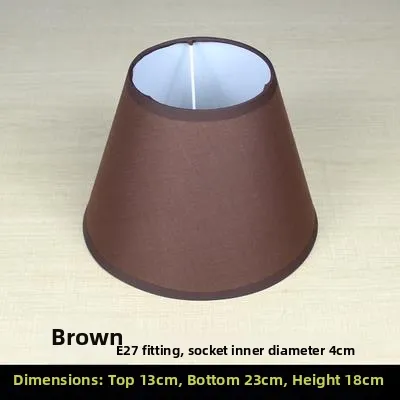
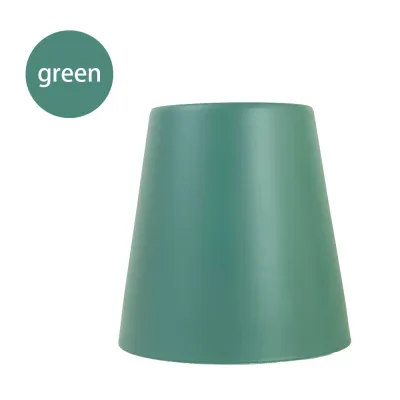
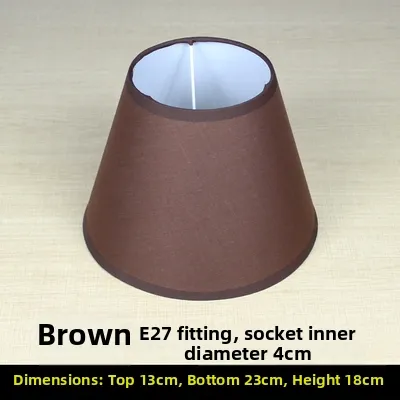
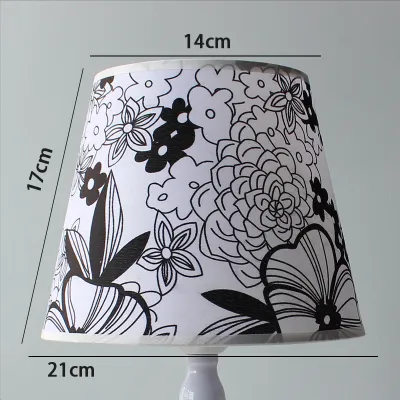
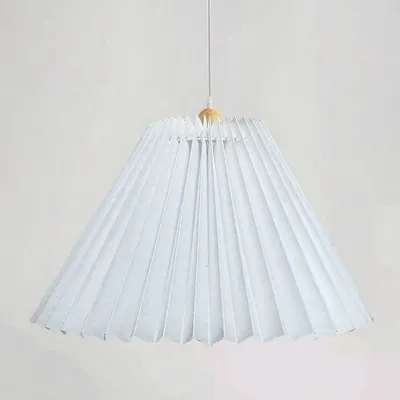
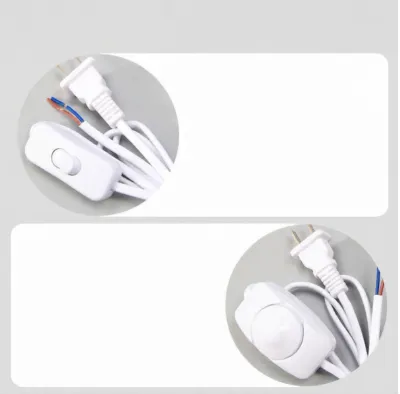
Prices are valid at publication and may change. Please refer to the product page for the latest price.
Next, analyze the base’s visual weight and silhouette. Visual weight refers to how heavy or substantial an object appears to the eye. A thick, bulbous ceramic base or a heavy block of solid wood possesses significant visual weight, meaning it requires a larger, more substantial shade to look balanced. Conversely, a slender brass candlestick base or a thin glass spindle has a delicate, lightweight silhouette that will easily be overwhelmed by a massive, heavy-looking shade.
Finally, gather precise physical measurements. Use a measuring tape to record the height of the base from the very bottom to the neck (just below the electrical socket). You should also measure the width of the base at its widest point. These two numbers will serve as your mathematical baseline when calculating the correct shade proportions later. While you have the measuring tape out, inspect the existing hardware. Note whether your lamp uses a metal wire harp that frames the bulb, a socket that requires a shade to screw directly onto it, or if the shade simply clips onto the bulb itself. This baseline information prevents the frustration of buying a beautiful shade that physically cannot be mounted to your lamp.
Pair Shade Shapes with Specific Base Styles
The geometry of your lamp base should directly influence the shape of your replacement shade. As a general rule of thumb, you want to mirror the lines of the base in the lines of the shade. Round, curved, or organic bases typically look best with rounded or tapered shades, while square, angular, or highly geometric bases pair beautifully with straight-sided, angular shades.

Traditional and Classic Bases
Traditional lamp bases—such as ornate cast brass candlesticks, turned wooden spindles, and classic ceramic ginger jars—are defined by their curves, intricate details, and timeless appeal. To complement these detailed features without distracting from them, you should look toward classic, slightly tapered shade shapes.
- Empire Shades: Featuring a top opening that is roughly half the diameter of the flared bottom, empire shades direct light downward while their sloping sides beautifully mirror the curves of traditional ceramic and porcelain bases.
- Bell Shades: With a pronounced flare at the bottom and curved, sloping sides, bell shades offer a highly formal, elegant silhouette that balances the intricate, heavy details of ornate brass or carved wood bases.
- Classic Drum Shades: While slightly more modern, a classic drum shade with a very subtle taper can soften a traditional base, giving it a refreshed, transitional look that fits easily into contemporary living spaces.
Modern and Minimalist Bases
Modern and minimalist lamp bases rely on clean lines, architectural simplicity, and materials like brushed steel, matte black iron, or smooth concrete. To maintain this streamlined, uncluttered aesthetic, your replacement shade should feature sharp angles and crisp, geometric silhouettes.
- Cylinder and Straight Drum Shades: These shades feature identical top and bottom diameters, creating a perfectly vertical profile. The clean, unembellished column of a cylinder shade echoes the sleek, upright lines of minimalist metal rod bases.
- Square and Rectangular Shades: If your lamp base is a sharp cube or an angular column, a square or rectangular shade aligns perfectly with those edges, creating a highly cohesive, architectural look that works exceptionally well on narrow console tables or modern desks.
- Coolie Shades: Characterized by a very wide bottom opening and a narrow top, coolie shades create a dramatic, flat triangle. This sharp geometric form pairs beautifully with ultra-slim, minimalist metal bases, offering a bold mid-century modern vibe.
Eclectic and Sculptural Bases
Sculptural, artistic, or highly eclectic bases—such as abstract metal art, hand-carved driftwood, or asymmetrical stone formations—present a unique styling challenge. Because these bases are designed to be the star of the show, your shade choice must be deliberate so that the two elements do not clash.
- Neutral Straight-Sided Drums: A simple, unadorned white or cream drum shade acts as a quiet frame for a highly complex, sculptural base. It provides the necessary functional light while allowing the artistic details of the base to capture all the attention.
- Facet-Matching Geometric Shades: For a bold, highly curated statement, you can match the geometric facets of an art-deco or cubist sculptural base with a multi-sided hexagonal or octagonal shade. When taking this route, ensure the colors remain neutral so the overall silhouette feels grounded and intentional rather than chaotic.
Coordinate Colors, Patterns, and Inner Linings
Selecting the right color and pattern for your lamp shade replacement is not just about matching the lamp base; it is also about how the lamp interacts with the rest of your room’s decor and how it behaves when illuminated. You can choose between a harmonious, low-contrast approach or a striking, high-contrast design strategy.
A monochromatic or low-contrast approach involves matching the shade’s color to a tone found within the base itself. For example, pairing a deep navy blue ceramic base with a soft dusty blue or slate gray shade creates a sophisticated, calming effect. Conversely, a high-contrast approach pairs opposites to create visual drama. Placing a crisp, bright white shade on a matte black iron base or a dark charcoal shade on a shiny brass base intensely draws the eye and highlights the lamp’s silhouette.
If you want to use the lamp shade to tie the room together, look at the accent colors in your existing palette. In a typical living room, you might pull a warm terracotta, a soft sage green, or a rich mustard yellow from your throw pillows, area rugs, or local artwork and apply that color to a solid-colored linen shade.
When it comes to patterns, exercise restraint to avoid visual clutter. If your lamp base is highly detailed, textured, or multi-colored (such as a hand-painted floral ceramic base), stick to a solid, neutral shade. If your lamp base is simple, smooth, and monochromatic, a patterned shade—such as a subtle botanical print or a classic geometric motif—can add a wonderful layer of personality. Just ensure the scale of the pattern matches the scale of the lamp; a tiny, busy pattern on a massive floor lamp shade will look washed out, while an oversized pattern on a tiny bedside lamp will lose its impact.
Do not overlook the color of the shade’s inner lining, as it dramatically affects the quality and warmth of the light produced:
- White Linings: This is the most common option. A white interior reflects almost all the light outward and through the shade, maximizing brightness and making it the ideal choice for reading lamps or task lighting.
- Gold Linings: A gold interior absorbs a portion of the light but casts a rich, warm, amber glow. This creates an incredibly cozy, inviting atmosphere, making it perfect for bedroom vanity lamps or ambient living room lighting where high brightness is not required.
- Silver Linings: Best suited for modern, industrial, or chrome bases, a silver lining reflects a crisp, cool light that enhances metallic finishes and complements modern, cool-toned color schemes.
Choose Materials and Textures That Complement the Base
The material and texture of your replacement shade play a vital role in both the tactile quality of your decor and the safety of the fixture. Different materials diffuse light in distinct ways, and pairing them correctly with your base material creates a balanced sensory experience.
- Fabric and Paper: Linen, cotton, silk, and parchment paper are classic choices that excel at diffusing light softly, eliminating harsh glare. Linen and cotton shades, with their visible weaves, pair beautifully with natural wood, matte ceramic, or rustic terracotta bases. Silk shades offer a subtle sheen that complements polished brass, crystal, or fine porcelain.
- Safety Boundary: When installing a fabric or paper shade, always check the manufacturer instructions on both the lamp base and the replacement shade for maximum wattage limits. Ensure your light bulb does not exceed these ratings, as excessive heat can scorch paper or fabric, dry out adhesives, and create a fire hazard.
- Glass and Metal: Glass and metal shades do not diffuse light through their body; instead, they direct it. Metal shades are excellent for industrial, brass, or modern minimalist bases, focusing light downward for task work. Glass shades, whether clear, frosted, or seeded, offer a clean, vintage, or industrial look.
- Safety Boundary: Because metal and glass can trap heat and become very hot to the touch, ensure the lamp is placed where it will not be easily bumped, and always unplug the fixture and allow it to cool completely before attempting to clean or adjust the shade.
- Natural Woven Materials: Rattan, bamboo, and abaca are incredibly popular in tropical modern, coastal, and bohemian interior designs. Woven rattan or bamboo shades pair exceptionally well with warm wood, ceramic, or concrete bases. They filter light through their open weaves, casting beautiful, dappled shadow patterns across your walls and ceilings, which adds rich texture to a room.
- Texture Matching: To create a sophisticated look, utilize the principle of contrast. If your lamp base is highly polished, smooth, or glossy (such as shiny chrome, polished marble, or glazed ceramic), pair it with a highly textured shade like coarse linen or woven rattan to soften the look. If your base is rough, rustic, or heavily textured (such as weathered wood, hammered metal, or rough stone), pair it with a smooth, simple parchment or drum shade to keep the design balanced and clean.
Verify Physical Proportions and Hardware Compatibility
Even the most beautiful style pairing will fail if the replacement shade does not physically fit your lamp or if its proportions look awkward. To ensure your lamp looks balanced and functions safely, you must apply a few standard design proportions and verify your hardware compatibility.
For visual proportion, professional decorators rely on the classic Rule of Thirds:
- Shade Height: The height of the replacement shade should be approximately one-third of the total height of the lamp (measured from the very bottom of the base to the top of the shade's finial). This means the lamp base itself should make up the remaining two-thirds of the height.
- Shade Width: The bottom diameter of the shade should be roughly twice the width of the widest part of the lamp base. If you have a very chunky, wide base, your shade must be wide enough to extend past the base's outer edges to avoid looking top-heavy.
- Hardware Coverage: When the lamp is placed at eye level (such as on a side table next to a sofa), the shade must be tall enough to completely cover the light bulb socket and the neck of the lamp. If you can see the metal socket or the bare bulb peeking out from underneath the shade, the shade is either too short or positioned too high.
Next, you must verify the fitter type to ensure the shade can actually be mounted to your lamp:
- Spider Fitters: This is the most common style. A spider fitter features a small central ring with metal spokes extending to the top rim of the shade. This ring sits on top of a metal wire frame called a harp, which rises up from the base around the bulb, and is secured in place with a decorative screw-on finial.
- Uno Fitters: Common on smaller bedside lamps, an uno fitter features a ring that sits directly on the light socket. It is held in place by the light bulb itself or by a threaded plastic ring that screws onto the socket.
- Clip-on Fitters: These feature wire loops that snap directly onto a standard-shaped light bulb. They are typically reserved for small accent lamps or chandeliers where the shade is lightweight.
If you are replacing a shade on a lamp with a spider fitter, remember that you can easily adjust the height of the shade by changing the size of the harp. Harps are inexpensive and widely available in local hardware stores or online marketplaces (typically ranging from 6 to 10 inches in height, costing around ₱100 to ₱300). If your new shade is slightly too low and exposes the socket, swapping your current harp for a slightly taller one can solve the problem instantly.
- Safety and Climate Check: In the humid tropical climate of the Philippines, proper ventilation around your light fixture is critical. High humidity combined with trapped heat can degrade fabric linings, melt adhesives, and damage electrical components over time. Always ensure there is at least 2 to 3 inches of open space between the light bulb and the inner surface of the shade to allow heat to rise and escape freely. Additionally, verify that your light socket, cord, and bulb are rated for the standard Philippine voltage of 220V, and check for proper electrical safety certifications (such as the PS or ICC mark) on any newly purchased electrical components.
Common Aesthetic and Practical Pairing Mistakes to Avoid
When selecting a lamp shade replacement, avoiding common pitfalls can save you time, money, and design frustration.
- The Top-Heavy or Bottom-Heavy Look: This occurs when the scale of the shade is completely mismatched with the base. Placing a massive, wide drum shade on a very thin, delicate candlestick base makes the lamp look unstable and visually overwhelming. Conversely, putting a tiny, narrow shade on a chunky ceramic ginger jar base makes the lamp look unfinished and awkward. Stick to the Rule of Thirds to keep proportions in check.
- Unintentional Style Clashing: While eclectic design is highly fashionable, there is a fine line between a deliberate contrast and an accidental clash. For instance, pairing a rustic, rough burlap shade with a highly polished, ultra-modern chrome base usually looks mismatched rather than curated. If you want to mix styles, ensure there is a unifying element, such as matching the warm tones of a wooden base with a warm cream linen shade.
- Failing to Check Fitter Compatibility: Never buy a replacement shade based on appearance alone without checking how it attaches. Buying a beautiful spider-fitter shade when your lamp only accepts an uno-fitter shade will leave you with an unusable product. Always inspect your existing lamp hardware before making a purchase.
- Exposed Hardware and Harsh Glare: A shade that is too shallow or a harp that is too tall will leave the light bulb and socket fully exposed. Not only does this look messy and unfinished, but it also creates a harsh, direct glare that ruins the ambient atmosphere of your room. Always measure carefully to ensure the shade's bottom rim sits just below the socket.

Community discussion
Share your experience or ask a question. Comments are reviewed before publication.