
Matching the right lighting to your personal sanctuary is both an art and a science. When selecting bed side wall lights, you are not just choosing a light source; you are defining the visual boundaries of your rest space. The ideal fixture harmonizes with your existing furniture, wall colors, and decor accents while serving your nightly routines. Whether you are winding down with a book in a breezy, tropical modern bedroom or resting in a sleek, air-conditioned minimalist space, your wall sconces must strike a balance between visual style and functional performance.
The Role of Bed Side Wall Lights in Bedroom Aesthetics
Bed side wall lights serve a dual purpose that elevates both the utility and beauty of your sleeping quarters. From a functional standpoint, mounting your light fixtures on the wall frees up valuable space on your nightstands. Instead of crowding your bedside table with a bulky table lamp, a glass of water, your phone, and books, you can keep the surface clean and organized. This space-saving benefit is particularly valuable in modern urban homes, such as apartments and condominiums, where bedroom square footage is often optimized.
Beyond practicality, wall sconces act as critical visual anchors. Positioned on either side of the bed, they frame your headboard, drawing the eye toward the room’s natural focal point. This symmetry creates a sense of order and architectural intent, making the entire room feel thoughtfully designed. By casting light upward, downward, or outward, these fixtures add texture to your walls and highlight the materials of your headboard, whether it is woven rattan, plush velvet, or solid wood. Ultimately, the right fixture reinforces your design theme, transforming a simple bed setup into a cohesive, hotel-like retreat.
Products mentioned in this guide
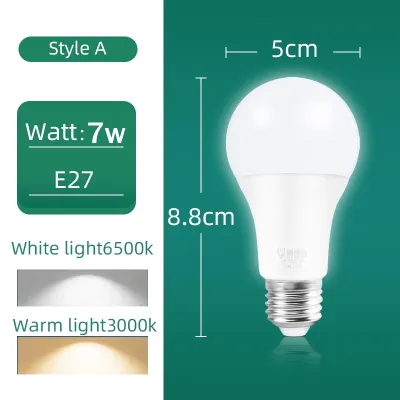
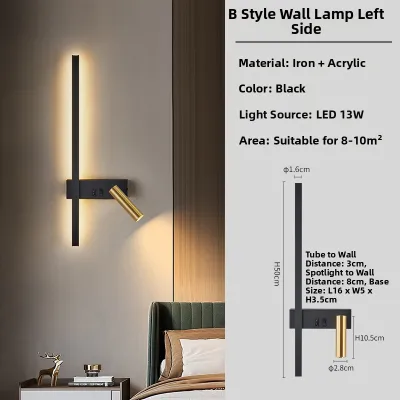
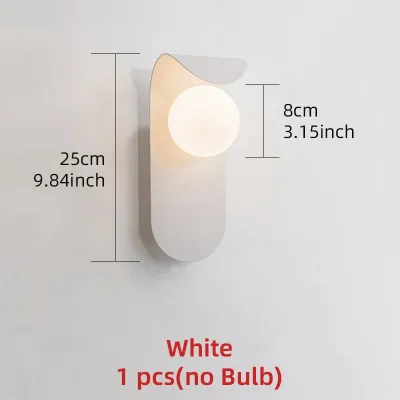
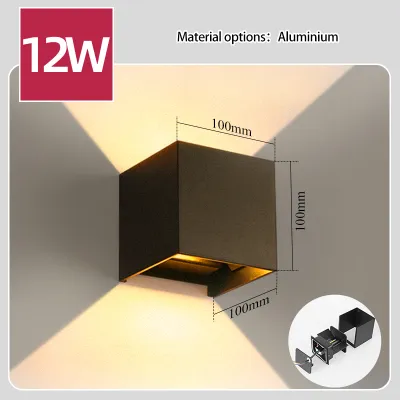
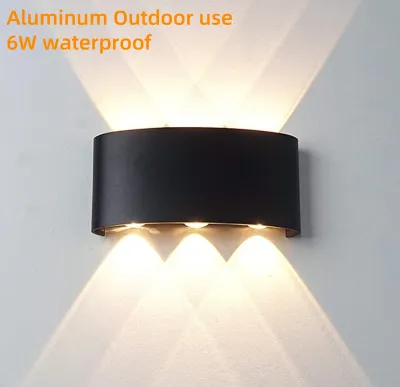
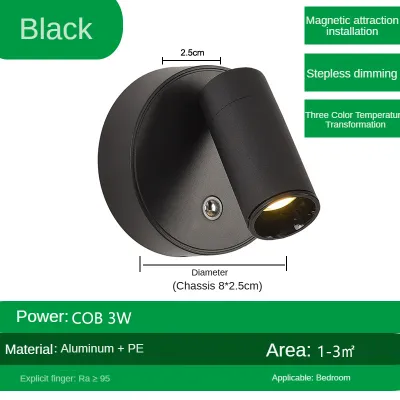
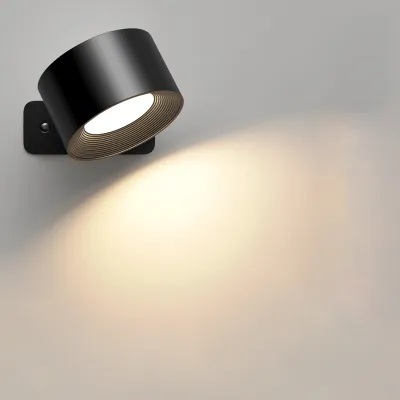
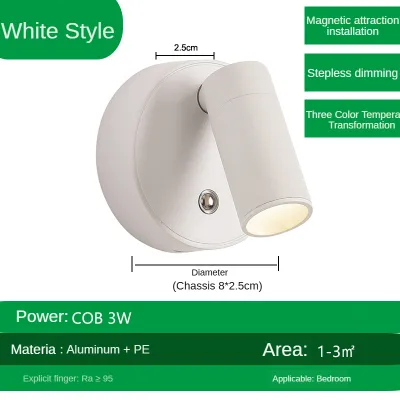
Prices are valid at publication and may change. Please refer to the product page for the latest price.
Essential Sizing and Technical Checks Before You Buy
Before purchasing any bed side wall lights, you must perform several spatial and electrical checks to ensure a safe, seamless fit. Ignoring these technical details can lead to fixtures that are physically incompatible with your room or, worse, safety hazards that violate local electrical standards.

Proportions and Scale
To maintain visual balance, evaluate the physical dimensions of the sconces relative to your bed and nightstands. A massive, ornate sconce will overwhelm a single or double bed, while a tiny, minimalist fixture will look lost next to a grand king-size headboard. As a general rule, the width of the fixture should not exceed one-third of the width of your nightstand. If you have a tall, dramatic headboard, select taller or more vertically oriented sconces to match the height. For low-profile platform beds, compact or horizontally aligned fixtures preserve the clean, low-slung aesthetic.
Lighting Quality and Color Temperature
You must distinguish between task lighting for reading and ambient lighting for general relaxation. If you read in bed, look for fixtures with adjustable arms or dedicated downlight components that direct light onto your page. For ambient lighting, look for fixtures with fabric shades, frosted glass, or opaque covers that diffuse the light softly across the wall.
Color temperature is a conditional preference, but for bedrooms, warm white light is highly recommended to promote rest. Look for LED bulbs or integrated fixtures with a color temperature between 2700K and 3000K. Cooler light temperatures (above 4000K) can disrupt your circadian rhythm and make the bedroom feel clinical rather than cozy.
Power, Voltage, and Installation Standards
When choosing between hardwired and plug-in models, consider your current wall setup. Hardwired sconces offer a clean, wire-free look but require running electrical cables behind the drywall or concrete. Plug-in models are easier to install as they simply mount to the wall and plug into a nearby outlet, though the visible cord becomes part of your room’s visual landscape.
Whether you are looking at entry-level plug-in options starting around ₱1,000 or investing in premium designer fixtures that exceed ₱10,000, always verify that the fixtures are compatible with the electrical standards of the Philippines, which operates on a 220V system at 60Hz. Ensure the fixture uses a standard, easily replaceable bulb base, such as E27 or GU10, and check the manufacturer’s maximum wattage limits to prevent overheating. Look for safety certifications like the Philippine Standard (PS) mark or the Import Commodity Clearance (ICC) sticker on the packaging.
For safety, always isolate the power at your home’s main circuit breaker before attempting any electrical installation. If you are opting for hardwired fixtures, modifying your home’s wiring, or installing new junction boxes, always refer to the manufacturer’s instructions and hire a qualified professional electrician. This ensures compliance with the Philippine Electrical Code and prevents fire or shock hazards. Additionally, because the tropical climate in the Philippines brings high humidity, select fixtures with durable, corrosion-resistant finishes to prevent rusting over time.
Style Pairings: Matching Sconces to Your Bedroom Theme
Your choice of bed side wall lights should feel like a natural extension of your bedroom’s interior design. By matching the materials, shapes, and finishes of your sconces to your established theme, you create a harmonious environment that feels complete.
Modern and Minimalist Spaces
Minimalist and modern bedrooms rely on clean lines, uncluttered surfaces, and a neutral color palette. For these spaces, select sconces with sleek geometric shapes, ultra-slim profiles, and adjustable swing-arm designs. These fixtures provide high functionality without adding visual noise to the room.
Look for finishes that blend seamlessly with a contemporary palette, such as matte black, brushed brass, or polished chrome. Matte black offers a sharp, graphic contrast against light walls, while brushed brass adds a touch of warmth without looking dated. Integrated LED designs are highly preferred here, as they allow for incredibly slim, futuristic shapes that traditional bulb sockets cannot accommodate. To preserve the uncluttered look, prioritize hardwired models with concealed wiring, ensuring that no loose cords disrupt the clean vertical lines of your walls.
Industrial and Rustic Themes
Industrial and rustic bedrooms celebrate raw textures, warmth, and a lived-in, cozy character. If your bedroom features exposed brick, concrete finishes, or natural wood elements, your bedside lighting should reflect this rugged charm.
Look for sconces featuring exposed Edison-style bulbs, protective metal cages, weathered wood backplates, or distressed metal finishes. Warm metallic tones like copper, antique brass, or oil-rubbed bronze work beautifully in these settings, enhancing the warm, welcoming atmosphere. However, because exposed bulbs can cause uncomfortable glare when you are lying down, it is crucial to ensure adequate diffusion. You can achieve this by pairing the fixture with amber-tinted LED filament bulbs, using a low-wattage bulb, or choosing a design where the metal shade directs the light downward or backward against the wall rather than directly into your eyes.
Classic and Traditional Elegance
If your bedroom leans toward classic, transitional, or traditional elegance, your decor likely features symmetrical layouts, rich textiles, and detailed wood furniture. Sconces in these spaces should act as refined accents that elevate the room’s luxurious feel.
Recommend sconces with classic fabric shades (such as linen or silk), delicate crystal accents, or detailed metallic scrollwork. Finishes like polished nickel, antique gold, or satin bronze pair beautifully with rich wood headboards and layered bedding. When styling a traditional room, strict symmetry is essential; place identical sconces at the exact same height on both sides of the bed. Opt for fixtures that provide soft, diffused lighting through semi-translucent shades, casting a warm, gentle glow that mimics the atmosphere of a high-end boutique hotel.
Placement and Layering for the Perfect Bedside Glow
Achieving the perfect lighting scheme requires more than just picking the right style; it depends heavily on precise placement and thoughtful integration with other light sources.
Mounting Height and Positioning
To determine the ideal mounting height, sit up in your bed as you normally would when reading or relaxing. As a general rule, the bottom of the sconce’s shade or the light source should be positioned roughly 55 to 60 inches (140 to 152 cm) from the floor. Alternatively, you can measure 20 to 24 inches (50 to 61 cm) above the top of your mattress. This height ensures that the light shines directly onto your reading material but remains high enough that you do not look directly up into an exposed bulb when lying flat. If the sconce has an adjustable swing arm, you have more flexibility, but the base should still be mounted within easy arm’s reach.
Light Layering Techniques
Bed side wall lights should not be the sole light source in your bedroom. To create depth and a relaxing ambiance, layer your lighting by combining your sconces with other fixtures. Pair them with overhead recessed pinlights or a central ceiling fan with a light kit for general illumination. For a modern touch, add warm LED strip lights inside ceiling coves or underneath your platform bed frame. This multi-layered approach allows you to adjust the room’s brightness based on the time of day, switching from bright, functional light during daytime cleaning to soft, moody lighting as you prepare for sleep.
Switching and Control Convenience
Convenience is paramount when designing bedside lighting. Each bedside sconce must have an independent switch that is easily reachable from a reclining position. This allows you or your partner to turn off your respective light without having to get out of bed or disturbing the other person. If you are installing hardwired fixtures, place the wall switches just above the nightstand surface, approximately 6 to 8 inches above the tabletop. For smart homes, consider integrating smart bulbs or wireless dimming switches that let you control the lights via a smartphone app or voice commands.
Common Pairing Mistakes and Design Taboos to Avoid
Even with high-quality fixtures, simple design missteps can disrupt both the look and usability of your bedroom. Keep these common pitfalls in mind as you plan your lighting setup.
Scale Mismatch
One of the most frequent errors is a mismatch in scale. Oversized fixtures can overwhelm a small nightstand and make a compact bedroom feel cramped. Conversely, undersized sconces can look completely lost when placed next to a massive, tall headboard or a king-size bed. Always sketch out or tape the dimensions of the fixture on your wall before drilling to visualize how it interacts with your existing furniture.
Glare and Exposure
Bedrooms are spaces for rest, meaning harsh glare is a major design taboo. Avoid fixtures with clear glass shades and bright white bulbs that expose the bare light source to your eyes when you are lying down. If you fall in love with a clear glass fixture, always swap out the standard bulb for a frosted or low-lumen warm bulb, or choose a fixture with a directional shade that shields your direct line of sight.
Clashing Finishes
While mixing metals can add character when done intentionally, mixing too many conflicting metal tones without a unifying element can create visual chaos. For example, pairing cool, shiny chrome sconces with warm, rustic antique brass hardware on your nightstands can look disjointed. If you want to mix finishes, stick to a maximum of two complementary tones (such as matte black and warm brass) and ensure those finishes are repeated elsewhere in the room’s decor, such as in drawer pulls, picture frames, or curtain rods.
Ignoring the Headboard
Your headboard is the anchor of your bed setup, and your wall lights must respect its boundaries. Failing to account for a wide, winged, or highly ornate headboard can lead to physical interference, where the headboard blocks the light or prevents the sconce from being mounted at the correct height. Measure the total width of your headboard, including any decorative trim, before finalizing the placement of your wall junction boxes or mounting brackets.
Community discussion
Share your experience or ask a question. Comments are reviewed before publication.