
Finding the perfect lampshade for living room elegant styling is an exercise in balancing light, form, and texture. A well-chosen lampshade does not merely cover a bulb; it filters the glow to complement your existing furniture, softens the overall atmosphere, and serves as a sophisticated design anchor. In Philippine homes, where natural daylight transitions into warm, humid evenings, the right lampshade can transform a living space into a cozy, inviting sanctuary.
Achieving this cohesive look requires evaluating your current decor, the physical properties of different materials, and the structural requirements of your lamp base. By understanding how shapes, fabrics, and proportions interact with your living room’s layout, you can make an informed decision that elevates your interior design. This guide outlines the essential steps to select, match, and safely install an elegant lampshade that harmonizes beautifully with your home.
Assess Your Living Room's Existing Design Theme
Before browsing for a new lampshade, analyze the dominant design theme of your living room. Philippine interiors often feature a blend of styles, ranging from traditional spaces rich with dark hardwood furniture like narra, to modern tropical layouts characterized by light finishes and open spaces. Identifying your room’s primary aesthetic—whether classic, minimalist, or rustic—helps establish a clear direction for your lighting accessories.
Products mentioned in this guide
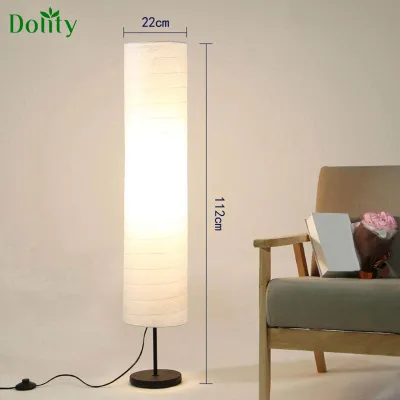
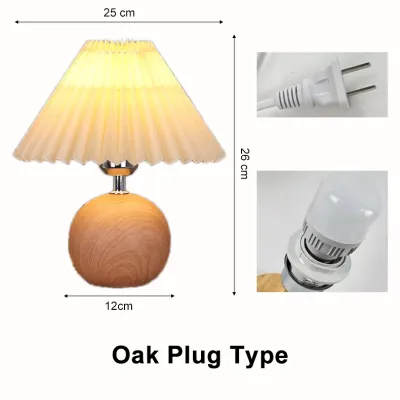
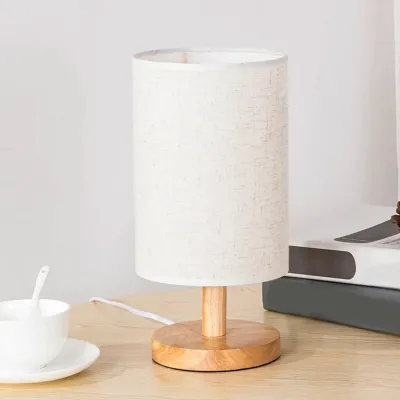
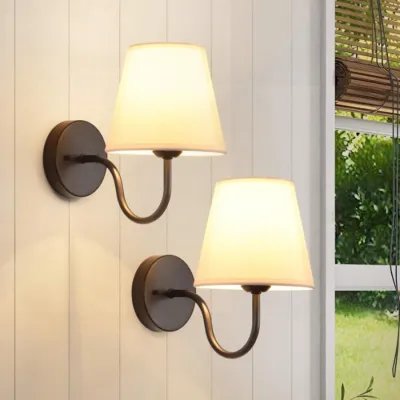
Prices are valid at publication and may change. Please refer to the product page for the latest price.
Next, evaluate the visual weight of the furniture surrounding the lamp. A heavy, solid wood console table demands a lampshade with enough visual presence to balance the arrangement. Conversely, sleek glass tables or slender metal frames pair best with lighter, more streamlined shades. Consider also the primary function of the lamp: is it intended for focused reading, or is it meant to provide soft, ambient light for the entire room?
Finally, observe the sightlines and focal points within the space. A lamp placed on a prominent side table next to the main entryway draws immediate attention, making its shape and opacity critical. If the lamp sits in a quiet corner, a more translucent shade can help brighten the dark nook without creating an aggressive focal point. Mapping out these visual pathways ensures your new lampshade supports the natural flow of the room.
Pairing Lampshade Materials with Furniture and Textures
The texture of your lampshade plays a vital role in how it interacts with surrounding furniture. For a polished look, consider matching smooth materials like silk, satin, or fine linen with sleek surfaces such as glass, polished marble, or lacquered wood. The clean lines of a smooth fabric shade complement the reflective qualities of these materials, creating a sophisticated and unified aesthetic.

If your living room features mostly minimalist or matte surfaces, introducing a textured lampshade can add depth. Pleated cotton, embroidered fabrics, or high-quality woven paper shades provide a tactile contrast that prevents a modern space from feeling cold. In tropical climates, natural woven materials like raffia or fine rattan can also evoke an elegant, organic feel, provided they are kept in well-ventilated areas to prevent moisture buildup.
When selecting materials, always evaluate their durability and light diffusion properties based on usage. Silk and delicate paper shades offer beautiful, soft diffusion but are highly sensitive to high humidity and direct sunlight, which can cause yellowing over time. For high-traffic areas or homes with active households, durable linen or cotton blends are often more practical choices, as they resist wear while still providing a warm, inviting glow.
Choosing Colors and Patterns for a Cohesive Look
Color coordination is essential for integrating a new lampshade into your living room’s established palette. A reliable technique for creating visual continuity is to pull subtle accent colors from existing decorative elements, such as the secondary tones in a patterned rug, a specific shade in wall art, or the hue of your throw pillows. Selecting a lampshade that echoes these minor accents ties the entire room together seamlessly.
For a timeless and sophisticated backdrop, neutral tones like off-white, cream, beige, and soft ivory remain the standard. These shades maximize light output, allowing the bulb’s true brightness to illuminate the room while maintaining a clean, elegant appearance during the day. Neutral shades also offer the flexibility to adapt to future decor changes, ensuring your lighting remains relevant even if you update your furniture.
Introducing patterns to your lampshades requires careful moderation, especially in rooms that already feature textured wallpaper or busy upholstery. If your living room is highly decorated, stick to solid colors or very subtle, tone-on-tone patterns to avoid visual clutter. However, if your space is largely monochromatic, a lampshade featuring a classic geometric print or a delicate botanical motif can serve as a stunning statement piece.
Selecting Shapes and Proportions for Visual Balance
The silhouette of your lampshade should harmonize with both the lamp base and the surrounding furniture. Classic drum shades offer a modern and clean look that suits contemporary spaces, while tapered empire or bell shades lean toward traditional elegance. Matching the shape of the shade to the geometry of the base—such as pairing a round shade with a curved ceramic base—creates a balanced, satisfying composition.
Proportion is equally critical to achieving visual balance. As a general guideline, the width of the lampshade should be approximately equal to the height of the lamp base, and the shade itself should be wide enough to cover the internal hardware without extending past the edges of the table. A shade that is too small will make the lamp look top-heavy, while an oversized shade can make the setup appear unstable.
Additionally, consider the physical environment and natural traffic flow of your living room. In narrow hallways or tight spaces next to busy walkways, wide drum or bell shades can easily be bumped. In these scenarios, choosing a shallower oval or rectangular shade allows the lamp to sit closer to the wall, preserving precious floor space while still delivering the desired level of elegance.
Essential Fit and Safety Checks Before You Buy
Before purchasing, verify the physical and electrical compatibility of the lampshade with your lamp base. Start by identifying the fitter type required: spider fitters require a metal harp to support the shade from above, uno fitters screw directly onto the socket beneath the bulb, and clip-on fitters attach directly to the bulb itself. Ensuring you have the correct fitter type and a matching harp height prevents the shade from sitting awkwardly.
Electrical safety must always be a priority when updating lighting fixtures. Check the maximum wattage rating of both the lamp base and the new lampshade, ensuring that your bulb does not exceed the lower of the two limits. Adequate heat clearance—the physical distance between the bulb and the inner surface of the shade—is essential to prevent heat buildup, which can scorch delicate fabrics. Always isolate the power by unplugging the lamp before installing a new shade.
Finally, review the manufacturer’s specifications to ensure the entire assembly complies with local electrical standards. In the Philippines, household electrical systems typically operate on 220V, so verify that your lamp base, socket (such as standard E27 or E14 bases), and bulb are fully compatible. Look for products that carry recognized safety certifications, such as the Philippine Standard (PS) mark or the Import Commodity Clearance (ICC) sticker, to ensure your elegant new addition is safe.
Frequently Asked Questions (FAQ)
Can I use an elegant fabric lampshade with an LED bulb?
Yes, pairing an elegant fabric lampshade with an LED bulb is highly recommended. LED bulbs emit significantly less heat than traditional incandescent bulbs, which helps protect delicate fabrics like silk or fine linen from heat damage and discoloration over time. However, you must still verify that the bulb’s physical dimensions fit comfortably within the shade and that you maintain the manufacturer’s recommended heat clearance to ensure proper ventilation.
How do I measure my lamp base for a new shade?
To find a proportional fit, measure the height of your lamp base from the bottom to the start of the electrical socket. The ideal lampshade width should be roughly equal to this base height, while the shade’s vertical height should be about two-thirds of the base height. Additionally, measure the width of the base at its widest point; the shade’s bottom diameter should always be wider than the widest part of the base to maintain a balanced silhouette.

Community discussion
Share your experience or ask a question. Comments are reviewed before publication.