
A thoughtful bedroom design relies on the perfect balance of form and function, particularly in the immediate bedside area. Matching your LED wall sconces with your bedside table and overall bedroom decor ensures that your lighting serves as a seamless extension of your style rather than an afterthought. By coordinating the physical silhouette, material finishes, mounting heights, and light output of your fixtures, you can create an inviting, cohesive sanctuary that promotes rest. A well-coordinated led light wall display above your nightstand does more than illuminate your evening reading; it serves as a design anchor that ties your furniture, wall colors, and decor together.
Achieving this harmony requires looking at your bedroom as an interconnected ecosystem. Your bedside table, headboard, wall texture, and lighting fixtures must work in tandem to establish a balanced visual weight. Whether you are aiming for a sleek, modern look or a warm, tropical contemporary aesthetic, selecting the right sconce involves evaluating both physical dimensions and visual cues. Let’s explore how to systematically align these design elements to elevate your bedroom’s ambiance and functionality.
Evaluate Your Bedside Furniture and Room Style First
Before browsing online catalogs or visiting local showrooms, take a step back to analyze the dominant design language of your bedroom. If your room features clean lines, handleless drawers, and a neutral color palette, it leans toward modern minimalism. In contrast, a bedroom with rich wood grains, woven rattan accents, and warm earth tones fits a tropical contemporary or rustic style. Identifying this overarching theme is crucial because your wall sconces should either directly reinforce this aesthetic or provide a deliberate, sophisticated contrast that prevents the space from looking flat.
Products mentioned in this guide
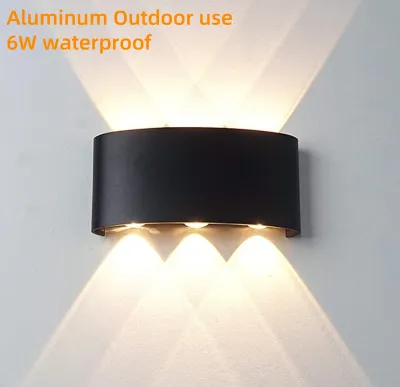
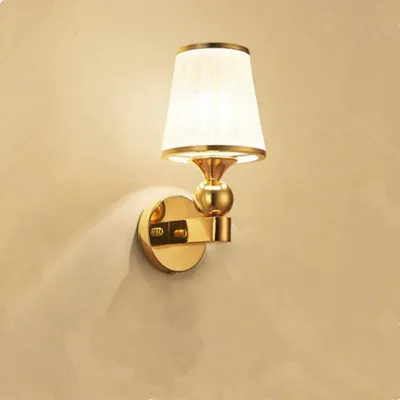
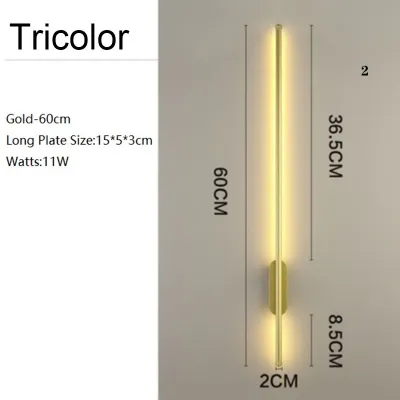

Prices are valid at publication and may change. Please refer to the product page for the latest price.
Next, closely observe the physical characteristics of your bedside table. Consider its silhouette, visual weight, and structural lines. A heavy, solid wood nightstand made of local acacia or mahogany possesses significant visual weight and pairs beautifully with a more substantial, textured sconce to maintain balance. Conversely, a floating bedside shelf or a slender, metal-legged table has a light, airy footprint that demands a sleek, geometric LED sconce with a minimal profile. Pairing a bulky, ornate fixture with a delicate floating shelf can make the entire bedside zone look top-heavy and disjointed.
You can use your wall sconces to create a compelling visual dialogue with your furniture. If your bedside table is strictly rectangular with sharp, hard edges, introducing a circular or globe-shaped LED sconce can soften the zone and add visual interest. If you prefer a highly unified, disciplined look, match the geometric lines of a square nightstand with a linear, low-profile LED bar. The goal is to ensure that the sconce and the table look like they were intentionally curated to sit alongside one another, rather than sourced at random.
Coordinate Finishes, Materials, and Wall Colors
Harmonizing the physical materials of your lighting fixture with the existing finishes in your bedroom creates an instant sense of polished luxury. This step prevents your bedside area from feeling cluttered with competing textures and tones.

Matching Metal Finishes and Wood Tones
When selecting an LED sconce, look at the metal hardware already present in your bedroom, such as drawer pulls, wardrobe handles, door hinges, or the frame of your bed. If your bedside table features matte black handles, choosing a sconce with a matching matte black finish creates a clean, modern connection. If you prefer a warmer, more classic touch, brushed brass or antique gold sconces can elevate the space, provided these warm tones are echoed elsewhere in the room, such as in picture frames or decorative trays. High-humidity environments, common in tropical climates, can cause low-quality metal finishes to tarnish or rust over time, so prioritize powder-coated, anodized, or high-quality electroplated metals to ensure long-lasting durability.
Wood tones require a similar level of coordination to avoid clashing. If your bedside table displays a prominent, warm wood grain, you can choose a sconce that incorporates matching wooden accents to tie the pieces together. Alternatively, if your nightstand is made of a dark wood like tanguile or walnut, a contrasting metallic sconce in brushed brass or satin nickel can break up the darkness and highlight the natural beauty of the timber. Avoid pairing woods with clashing undertones, such as a cool grey-washed laminate table with a warm, reddish-brown cherry wood sconce element.
Complementing Bedroom Color Schemes
Your bedroom’s wall color and texture serve as the direct backdrop for your bedside lighting. If you have dark, moody accent walls—such as deep forest green, navy blue, or charcoal grey—a metallic or white sconce will pop beautifully, turning the fixture into a striking focal point. For light-colored, neutral walls in shades of cream, beige, or soft off-white, you can choose a white or light-toned fixture that blends seamlessly into the background, creating a clean, minimalist look where only the light itself is visible.
To create a truly cohesive bedroom, try to tie the color of your sconce to secondary decorative accents in the room. If your wall sconce features a distinct finish, such as a soft sage green powder coat or a terracotta ceramic shade, repeat that specific hue in your throw pillows, bed linens, curtains, or area rugs. This subtle repetition guides the eye naturally around the room, making the entire decorative scheme feel deliberate, balanced, and professionally styled.
Scale and Position Your LED Light Wall Display Correctly
Proportion is everything when it comes to wall-mounted lighting. An oversized sconce can easily overwhelm a compact nightstand, while a tiny fixture will look lost on a large, expansive wall. As a general rule of thumb, the width of your wall sconce should not exceed one-third of the width of your bedside table. If you have a wide, spacious nightstand, you have the freedom to select a more prominent fixture or even a dual-light design that matches the scale of the furniture below.
Mounting height is equally critical for both visual balance and physical comfort. To create an ergonomic and comfortable led light wall display, the light source should ideally align with your eye level when you are sitting up in bed reading. For most standard mattress and headboard heights, this translates to mounting the sconce approximately 55 to 60 inches (140 to 152 centimeters) from the finished floor. If your bed frame sits low to the ground, or if you use a thick, plush mattress, adjust this height downward so that you are not looking directly up into an exposed light source.
Do not forget to measure the physical depth and projection of the sconce before committing to a purchase. In cozy bedrooms, a fixture that projects too far from the wall can become a hazard, especially when sitting up or making the bed. Ensure the sconce’s projection does not interfere with the clearance of your headboard, the path of your curtain tracks, or the opening arc of adjacent wardrobe doors. For tight spaces, look for low-profile sconces that project less than 4 inches (10 centimeters) from the wall surface.
Before finalizing your purchase, verify the technical specifications of your chosen LED sconce to ensure a safe and seamless installation. In the Philippines, the standard electrical supply is 220V at 60Hz, so confirm that your fixture is rated for this voltage to prevent electrical hazards or premature driver failure. Check the bulb base or integrated LED interface, the maximum wattage limit, and the physical dimensions of the mounting plate. Additionally, ensure the fixture carries recognized safety certifications, such as the Philippine Standard (PS) mark or Import Commodity Clearance (ICC) sticker, indicating it has undergone rigorous quality testing.
If you are opting for a hardwired installation, remember that working with fixed electrical wiring requires strict safety precautions. Always isolate the power at your main circuit breaker before starting any installation work, and carefully follow the manufacturer’s provided wiring instructions. Because mounting fixtures securely on concrete walls or routing conduits behind drywall involves specialized tools and electrical knowledge, it is highly recommended to hire a qualified professional electrician to complete the installation safely and in compliance with local building codes.
Choose Sleep-Friendly Color Temperatures and Brightness
The primary purpose of bedroom lighting is to ease your transition into restful sleep, meaning the quality of light is just as important as the style of the fixture. LED color temperature is measured in Kelvins (K), and for bedrooms, a warm white range between 2700K and 3000K is highly recommended. Warm light mimics the soft glow of sunset, signaling to your brain that it is time to wind down, unlike the cool blue light emitted by screens and daylight-balanced bulbs, which can disrupt your natural sleep cycle.
If you use your bedside sconces for multiple activities—such as reading, meditating, or getting dressed in the morning, versatility is key. Look for fixtures with integrated dimming capabilities or smart compatibility, allowing you to adjust the brightness levels to suit your mood. Many modern LED sconces feature built-in touch dimmers or physical toggle switches on the baseplate, providing effortless control right from your pillow without needing to reach for a distant wall switch.
To protect your eyes from harsh glare while lying down, prioritize fixtures designed with excellent glare control. Sconces featuring frosted glass diffusers, fabric shades, or opaque metal covers that direct the light strictly downward or upward (up-and-down lights) are ideal for the bedside. These designs soften the light output, preventing direct hot spots from shining into your eyes when you are reclined, and creating a soothing, indirect glow that enhances the room’s relaxing atmosphere.
Avoid Common Bedside Lighting and Styling Mistakes
One of the most frequent styling errors is mixing clashing design eras without a unifying element. For instance, pairing a highly ornate, traditional crystal-and-brass sconce with an ultra-modern, concrete floating nightstand can feel jarring rather than eclectic. If you want to mix styles, ensure there is a common thread—such as a shared color, finish, or material—to bridge the gap and make the combination feel intentional rather than accidental.
Another common mistake is choosing bedside fixtures with completely exposed, clear glass bulbs without any shading or diffusion. While industrial-style Edison bulbs look beautiful in dining rooms or entryways, they can cast harsh, distracting shadows and create uncomfortable glare when positioned at eye level next to a bed. Always opt for frosted bulbs, shaded fixtures, or integrated LED modules that diffuse the light evenly across the bedside zone.
Finally, do not let poor cord management ruin a clean, sophisticated aesthetic. If you are opting for plug-in sconces instead of hardwired fixtures, dangling black cords can quickly clutter your bedside wall. To maintain a polished look, use matching, paintable cord covers to secure the cable flat against the wall, painting them the exact color of your bedroom wall to make them virtually invisible. Alternatively, route the cords neatly behind your headboard or bedside table to keep the visual focus entirely on your beautiful fixtures.
Frequently Asked Questions (FAQ)
Can I mix different metal finishes in the bedroom?
Yes, you can absolutely mix metal finishes in the bedroom, as long as you do so with intention. To keep the look cohesive, limit your selection to two or three finishes, and establish one dominant metal that covers about 70 percent of the room’s hardware. Use the secondary metals as subtle accents on items like picture frames, drawer pulls, or the arm of your wall sconce, ensuring that each finish is repeated at least twice in the space so it feels integrated.
Do bedside wall sconces need to be hardwired?
No, bedside wall sconces do not have to be hardwired. While hardwired fixtures offer a seamless, wire-free look, plug-in LED sconces are an excellent, renter-friendly alternative that requires no electrical demolition. This is particularly practical for homes with solid concrete walls, where chipping concrete to run internal conduits can be costly and messy. Simply mount the plug-in fixture to the wall and use decorative cord channels to keep the power cable neat and tidy.
Community discussion
Share your experience or ask a question. Comments are reviewed before publication.