
Choosing the right size and brightness for a parol solar depends on where you plan to hang it and how far away your viewers will be. A lantern that looks beautiful on a small apartment window might disappear when hung from a high rooftop, while a massive, ultra-bright gate lantern could overwhelm a narrow townhouse facade. By matching the physical dimensions of your display area with the technical specifications of the solar panel and LED assembly, you can ensure your festive display remains vibrant throughout the night. Balancing these factors helps you avoid common issues like premature battery drain or poor visibility from the street.
Assess Your Display Space and Viewing Distance
Before purchasing a parol solar, you must evaluate the specific area where it will hang. Start by measuring the physical height and width of your intended spot, whether it is a window frame, a concrete gate pillar, a balcony railing, or a rooftop edge. These measurements establish the absolute physical limits for your lantern, ensuring it does not overlap with architectural trim or hang too low over walkways.
Next, estimate the primary viewing distance from the street or sidewalk. If your home sits close to the road, a medium-sized lantern will be highly visible and detailed. However, if you are hanging the parol solar on a second-story window or a deep setback rooftop, you will need a significantly larger unit to ensure the intricate star patterns and radiating light designs remain distinct from a distance.
Products mentioned in this guide
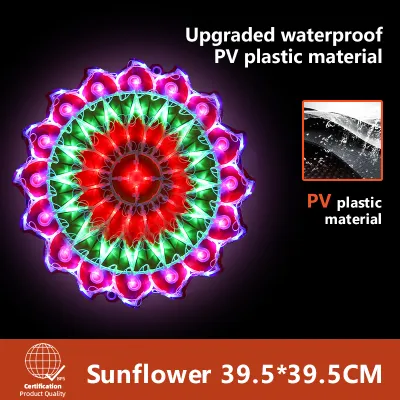
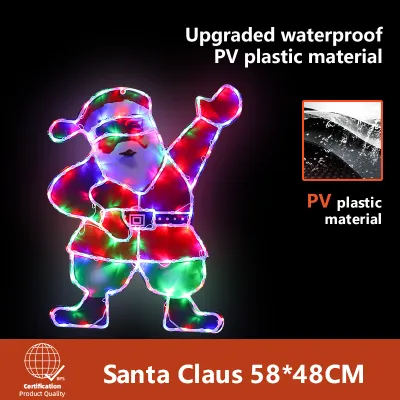
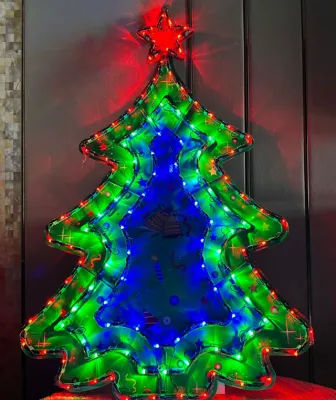
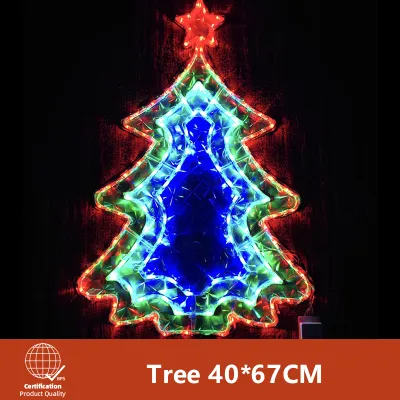
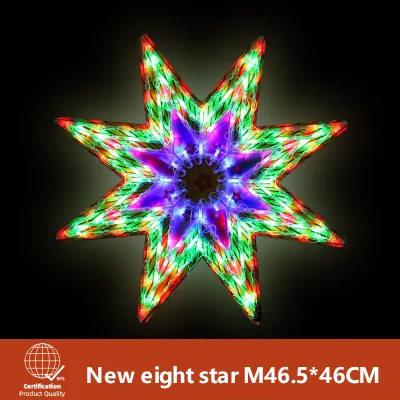
Prices are valid at publication and may change. Please refer to the product page for the latest price.
Ambient light conditions in your neighborhood also play a critical role in how bright your lantern needs to be. If your street has bright municipal streetlights or active commercial signage, a low-powered solar lantern might look washed out. Conversely, in darker residential areas or rural settings, even a moderately bright LED configuration will stand out beautifully.
Finally, inspect the area for physical obstructions. Nearby trees, roof overhangs, and neighboring structures can block the path of light or cast shadows on your installation spot. Because a parol solar relies entirely on sunlight to charge, you must identify a clear path not just for the decorative lantern itself, but also for its accompanying solar panel.
Match Parol Dimensions to Your Physical Space
Achieving visual balance requires matching the physical dimensions of your parol solar to the scale of your home. For window installations, a good design rule is to leave a clear border of at least 10 to 15 centimeters on all sides of the frame. This framing effect prevents the window from looking cluttered and allows the shape of the star to stand out clearly against the glass.

If you are mounting the lantern on a gate pillar or a porch column, avoid choosing a model that is wider than the pillar itself. An oversized fixture not only looks unbalanced but is also highly vulnerable to catching strong winds. For outdoor, elevated, or rooftop placements, the physical weight and profile depth of the parol solar become critical safety factors. Larger lanterns act like sails during seasonal monsoon winds, so they require robust mounting points and a low-profile design to minimize wind resistance.
Always review the manufacturer’s product dimensions carefully before finalizing your purchase. Do not rely solely on product photos, which can sometimes make items appear larger or smaller than they are in reality. Compare the listed diameter and depth against your measured space to ensure a proper fit.
Remember to account for the extra space required by mounting hardware. Hanging hooks, heavy-duty zip ties, mounting brackets, and even the decorative stabilizing tails or tassels at the bottom of the parol all add to the overall footprint. Ensure your installation spot has enough vertical clearance so these decorative elements do not drag on the ground or block doorways.
Choose the Right Brightness and LED Configuration
The brightness of a parol solar is determined by its LED count and the efficiency of its light distribution. When browsing options, check the manufacturer’s specifications for the total number of LEDs and, if available, the lumen rating. A higher LED count generally translates to a more vibrant and evenly distributed glow, which is essential for complex, multi-layered star patterns.
Your local light pollution levels should guide your brightness choice. In brightly lit urban neighborhoods, you will want a higher-density LED configuration to compete with surrounding artificial light. In quieter, darker suburban or rural areas, a lower lumen output is often sufficient to create a warm, inviting glow without causing uncomfortable glare for your neighbors.
Color temperature is another key decision point that affects the visual impact of your display. Cool white LEDs offer a crisp, modern look that stands out sharply from a distance, while warm white LEDs provide a traditional, cozy ambiance. Many modern solar lanterns also feature multicolor LED configurations that cycle through patterns, which can add a dynamic, festive energy to your facade.
To maximize versatility, look for models that offer adjustable brightness settings or multiple lighting modes. Some units allow you to switch between steady-on modes and various flashing or chasing patterns. Utilizing these modes can help you adapt the display to different occasions and, more importantly, conserve battery power during consecutive cloudy days.
Verify Solar Panel and Battery Capacity
A beautiful parol solar is only as good as the power system supporting it. You must verify that the included solar panel has a high enough wattage rating to charge the battery fully during the day. Larger lanterns with high LED counts require larger solar panels to capture sufficient energy, especially during the cloudier days of the late-year rainy season.
Check the battery capacity, usually measured in milliampere-hours (mAh), and compare it to the manufacturer’s expected runtime. A robust battery should hold enough charge to keep the LEDs illuminated for at least six to eight hours after a full day of exposure to sunlight. If the battery capacity is too small for the LED load, your lantern may fade or turn off completely just a few hours after sunset.
Plan the placement of the solar panel with care. To charge efficiently, the panel must receive direct, unobstructed sunlight for the majority of the day. Consider the angle of the sun during the festive season, as shadows from rooflines and trees change throughout the year.
Ensure the cable connecting the solar panel to the parol solar is long enough for your planned layout. Many high-quality models feature a detachable solar panel with a generous lead wire, allowing you to mount the decorative lantern in a shaded porch or window while placing the solar panel high up on a sunny roof or gutter.
Plan Installation Clearances and Safety Checks
Safety should always be your top priority when installing any outdoor lighting fixture. Maintain safe clearances from flammable materials, active heat sources, and moving parts such as gate hinges or sliding doors. Ensure the lantern does not hang low enough to obstruct high-traffic walkways or create a head-bump hazard for family members and visitors.
Make sure your mounting hardware is rated for both the weight of the parol solar and the local weather conditions. High humidity, heavy rains, and strong tropical winds can quickly degrade cheap adhesives or weak plastic ties. Use weather-resistant nylon zip ties, stainless steel hooks, or outdoor-rated mounting brackets to secure the frame firmly to your home’s structure.
Always consult the manufacturer’s instructions regarding waterproofing limits and structural load capacities. Look for an Ingress Protection (IP) rating, such as IP44 or IP65, which indicates the level of protection against dust and water splashing. Never install a lantern rated only for indoor use in an exposed outdoor location.
Finally, plan for safe access when it comes time to install, clean, or take down your holiday display. If you are mounting a large parol solar on a rooftop or a high second-story window, use a stable ladder and have a helper assist you. Avoid working near overhead power lines, and always isolate any temporary electrical connections from moisture.
Frequently Asked Questions (FAQ)
Can I use a large solar parol indoors if the panel lacks direct sunlight?
Yes, but only if the product features a detachable solar panel with a sufficiently long connection cable. You can hang the decorative lantern inside your living room or window frame while routing the cable through a window or wall opening to the solar panel mounted outdoors in direct sunlight. If the panel cannot be placed in direct sun, the battery will not charge, and the lantern will not light up.
How do I maintain the solar panel to preserve maximum brightness?
To keep your solar panel operating at peak efficiency, wipe its surface regularly with a soft, damp cloth to remove accumulated dust, pollen, and bird droppings. Avoid using abrasive cleaners or rough scrubbing pads that could scratch the protective cover. Periodically inspect the housing for any signs of physical damage, cracks, or water ingress that could degrade the internal solar cells.
How does battery degradation affect the parol's nighttime brightness?
Like all rechargeable batteries, the cells inside a solar lantern naturally lose their capacity to hold a charge over time. As the battery degrades, you may notice that the parol solar loses its peak brightness more quickly or fails to stay lit through the entire night. Checking if the battery is user-replaceable allows you to swap in a fresh rechargeable cell and extend the overall lifespan of your decorative lantern.
Community discussion
Share your experience or ask a question. Comments are reviewed before publication.