
Finding the perfect table lamp aesthetic is more than just selecting a fixture that turns on and off. It is about creating a visual bridge between functional lighting and your room’s overall design narrative. To match a table lamp with your interior design, you must align the lamp’s physical silhouette, material finishes, and light-diffusion properties with the existing textures, color palettes, and structural lines of your space. A well-chosen lamp does not merely sit in a room; it anchors the furniture beneath it, complements surrounding decor, and establishes the atmospheric mood through its light output.
Selecting the wrong fixture can disrupt an otherwise harmonious space, making the lighting feel like an afterthought. By breaking down your room’s design DNA and understanding how different lamp elements interact with your environment, you can make an informed, confident purchase. Whether you are looking to blend a lamp seamlessly into a minimalist study or introduce a striking focal point to an eclectic living room, this guide will help you navigate the process of coordinating lighting with your personal style.
Identify Your Room's Dominant Interior Design Style
Before browsing for fixtures, you must conduct a visual audit of the room where the lamp will live. Start by identifying the dominant lines of your furniture and architectural features. If your space features sharp angles, low-profile sofas, and clean, unadorned surfaces, it leans toward a modern or minimalist style. Conversely, if your room displays curved furniture legs, crown molding, and plush fabrics, it aligns more closely with traditional or classic design. Observing these structural patterns helps you choose a lamp shape that either echoes or intentionally contrasts with these lines.
Products mentioned in this guide
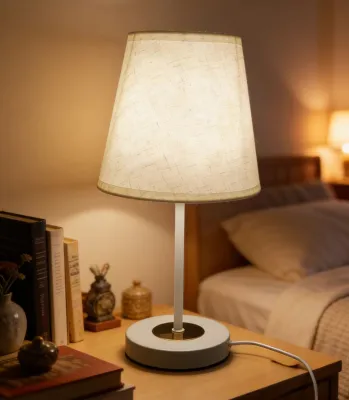
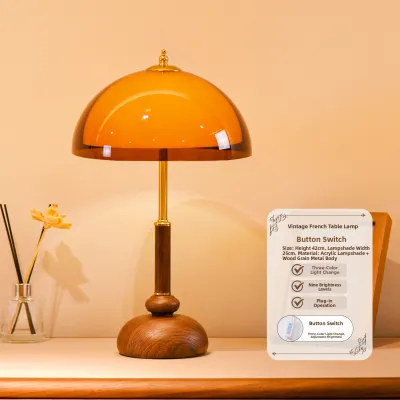

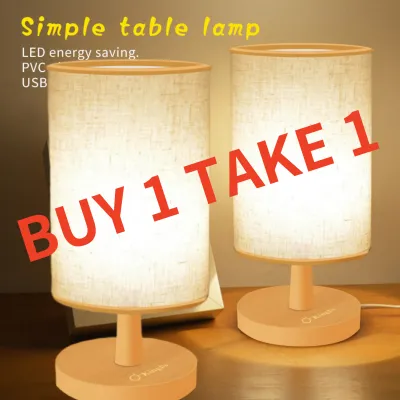
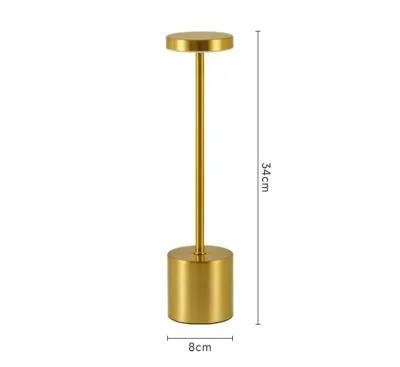
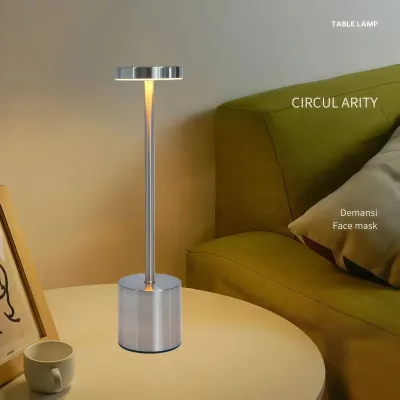
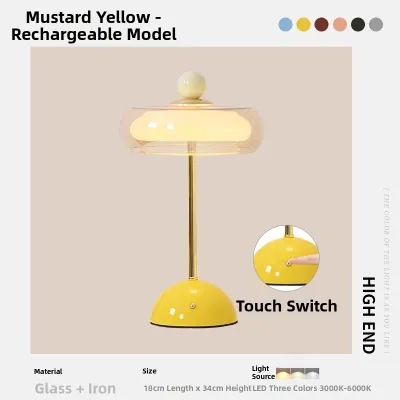
Prices are valid at publication and may change. Please refer to the product page for the latest price.
Next, evaluate the room’s primary color palette and material composition. Take note of the dominant wood tones, metal finishes, and textiles present in your furniture, flooring, and window treatments. A room with dark mahogany wood and polished brass hardware establishes a formal, warm baseline. A space characterized by light ash wood, concrete, and matte black steel suggests an industrial or contemporary Scandinavian aesthetic. Understanding these material relationships prevents you from selecting a lamp that clashes with the existing finishes in your home.
Finally, assess the visual weight of your room. Visual weight refers to how heavy or light an object appears based on its size, color, and material. A room filled with chunky, solid wood furniture and deep-toned upholstery feels grounded and heavy, requiring a lamp with a substantial base to maintain balance. An airy room with leggy furniture, glass tables, and sheer curtains benefits from a lamp with a slender profile or a transparent glass base. Deciding whether your room follows a single cohesive style or an eclectic mix will guide you on whether to match the dominant style exactly or use the lamp as a subtle, contrasting accent.
Key Table Lamp Elements to Coordinate With Your Decor
To successfully match a fixture to your interior design, you must deconstruct the table lamp aesthetic into three primary components: the base material, the physical silhouette, and the shade properties. Each of these elements communicates a distinct design language and interacts uniquely with your room’s existing decor.

Base Material and Finish
The material of a lamp base dictates its textural contribution to the room. Metallic bases like polished brass, chrome, or copper reflect ambient light and introduce a sense of refinement or modern luxury. Matte metals, such as powder-coated black iron or brushed steel, offer a more understated, utilitarian feel. Natural materials like ceramic, stone, and wood bring warmth and organic texture into a space. A glazed ceramic base can introduce a pop of color and gloss, while a matte terracotta or carved wood base adds earthy, tactile depth that softens hard surfaces.
Shape and Silhouette
A lamp’s silhouette influences how it occupies space on a tabletop and how it directs the eye. Geometric shapes—such as perfect spheres, cylinders, and sharp rectangular blocks—complement contemporary and modern interiors by reinforcing clean architectural lines. Organic, sculptural, or gourd-shaped bases introduce soft curves that can break up the monotony of straight-edged furniture. Streamlined, ultra-thin stick lamps provide a functional, low-profile look that keeps the visual focus on the surrounding decor rather than the lamp itself.
Shade Color and Texture
Lampshades serve a dual purpose: they define the lamp’s daytime appearance and control the quality of light projected at night. Fabric shades, such as linen or cotton, diffuse light outward, creating a warm, ambient glow that softens the entire room. Metal or heavy paper shades block lateral light and direct it strictly upward and downward, producing dramatic, focused pools of illumination ideal for reading or highlighting specific surfaces. The color of the shade also plays a critical role; a crisp white shade offers a clean, bright look, while a dark charcoal, navy, or black shade absorbs light to create a moody, intimate atmosphere.
Proven Table Lamp Pairings for Popular Interior Styles
Matching your lighting to a specific design movement becomes much simpler when you follow established pairing principles. Below are proven combinations that align table lamp aesthetics with popular interior design styles.
Minimalist and Scandinavian Pairings
Minimalist and Scandinavian interiors prioritize functionality, clean lines, and an abundance of natural light. To complement this aesthetic, select table lamps with simple geometric silhouettes and neutral color palettes. Matte metal finishes, light-toned woods like beech or birch, and soft white ceramic bases work exceptionally well in these spaces.
For the shade, opt for light-colored linen, cotton, or even textured paper. These materials diffuse light gently, preventing harsh glare and maintaining the airy, open feel of the room during the evening. Avoid overly ornate bases, intricate carvings, or heavily patterned shades, as these details introduce visual clutter that disrupts the serene, uncluttered atmosphere characteristic of Scandinavian design.
Mid-Century Modern and Industrial Pairings
Mid-Century Modern design celebrates organic curves, retro geometric patterns, and warm wood tones. For this style, look for lamps featuring walnut or teak wood bases, tapered drum shades, and iconic atomic-age or sculptural shapes. Brass accents and matte black finishes are also highly appropriate, especially when paired with angled or adjustable arms that evoke a classic mid-century studio feel.
Industrial design, on the other hand, embraces raw, utilitarian elements and exposed structural details. To match this aesthetic, choose lamps made of black iron, distressed steel, or concrete, often paired with clear or amber-tinted glass shades. Exposed-bulb designs and fixtures with visible hardware, such as pulleys, gears, or heavy-duty turn keys, reinforce the workshop-inspired character of the space. Balance the heavy visual weight of these industrial materials by placing them on sturdy metal, reclaimed wood, or concrete surfaces.
Traditional and Bohemian Pairings
Traditional interiors rely on symmetry, classic proportions, and refined details. For a traditional space, choose elegant ceramic ginger jar bases, polished crystal columns, or detailed carved wood bases. These classic shapes pair beautifully with pleated silk, linen, or high-quality paper drum shades. Richer colors, subtle floral patterns, or delicate trim on the shade can enhance the formal elegance of the room without looking outdated.
Bohemian design is free-spirited, eclectic, and deeply textured. Embrace this style by selecting table lamps made of natural rattan, woven bamboo, colored stained glass, or distressed terracotta. Shades featuring fringe, macramé details, or bold botanical prints add to the layered, global feel of a boho room. This aesthetic allows you to experiment with vibrant colors and unconventional shapes, making the table lamp a perfect medium for expressing personal creativity.
Aesthetic Clashes and Pairing Mistakes to Avoid
While coordinating your lighting, being aware of common design pitfalls will save you from making a purchase that looks out of place or functions poorly in your space.
- Proportion and Scale Mismatches: Placing an oversized, heavy ceramic lamp on a delicate, glass-topped side table creates a top-heavy look that feels physically and visually unstable. Conversely, a tiny, low-profile lamp placed on a massive, solid wood console table will get lost in the space and fail to provide adequate illumination. Always measure both the tabletop surface and the lamp's height and diameter before buying.
- Unintentional Style Conflicts: While eclectic design is highly popular, mixing extreme opposites without a cohesive plan can look chaotic. For example, placing a highly ornate, glittering crystal lamp with a pink pleated shade directly into a raw, industrial concrete loft usually fails because the two styles share no common design language. If you want to contrast styles, ensure there is at least one unifying element, such as a matching metal finish or a shared accent color.
- Color Clashing: Avoid selecting a lamp color that fights with the dominant accent colors of your room. If your living room features cool blues and grays, a bright orange or warm terracotta lamp base might create unintended visual noise unless you are deliberately styling a high-contrast focal point. Aim for harmony by pulling a color from your existing throw pillows, rugs, or artwork.
- Ignoring Light Temperature: A beautifully matched lamp and shade can still ruin a room's aesthetic if you install the wrong bulb. Placing a harsh, cool white bulb (6000K to 6500K) inside a warm, cozy bedroom lamp creates a clinical atmosphere that contradicts the soft fabric of the shade. Save cool daylight bulbs for task-oriented workspaces, and use warm white bulbs (2700K to 3000K) to enhance cozy, residential living spaces.
Balancing Aesthetics With Electrical Safety and Function
While visual appeal is important, a table lamp must be physically stable, safe to operate, and suited to its environment. Always prioritize technical specifications alongside your aesthetic preferences.
First, verify the lamp’s voltage compatibility and electrical certification. In the Philippines, the standard household electrical supply is 220V at 60Hz. Ensure that any imported or locally purchased lamp is rated for this voltage to prevent electrical malfunctions or fire hazards. Additionally, look for local quality and safety certifications, such as the Philippine Standard (PS) mark or Import Commodity Clearance (ICC) sticker, which verify that the fixture has undergone rigorous safety testing.
Second, check the bulb base type and maximum wattage limit specified by the manufacturer. The E27 screw-type base is the most common and widely available interface in local hardware stores, making bulb replacements simple. Never exceed the maximum wattage rating of the lamp fixture, especially when using fabric, paper, or plastic shades. Excessive heat from an oversized bulb can scorch or melt the shade, creating a serious fire risk. To achieve bright light without excessive heat generation, consider using energy-efficient LED bulbs, which remain cool to the touch.
Third, consider the installation environment and material durability. High relative humidity is a constant factor in tropical climates. In humid rooms, near open windows, or close to indoor plants, avoid using untreated, porous metals that can rust quickly, or delicate, unsealed paper shades that can warp and harbor mold. Instead, opt for powder-coated metals, glazed ceramics, treated woods, or moisture-resistant glass. If you plan to place a lamp in a high-traffic area, ensure the base has a non-slip pad and a stable footprint that leaves enough functional space on the table for daily use.
Frequently Asked Questions (FAQ)
Can I mix two different interior design styles with one table lamp?
Yes, you can successfully mix two different styles if the lamp shares at least one unifying element with the rest of the room. This unifying element could be a matching metal finish, a shared color palette, or a similar visual weight. For example, a sleek, modern black metal lamp can sit comfortably in a rustic room if the space already features black iron hardware or dark wood accents. If your room already has many competing patterns and textures, keep the lamp’s shape relatively simple to avoid visual clutter.
Does the table lamp shade color affect the room's aesthetic?
Yes, the shade color significantly impacts both the daytime look of the lamp and the nighttime ambiance of the room. Lighter shades transmit more light outward, brightening the surrounding walls and making the entire space feel larger and more open. Darker shades absorb lateral light, directing the illumination up and down to create a moody, focused, and intimate glow. Additionally, the color of the shade’s interior lining matters; a gold or brass inner lining reflects a warm, amber glow, while a white lining maintains a clean, neutral light quality.
Community discussion
Share your experience or ask a question. Comments are reviewed before publication.