
Selecting the correct wall mirror bracket holder is a critical step in ensuring your mirror remains safely secured to the wall. To make the right choice, you must match the hardware’s rated load capacity and physical design to your mirror’s exact weight, thickness, and frame type, while also accounting for your specific wall structure. In compact urban spaces, such as condominiums in Manila, using mirrors is a classic design technique to make rooms feel larger and brighter. However, achieving this spatial effect safely requires moving past visual estimates and systematically verifying hardware specifications.
An inadequate mounting system can lead to catastrophic glass breakage, wall damage, or personal injury. By taking precise measurements, understanding the load limits of different bracket styles, and evaluating your home’s wall materials, you can confidently choose hardware that provides long-term structural integrity.
Assess Your Mirror's Exact Dimensions and Weight
Before browsing for hardware, you must gather the precise physical parameters of your mirror. Begin by using a reliable tape measure to record the height, width, and thickness of the glass. Mirror thickness is particularly important when selecting edge-gripping brackets, such as J-clips or channel brackets. Standard residential mirrors typically range from 3mm to 6mm in thickness, and the bracket channel must match this measurement closely to prevent the glass from rattling or slipping.
Products mentioned in this guide
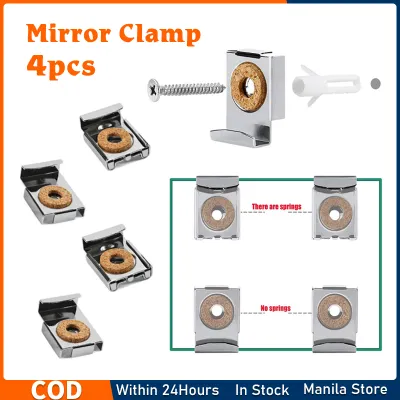
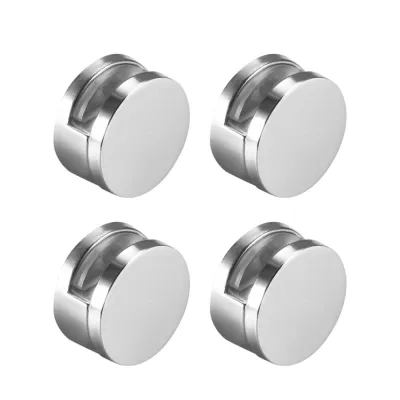
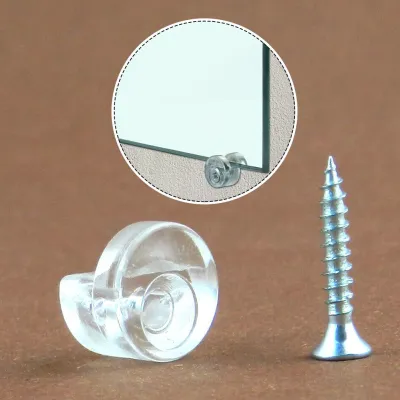
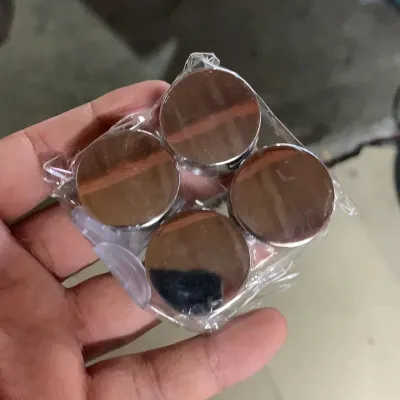
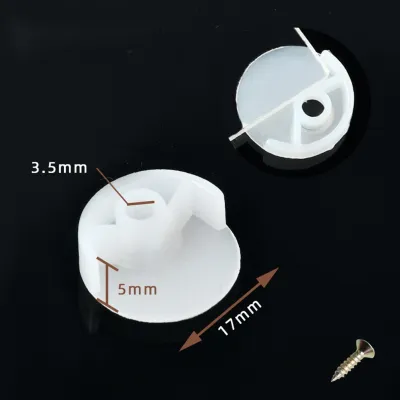
Prices are valid at publication and may change. Please refer to the product page for the latest price.
Next, determine the actual weight of the mirror. Guessing the weight of glass is notoriously difficult and highly risky. If the mirror is new, check the manufacturer’s label or the original packaging for the exact weight. For older or custom pieces, you can weigh the mirror using a household digital scale. If the mirror is too large to stand on the scale safely, weigh yourself first, then weigh yourself while carefully holding the mirror, and calculate the difference.
Finally, distinguish between framed and frameless mirrors. Frameless mirrors rely entirely on brackets that grip the glass edges directly or adhesive-backed hanging plates. Framed mirrors, on the other hand, add significant weight depending on the frame material—such as heavy solid wood, wrought iron, or dense resin. The presence of a frame changes your hardware requirements, shifting the focus from edge-gripping clips to heavy-duty D-rings, wire systems, or interlocking cleats mounted directly to the frame’s backing.
Select the Right Bracket Type and Verify Load Capacities
Different mirror bracket styles serve distinct structural purposes. Understanding how they distribute weight will help you choose the right configuration for your installation:

- J-Clips and J-Channels: These are the most common hardware options for frameless mirrors. The wider bottom bracket (often a continuous J-channel) bears the entire vertical weight of the mirror, while smaller, matching clips at the top keep the mirror flat against the wall.
- Z-Clips and French Cleats: Ideal for heavy, flat-backed framed mirrors or frameless mirrors with a rigid backing board. One cleat mounts to the wall and the other mounts to the mirror, interlocking to distribute weight evenly across a wide horizontal span.
- Spring-Loaded Clips: These clips feature a spring mechanism in the top brackets, allowing you to pull them up slightly to insert the mirror and then release them to lock the glass in place.
Regardless of the style, you must verify the maximum load capacity explicitly printed on the bracket packaging or in the manufacturer’s instruction manual. Never assume a bracket’s holding power based solely on its size or material thickness.
Always apply a conservative safety margin when calculating your hardware needs. The combined rated capacity of your chosen brackets should comfortably exceed the mirror’s actual weight. For example, if your mirror weighs 15 kilograms, select a bracket system rated for at least 20 to 25 kilograms. This safety buffer accounts for minor installation imperfections, wall vibrations, and the dynamic forces applied when cleaning the glass.
Evaluate Wall Materials and Environmental Conditions
The strength of your wall mirror bracket holder is only as reliable as the wall material holding the fasteners. In the Philippines, residential walls vary significantly. Modern high-rise condominiums often utilize lightweight gypsum drywall or fiber cement boards for interior partitions, while traditional homes and outer walls are typically constructed from solid concrete hollow blocks finished with plaster.
Mounting a heavy mirror on drywall requires specialized hollow-wall anchors, such as toggle bolts or heavy-duty threaded anchors, to prevent the screws from pulling straight through the gypsum. Whenever possible, at least one primary bracket should be screwed directly into a wooden wall stud behind the drywall. For concrete or solid masonry walls, you must use a masonry drill bit to create pilot holes, followed by plastic wall plugs (commonly referred to locally as tox) or metal expansion shields to ensure the screws grip the solid structure tightly.
Environmental conditions also dictate your hardware material choices. High relative humidity is a constant factor in tropical climates, particularly in moisture-prone areas like bathrooms or kitchens. Standard steel brackets can rust rapidly when exposed to steam and ambient moisture, leading to structural degradation and unsightly staining on your walls. For these environments, always select corrosion-resistant bracket materials, such as marine-grade stainless steel, solid brass, or anodized aluminum, to ensure the installation remains secure over time.
Plan Bracket Quantity, Spacing, and Placement
Properly distributing the weight of your mirror prevents localized stress on the glass, which can cause spontaneous cracking. The bottom brackets act as the primary load-bearing supports, carrying the downward pull of gravity. The top and side clips are designed solely for retention, keeping the mirror upright and preventing it from tipping forward.
For a standard rectangular mirror, plan to use at least two bottom brackets and two top clips. For wider mirrors, add a third bottom bracket in the center to prevent the glass from bowing or sagging. Space the bottom brackets symmetrically, typically placing them at the one-quarter and three-quarters marks of the mirror’s total width. Use a spirit level to ensure the bottom supports are perfectly horizontal; an uneven base forces one bracket to carry the entire load, risking hardware failure.
Avoid common installation mistakes that compromise safety. Never space your brackets too far apart, as this allows the glass to flex. Additionally, avoid metal-on-glass contact. High-quality bracket kits include felt pads, rubber washers, or plastic liners to cushion the glass. If your brackets do not have these, insert a small piece of rubber or dense foam between the metal channel and the mirror edge to absorb vibrations and prevent localized pressure points. Finally, never rely on double-sided foam tape or standard construction adhesives as the sole support for heavy mirrors, as tropical heat and humidity can degrade adhesives over time, causing the mirror to fall.
Frequently Asked Questions (FAQ)
Can I use adhesive strips instead of metal brackets for heavy mirrors?
No, adhesive strips, double-sided mounting tapes, and liquid glues are not safe primary support systems for heavy mirrors. While they may hold lightweight, small decorative mirrors temporarily, they have strict weight limits and are highly susceptible to failure in warm, humid environments. Heavy or large mirrors must always be secured using mechanical metal brackets and appropriate wall anchors to ensure they remain permanently and safely attached to the wall.
What should I do if my mirror's weight exceeds the capacity of standard brackets?
If your mirror is exceptionally heavy or oversized, standard plastic or light-gauge metal clips will not provide sufficient support. Instead, source heavy-duty aluminum Z-bars or industrial-grade French cleats, which distribute the weight across multiple wall studs. You can also increase the number of support points along the bottom edge of the mirror to distribute the load more evenly. For complex, oversized, or highly valuable glass installations, consider hiring a qualified professional installer who has the specialized tools and experience to secure heavy architectural glass safely.

Community discussion
Share your experience or ask a question. Comments are reviewed before publication.