
Finding the perfect lamp shade requires matching both the electrical socket type and the physical hardware of your light fixture. In the Philippines, where the standard household voltage is 220V, the E27 socket is the most common interface for table lamps, floor lamps, and pendant lights. However, while the E27 designation tells you what bulb fits the socket, it does not dictate how a lamp shade physically attaches to the fixture. By understanding how different fitters interact with E27 hardware and taking precise measurements, you can easily avoid incompatible purchases and create a balanced, safe lighting setup.
Understanding E27 Bulb Bases and Lamp Shade Fitters
The E27 specification refers strictly to a screw-in bulb base with a 27-millimeter thread diameter. This standard electrical interface is highly reliable, but the physical support system for the decorative shade is entirely separate. To select a compatible shade, you must first identify the specific mechanism, or fitter, that connects the shade frame to the lamp body.
Spider Fitters are the most traditional style used on table and floor lamps. They feature a central metal ring supported by three or four spokes that resemble a spider web. This central ring does not touch the bulb or the socket directly; instead, it rests on top of a U-shaped metal wire support called a harp. The harp attaches to a saddle bracket located directly beneath the E27 socket, and the shade is secured at the top with a decorative screw-on cap known as a finial.
Products mentioned in this guide
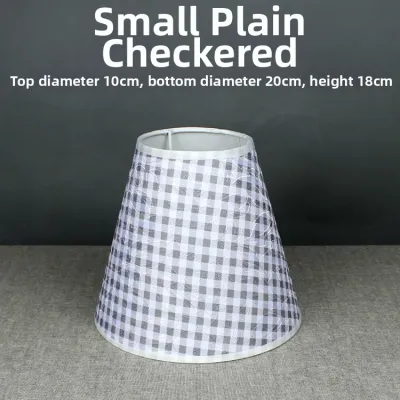
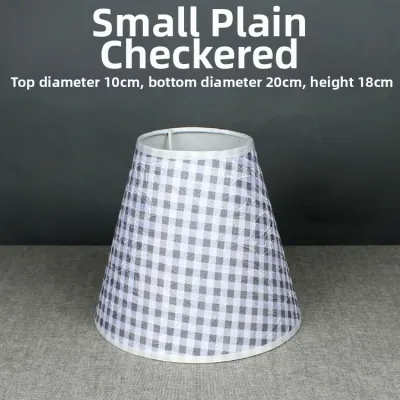
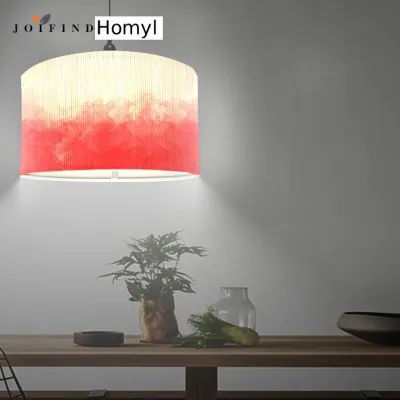
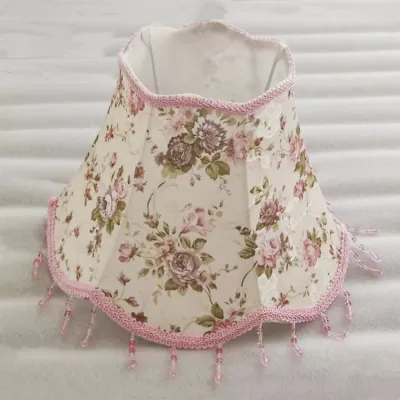
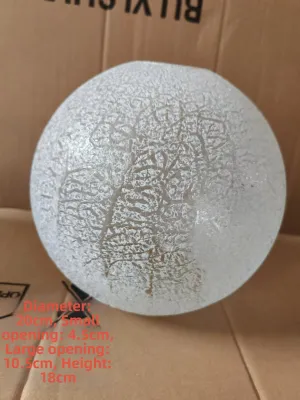
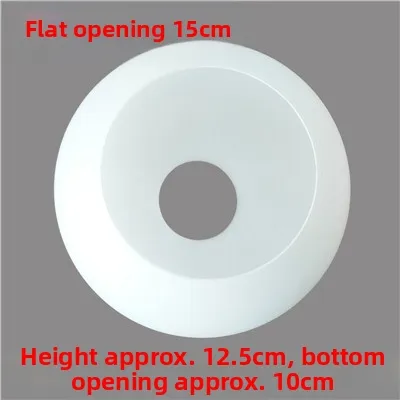
Prices are valid at publication and may change. Please refer to the product page for the latest price.
Uno and Euro/UNO Fitters are designed to mount directly onto the E27 socket without the need for a separate harp. A standard Uno fitter features a threaded inner ring that screws directly onto the socket, commonly found on downward-facing bridge arm lamps. The Euro/UNO variant, which is highly prevalent on modern E27 table lamps, features a large, flat central ring. This ring slips over the outer collar of the E27 socket and is clamped securely in place by a threaded plastic or metal socket ring that screws down over it.
Clip-on Fitters bypass the lamp hardware entirely by utilizing wire loops that clip directly onto the glass envelope of the E27 bulb. These are generally reserved for smaller accent shades, as the entire weight of the shade rests on the bulb itself.
Before browsing online marketplaces or local boutiques, inspect your lamp’s socket and neck hardware. Look for a saddle bracket beneath the socket, which indicates a spider fitter is required, or look for external threads and a removable collar on the socket itself, which indicates a Euro/UNO fitter is necessary.
Step-by-Step Guide to Measuring Your Lamp and Existing Shade
To ensure your new shade fits the physical hardware and looks proportional, you must take accurate measurements of your lamp base and your current shade. Using a flexible measuring tape will allow you to capture curves and slants accurately.

Measuring the Lamp Base
To determine the ideal shade size, first measure the physical dimensions of the lamp base. Measure the base width at its widest point, whether that is a broad bottom pedestal or a decorative ceramic curve. Next, measure the total height of the lamp from the tabletop or floor surface straight up to the very top of the electrical socket, excluding the bulb. Finally, if your lamp uses a harp, measure the vertical distance from the saddle bracket beneath the socket to the top of the threaded post.
Measuring the Old Shade
If you are replacing an existing shade that you already like, record its dimensions using three key measurements. Measure the top diameter straight across the top opening from outer edge to outer edge. Next, measure the bottom diameter straight across the bottom opening. Finally, measure the slant height by placing the measuring tape along the diagonal side of the shade from the top rim to the bottom rim. Do not measure straight down vertically, as the slant height determines the actual coverage of the bulb.
Hardware Clearance and Proportions
It is crucial to measure the distance from the socket to the bottom curve of the harp to ensure the shade’s internal drop provides proper clearance. The drop is the vertical distance between the top rim of the shade and the fitter ring. If the drop is too shallow, the shade will sit too high, exposing the bulb and socket. If the drop is too deep, the shade will sit too low, potentially crowding the switch or resting directly on the bulb.
Always record these dimensions in the standard industry format: Top Diameter x Bottom Diameter x Slant Height (for example, 25 cm x 35 cm x 28 cm). Keeping this sequence ready makes comparing options straightforward when shopping.
How to Choose the Correct Lamp Shade Dimensions for Visual Balance
Selecting the right shade dimensions is a balance of aesthetic proportions and functional clearance. A shade that is too small will make the lamp look top-heavy, while a shade that is too large will overwhelm the room and the fixture.
Proportion Rules
As a general design guideline, the bottom diameter of the lamp shade should be approximately twice the width of the lamp base. Additionally, the slant height of the shade should be roughly two-thirds the height of the lamp base, measured from the bottom of the pedestal to the base of the socket. These ratios ensure that the visual weight of the shade complements the base rather than competing with it.
Visual Drop and Coverage
When the lamp is assembled, the shade must fully cover the electrical socket, the neck, and any unsightly hardware from eye level. If you can see the bare socket or the neck of the lamp while sitting down nearby, the shade is sitting too high or is too short. However, the bottom rim of the shade should not extend so far down that it obscures the decorative elements of the lamp base or makes the power switch difficult to reach.
Bulb Clearance
For physical safety and aesthetic appeal, ensure there is at least 5 to 7.5 centimeters of space between the E27 bulb and the inner walls of the shade. This internal clearance prevents the shade material from overheating, scorching, or melting. If the bottom diameter or the slant is too narrow, the shade may touch the bulb, creating a fire hazard.
Shade Shapes and Light Distribution
The shape of the shade dictates how light is distributed throughout the room, which should match your intended use.
- Drum and Cylinder: These shapes have equal or near-equal top and bottom diameters. They direct light equally upward and downward, making them excellent for ambient room lighting in contemporary spaces.
- Empire and Bell: These classic shapes flare out significantly at the bottom, directing the majority of the light downward. This makes them ideal for task lighting on a bedside table or study desk.
- Coolie: These feature a very wide bottom and a narrow top, casting a wide pool of downward light, which is perfect for reading or accent lighting on low tables.
Heat Safety and Material Considerations for E27 Fixtures
Operating a lamp in the tropical, humid climate of the Philippines requires careful attention to heat safety and material limits. High ambient temperatures and humidity can accelerate the degradation of adhesives and delicate fabrics when subjected to high heat.
E27 Bulb Heat Outputs
Traditional incandescent and halogen E27 bulbs generate significant thermal energy. A standard 60-watt incandescent bulb can reach high surface temperatures, requiring a highly heat-resistant shade with ample internal clearance. Conversely, modern LED E27 bulbs run exceptionally cool and consume far less energy. Upgrading to LED bulbs is highly recommended, as they minimize heat buildup and allow you to safely use more compact or delicate shades.
Evaluating Shade Materials
Different materials handle heat and humidity in distinct ways:
- Fabric (Cotton, Linen, Silk): These materials provide a soft, diffused glow. Ensure they feature a flame-retardant backing, such as a white or gold styrene liner, to protect the fabric from heat.
- Glass and Metal: These are highly heat-resistant and durable, but they can become hot to the touch if paired with incandescent bulbs. They are ideal for industrial or modern aesthetics.
- Paper and Natural Fibers (Rattan, Abaca, Bamboo): These materials are incredibly popular in tropical interior design, but they are highly flammable if untreated. Never place high-wattage incandescent bulbs near untreated natural fibers.
Safety Guidelines
Always inspect the lamp fixture’s maximum wattage rating label, which is typically located near the socket (for example, “Max 40W”). Never exceed this rating, and check the shade manufacturer’s safety labels and care instructions before installation. Do not use highly flammable or untreated materials near high-wattage E27 bulbs. If you prefer the look of a delicate rattan or paper shade, pair it exclusively with a low-wattage, high-efficiency LED bulb to eliminate thermal risks.
Installing and Adjusting Your New Lamp Shade
Once you have selected the correct size and material, installing your new shade requires a few simple steps to ensure a secure, level fit.
Safety First
Before installing or adjusting any lighting component, isolate the power. Unplug the lamp from the wall outlet and allow the E27 bulb to cool completely to avoid accidental burns or electrical shocks.
Installation Steps
- For Spider Fitters: Gently place the harp legs into the saddle bracket beneath the socket and slide the retaining caps down to lock the harp in place. Position the spider fitter ring over the top screw post of the harp, and thread the decorative finial clockwise until the shade is secure and level.
- For Euro/UNO Fitters: Unscrew the threaded socket ring from the E27 socket. Place the fitter ring directly over the socket neck, then screw the socket ring back onto the socket, tightening it clockwise until the shade is clamped firmly.
Hardware Adjustments
If the shade sits too low and blocks the switch, or sits too high and exposes the bulb, you can adjust the height without modifying the electrical components. For spider fitters, you can purchase a taller or shorter harp, or use a harp extender (a small metal adapter that screws onto the top of the harp) to raise the shade. For Uno fitters, ensure the socket ring is fully threaded and not cross-threaded, which can cause the shade to tilt.
Stop-Work Condition
If you notice that the E27 socket is loose, the internal wiring is frayed, or the new fitter requires altering the electrical socket or wiring, stop immediately. Do not attempt to modify the electrical components yourself. Consult a qualified electrician or a professional lighting repair service to ensure the fixture is safe to use.
Frequently Asked Questions (FAQ)
Can I use a clip-on lamp shade on an E27 bulb?
Yes, you can use a clip-on lamp shade on an E27 bulb, but only if the bulb has a suitable shape, such as a standard A-shape or candle bulb, and the wire clip matches the bulb’s diameter. Avoid using clip-on shades with high-heat incandescent or halogen E27 bulbs, as the direct metal-to-glass contact can concentrate heat, potentially cracking the bulb or creating a fire risk. Always pair clip-on shades with cool-running LED bulbs.
What should I do if my new lamp shade sits too low and covers the switch?
If your new shade sits too low and blocks access to the socket switch, check if the shade’s top drop is too deep for your current harp. You can easily resolve this issue without rewiring by replacing your existing harp with a taller one, or by installing a harp extender. This raises the shade’s position, keeping the switch accessible while keeping the bulb properly concealed.

Community discussion
Share your experience or ask a question. Comments are reviewed before publication.